
Successful Treatments
Clinics
Doctors
Ayurvedic Medicine For Endometriosis
 Published on 01 Dec, 2025
 Updated on 01 Dec, 2025

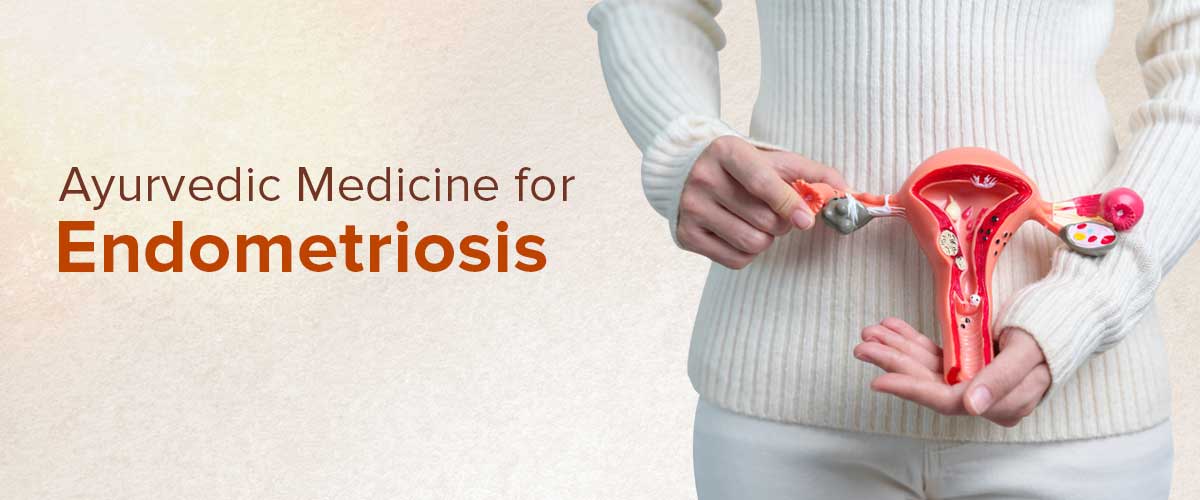
Endometriosis is a gynaecological condition where the tissues that normally line the inside of the uterus start growing outside of it. These growths most commonly spread to the wrong places in the body, such as pelvic organs such as the ovaries, fallopian tubes, and the tissue lining the pelvis.
In Ayurveda, this condition is correlated with Vataja Yonivyapada. Ayurveda sees this condition as the result of tridoshic imbalance in the body, meaning an imbalance of the three doshas: Vata, Pitta, and Kapha. Each dosha in our body is responsible for different functions.
Imbalance in them may lead to disruption in movement inside the body, inflammation, improper digestion, accumulation of Ama (toxins), and ultimately, the blockages of the body’s channels (srotas). Common causes, according to Ayurveda, are various lifestyle choices and eating habits.
Ayurvedic Medicines For Endometriosis
Ayurvedic treatment for endometriosis focuses not only on the symptoms but also aims to get rid of the condition permanently so that it never recurs again by fixing the root cause. It uses herbal remedies, dietary changes, detoxification therapies, as well as lifestyle changes to provide the patient with a lasting recovery.
Some time-tested Ayurvedic medicines for endometriosis are:
Ashwagandha
This herb has anti-inflammatory and antioxidant properties that reduce cortisol levels, which are responsible for high stress levels. It helps in reducing inflammation and balancing hormonal fluctuations. It also helps in reducing pain and alleviating symptoms of endometriosis such as menstrual cramps and pelvic pain.
Shatavari
Shatavari is a dried root extract used in Ayurveda for females as a natural tonic. This herb is traditionally used to support female reproductive health. It helps increase the activity of macrophages, which helps reduce the adhesions that occur because of endometriosis. It is also considered a powerful uterine tonic, which nourishes the uterus and supports its healthy functioning.
Turmeric
Turmeric also possesses anti-inflammatory and antioxidant qualities. It helps reduce the pro-inflammatory markers that are typically elevated in women with endometriosis. It reduces pain by decreasing inflammation and appears to inhibit the formation of new blood vessels. It also helps in balancing hormones.
Guggulu
This traditional herb brings your energies into perfect balance by calming Vata, cooling Pitta, and clearing Kapha. It actively flushes out trapped toxins to reduce swelling and unblock your internal channels. Once these pathways are clear, blood circulates freely, allowing your body to naturally repair and heal damaged tissues.
Jiva’s Approach to Treating Endometriosis
In Jiva, the condition is not treated on the basis of symptoms alone, but the root cause of the problem is analyzed, and then the treatment plan is made. In the case of endometriosis, a personalized treatment plan is developed based on each individual's nature, lifestyle, and stage of disease. Certain Ayurvedic medicines, therapies, yoga, meditation, and diet changes are made so that you can recover quickly and avoid falling ill again.
Side Affects Of Self Medicating
Buying popular Ayurvedic herbs like Ashoka or Shatavari over the counter might seem safe, but self-medicating for endometriosis can actually make things worse:
- Heavier Bleeding: Taking warm, heavy herbs without knowing your body type can increase internal heat and trigger excessive period bleeding.
- More Toxins: If your digestion is weak, strong herbs sit undigested in your gut, creating more sticky toxic waste (Ama) that blocks your pelvic region.
- Irregular Cycles: Incorrect herb combinations confuse your natural hormones, leading to delayed periods, sudden spotting, or intense mood swings.
- Hidden Spread: You might feel temporary pain relief from cramps, but the underlying tissue can silently keep growing and spreading to your ovaries.
Always consult an Ayurvedic doctor to get herbs that match your exact body type, pain levels, and digestive health.
When To Consult An Ayurvedic Health Expert
If you are experiencing symptoms that are mentioned below, then seek urgent medical care:
- Severe, painful periods that interfere with daily life
- Chronic pelvic pain
- Pain during or after sex
- Difficulty conceiving and getting pregnant
- Abnormally heavy bleeding during menses
- Abnormal bleeding between the menstrual cycles
References
Endometriosis: Epidemiology, Diagnosis and Clinical Management - PMC
FAQs
If you have endometriosis, you may experience pelvic pain, which can be severe and may occur with your period, during ovulation, or during sexual intercourse. Other symptoms include heavy menstrual bleeding, fatigue, bloating, constipation, diarrhea, nausea, and pain during bowel movements or urination.
Yes, endometriosis can lead to infertility, but many women with the condition can get pregnant naturally. For those who have trouble conceiving, fertility treatments can often be successful.
Ayurveda addresses infertility by optimizing reproductive health. By balancing the doshas, removing blockages (Srotorodha), and nourishing the reproductive tissues (Artava dhatu), Ayurvedic therapies aim to improve the conditions for conception. Many women have successfully conceived naturally after Ayurvedic treatment, but outcomes depend on the severity of the condition.
Panchakarma is considered Ayurveda's most powerful detoxification procedure. Therapies like Vasti (medicated enema) are particularly beneficial for balancing Apana Vata and eliminating toxins from the pelvic region, which can reduce pain, inflammation, and adhesions associated with endometriosis.
Ayurvedic treatments can often be used as a supportive therapy alongside allopathic medicine. However, it is essential to consult with both a qualified Ayurvedic practitioner and a medical doctor to ensure safe integration and avoid potential herb-drug interactions.
Our Happy Patients
-
 Sunita Malik - Knee Pain
-
 Abhishek Mal - Diabetes
-
 Vidit Aggarwal - Psoriasis
-
 Shanti - Sleeping Disorder
-
 Ranjana - Arthritis
-
 Jyoti - Migraine
-
 Renu Lamba - Diabetes
-
 Kamla Singh - Bulging Disc
-
 Rajesh Kumar - Psoriasis
-
 Dhruv Dutta - Diabetes
-
 Atharva - Respiratory Disease
-
 Amey - Skin Problem
-
 Asha - Joint Problem
-
 Sanjeeta - Joint Pain
-
 A B Mukherjee - Acidity
-
 Deepak Sharma - Lower Back Pain
-
 Vyjayanti - Pcod
-
 Sunil Singh - Thyroid
-
 Sarla Gupta - Post Surgery Challenges
-
 Syed Masood Ahmed - Osteoarthritis & Bp
Disease
- Ayurvedic Treatment for Obesity
- Ayurvedic Treatment for Migraine
- Ayurvedic Treatment for Heat Stroke
- Get Ayurvedic Treatment for Paralysis
- Ayurvedic Treatment for Mastitis
- Ayurvedic Treatment for Gangrene Foot
- Ayurvedic Treatment for Granuloma
- Ayurvedic Treatment for Amyloidosis
- Ayurvedic Treatment for Thrombocytopenia
- Ayurvedic Treatment for Dengue
- Ayurvedic Treatment for Measles
- Ayurvedic Treatment for Fistula in Ano
- Ayurvedic Treatment for Malaria
- Ayurvedic Treatment for Plantar Fasciitis
- Ayurvedic Treatment for Chikungunya
- Ayurvedic Treatment for Sepsis
- Ayurvedic Treatment for Addison's Disease
- Get Ayurvedic Treatment for Eye Floaters
- Ayurvedic Treatment for Eye Flu
- Ayurvedic Treatment for Herpes
- Get Ayurvedic Treatment For Teeth Cavities
- Get Ayurvedic Treatment for Tooth Pain
Latest Blogs
- Get An Effective Ayurvedic Treatment For Gastritis
- The Complete Guide to Ayurvedic Detox: Tips, Techniques, and Benefits
- Ayurvedic Hair Growth Secrets Revealed
- Tired of Dull Skin? Try These 5 Ayurvedic Hacks
- Can Ayurveda Reverse Your Diabetes?
- Accelerate Your Dengue Recovery with Ayurveda
- 5 Little Known Facts About Ayurvedic Therapies
- 5 Ayurvedic Secrets for Healthy & Shiny Hair
- Get Ayurvedic Treatment for Fatty Liver
- Get Ayurvedic Treatment for Eyes
- Get Ayurvedic Treatment for Kidney Stones
- How to get rid of a sinus headache with Ayurveda?
- How To Cure Scalp Psoriasis With Ayurveda?
- Migraine Treatment In Ayurveda
- Get Ayurvedic Treatment for Obesity
- When To Worry About Varicose Veins?
- 10 Effective Ways To Get Rid of Piles
- How To Cure PCOS and PCOD Naturally?
- Get Ayurvedic Treatment For PCOS
- Get Relief From Back Pain With Ayurvedic Treatment
Ayurvedic Doctor In Top Cities
- Ayurvedic Doctors in Bangalore
- Ayurvedic Doctors in Pune
- Ayurvedic Doctors in Delhi
- Ayurvedic Doctors in Hyderabad
- Ayurvedic Doctors in Indore
- Ayurvedic Doctors in Mumbai
- Ayurvedic Doctors in Lucknow
- Ayurvedic Doctors in Kolkata
- Ayurvedic Doctors in Patna
- Ayurvedic Doctors in Vadodara
- Ayurvedic Doctors in Ahmedabad
- Ayurvedic Doctors in Chandigarh
- Ayurvedic Doctors in Gurugaon
- Ayurvedic Doctors in Jaipur
- Ayurvedic Doctors in Kanpur
- Ayurvedic Doctors in Noida
- Ayurvedic Doctors in Ranchi
- Ayurvedic Doctors in Bhopal
- Ayurvedic Doctors in Ludhiana
- Ayurvedic Doctors in Dehradun