
Successful Treatments
Clinics
Doctors
Ayurvedic Treatment for Obesity (Medoroga): BMI, Health Risks and Long-Term Care
 Published on 01 Jan, 1970
 Updated on 28 Nov, 2026

- Home / Diseases & Ayurveda / Endocrine System / Ayurvedic Treatment for Obesity (Medoroga): BMI, Health Risks and Long-Term Care
Jiva Ayurveda treats obesity (Sthaulya and Medoroga) as a long-term health condition: a medical check, Ayurvedic medicines, a diet and movement plan and therapies such as Udvartana, to bring weight and waist down and lower the risks that come with it, such as diabetes, BP, fatty liver and joint pain.
What Is Obesity?
Obesity is a long-term condition in which extra body fat starts to harm health. It is measured by BMI (weight in kg divided by height in metres, squared) and waist size. Indians develop diabetes and heart disease at a lower weight than Western populations, so Indian guidelines use lower cut-offs. In Ayurveda it is called Sthaulya or Medoroga: weak Agni and excess Kapha lead to Ama and too much Meda Dhatu (fat tissue), which blocks the channels and starves the other tissues. Common signs are:
Obesity symptoms | Causes of obesity
Health Risks of Obesity
Obesity matters because of what it does to the rest of the body. Losing even 5 to 10 per cent of your weight lowers many of these risks.
How Jiva Ayurveda Treats Obesity
Your doctor asks about your weight history, past diets, food and activity, sleep, stress, periods, snoring, joint pain and every medicine you take, checks your BMI, waist, Prakriti and Agni, and reviews your reports. Then your plan is built from four parts:
Ayurvedic Medicines for Obesity
Ayurvedic medicine for obesity is chosen by what comes with it. Obesity with high sugar, cholesterol, fatty liver, joint pain or water retention each needs a different formulation. Lekhana (fat-reducing) herbs work best when digestion is corrected first.
Medicines, Injections and Surgery for Obesity
Weight loss medicines and injections such as semaglutide, and bariatric surgery for severe obesity, are medical options your physician may suggest. They can help, but lasting results still depend on food, activity and routine.
- If you are on a weight loss medicine or injection, or planning surgery, your Jiva doctor works alongside it; do not stop or change it on your own.
- Keep taking your BP, sugar, thyroid and cholesterol medicines; your current doctor decides any change as your reports improve.
- Track weight, waist, BP and sugar every month.
Who Can Consider Ayurvedic Treatment for Obesity?
Chest pain, sudden breathlessness or stopping breathing during sleep needs urgent care. See the warning signs further down this page.
Real Results in Obesity from Jiva Clinics
Outcomes differ from person to person. These patients are from our clinic case records, shared with consent.
Weight 97 kg (BMI 42) with high cholesterol
- Weight 97 kg, BMI 42
- High cholesterol levels
- 17 kg weight loss: 80 kg, BMI 35
- Normal cholesterol levels
Weight 82 kg (BMI 31) with high BP
- Weight 82 kg, BMI 31
- High blood pressure
- Digestion issues
- 10 kg weight loss: 72 kg, BMI 28
- Blood pressure normal
- Improvement in digestion
Weight 80 kg (BMI 33) with snoring
- Weight 80 kg, BMI 33
- Snoring
- 10 kg weight loss: 70 kg, BMI 27
- Lesser snoring
Obesity Symptoms
How to Start Obesity Treatment at Jiva
Types of Obesity and How Care Differs
Ayurvedic Therapies for Obesity
Therapies support diet and activity; they do not remove fat on their own. They are chosen after a doctor examines you, at Jiva clinics with Panchakarma facilities.
Diet for Obesity: What to Eat and Limit
- Vegetables filling half the plate
- Millets, oats and whole grains in measured portions
- Moong dal, chana, paneer, curd and buttermilk for protein
- Barley (jau) and old rice, classical for Medoroga
- Warm water and herbal teas
- Early, light dinner
- Sugar, sweets and sweet tea
- Maida, bakery items and biscuits
- Fried food and namkeen
- Cold drinks, packaged juices and alcohol
- Ghee, butter and cream in large amounts
- Snacking between meals and late at night
Full Indian diet plan for weight loss
Activity and Daily Routine
- Walk 30 to 45 minutes a day, plus 10 minutes after main meals, building up slowly if you have joint pain.
- Strength exercise 2 to 3 times a week to keep muscle as you lose fat.
- Avoid daytime sleep, which increases Kapha, and sleep 7 to 8 hours at night.
- Eat at fixed times, with lunch as the main meal.
- Weigh yourself and measure your waist once a week.
- Check BP and sugar regularly if you have them.
Tests You May Need
What You Can Work Towards
- Losing 5 to 10 per cent of your weight in the first 6 months
- A smaller waist
- Better sugar, BP, cholesterol and liver reports
- Less snoring, better sleep and more energy
- Less knee and back pain
- Fewer medicines over time, where your doctor agrees
Why Choose Jiva Ayurveda for Obesity?
Get Urgent Medical Care If You Have
- Chest pain or pressure, especially on walking
- Sudden breathlessness or swelling of the legs
- Stopping breathing or choking during sleep, with daytime sleepiness
- Very high thirst and urine, or blurred vision
- Rapid weight gain with swelling of the face or body
- Pain and swelling in one calf
Explore Obesity Guides
References
FAQs
Obesity is caused by an imbalance between calorie intake and energy expenditure, along with factors like genetics, lifestyle, hormonal imbalances, stress, and poor digestion.
Diagnosis is based on BMI (Body Mass Index), waist circumference, body fat percentage, medical history, and lab tests to check metabolic and hormonal health.
Yes. Maintaining a balanced diet, regular physical activity, proper sleep, and stress management can reduce the risk of obesity.
Untreated obesity can increase the risk of diabetes, high blood pressure, heart disease, joint problems, sleep apnea, and fatty liver disease.
Ayurveda addresses the root causes of obesity by balancing doshas, improving metabolism, detoxifying the body, and using herbal medicines, therapies, diet, and lifestyle changes.
Yes, Ayurvedic weight management focuses on gradual, sustainable fat reduction, improving digestion, and strengthening the body without harsh chemicals or side effects.
Results vary depending on body type, severity, and consistency of treatment. Some improvements in digestion and energy can be seen in weeks, while noticeable weight reduction may take 2–3 months or more.
Yes, stress and poor sleep can disrupt hormonal balance, increase appetite, slow metabolism, and contribute to weight gain.
Fresh fruits, vegetables, whole grains, nuts, seeds, and high-fiber, low-fat foods help improve metabolism and support healthy weight management.
Obesity may recur if healthy lifestyle habits are not maintained. Regular exercise, mindful eating, stress management, and periodic Ayurvedic guidance help sustain long-term results.
Find Jiva Ayurveda Clinics for Obesity Treatment Near You
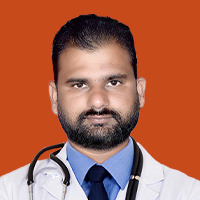
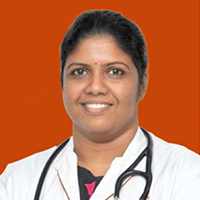
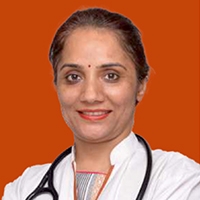
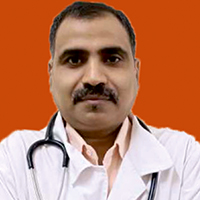
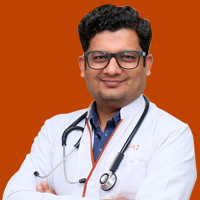
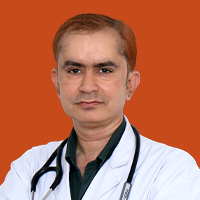
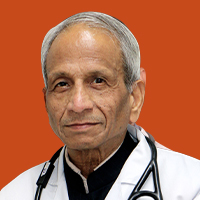
Consult Experienced Ayurveda Doctors for Obesity




Our Happy Patients
-
 Sunita Malik - Knee Pain
-
 Abhishek Mal - Diabetes
-
 Vidit Aggarwal - Psoriasis
-
 Shanti - Sleeping Disorder
-
 Ranjana - Arthritis
-
 Jyoti - Migraine
-
 Renu Lamba - Diabetes
-
 Kamla Singh - Bulging Disc
-
 Rajesh Kumar - Psoriasis
-
 Dhruv Dutta - Diabetes
-
 Atharva - Respiratory Disease
-
 Amey - Skin Problem
-
 Asha - Joint Problem
-
 Sanjeeta - Joint Pain
-
 A B Mukherjee - Acidity
-
 Deepak Sharma - Lower Back Pain
-
 Vyjayanti - Pcod
-
 Sunil Singh - Thyroid
-
 Sarla Gupta - Post Surgery Challenges
-
 Syed Masood Ahmed - Osteoarthritis & Bp
Diagnostic Marker
- CRP and Heart Disease Risk: How Ayurveda Supports Heart Health
- High CRP Levels: Ayurvedic Causes, Meaning, and Natural Treatment Approach
- ESR Levels High: What It Indicates and How Ayurveda Helps Manage Inflammation
- HS-CRP High? Ayurvedic Ways to Reduce Chronic Inflammation Naturally
- Fasting Blood Sugar vs PP Sugar
- HbA1c Levels Explained: Ayurvedic Management for Long-Term Blood Sugar Control
- High Insulin Levels and Insulin Resistance: Ayurvedic Perspective and Care
- Homocysteine Levels High: Ayurvedic Ways to Reduce Heart Disease Risk
- TSH Levels High or Low: Ayurvedic Treatment for Thyroid Imbalance
- T3, T4, and TSH Report Explained Through Ayurveda
Blogs
- Ayurvedic Dietary Tips to Reduce Effect of Obesity on Asthma
- पेट की चर्बी कम करने के आयुर्वेदिक तरीके
- Obesity Treatment in Ayurveda at Jiva Ayurveda
- Get Ayurvedic Treatment for Obesity
- 5 Little Known Facts About Ayurvedic Therapies
- क्या आपकी 9-5 की नौकरी आपको मोटा बना रही है? जानिए बचने के तरीके
- How a Satvik Lifestyle Supports Mental Clarity and Better Health?
- Obesity: Why Weight Keeps Increasing and How to Break the Cycle?
- Weight loss करने के बाद भी वजन वापस क्यों बढ़ जाता है? Metabolism को समझिए
- Weight gain joints पर कितना pressure डालता है? simple calculation समझिए
Home Remedies
Related Disease
- Ayurvedic Treatment for Obesity (Medoroga): BMI, Health Risks and Long-Term Care
- Ayurvedic Treatment for Thyroid: Symptoms, Causes & Management
- Ayurvedic Treatment for Diabetes Management: Blood Sugar Level, Diet & Lifestyle
- Ayurvedic Treatment for Type 1 Diabetes: Supportive Care Alongside Insulin Treatment
- Ayurvedic Treatment for Hypoglycemia: Preventing Low Blood Sugar & Emergency Care
- Ayurvedic Treatment for Hyperglycemia: Symptoms, Causes & Care Options
- Ayurvedic Treatment for Prediabetes: Symptoms, Causes & Management
- Ayurvedic Treatment for Diabetic Neuropathy: Symptoms, Causes & Supportive Care
- Ayurvedic Treatment for Gynecomastia: Symptoms, Causes & Management
- Ayurvedic Treatment for Hernia: Symptoms, Causes & Management
- Ayurvedic Treatment for Gangrene: Warning Signs, Causes and Urgent Treatment
- Ayurvedic Weight Loss: Indian Diet Plan, Medicines and Therapies That Last
Latest Blogs
- सर्दियों में Dry Fruits Sugar और Uric Acid वाले कितने खाएं
- Gas और Bloating में क्या फर्क है?
- Fatty Liver और Liver की सूजन में क्या फर्क है?
- Arthritis में क्या खाएं और क्या नहीं - पूरी Diet List
- घर पर Glucometer से Sugar सही कैसे चेक करें? 7 आम गलतियाँ
- इसबगोल कब और कैसे लें? सही तरीका
- दिन में कितनी बार Potty जाना Normal है?
- उम्र के हिसाब से BP कितना होना चाहिए? Normal BP Chart
- NCV Test क्या है? नसों की कमज़ोरी में क्यों कराते हैं?
- Vitamin D Report कैसे पढ़ें? कितना होना चाहिए?
- Sugar Level Chart: खाली पेट और खाने के बाद कितनी Sugar Normal है?
- भगंदर का दो बार ऑपरेशन हुआ, तीसरी बार फिर से पस निकलने लगा
- 3 सालों से रोज़ पेनकिलर खाकर घुटनों का दर्द दबा रहे हैं, अब किडनी की रिपोर्ट भी बिगड़ने लगी है।
- HbA1c क्या है? कितना होना चाहिए और कैसे कम करें?
- C-Peptide Test क्या है? Diabetes में क्यों कराते हैं?
- 2 साल से नींद की गोली के बिना नींद नहीं आई, अब आधी गोली से भी काम नहीं चलता।
- BP की 2 गोलियों के बाद भी सुबह 150 से ऊपर, तीसरी दवा जोड़ने से पहले ये जांच करवा लें
- साइटिका का दर्द पैर के पंजे तक उतर आया और डॉक्टर अब सर्जरी की बात कर रहे हैं
- यूरिक एसिड की दवा 4 साल से चल रही है, छोड़ते ही gout का दौरा, क्या ये ज़िंदगी भर लेनी पड़ेगी
- SGPT 120 पहुँच गया और डॉक्टर ने बस वजन घटाने को कहा, फैटी लिवर में अब आगे क्या करें
Ayurvedic Doctor In Top Cities
- Ayurvedic Doctors in Bangalore
- Ayurvedic Doctors in Pune
- Ayurvedic Doctors in Delhi
- Ayurvedic Doctors in Hyderabad
- Ayurvedic Doctors in Indore
- Ayurvedic Doctors in Mumbai
- Ayurvedic Doctors in Lucknow
- Ayurvedic Doctors in Kolkata
- Ayurvedic Doctors in Patna
- Ayurvedic Doctors in Vadodara
- Ayurvedic Doctors in Ahmedabad
- Ayurvedic Doctors in Chandigarh
- Ayurvedic Doctors in Gurugaon
- Ayurvedic Doctors in Jaipur
- Ayurvedic Doctors in Kanpur
- Ayurvedic Doctors in Noida
- Ayurvedic Doctors in Ranchi
- Ayurvedic Doctors in Bhopal
- Ayurvedic Doctors in Ludhiana
- Ayurvedic Doctors in Dehradun