Diabetes, arthritis, skin disorders & more! Get a free consultation with Top Ayurveda doctors - +91 9266714040 | No travel, No waiting – Consult Jiva’s doctors from home via video call! | Get up to 10% OFF! On Authentic Ayurveda Products! Best Prices only on the brand store. Visit : www.store.jiva.com
Vitiligo, also known as Shwitra in Ayurveda, is a long-term skin condition in which the skin loses its natural colour, leading to white or lighter patches on different parts of the body. It develops when melanocytes, the cells responsible for producing skin pigment (melanin), are destroyed or stop functioning.
Vitiligo is not contagious or physically painful. The affected area may become more sensitive to sunlight (ultraviolet radiation). Visible patches can sometimes affect a person’s confidence and emotional well-being.
Vitiligo may appear anywhere on the body, including areas with hair that may also become white. It impacts both men and women equally and can start at any age, though it often first shows up before the age of 30. The exact cause of vitiligo isn't fully understood.
Jiva Ayurveda may help with vitiligo by focusing on the individual's overall health, diet, and lifestyle. The aim is to plan appropriate care based on the individual’s needs.
Who Can Benefit From Jiva’s Vitiligo Treatment?
People with vitiligo may consider Jiva's Ayurvedic care if they want personalised support alongside appropriate dermatological treatment. Ayurvedic treatment can help with newly developed patches, long-standing patches, and skin sensitivity. The approach may be suitable for:
People With Newly Developed White Patches
Those who have recently noticed changes in skin pigmentation and white dots in different parts of the skin and want early assessment.
Individuals With Stable Vitiligo
People whose white patches have remained unchanged and who want guidance on long-term skin care.
People Experiencing Spreading Vitiligo Patches
Those noticing new or enlarging patches throughout the skin and who need proper evaluation and a treatment plan.
Individuals With Recurring Pigmentation
People who have experienced changes in skin colour over time and need ongoing monitoring.
People Who Want To Seek Ayurvedic Care
Those who are interested in Ayurvedic treatment and want to know more about dietary habits, stress management, skincare habits, and lifestyle changes.
Individuals Experiencing Emotional Distress
People whose skin condition affects their confidence or emotional well-being and who need support as part of their overall care.
How Does Jiva Ayurveda Assess Vitiligo
At Jiva Ayurveda, the assessment of vitiligo begins with understanding the patient’s skin condition, medical history, and overall health. The Ayurvedic doctor may assess the nature of white patches, when they first appear, and whether the patient has experienced a similar condition before or whether the patches are spreading. The assessment may include:
Skin Examination: Evaluating the color, size, location, and distribution of the white patches.
Ayurvedic Assessment: Evaluating the patient’s Prakriti (body constitution), dosha imbalance, dietary habits, and overall health.
Lifestyle Assessment: Discussing sleep patterns, stress levels, daily routine, and possible daily factors that may affect the patient’s condition.
Medical History: Reviewing existing health conditions, previous problems, and medications that may affect the skin.
Diet and Digestion: Examining food habits, meal timings, caffeine intake, and digestive complaints that may interfere with the skin.
Mental Health and Emotional Well-Being: Discussing stress, anxiety, persistent worry, and other emotional factors due to the skin condition.
How Does Jiva Ayurveda Help In Vitiligo Management?
Jiva Ayurveda offers holistic Vitiligo treatment in Ayurveda using evidence-based approaches.
At Jiva Ayurveda, our management focuses on understanding the individual's condition, overall health, and lifestyle rather than following the same treatment approach for everyone. The treatment plans are customised to target the very root causes of the disease, and instead of just treating symptoms, they focus on holistic healing, balance,e and stability in totality.
Jiva's approach also emphasizes regular consultation to monitor changes in the skin and remove the treatment plan when needed. The aim is to support overall well-being and provide individualised care without promoting a guaranteed reversal or pigmentation loss.
Core Principles of the Jiva’s Treatment Plan:
HACCP Certified Ayurvedic Medicines: These are scientifically made blends that help to restore balance in your body and promote emotional stability.
Yoga, Meditation & Mindfulness: These calming practices promote mental health and complete well-being.
Ayurvedic Treatments: Therapies like Panchakarma and therapeutic massages cleanse the body and promote emotional balance.
Diet and Lifestyle Changes: Expert advice on changing your eating habits and lifestyle for better health.
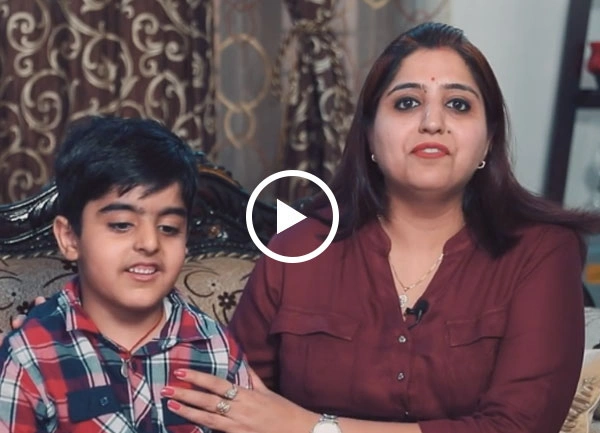
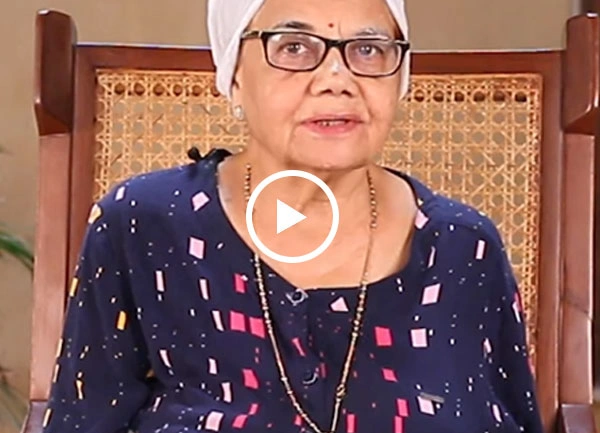
My health has improved a lot after taking treatment from Dr Pushpendra Shukla Sir at Jiva Ayurveda Noida My Vitiligo,Gas,Acidity,Constipation and Knee pain are much better now,Thank You Dr Shukla Sir for your kind support and effective treatment.
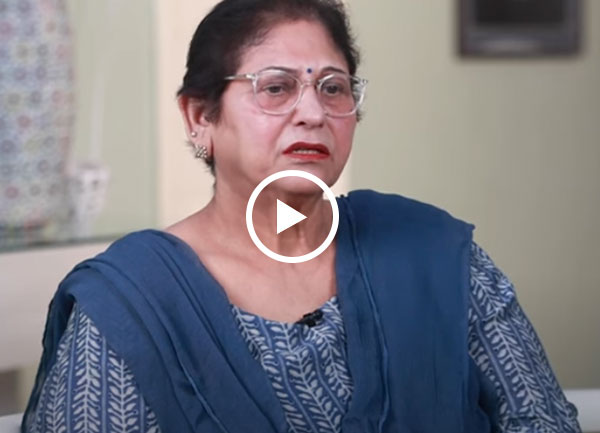
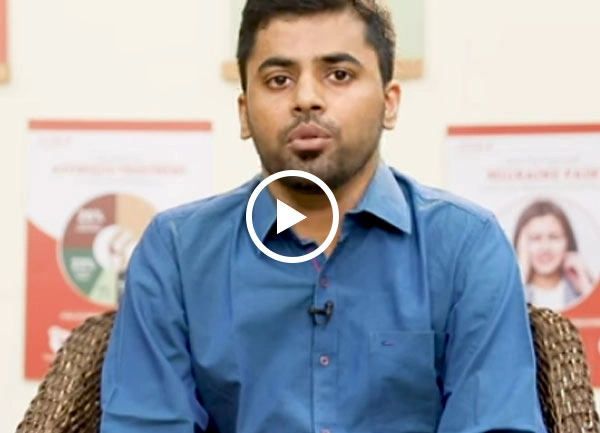
I have been undergoing treatment for vitiligo six months and have been 80% improvement.i had not expected this.but I feel much better after consulting jiva
Thanku
Patient Success Stories
Vitiligo Symptoms
Personalised Ayurvedic Medicines And Herbs
At Jiva Ayurveda, the doctor may recommend specific herbs or formulations to support skin relaxation, manage stress and anxiety, and promote better skin. Some commonly used Ayurvedic herbs include:
Bakuchi (Psoralea Corylifolia): The classical herb for Shvitra (vitiligo), traditionally used to support repigmentation. It can make skin sensitive to sunlight and cause burns or blisters. Use only under a doctor's supervision; never self-apply with sun exposure.
Khadir (Acacia Catechu): Khadir is believed to reduce white patches and improve skin appearance. It functions mainly by purifying the blood and by detoxifying the skin.
Jatamansi (Nardostachys Jatamansi root): This herb is known in Ayurveda for its nerve-soothing effects, reducing stress and improving skin health.
Chitrak (Plumbago Zeylanica Root): Chitrak is used for its digestive and anti-inflammatory properties, which can help correct digestive issues related to skin conditions.
Amalaki (Emblica Officinalis): Amalaki is a rich source of Vitamin C that strengthens immunity and revitalises the skin, aiding in the repair of depigmented areas.
Manjistha (Rubia Cordifolia): A blood-purifying herb used in skin conditions such as vitiligo, eczema, and psoriasis.
Neem (Azadirachta Indica): Neem is used to treat Vitiligo because of its antioxidant and immune-modulating qualities that protect and stimulate melanocytes (cells that produce skin pigment).
Haritaki (Terminalia Chebula): Haritaki is believed to remove toxins from the body that damage melanocytes and support skin health.
Giloy (Tinospora Cordifolia): Giloy can help improve immunity and protect melanocytes from further damage from autoimmune responses.
Turmeric (Curcuma Longa): Used in Ayurvedic skin care for its anti-inflammatory properties.
Ginger: Ginger is used in Ayurveda to improve circulation and encourage skin renewal, which can help restore the skin's natural colour.
Triphala: Triphala, a blend of three fruits, helps with digestion and detoxification, which are important for healthy skin and for treating skin conditions such as Vitiligo.
These herbs should always be taken under proper professional guidance, as self-medicating and overdosing can cause severe side effects.
A Balanced Diet Plan
A balance diet can support overall health and provide the nutrition needed for normal skin function. No specific diet has been found to cure vitiligo or restore lost pigmentation. Jiva Ayurveda recommends the following dietary habits based on individual needs:
Include antioxidant-rich foods such as seasonal fruits and vegetables, for example, amla, guava, carrots, spinach, and broccoli, in your meals
Include Vitamin B12 sources such as milk, curd, paneer, and other suitable foods in your diet, if tolerated.
Get enough Vitamin D, as it is good for skin.
Include protein-rich foods such as dal, whole grains, chickpeas, paneer, tofu, and nuts to support normal tissue maintenance.
Drink enough fluids throughout the day to maintain normal body function.
Lifestyle Modifications
Small changes in daily habits can help you maintain a healthy skin routine and manage day-to-day vitiligo challenges. Some useful lifestyle modifications include:
Use sunscreen, wear protective clothing, and avoid excessive skin exposure, as depigmented skin can burn more easily.
Practice yoga, meditation, deep breathing, or other relaxing activities to support emotional well-being.
Maintain a regular sleep schedule and get at least 7 to 8 hours of sleep.
Use gentle cleansers and moisturizers to prevent dryness and irritation. Avoid harsh products or unverified herbal treatments.
Use protective gloves and clothing when handling chemicals or products that may irritate the skin.
Regular Follow-ups
Regular follow-ups are an important part of vitiligo management, as the condition can change over time. Based on these observations, the doctors may modify the Ayurvedic medicine, dietary recommendations, or lifestyle guidance as needed. Periodic consultations help the doctor review the patient's response to the personalized care plan, assess any changes in existing white patches, and note the appearance of new patches. Consistent follow-ups help support long-term skin health.
Looking For Personalised Ayurvedic Support For Vitiligo
Book a consultation at +91 9266714040 to discuss your vitiligo symptoms, skin sensitivity, skincare habits, and treatment options. A personal life plan should consider your overall health and any medicines you already take.
Panchkarma Ayurvedic Therapies For Vitiligo
At Jiva, the doctors may recommend Panchakarma therapy such as Virechana, according to the patient’s skin condition. It helps remove accumulated toxins, restore dosha balance, and improve digestion, which directly improves skin health. It supports internal cleansing and skin recovery by creating a healthier environment.
Your Vitiligo Care Journey At Jiva Ayurveda
Step 1: Speak to a Jiva Ayurveda Doctor
Book a clinic or video consultation by calling +91 9266714040, depending on availability and your medical needs. Tell the doctor about your vitiligo and skin history, symptoms, and current treatment.
Step 2: Share Your Medical Reports
Share all the medical reports of your condition. Also share the names of the medicines you are taking.
Step 3: Get a Personalised Care Plan
Your doctor may suggest suitable Ayurvedic support, dietary changes, exercise, and lifestyle recommendations according to your health condition.
Step 4: Follow the Plan and Monitor Your Sugar
Follow the recommended routine and keep a simple record of your progress to discuss during the next consultation.
Step 5: Review Your Progress
During follow-ups, your doctor can review your reports, discuss any difficulties, and make suitable changes to your supportive care plan.
Vitiligo management needs time, and regular monitoring remains important.
Which Tests Are Important During Vitiligo Treatment?
Is usually diagnosis through a clinical examination of the skin. There is no single blood test that can confirm the condition; however, these tests help identify associated conditions, nutritional deficiencies, or possible health concerns. The tests may include:
Wood Lamp Examination
A dermatologist uses ultraviolet light to examine the skin. It helps identify areas of pigmentation loss and distinguish vitiligo from other skin conditions.
Blood Tests
Blood tests help identify other autoimmune diseases.
Eye Examination
It is used to check for uveitis, a form of eye inflammation that sometimes occurs with vitiligo.
Skin Biopsy
It is rarely required, but considered when the diagnosis is unclear. In a skin biopsy, a small skin sample is taken to examine under a microscope. The tissue is examined for missing melanocytes, which are seen in deep pigmentation.
Red Flags To Watch Out For
Vitiligo is generally painless and does not cause serious physical discomfort. However, certain skin changes should not be ignored. Seek immediate care if you notice:
Rapid spread of white patches.
Premature hair whitening or loss of hair color.
Eye pain, blurred vision, or eyesight changes.
Skin irritation or blistering, especially after sun exposure.
Persistent anxiety, low mood, or social distress due to changes in skin appearance.
Estimated Cost Of Treatment For Vitiligo At Jiva Ayurveda
Knowing how much your treatment will cost is important. At Jiva Ayurveda, we keep our pricing clear and upfront so you can choose the right plan for your health according to your needs.
Treatment Cost
If you are looking for regular, ongoing support, the starting cost for your medicines and doctor's consultation is usually between Rs 3000 and Rs 3500/Month. Just keep in mind that this is just the baseline cost; the real cost may vary depending on the severity of the disease.
Protocol
For a deeper step-by-step approach, we offer specific healing packages that last for 3 to 4 months. You make a one-time payment ranging from Rs 15000 to Rs 40000 for the entire period.
The package includes:
All medicines and doctor visits
Hands-on physical therapy
Customised diet plans, yoga and meditation therapies
Mental well-being support sessions
Why Should You Choose Jiva Ayurveda?
Jiva Ayurveda provides customised and root-based Ayurvedic treatment that is primarily focused on providing health and wellness solutions for specific patients.
Patient-specific treatment: Jiva’s therapies and treatments are structured by professional doctors according to each patient’s unique prakriti, diet, and lifestyle.
Root-based treatment: Jiva focuses on the specific root cause of the health condition or disease rather than focusing only on medicines, with an emphasis on addressing underlying factors.
Authentic Ayurvedic medicines: Jiva provides authentic Ayurvedic medicines; we follow strict quality parameters to ensure safety and effectiveness.
Protocol-based analysis: We follow research-backed clinical methods to provide structured assistance to our patients.
Assist 8000+ patients every day: Jiva's doctors are specialised in a wide range of Ayurvedic healthcare, and every single day, we assist more than 8000 people.
Vitiligo spreads when the immune system mistakenly attacks healthy melanocytes. Stress, skin trauma, and chemical exposure can also cause it to spread.
Ayurveda can help control and even reduce Vitiligo symptoms with herbal treatments and lifestyle changes, if taken consistently.
The rate of Vitiligo spreading varies widely. Some people experience rapid spreading, and others take months or years before they notice spreading.
No, Vitiligo isn't contagious. You can not catch it from anybody else.
Yes, Ayurveda says a healthy diet devoid of artificial additives and excessive sour foods may help manage Vitiligo.
In Ayurveda, Vitiligo is diagnosed after a physical examination and assessment of dosha imbalance. The Ayurvedic practitioner may also consider family medical history.
Yes, children can develop Vitiligo, often developing symptoms before the age of 10.
Moderate sunlight is good because it stimulates the skin's pigment cells. But overexposure may damage depigmented patches, leading to sunburn.
Yoga, controlling stress, and maintaining skin hygiene are suggested to aid treatment and prevent further worsening of the condition.
Yes, herbal pastes made from turmeric and mustard oil, and other medicated oils can help ease the symptoms of Vitiligo.
By balancing the body’s energy system and boosting skin health, Ayurvedic treatments can help manage Vitiligo symptoms and prevent further spreading.
Find Jiva Ayurveda Clinics for Vitiligo Treatment Near You

 Published on 01 Jan, 1970
 Updated on 06 Nov, 2026