
Successful Treatments
Clinics
Doctors
Ayurvedic Treatment for Psoriasis
 Published on 13 Apr, 2020
 Updated on 07 Oct, 2026

Psoriasis can be physically uncomfortable and emotionally distressing, affecting not just the skin but overall quality of life. It affects about 0.5% - 3% of the global population, which has a huge impact on the patient's physical and psychological life. Frequent flare-ups, red patches, and itching can affect the daily life of individuals. This condition requires patience, management, and a supportive care approach that focuses on long-term balance and the overall well-being of an individual.
Understanding Psoriasis
Psoriasis is a chronic skin condition in which your immune system mistakenly speeds up the growth of new skin cells. Normally, skin cells take weeks to grow and naturally fall off. With psoriasis, this process happens in just a few days. These extra cells quickly pile up on the surface, creating thick, red, and intensely thick skin patches. These thick patches are usually seen on the elbows, hands, scalp, and nails.
The Ayurvedic View
In Ayurveda, this problem is named Ekakushta, a deep internal imbalance that actually starts in your stomach and eventually pushes into your skin. To understand how this happens, look at the following Ayurvedic concepts:
Agni Dushti & Ama: When our digestive fire, Agni, is weak, food is not properly digested in the body, which creates sticky, toxic waste, Ama, which circulates in the body and settles into the skin tissues.
Tridosha Imbalance: We have three doshas in our bodies: Vata. Pitta and Kapha, which are the main functional energies of the body. Excess Vata causes dry, rough, and flaky scales. High Pitta creates burning heat, inflammation, and redness. Imbalanced Kapha causes the affected skin to become very thick and intensely itchy.
Rasa & Rakta Dhatu: The sticky waste, Ama, does not only stay in our stomach. It travels through our body and deeply pollutes your Rasa (nutrient fluids) and your Rakta (blood).
Who May Be Affected
Psoriasis can affect the following people:
Age of Onset: It can begin at any age, but usually it is seen in people with ages of 20-30 years and 50-60 years. Certain types, such as guttate psoriasis, are usually seen in children.
Sex: Men and women both can be affected by this.
Genetics: If someone has psoriasis in the family, there may be some chance of getting diagnosed with this disease.
Smoking & Alcohol Consumption: Regular consumption of tobacco and alcohol may increase the risk of early onset of psoriasis or increase inflammation in the body, making the condition worse.
Lifestyle & Dietary Habits: Higher levels of stress, uneven sleep patterns, physical inactivity, and bad food habits may also cause psoriasis in a person.
Psoriasis Symptoms
Red Patches of Skin
These are usually covered with thick, silvery scales. The patches may be small or large and are found mainly on the scalp, elbows, knees and lower back.
Dry, Cracked Skin
Skin may bleed when it becomes too dry. This cracking can be painful and sometimes causes an infection, if not treated.
Itching, Burning or Soreness
Affected areas may be itchy or sore during flare-ups. Many people also report a burning sensation.
Thickened, Pitted or Ridged Nails
Fingernails and toenails may become thick, pitted or ridged with Psoriasis and nails may separate from the nail bed.
Swollen/Stiff Joints
With Psoriatic Arthritis, joints may become swollen, painful and stiff, making movement difficult.
Scaling Spots
Commonly seen in children, these small scaling spots somewhat differ from the adult scales.
Plaque
Among the most characteristic signs of plaque Psoriasis are thick, tough areas of skin which can crack and bleed.
Main Symptoms And Patterns
As we discussed, psoriasis is known as Kushtha Roga in Ayurveda, with symptoms that are related to Kitibha Kushtha or Eka Kushtha.
It causes Shyava (blackish, brownish skin or reddish patches on the skin), Kandu (persistent and intense itching), Kina Khara Sparsha (makes skin rough, hard, and thickened to the touch), Raga and Matsyashakalopama (redness accompanied by silvery-white scales), and daha (soreness and burning sensation in the flared areas).
In the early stage, the symptoms may be mild and may cause less discomfort, but if not managed and treated on time, the symptoms may become worse and start affecting the overall health and life of an individual.
Types of Psoriasis
Psoriasis can have different types that may affect different parts of the body. Each type has its own symptoms and causes:
Plaque Psoriasis: It is a chronic inflammatory condition that causes raised, inflamed, scaly patches called plaques on a person.
Guttate Psoriasis: It's an acute, non-contagious condtion that causes many small, teardrop-shaped scaly spots on the arms, torso, and legs.
Scalp Psoriasis: As the name says, this is psoriasis that causes raised, reddish or purplish patches and silvery-white or gray scales on the scalp of a person.
Nail Psoriasis: It is an autoimmune condition that causes discoloration, structural changes, and pitting in the nails of the fingers.
Palmoplantar Psoriasis: This is basically linked to the hands and feet of a person. Thick, dry, scaly plaques, painful fissures, or sterile pustules can be seen on the palms and soles of the feet.
Genital Psoriasis: It is a chronic, non-contagious condition that can cause smooth, red, or discolored patches and severe itching on or around the genitals in a person.
Inverse Psoriasis: It's an immune-mediated skin condition that occurs in the inner parts of the body.
Pustular Psoriasis: It causes painful, red skin topped with sterile pustules and bumps filled with bumps.
Erythrodermic Psoriasis: It is rare yet a very serious and life-threatening condition that causes severe scaling and peeling across 75% to 90% or more of the body's surface area.
Causes And Risk Factors
Psoriasis happens when there is an immune malfunction that makes skin cells grow much faster than they should. We have white blood cells in our body, known as T-cells, which help prevent our body from getting sick. When something goes wrong in our body, these cells stay to protect us by attacking the bacteria. This attack causes the body to make new cells, and these extra skin cells that pile up are what we call psoriasis.
This condition is also said to be genetic; if someone has this family history, there is a chance that the new generation may also get it. Apart from that, it is triggered by many factors such as medication, tobacco, stress, skin injury, weather conditions, alcohol, and any type of skin condition.
How Is It Diagnosed?
Both modern medicine and Ayurvedic treatment diagnose psoriasis accordingly, which includes the following:
How Does Modern Medicine Diagnose Psoriasis?
Physical Examination: A doctor will perform a physical examination where they will look at your skin to see if there are red, raised patches covered with silvery-white scales, usually found on the elbows, hands, knees, or scalp. They will also look at the pattern and will ask you questions related to how often they hurt or cause itching or irritation.
Medical History: The doctor will ask about your symptoms, family history, or any sort of autoimmune and skin conditions. They will also ask about your health, if you have any other diseases, or if you are taking any specific medications.
Skin Biopsy: It's a minor medical procedure in which a doctor takes a small skin sample to check it under a microscope for conditions like eczema or psoriasis.
How Does Ayurveda Diagnose Psoriasis?
Along with the doctor's diagnosis, an Ayurvedic check-up depends on certain tests. It also looks at your whole life, not just your symptoms:
- Prakriti & Vikriti: This is done to check which of the internal energies (Vata, Pitta, and Kapha), prakriti, is imbalanced to better understand the disease and its root cause. Vikriti is the current imbalance in the body, which specific dosha is aggravated and causing flare-ups in the body.
- Nadi Pariksha (Pulse Reading): By gently pressing a finger on your wrist, an expert will feel the rhythm of your pulse to see hidden details about your internal health, blocked energy, and stress levels
- Agni and Ama: If your daily digestion is weak, your food does not process properly. This creates thick, toxic waste in the body, Ama, that travels through your body and pushes down to your skin.
- Srotas (Internal Channels): Your body has millions of pathways that are supposed to clear out. The Ayurvedic practitioner will check which srotoes are blocked inside your body.
Apart from these, an Ayurvedic practitioner may also do physical and medical examinations and skin assessment or other related tests to know the big picture and treat the problem accordingly.
Complications If Left Untreated
Psoriasis is not just limited to a skin problem; if ignored and not treated on time, it can lead to many other issues, which can be more painful and uncomfortable:
- Psoriatic Arthritis: If left untreated, it can cause chronic joint pain, swelling, irreversible joint deformity, reduced mobility, and long-term disability in a person.
- Heart Disease: It can increase the risk of heart conditions by increasing your cholesterol level and blood pressure, leading to heart attack and stroke.
- Diabetes: If a person has inflammation for a long time, then it may increase insulin levels in a person, leading to conditions like type 2 diabetes.
- Mental Health: Psoriasis is a type of illness that usually affects the everyday life of a person, which can cause depression, anxiety, and even social isolation.
- Eye Complication: Chronic inflammation may also lead to uveitis, an eye disease that causes blurred vision, redness, light sensitivity in your vision, and pain.
Along with that, it can also spread all over the body; hence, it requires proper treatment and management.
Patient Testimonial – Rajesh
“ I was suffering from psoriasis for a long time, and the itching and dry patches on my skin were very uncomfortable. I tried several allopathic treatments, but the results were not very satisfying, and the problem kept coming back.
Then I decided to try Ayurvedic treatment at Jiva Ayurveda. The doctors explained the condition in detail and started a personalised treatment plan with Ayurvedic medicines and lifestyle guidance. After following the treatment for some time, I started noticing improvement. The itching reduced, and my skin condition became much better."
Red Flags To Watch Out For
Psoriasis can be frustrating, but many warning signs must not be ignored and require urgent medical care:
- If you have red patches of skin covered with thick, silvery scales.
- If you experience severe itching, burning, or pain in the affected areas.
- If your skin starts bleeding and does not heal even after proper care.
- If the patches start spreading to other areas of the body.
- If you also have joint pain, stiffness, or swelling along with skin symptoms.
- If the psoriasis symptoms don't let you do your day-to-day activities.
- If you have no improvement even after using over-the-counter creams or home remedies.
Early medical advice can help manage symptoms effectively and prevent the condition from worsening.
Treatment And Self-Care Overview
Healing psoriasis is not just about relying on doctor visits and medicines: it requires a gentle, everyday partnership with your own body. A good treatment plan perfectly combines deep internal healing with dedicated daily self-care. On the other hand, Ayurvedic treatments work slowly to flush out heavy toxins, calm your irritated immune system, and bring your energy back into balance. Your doctor might suggest cooling herbal medicines, blood-purifying tonics, or specialized detox therapies to stop the intense itching and redness at its root.
However, what you do at home is just as important. Daily self-care means protecting your sensitive skin from harsh soaps and extreme weather. You should take short, lukewarm showers instead of hot baths and always lock in moisture by applying a thick, natural cream or soothing Ayurvedic oil immediately after gently patting your skin dry. It also means actively managing your stress because mental tension is a massive trigger for sudden skin flare-ups. By blending professional guidance with soft, patient home care, you give your skin the perfect environment it needs to rest and clear.
Ayurvedic Support
When dealing with psoriasis, it is very easy to look for a quick fix or a magic cream that makes the itchy patches disappear overnight. While Ayurveda offers deep, long-lasting relief, it is important to understand that it requires patience, consistency, and strict discipline. Ayurveda support includes the following:
Panchkarma Therapy
It is a set of five therapeutic procedures that help in detoxifying and bringing balance in the doshas. It has Vamana, which involves controlled vomiting to expel toxins from the body; Virechchana, effective in removing toxins from the liver; Basti, a medicated enema, administration of the herbal decoction or oils into the rectum; and Raktamoshna, bloodletting or leech therapy for cleansing the blood.
Herbal Treatments
Ayurvedic herbal treatment uses certain herbs which focus on internal healing and balancing the doshas. It uses Neem, which helps in detoxifying the blood; Turmeric, which helps in reducing inflammation and irritation; Manjishta, which helps in pitta and kapha in the body; Guggulu, which helps in reducing joint pain associated with psoriatic arthritis; Aloe vera, which helps in relieving itching, dryness, and roughness.
External Medications & Therapies
External therapies in Ayurveda are used to soothe the inflamed skin, reduce the itching, and promote healing. Therapies like Tarkdhara involve medicated buttermilk being poured over the patient's body. Lepa, an herbal paste, is applied to the affected area of the individual; Taila, external oils; Takra Lepa, a paste made from takra and buttermilk, butternmilk is used. All these therapies help in calming the inflammation, itching, and irritation caused by psoriasis in an individual.
Dietary & Lifestyle Recommendations
Ayurveda recommends a strong and warm diet for balancing doshas in the body. It suggests avoiding cold, dry, and processed food as they increase nerve stiffness. Instead, warm, freshly cooked, and easily digestible food is suggested. Nourishing soups, cooked root vegetables, and healing spices like ginger naturally help in clearing blockages and deeply nourishing the body. Certain lifestyle changes such as managing stress, exercising, avoiding alcohol or tobacco, and sleeping properly are recommended.
How We Assess Psoriasis Patients at Jiva Ayurveda
At Jiva Ayurveda, our team starts with an evaluation to identify the root cause of the concern. This includes:
- Your current skin conditions, such as redness, scaliness, itchy sensations, dryness, and flare-ups.
- Your medical history and past treatments for psoriasis.
- Your dietary and lifestyle habits that may be contributing to psoriasis.
- Stress levels, sleep patterns, and digestion, which, in Ayurvedic terms, may contribute to psoriasis.
- Any other conditions or medications that you may be taking.
This helps our doctors design a treatment plan that is specifically designed to meet your needs and provide overall well-being.
Our Step-by-Step Care Process
When you come to Jiva Ayurveda, we want your healing journey to feel simple, personal, and completely stress-free. Here is exactly what you can expect when you start your treatment with us:
- Get In Touch: Leave your details with us or just give us a call directly on +91 9266714040.
- Book Your Slot: Meet our doctors at your convenience by visiting one of our 80+ clinics nationwide, or booking a video call for just Rs. 49 (down from 299).
- Finding the root cause: Our doctors assess the factors contributing to your condition, including the arthritis type, medical history, lifestyle, and Ayurvedic assessment.
- Personalised treatment plan: After understanding your problem, we will make a personalised treatment plan that will be tailored just for you.
- We Stay With You: The process is not just about prescribing medicines. We stay in touch with you to see how you are doing and adjust your treatment regimen accordingly.
Estimated Cost of Treatment for Arthritis at Jiva Ayurveda
Knowing how much your treatment will cost is important. At Jiva Ayurveda, we keep our pricing clear and upfront so you can choose the right plan for your health according to your needs.
Treatment Cost
If you are looking for regular, ongoing support, the starting cost for your medicines and doctor's consultation is usually between Rs 3000 and Rs 3500. Just keep in mind that this is just the baseline cost; the real cost may vary depending on the severity of the disease.
Protocol
For a deeper step-by-step approach, we offer specific healing packages that last for 3 to 4 months. You make a one-time payment ranging from Rs 15000 to Rs 40000 for the entire period.
The package includes:
- All medicines and doctor visits
- Hands-on physical therapy
- Customised diet plans, yoga and meditation therapies
- Mental well-being support sessions
Why Should You Choose Jiva Ayurveda?
Jiva Ayurveda provides customised and root-based Ayurvedic treatment that is primarily focused on providing health and wellness solutions for specific patients.
- Patient-specific treatment: Jiva’s therapies and treatments are structured by professional doctors according to each patient’s unique prakriti, diet, and lifestyle.
- Root-based treatment: Jiva focuses on the specific root cause of the health condition or disease rather than focusing only on medicines, with an emphasis on addressing underlying factors.
- Authentic Ayurvedic medicines: Jiva provides authentic Ayurvedic medicines; we follow strict quality parameters to ensure safety and effectiveness.
- Protocol-based analysis: We follow research-backed clinical methods to provide structured assistance to our patients.
- Assist 8000+ patients every day: Jiva's doctors are specialised in a wide range of Ayurvedic healthcare, and every single day, we assist more than 8000 people.
Explore The Psoriasis Topic Hubs
To help you better understand your psoriasis recovery journey, explore the sections below to find detailed, practical solutions for every part of your daily experience:
Types of Psoriasis: In this section, we will cover all the types of psoriasis, their symptoms AND patterns in depth. This will give the reader a better understanding and approach, and also help in identifying the specific type he has.
Psoriasis by Body Area: This section covers psoriasis that happens in a particular body part. This will give a vast understanding to the reader.
Psoriasis Symptoms and Flare Management: In this section, you will learn about all the classic symptoms of psoriasis in depth. Along with this, a proper guide will be discussed on flare management.
Psoriasis Causes, Triggers and Look-Alikes: All the reasons and triggers, along with look-alikes, will be discussed in this section. If you have any disease, the reason or cause must be known to you so that it can help in deep and internal healing.
Psoriasis Diet and Lifestyle: A proper diet chart and certain lifestyle habits will be discussed in this section for better management and treatment of the disease.
Psoriatic Arthritis and Related Health Risks: In this section, how psoriasis causes arthritis and other health-related risks will be discussed in depth. Also, management and prevention tips will also be discussed.
Psoriasis Treatment, Skin Care and Ayurvedic Support: A proper treatment plan, a skin care guide, and how Ayurveda supports managing psoriasis will be discussed in this section.
References
Complications of psoriasis: clinicopathology, screening, and management - PMC
Safe and effective management of psoriasis through Ayurveda: A case report - PMC
Psoriasis Symptoms, Causes, & Risk Factors | NIAMS
FAQs
Ayurvedic treatment usually takes time because it focuses on treating the root cause, not just the symptoms. Some people may see improvement within a few weeks, while for others it may take a few months. The duration depends on the severity of the condition and how well the person follows the treatment plan.
Ayurvedic treatment can be safe for children when given under proper medical guidance. The medicines and dosage are adjusted according to the child’s age and body type. It is always important to consult a qualified Ayurvedic doctor before starting any treatment.
Psoriasis is a long-term condition, and results can vary from person to person. Ayurveda aims to control symptoms, reduce flare-ups, and improve overall balance in the body. While some people experience long periods without symptoms, regular care and lifestyle management are usually needed to keep it under control.
Flare-ups can be triggered by stress, infections, cold weather, skin injuries, or certain medicines. Smoking and drinking too much alcohol can also make symptoms worse. Triggers can be different for each person.
Yes, a healthy and balanced diet can support better skin health. Eating fresh foods and avoiding very oily, processed, or spicy foods may help reduce flare-ups. Drinking enough water is also important.
Eczema usually causes very itchy, dry, and inflamed skin. The patches may look red and can sometimes ooze or crust. Psoriasis, on the other hand, often causes thick, red patches covered with silvery scales. Itching may be present, but the skin is usually thicker and more clearly defined than in eczema.
Psoriasis is not contagious, so it cannot spread from one person to another. However, on the same person’s body, patches can increase or spread if the condition is not managed properly or if triggers are present.
Psoriasis is a chronic condition, which means it can last for a long time. It may improve for a period and then flare up again. While it may not always go away completely, proper care and treatment can help keep it under control.
Yes, psoriasis can return because it is a long-term condition. However, proper treatment and healthy lifestyle habits can help keep it under control and reduce flare-ups.
Psoriasis is a long-term condition, so treatment usually takes time. Some people notice improvement within a few weeks, while others may need a few months to see clear results. The time depends on how severe the condition is and how well the treatment plan is followed.
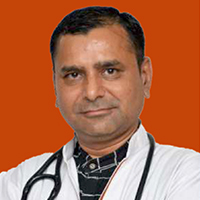
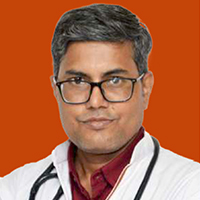
Consult Experienced Ayurveda Doctors for Psoriasis



Our Happy Patients
-
 Sunita Malik - Knee Pain
 -
 Abhishek Mal - Diabetes
 -
 Vidit Aggarwal - Psoriasis
 -
 Shanti - Sleeping Disorder
 -
 Ranjana - Arthritis
 -
 Jyoti - Migraine
 -
 Renu Lamba - Diabetes
 -
 Kamla Singh - Bulging Disc
 -
 Rajesh Kumar - Psoriasis
 -
 Dhruv Dutta - Diabetes
 -
 Atharva - Respiratory Disease
 -
 Amey - Skin Problem
 -
 Asha - Joint Problem
 -
 Sanjeeta - Joint Pain
 -
 A B Mukherjee - Acidity
 -
 Deepak Sharma - Lower Back Pain
 -
 Vyjayanti - Pcod
 -
 Sunil Singh - Thyroid
 -
 Sarla Gupta - Post Surgery Challenges
 -
 Syed Masood Ahmed - Osteoarthritis & Bp
Blogs
- क्या त्वचा पर मोटी, सफ़ेद पपड़ी बनना Psoriasis का शुरुआती संकेत है? आयुर्वेदिक दृष्टि से समझें
- क्या ठंड बढ़ते ही त्वचा फटना, लाल धब्बे और खुजली Psoriasis को ट्रिगर करते हैं? आयुर्वेद की नज़र से जानें
- क्या तनाव बढ़ते ही त्वचा पर अचानक flare-up होना Psoriasis का क्लासिक पैटर्न है? आयुर्वेदिक कारण समझें
- क्या सिर की त्वचा पर लगातार पपड़ी गिरना Dandruff नहीं—Scalp Psoriasis का लक्षण हो सकता है? आयुर्वेदिक संकेत देखें
- क्या घुटनों, कोहनियों और पीठ पर मोटे patches बनना Psoriasis का विशिष्ट लक्षण है? आयुर्वेदिक व्याख्या जानें
- क्या बार-बार त्वचा को मॉइस्चराइज़ करने पर भी सूखापन और जलन कम नहीं होती? Psoriasis को आयुर्वेद की नज़र से समझें
- क्या गर्मी और मसालेदार भोजन आपके Psoriasis को तुरंत flare-up करते हैं? आयुर्वेदिक कारण जानें
- क्या बार-बार स्टेरॉइड क्रीम लगाए बिना राहत नहीं मिलती? Psoriasis में मूल कारण कैसे समझता है आयुर्वेद—जानें
- क्या सोरायसिस में त्वचा के साथ-साथ जोड़ों में दर्द (Psoriatic Arthritis) भी शुरू हो सकता है? आयुर्वेदिक दृष्टि से संकेत देखें
- 28-Year-Old की Struggle: Skin Problems से लेकर Psoriasis Relief तक की Ayurvedic Journey
Home Remedies
- रूखे और बेजान बालों का आयुर्वेदिक इलाज और मुफ़्त परामर्श
- पिगमेंटेशन का इलाज - घरेलू नुस्खे और मुफ़्त परामर्श
- फंगल इंफेक्शन का इलाज - घरेलू नुस्खे और मुफ़्त परामर्श
- चेहरे की टैनिंग हटाने के घरेलू उपाय - मुफ़्त परामर्श
- Scalp की खुजली का आयुर्वेदिक इलाज - मुफ़्त परामर्श
- क्या आपकी त्वचा बेजान हो गई है? ये आयुर्वेदिक नुस्खे देंगे नैचुरल ग्लो
- झड़ते बालों से परेशान? ये आयुर्वेदिक नुस्खे देंगे घने और मजबूत बाल
- पिंपल्स से छुटकारा पाना मुश्किल लग रहा है? आज़माएं ये असरदार घरेलू नुस्खे!
- क्या आप जानते हैं? इन देसी नुस्खों से डार्क सर्कल्स गायब हो सकते हैं
- डैंड्रफ का जड़ से इलाज – घर पर आजमाएं ये आसान नुस्खे
- Home Remedies for Open Pores
- Home Remedies for Glowing Skin
- Home Remedies For Itchy Scalp
- Home Remedies for Hair Fall
- Home Remedies for Dry Hair
- Home Remedies for Black Spots on Face
- Home Remedies for Hair Loss
- Home Remedies for Pigmentation
- Home Remedies for Face Tan
- Home Remedies for Fungal Infections
- Home Remedies for Dandruff
- Home Remedies for Pimples
- Home Remedies for Dark Circles
Related Disease
- Ayurvedic Treatment for Vitiligo
- Ayurvedic Treatment for Urticaria Hives
- Ayurvedic Treatment for Hair loss and Regrowth
- Ayurvedic Treatment for Dust Allergy
- Ayurvedic Treatment For Dandruff
- Ayurvedic Treatment for ringworm
- Ayurvedic Treatment for Eczema
- Ayurvedic Treatment for Psoriasis
- Ayurvedic Treatment for Acanthosis Nigricans
- Ayurvedic Treatment for Alopecia Areata
- Ayurvedic Treatment for Chicken Pox
- Ayurvedic Treatment for Folliculitis
- Ayurvedic Treatment for Athlete’s Foot
- Ayurvedic Treatment for Pityriasis Rosea
- Ayurvedic Treatment for Pemphigus Vulgaris
- Ayurvedic Treatment for Phlebitis
- Ayurvedic Treatment for Angioedema
- Get Ayurvedic Treatment For Impetigo
- Lichen Planus Treatment in Ayurveda
- Ayurvedic Treatment for Carbuncle
- Ayurvedic Treatment for Cellulitis
- Ayurvedic Treatment for Shingles
- Ayurvedic Treatment for Seborrheic Dermatitis
- Ayurvedic Treatment for Atopic Dermatitis
- Ayurvedic Treatment for Dermatitis
- Get Ayurvedic Treatment for Lipoma
- Ayurvedic Treatment for Keloids
- Ayurvedic Treatment For Xanthelasma
- Ayurvedic Treatment for Scabis
- Ayurvedic Treatment For Warts
- Ayurvedic Treatment For Dark Circles
- Ayurvedic Treatment For Hyperpigmentation
- Ayurvedic Treatment for Glowing Skin
- Ayurvedic Treatment For Fungal Infection
- Get Ayurvedic Treatment for Rosacea
- Get Ayurvedic Treatment for Contact Dermatitis
- Ayurvedic Treatment for Acne
- Ayurvedic Treatment for Leprosy
Latest Blogs
- Is Fasted Intense Exercise a Good Idea for Every Woman
- Health Tracking Every Hour: Helpful Awareness Or Another Source Of Stress?
- फोन देखते हुए चलना सिर्फ accident risk नहीं—posture और breathing पर क्या असर पड़ता है
- Bloating Before a Period: Why Lifestyle Can Change How It Feels
- बहुत जल्दी खाना खाने से पेट भरने का signal देर से क्यों मिलता है
- ‘No Added Sugar’ Doesn’t Automatically Mean Low Sugar—Here’s Why
- Online meetings के बीच zero movement दिन के अंत में stiffness क्यों बढ़ाता है?
- Screen brightness और late-night work sleep readiness को कैसे बदलते हैं
- Warm Vs Cold Foods: How To Discuss The Ayurvedic Idea Without Turning It Into A Myth
- Noise-cancelling headphones घंटों पहनना mental fatigue को कम करता है या बढ़ा सकता है?
- Sugar-Free Biscuits: Better Choice Or A Health Halo?
- Why a Long Afternoon Nap Can Make Bedtime Surprisingly Difficult
- Scrolling While Eating: The Habit That Makes Meals Harder to Remember
- The Forward-Head Posture You Don’t Notice Until Evening
- Are Seed Mixes Useful—Or Just Easy To Overeat?
- Laptop on the Sofa: Why Neck and Hip Stiffness Show Up Later
- Why Your Eyes Feel Tired Even When Screen Brightness Seems Fine
- Is A Standing Desk A Complete Fix For Too Much Sitting?
- Why a Damp Bathroom Can Affect More Than Just the Walls
- When ‘Resting’ Means Scrolling: Is Your Brain Actually Recovering?
Ayurvedic Doctor In Top Cities
- Ayurvedic Doctors in Bangalore
- Ayurvedic Doctors in Pune
- Ayurvedic Doctors in Delhi
- Ayurvedic Doctors in Hyderabad
- Ayurvedic Doctors in Indore
- Ayurvedic Doctors in Mumbai
- Ayurvedic Doctors in Lucknow
- Ayurvedic Doctors in Kolkata
- Ayurvedic Doctors in Patna
- Ayurvedic Doctors in Vadodara
- Ayurvedic Doctors in Ahmedabad
- Ayurvedic Doctors in Chandigarh
- Ayurvedic Doctors in Gurugaon
- Ayurvedic Doctors in Jaipur
- Ayurvedic Doctors in Kanpur
- Ayurvedic Doctors in Noida
- Ayurvedic Doctors in Ranchi
- Ayurvedic Doctors in Bhopal
- Ayurvedic Doctors in Ludhiana
- Ayurvedic Doctors in Dehradun