
Successful Treatments
Clinics
Doctors
Ayurvedic Treatment for Dermatitis
 Published on 09 Oct, 2026
 Updated on 09 Oct, 2026

Dermatitis is a common condition affecting the skin and is characterized by redness, itching, dryness, and irritation. It is a condition that can happen to anyone at any age and may manifest in the form of a rash, swelling, or flaky skin. Though modern medicine is able to offer treatment for the condition, Ayurvedic medicine considers dermatitis an internal imbalance in the body, which is reflected through the skin.
What Is Dermatitis?
Dermatitis is an inflammation of the skin that causes discomfort, itchiness, and alterations such as redness, swelling, dryness, or scales. The condition is non-infectious, but it can be a chronic one. The condition occurs when the skin reacts to internal upsets, allergens, or environmental factors, which weaken the skin’s natural defense mechanism.
Dermatitis can cause scales, oozing, cracks, or thickening of the affected area, depending on the type. If left unattended, repeated occurrences can make the affected area more sensitive and prone to infection.
What Are The Types of Dermatitis?
Dermatitis is a very common condition of the skin, usually accompanied by redness, itching, dryness, and irritation. It is usually caused by an imbalance in the body or exposure to an allergen, chemicals, or oil.
Atopic Dermatitis (Eczema): It is usually associated with allergies and sensitive skin. It usually occurs during childhood. It is accompanied by dry, itchy patches of skin.
Contact Dermatitis: It usually occurs when the skin comes into contact with soaps, detergents, cosmetics, perfumes, or chemicals. Redness, burning, and itching are usually accompanied by the appearance of a rash.
Seborrheic Dermatitis: It usually occurs in the scalp, face, and other areas of the body where oil is secreted. It is associated with oil production. It is usually accompanied by flaking, itching, and the formation of dandruff.
Allergic Dermatitis: It usually occurs when the immune system reacts to certain substances, like metals, fragrances, or certain types of skincare products. Swelling, redness, and intense itching are usually experienced.
What Are The Causes of Dermatitis?
Dermatitis is caused by a combination of internal conditions and external factors that affect the normal functioning of the skin's barrier layer.
- Allergic Reactions: Allergens such as pollen, dust, metals, and perfumes can cause allergic dermatitis. In addition, certain cosmetics can trigger allergic dermatitis.
- Irritants: Harsh soaps, detergents, chemicals, cosmetics, and environmental pollutants can cause dermatitis.
- Excess Oil Production: In some cases, oily skin can lead to fungal growth, causing seborrheic dermatitis.
- Weak Skin Barrier: Some people with dry or sensitive skin are more likely to develop allergic dermatitis.
- Immune System Response: In some cases, the immune system can react strongly to non-threatening substances, causing allergic dermatitis.
- Environmental Factors: Weather changes, humidity, cold winds, and environmental pollutants can increase the sensitivity of the skin.
- Stress: Emotional stress can trigger allergic dermatitis. Stress can affect the immune system and cause allergic dermatitis.
- Genetic Tendency: Allergic dermatitis can be caused by a family history of allergies, asthma, and eczema.
Signs & Symptoms of Dermatitis
Dermatitis tends to reveal its presence through changes in the skin and uncomfortable feelings. Identifying these symptoms early in the process can be useful in managing flare-ups and preventing the progression of the disease.
Common Symptoms of Dermatitis:
- Itching (Pruritus): Itching is the most common and earliest symptom of dermatitis. It can be a normal itching sensation or a severe itching problem that interferes with sleep and other activities.
- Redness and Inflammation: The affected areas of the skin appear red and inflamed. This occurs because of the reaction of the immune system to other irritants caused by allergens and other chemicals.
- Dry, Flaky, and Scaly Skin: The affected areas of the skin tend to dry out and flake. In severe cases of dermatitis, the flaky areas of the skin tend to develop a rough and scaly texture.
- Rashes and Bumps: Small bumps and rashes appear on the surface of the affected areas of the skin. These tend to ooze and develop a crust when scratched.
- Burning and Stinging Sensation: Some people tend to develop a burning and stinging sensation along with itching. This is a common symptom of the disease, when the skin tends to be scratched.
- Thickened and Cracked Skin: In severe cases of the disease, the affected areas of the skin tend to develop a leathery texture and start cracking.
Risk & Complications
Dermatitis may result in a series of complications if not treated properly. If the condition is not addressed, the constant itching may result in further complications such as infections. In addition, the constant itching may cause the person to scratch the affected area repeatedly. As a result, the skin may end up becoming thick, dry, or discolored. Repeated infections may also increase the sensitivity of the skin.
Apart from the above complications, untreated dermatitis may also result in complications such as sleep deprivation and low self-confidence. In addition, the condition may spread and increase in severity, thus becoming difficult to manage.
Diagnosis of Dermatitis
Modern Medical Diagnosis
- Medical history: Patient’s symptoms such as itching, redness, dryness, and possible exposure to allergens or irritants are asked by the doctor.
- Physical Examination: The skin is checked for rashes, inflammation, and dryness.
- Patch Test: This test helps to identify allergic reactions to particular substances.
- Additional Tests: Blood tests or skin biopsy may be conducted to rule out other conditions.
Ayurvedic Diagnosis
Dosha Assessment: Evaluation of Pitta and Kapha dosha, which are usually related to skin diseases.
- Nadi Pariksha (Pulse Diagnosis): This method helps to identify internal imbalances within the body.
- Observation of Symptoms: The physician observes the symptoms such as itching, redness, dryness, or swelling.
- Diet and Lifestyle Assessment: The physician tries to identify the diet, digestion, and lifestyle that might be responsible for the illness.
Symptoms
Itching
Itching is among the most common symptoms of Dermatitis, often severe and persistent, which makes you want to scratch the area constantly.
Redness
The skin might be more red than usual because of inflammation.
Dry Skin
Affected areas may be very dry and sometimes flaky with cracks in the skin.
Rashes
Rashes can appear in any size and show up anywhere on the body depending on the type of Dermatitis.
Blisters
Sometimes, small fluid-filled blisters may form that ooze and crust over if scratched.
Swelling
Inflammation may puff up certain areas of skin.
Burning Sensation
Some people feel a burning sensation on the affected skin.
Cracking
Extreme dryness can cause the skin to crack around joints such as elbows and knees.
Thickened Skin
The skin can become thick and leathery from Chronic Dermatitis (lichenification).
Pain
It can be quite hurtful when the skin cracks or blisters burst.
Ayurvedic Understanding of Dermatitis
Dermatitis, as described in Ayurveda, is not just an external problem but an indication of an imbalance in the inner self. It is mainly associated with an imbalance of Pitta, along with an imbalance of Vata and Kapha, depending upon the manifestation of the disease.
- When Pitta dosha is vitiated due to an improper diet, stress, or exposure to irritants, it leads to an increase in temperature in the body. This increase in temperature, or "heat," manifests as redness, itching, rashes, or burning sensations on the surface of the skin.
- Vata, in an imbalanced state, may cause dryness, roughness, cracks, or scales on the surface of the skin.
- Kapha, in an imbalanced state, may cause oozing, thickening of the skin, or discharge of sticky matter.
Another important point to be noted is the formation of Ama, or toxins, in the body. As described above, if the process of digestion is weakened, these toxins are formed in the bloodstream. These toxins then penetrate the tissues of the skin, or Twak Dhatu, causing irritation, itching, or other manifestations of dermatitis.
Dermatitis, as described in Ayurveda, is considered to be an imbalance of dosha, improper digestion, or an impurity in the blood tissue.
Ayurvedic Treatment for Dermatitis
Jiva Ayurveda’s approach to dermatitis treatment involves addressing the root causes, balancing aggravated doshas, and promoting natural skin healing from the inside out. In this approach, HACCP-certified Ayurvedic medicines made under rigorous quality standards are utilized.
Core Principles of Jiva’s Holistic Care Protocol
1. HACCP Certified Ayurvedic Medicines
Ayurvedic medicines developed by Jiva are specifically formulated to soothe irritation, purify blood, and aid natural skin healing.
- Skin Soothing & Healing Support: These medicines contain herbs like Neem and Manjistha that help purify blood, soothe irritation, reduce inflammation, and prevent frequent relapses.
- Anti-Inflammatory Properties: These medicines contain herbs like Turmeric and Guduchi that help calm down inflammation inside the body that causes dermatitis.
- Balancing Aggravated Doshas: These medicines also help to balance Pitta (inflammation, redness), Kapha (oozing, thickening of skin), and Vata (dryness, cracking of skin).
2. Detox & External Therapies
Ayurvedic therapies provided as part of this treatment protocol help to detoxify the body from the inside out.
- Raktashodhana: This helps to prevent relapse by removing toxins that cause skin flare-ups.
- Lepam (Herbal Applications): These natural herb-based topical creams or ointments, provided as part of this treatment protocol, soothe irritation, dryness, and itching.
- Medicated Oil Application: This helps to nourish the skin from the inside out.
3. Diet & Lifestyle (Ahara & Vihara)
Diet and daily habits also play a major role in preventing relapse and promoting natural skin healing.
- Diet: Eat cool, easy-to-digest food items like vegetables and grains.
- Dietary Supplements: Include spices like turmeric and coriander in your daily food.
- Avoid: Spicy, fried, or processed food that causes inflammation.
- Sleep: Get enough sleep to prevent relapse due to stress.
4. Mind-Body Support
Mental state also affects your body, and this treatment protocol helps to maintain a calm state of mind.
- Breathing Techniques: These natural relaxation techniques also help to maintain a state of calm.
- Meditation: This helps to maintain a state of overall well-being.
Ayurvedic Medicines for Dermatitis
Ayurveda provides various natural remedies for treating Dermatitis symptoms. These traditional medicines treat skin problems from the inside, balance the body’s energies, and detoxify to relieve inflammation and irritation. Adding these Ayurvedic medicines to your daily life can relieve Dermatitis symptoms naturally.
The following are Ayurvedic medicines used for treating different kinds of Dermatitis:
- Neem: Neem possesses anti-inflammatory and antibacterial properties, which help with skin infections and relieve irritation and itching from Dermatitis.
- Turmeric: Turmeric may be used orally or topically as a paste to cool irritated skin and heal rashes on the skin.
- Aloe Vera: Aloe Vera gel is soothing and moisturising, and is great for hydrating dry and itchy skin and healing wounds.
- Manjistha: This Ayurvedic herb is believed to purify the blood and eliminate toxins, which result in flare-ups of the condition. Manjistha is used topically and orally for better skin health.
- Kumkumadi Tailam: A luxurious oil made with saffron and other herbs, Kumkumadi Tailam improves skin texture and reduces pigmentation associated with Dermatitis.
- Triphala: Triphala is a potent antioxidant that cleanses the body and also improves skin health.
- Shatavari: Shatavari is a herb that cools Pitta dosha and soothes the skin during Dermatitis flares.
These herbal medicines should be taken only under the supervision of a qualified Ayurvedic practitioner to ensure safety and proper dosing according to individual needs.
Ayurvedic Therapies and Herbs for Dermatitis
In Ayurvedic medicine, dermatitis is related to an imbalance of Pitta and Kapha doshas. This results in inflammation, itchy sensations, redness, and irritation on the skin. The main aim of Ayurvedic treatment for dermatitis is to balance the doshas, purify the blood (Rakta Shodhana), and boost the immune system on the skin.
Ayurvedic Therapies
The following are the main Ayurvedic therapies used to treat dermatitis:
- Panchakarma Therapy
The main aim of this therapy is to purify the body by removing excess Pitta toxins. The therapy cleanses the blood and reduces chronic inflammation.
- Abhyanga (Herbal Oil Massage)
The massage with herbal oil, such as neem or coconut oil, helps to nourish the skin and reduce dryness and itchy sensations. The massage improves circulation and helps to repair the skin.
- Herbal Lepam (Topical Herbal Pastes)
Herbal pastes are prepared with herbal ingredients such as turmeric, sandalwood, or neem. These herbal pastes are then applied to the affected area on the skin. These herbal pastes reduce inflammation, redness, and irritation on the skin.
- Internal Herbal Formulations
Ayurvedic practitioners use herbal combinations to purify the blood and balance digestion. This is considered to be a key factor for healthy skin.
- Lifestyle and Diet Correction
Avoid the intake of spicy, oily, and processed food items that may worsen the condition of Pitta. Emphasise the consumption of cool and soothing items like cucumber, coconut water, and leafy vegetables.
Important Ayurvedic Herbs for Dermatitis
Neem (Azadirachta indica)
- Has antibacterial and anti-inflammatory properties.
- Helps reduce itching, infection, and irritation.
Turmeric (Haridra)
- Has the component curcumin that reduces inflammation and promotes healing.
- Has both internal and external uses.
Aloe Vera
- Sothes the irritated skin and moisturizes the dry skin.
- Helps in the healing of wounds and reduces inflammation.
Manjistha (Rubia cordifolia)
- Is known as a powerful blood purifier or Raktashodhaka.
- Helps remove toxins that cause inflammation.
Triphala
- Combination of three fruits that enhances digestion and detoxification.
- Helps maintain the health of the skin and reduces inflammation.
Shatavari
- Helps cool the aggravated Pitta and soothes the irritated skin.
Sandalwood (Chandana)
- Has a cool effect that reduces itching and burning.
- Healing Timeline with Ayurvedic Treatment
Estimated Cost of Treatment at Jiva Ayurveda
Understanding the financial investment required for your health is important. At Jiva Ayurveda, we make sure of transparency in our service costs, which allows you to choose the most suitable option for your medical needs.
Treatment Cost
For patients who seek standard, ongoing care, the Monthly Cost of Medicine and consultation typically ranges from Rs. 3,000 to Rs. 3,500.
Please note that this is an estimated baseline. The final cost depends on the exact nature and severity of the patient's condition.
Protocol
For a more comprehensive, structured approach, we offer specialized Package protocols.
These plans are designed to address both physical symptoms and the overall lifestyle
correction. The package includes:
- Medicine
- Consultation
- Mental Well-Being Sessions
- Yoga and Meditation
- Diet
The cost for this protocol involves a one-time payment ranging from Rs. 15,000 to Rs. 40,000, which covers the full 3 to 4-month duration of the treatment.
Jivagram
For patients requiring intensive and immersive care, our Jivagram centres offer the ultimate healing experience. Jivagram is a holistic sanctuary set in a peaceful, eco-friendly environment, and it provides:
- Authentic Panchakarma therapies
- Sattvic meals
- Modern healing services
- Comfortable accommodation
- Many more quality-of-life facilities
An immersive wellness stay at Jivagram costs around 1 Lakh for a 7-day duration, ensuring continuous personalised care to help reset your body and mind.
To explore all the health-related services and amenities we offer, please visit our dedicated
Page: https://jivagram.in/facilities-at-jivagram.html
When to Seek Medical Care
For a person suffering from mild forms of dermatitis, appropriate care and certain changes in their way of living can easily cure their illness. A person should seek medical care if their symptoms worsen over time. A person should consider consulting a professional if their affected areas of the skin are becoming increasingly red, swollen, painful, and oozing/crusting, as this could be a sign of an infection. Itching that interferes with sleep and other activities is another factor that requires a person to seek medical care.
If a person’s rash is spreading quickly, becoming worse, and affecting sensitive areas of their body, such as their face, hands, and genitals, they should consider consulting a professional as soon as possible in order to avoid further irritating their illness.
Ayurvedic vs Modern Management of Dermatitis
|
Aspect |
Ayurvedic Approach |
Modern Medical Approach |
|
Understanding of Disease |
Imbalance of doshas (mainly Pitta and Kapha) and accumulation of toxins in the blood |
Skin inflammation due to immune reaction, allergens, or genetic factors |
|
Treatment Goal |
Correct root cause and restore internal balance |
Control symptoms such as itching and inflammation |
|
Therapies Used |
Herbal medicines, Panchakarma detox, diet correction, and herbal oils |
Topical corticosteroids, antihistamines, and immunomodulators |
|
Focus of Treatment |
Holistic treatment, including digestion, immunity, and lifestyle |
Primarily focused on skin symptoms |
|
Long-Term Outcome |
Aims to prevent recurrence through lifestyle and dosha balance |
Symptoms are often controlled but may recur when treatment stops |
|
Side Effects |
Usually minimal when supervised by an Ayurvedic physician |
Possible side effects from prolonged steroid or immunosuppressant use |
Conditions We Commonly Support at Jiva Ayurveda (Dermatitis)
At Jiva Ayurveda, doctors commonly support patients who suffer from various symptoms of Dermatitis, which include:
- Itching and redness of the skin
- Dry, flaky, or cracked skin
- Skin rash or irritation
- Blisters or oozing lesions
- Burning sensation or swelling
- Thickening or roughening of skin
- Dermatitis resulting from allergic reactions, chemicals, weather, stress, or food
How We Assess Dermatitis at Jiva Ayurveda
At Jiva Ayurveda, our doctors assess and treat patients with Dermatitis symptoms uniquely, unlike allopathic doctors who only try to treat the symptoms and not the main causes of the disease. We assess and treat our patients in the following ways:
- Dosha Imbalance Analysis
Dermatitis is generally considered a disease resulting from an imbalance of Pitta and Kapha doshas in the human body.
- Prakriti (Body Constitution)
We analyse our patients’ normal constitution to provide a suitable treatment plan.
- Diet and Lifestyle Evaluation
Doctors also assess and analyse our patients’ diet, level of stress, and environmental conditions.
- Skin Condition Examination
Doctors also assess and analyse the severity of symptoms such as itching, dryness, redness, rash, and swelling.
- Medical & Family History
Doctors also analyse and assess our patients’ history of allergic reactions, asthma, eczema, or any other skin problems.
Why Patients Trust Jiva Ayurveda
Over the years, Jiva Ayurveda has gained the trust of thousands of patients who are seeking natural and personalised healthcare solutions. Some of the key reasons for patients’ trust in Jiva Ayurveda:
- Root-Cause Based Treatment
Unlike conventional treatments that only treat the symptoms of diseases, Ayurvedic treatment focuses on treating the root causes of diseases and correcting the underlying imbalance in the body that leads to diseases.
- Experienced Ayurvedic Doctors
Jiva Ayurveda boasts of having a huge team of experienced Ayurvedic doctors who thoroughly examine each patient’s condition before recommending treatment for diseases.
- Personalised “Ayunique” Treatment Approach
Ayurvedic treatment is highly personalised and customised according to each individual’s prakriti and lifestyle.
- Holistic Healing
Ayurvedic treatment is not limited to medicines but also includes dietary and lifestyle modifications, breathing techniques, and stress management techniques for overall healing of the body and mind.
- Trusted by Patients Across India
A huge percentage of patients have shown improvement in their conditions after adopting Jiva’s treatment plans and recommendations for diseases. This shows how much people trust Jiva Ayurveda for Ayurvedic treatment.
- 95% of patients saw significant improvement within 3 months of treatment.
- 88% of patients stopped allopathic medicines completely.
- 8000+ patients consulation everyday
What Results Can You Expect
With customised Ayurvedic treatment from Jiva Ayurveda, you can experience several benefits, including:
- Less itching, redness, and swelling
- More hydrated and healed skin
- Fewer flare-ups and allergic reactions
- Detoxification and balancing of your internal systems
- More robust immunity and healthy skin from the inside
The treatment methodology is based on a combination of Ayurvedic medicines, detoxification techniques (Panchakarma), corrections to diet, yoga, and lifestyle.
Our Step-by-Step Patient Care Process:
Expect a Call: Submit your contact details, or you can also call us on 0129 4264323.
Appointment Confirmation.
- You can schedule an appointment and visit us at our clinic for a consultation with our Ayurvedic experts.
- If you are unable to find our clinics near you, you can also schedule an online consultation on 0129 4264323 at a discounted price of Rs. 49 (regular price Rs299) and avail guidance from our doctors at home.
Detailed Diagnosis
Jiva doctor will perform a thorough and detailed diagnosis to identify the root cause of your health problem.
Root-cause Based Treatment
Jiva doctor will recommend a personalised treatment using highly-effective, natural, and Ayurvedic medicines to address symptoms and the root cause.
Healing Timeline with Ayurvedic Treatment
The healing time varies depending on the severity of dermatitis, body constitution, and diet and therapy compliance.
Early Stage (2-4 weeks)
- There is a decrease in itching, redness, and inflammation.
- The skin is less irritated, and dryness is relieved.
Intermediate Stage (1-3 months)
- There is an improvement in the skin texture, and dermatitis is less likely to occur.
- Detoxification and balancing of the body constitution stabilize the condition.
Long-Term Healing (3-6 months or longer)
- The skin is stronger, and dermatitis is less likely to occur.
- The condition is maintained with diet, herbs, and lifestyle. Ayurvedic therapy is not just about healing the condition but also preventing the relapse of dermatitis.
Patient Story - Sangvi Gautam
For a long time, I was struggling with Dermatitis, and it was affecting my daily life. I tried different treatments but did not get proper relief. Then I consulted the doctors at Jiva Ayurveda. They carefully understood my condition and started personalised Ayurvedic treatment along with diet and lifestyle guidance.
Gradually, I began to notice improvement in my health. Today I feel much better, and I’m truly thankful to Jiva Ayurveda for helping me recover naturally.
Conclusion
Dermatitis is a common and easily manageable illness when a person seeks medical care and appropriate care for their illness. A person can easily cure their illness through a holistic approach that balances their internal health and their illness. A person can easily prevent their illness from recurring through appropriate changes in their way of living and a healthy and appropriate diet.
If you are suffering from Dermatitis or any other skin problem, you can contact qualified Jiva doctors for treatment and advice. Call now: 0129-4264323.
FAQs
Ayurveda considers Dermatitis to be an imbalance of the Pitta and Kapha doshas, often caused by poor diet, stress and environment.
Ayurvedic diagnosis of Dermatitis focuses on the root causes by examining the dosha balance, diet, lifestyle and skin condition of the individual.
Ayurvedic treatments aim to reduce the symptoms and manage flare-ups by restoring dosha balance. With customised treatment plans by an Ayurveda expert, the condition can be completely cured.
Ayurveda suggests frequent skin cleansing, moisturising with herbal oils and avoiding too much sun exposure and toxic chemical substances.
Stress can worsen Dermatitis symptoms, which is why managing stress is important. Ayurveda suggests breathing exercises, meditation, and yoga to ease stress.
A cooling diet containing bitter and astringent foods like leafy greens and turmeric helps balance Pitta and detox the body.
Yes, herbs such as Neem, Guduchi and Sandalwood ease itching and inflammation of Dermatitis.
Yes, lifestyle changes such as wearing natural fibres, reducing stress and following a proper diet can make Ayurvedic treatments for Dermatitis more effective.
Ayurvedic detoxification treatments such as panchakarma therapy can remove toxins from the body and ease Dermatitis symptoms.
Ayurvedic oils like coconut oil and sesame oil can soothe dry skin, reduce redness and fight off environmental irritants.
Yes, most Ayurvedic remedies are safe for kids but should be used only after consultation with an expert Ayurvedic practitioner.
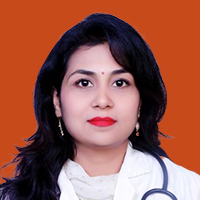
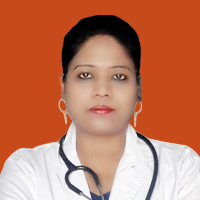
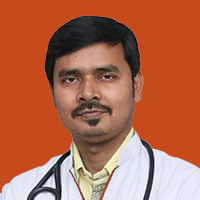
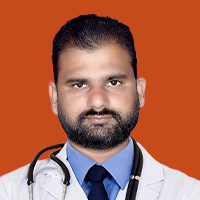
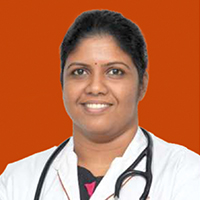
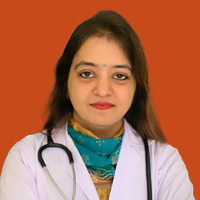
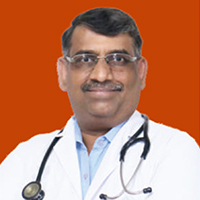
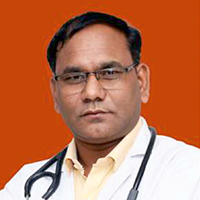
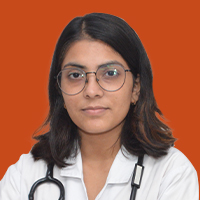
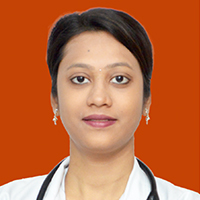
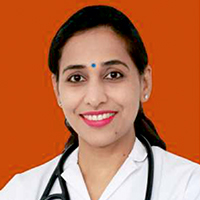
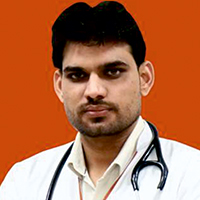
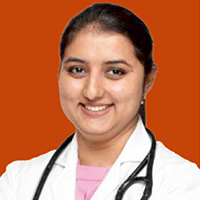
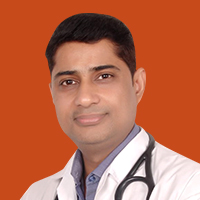
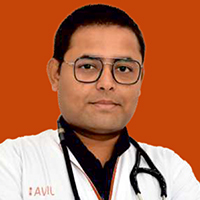
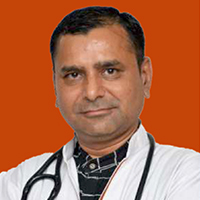
Consult Experienced Ayurveda Doctors for Dermatitis




Our Happy Patients
-
 Sunita Malik - Knee Pain
 -
 Abhishek Mal - Diabetes
 -
 Vidit Aggarwal - Psoriasis
 -
 Shanti - Sleeping Disorder
 -
 Ranjana - Arthritis
 -
 Jyoti - Migraine
 -
 Renu Lamba - Diabetes
 -
 Kamla Singh - Bulging Disc
 -
 Rajesh Kumar - Psoriasis
 -
 Dhruv Dutta - Diabetes
 -
 Atharva - Respiratory Disease
 -
 Amey - Skin Problem
 -
 Asha - Joint Problem
 -
 Sanjeeta - Joint Pain
 -
 A B Mukherjee - Acidity
 -
 Deepak Sharma - Lower Back Pain
 -
 Vyjayanti - Pcod
 -
 Sunil Singh - Thyroid
 -
 Sarla Gupta - Post Surgery Challenges
 -
 Syed Masood Ahmed - Osteoarthritis & Bp
Home Remedies
- रूखे और बेजान बालों का आयुर्वेदिक इलाज और मुफ़्त परामर्श
- पिगमेंटेशन का इलाज - घरेलू नुस्खे और मुफ़्त परामर्श
- फंगल इंफेक्शन का इलाज - घरेलू नुस्खे और मुफ़्त परामर्श
- चेहरे की टैनिंग हटाने के घरेलू उपाय - मुफ़्त परामर्श
- Scalp की खुजली का आयुर्वेदिक इलाज - मुफ़्त परामर्श
- क्या आपकी त्वचा बेजान हो गई है? ये आयुर्वेदिक नुस्खे देंगे नैचुरल ग्लो
- झड़ते बालों से परेशान? ये आयुर्वेदिक नुस्खे देंगे घने और मजबूत बाल
- पिंपल्स से छुटकारा पाना मुश्किल लग रहा है? आज़माएं ये असरदार घरेलू नुस्खे!
- क्या आप जानते हैं? इन देसी नुस्खों से डार्क सर्कल्स गायब हो सकते हैं
- डैंड्रफ का जड़ से इलाज – घर पर आजमाएं ये आसान नुस्खे
- Home Remedies for Open Pores
- Home Remedies for Glowing Skin
- Home Remedies For Itchy Scalp
- Home Remedies for Hair Fall
- Home Remedies for Dry Hair
- Home Remedies for Black Spots on Face
- Home Remedies for Hair Loss
- Home Remedies for Pigmentation
- Home Remedies for Face Tan
- Home Remedies for Fungal Infections
- Home Remedies for Dandruff
- Home Remedies for Pimples
- Home Remedies for Dark Circles
Related Disease
- Ayurvedic Treatment for Vitiligo
- Ayurvedic Treatment for Urticaria Hives
- Ayurvedic Treatment for Hair loss and Regrowth
- Ayurvedic Treatment for Dust Allergy
- Ayurvedic Treatment For Dandruff
- Ayurvedic Treatment for ringworm
- Ayurvedic Treatment for Eczema
- Ayurvedic Treatment for Psoriasis
- Ayurvedic Treatment for Acanthosis Nigricans
- Ayurvedic Treatment for Alopecia Areata
- Ayurvedic Treatment for Chicken Pox
- Ayurvedic Treatment for Folliculitis
- Ayurvedic Treatment for Athlete’s Foot
- Ayurvedic Treatment for Pityriasis Rosea
- Ayurvedic Treatment for Pemphigus Vulgaris
- Ayurvedic Treatment for Phlebitis
- Ayurvedic Treatment for Angioedema
- Get Ayurvedic Treatment For Impetigo
- Lichen Planus Treatment in Ayurveda
- Ayurvedic Treatment for Carbuncle
- Ayurvedic Treatment for Cellulitis
- Ayurvedic Treatment for Shingles
- Ayurvedic Treatment for Seborrheic Dermatitis
- Ayurvedic Treatment for Atopic Dermatitis
- Ayurvedic Treatment for Dermatitis
- Get Ayurvedic Treatment for Lipoma
- Ayurvedic Treatment for Keloids
- Ayurvedic Treatment For Xanthelasma
- Ayurvedic Treatment for Scabis
- Ayurvedic Treatment For Warts
- Ayurvedic Treatment For Dark Circles
- Ayurvedic Treatment For Hyperpigmentation
- Ayurvedic Treatment for Glowing Skin
- Ayurvedic Treatment For Fungal Infection
- Get Ayurvedic Treatment for Rosacea
- Get Ayurvedic Treatment for Contact Dermatitis
- Ayurvedic Treatment for Acne
- Ayurvedic Treatment for Leprosy
Latest Blogs
- Is Fasted Intense Exercise a Good Idea for Every Woman
- Health Tracking Every Hour: Helpful Awareness Or Another Source Of Stress?
- फोन देखते हुए चलना सिर्फ accident risk नहीं—posture और breathing पर क्या असर पड़ता है
- Bloating Before a Period: Why Lifestyle Can Change How It Feels
- बहुत जल्दी खाना खाने से पेट भरने का signal देर से क्यों मिलता है
- ‘No Added Sugar’ Doesn’t Automatically Mean Low Sugar—Here’s Why
- Online meetings के बीच zero movement दिन के अंत में stiffness क्यों बढ़ाता है?
- Screen brightness और late-night work sleep readiness को कैसे बदलते हैं
- Warm Vs Cold Foods: How To Discuss The Ayurvedic Idea Without Turning It Into A Myth
- Noise-cancelling headphones घंटों पहनना mental fatigue को कम करता है या बढ़ा सकता है?
- Sugar-Free Biscuits: Better Choice Or A Health Halo?
- Why a Long Afternoon Nap Can Make Bedtime Surprisingly Difficult
- Scrolling While Eating: The Habit That Makes Meals Harder to Remember
- The Forward-Head Posture You Don’t Notice Until Evening
- Are Seed Mixes Useful—Or Just Easy To Overeat?
- Laptop on the Sofa: Why Neck and Hip Stiffness Show Up Later
- Why Your Eyes Feel Tired Even When Screen Brightness Seems Fine
- Is A Standing Desk A Complete Fix For Too Much Sitting?
- Why a Damp Bathroom Can Affect More Than Just the Walls
- When ‘Resting’ Means Scrolling: Is Your Brain Actually Recovering?
Ayurvedic Doctor In Top Cities
- Ayurvedic Doctors in Bangalore
- Ayurvedic Doctors in Pune
- Ayurvedic Doctors in Delhi
- Ayurvedic Doctors in Hyderabad
- Ayurvedic Doctors in Indore
- Ayurvedic Doctors in Mumbai
- Ayurvedic Doctors in Lucknow
- Ayurvedic Doctors in Kolkata
- Ayurvedic Doctors in Patna
- Ayurvedic Doctors in Vadodara
- Ayurvedic Doctors in Ahmedabad
- Ayurvedic Doctors in Chandigarh
- Ayurvedic Doctors in Gurugaon
- Ayurvedic Doctors in Jaipur
- Ayurvedic Doctors in Kanpur
- Ayurvedic Doctors in Noida
- Ayurvedic Doctors in Ranchi
- Ayurvedic Doctors in Bhopal
- Ayurvedic Doctors in Ludhiana
- Ayurvedic Doctors in Dehradun