
 Published on
16 Dec, 2024
Published on
16 Dec, 2024 Updated on 22 Aug, 2026
 6795
6795Sometimes it occurs to us that our mind is distracted; we feel so many things at the same time, even our skin feels rough, our stomach becomes a source of constant discomfort, and falling asleep seems like a luxury.
While it may appear like it’s just work-related stress or a gut issue, the Ayurvedic perspective offers a more structured explanation for this strange condition. These symptoms are a sign of Vata Dosha. The dosha that deals with the imbalance of air and movement.
What is Vata dosha?
Vata dosha is one of the primary doshas that predominantly governs bodily movements and the functioning of the nervous system. If you possess a predominantly Vata constitution, you will observe evident expressions of Vata dosha qualities in both your mind and body.
The Characteristics of Vata dosha
The characteristics of Vata dosha, such as being light, cool, dry, and quick, will be noticeably present. Physically, you are likely to have a naturally slim and slender physique. You may frequently experience Vata Dosha Symptoms, such as cold hands and feet, and your skin tends to feel cool and dry, particularly in the extremities. Your sleep patterns may occasionally be disrupted or elusive.
Natural Qualities of Vata
Each of the doshas in Ayurveda is said to possess certain qualities that define its nature in the body. The qualities of Vata include:
- Lightness: This quality enables Vata to move quickly and with ease.
- Dryness: Vata is said to cause dryness in the body; hence, dry skin when it is in excess.
- Coldness: Vata is said to cause coldness in the body, hence sensitivity to cold weather.
- Roughness: Vata affects the joints, skin, and tissues in the body.
- Mobility: Vata is said to cause all kinds of movement in the body.
Functions of Vata
Vata plays an important role in the performance of various vital functions that allow the body to function properly. The various functions include:
- Breathing and movement of the lungs
- Flow of blood throughout the body
- Regulation of the nervous system
- Peristalsis of food in the digestive system
- Removal of waste products such as urine and stool from the body
- Speech and communication
- Mental creativity and imagination
As the regulator of movement and communication in the body, Vata is the driving force behind the other two doshas. In other words, the performance of other functions in the body is made possible by the performance of the functions of the Vata dosha.
When the Vata dosha is in balance, the individual experiences energy, flexibility, creativity, and enthusiasm in their life. The imbalanced state of the Vata dosha leads to instability in the mind and the body.
Symptoms of Vata Dosha
In Ayurvedic medicine, balance must be maintained in the body’s doshas. Thus, if the level of Vata Dosha is above normal, it is capable of interfering with various functions in the body. This is because Vata is responsible for movement, communication, and nervous system functions.
Excess Vata can cause various problems in physical health, digestion, and mental health. It is therefore important to note the early signs of the symptoms in order to make the necessary lifestyle and dietary changes.
What factors can cause High Vata dosha?
The qualities you embrace in your life will amplify the dosha associated with them. In the case of Vata, these qualities include dryness, lightness, coolness, roughness, subtlety, and mobility.
By consistently subjecting yourself to Vata-related qualities, you will heighten the Vata dosha within you, affecting your mind, body, and emotions.
Here are some factors that can increase your Vata Dosha:
- Consumption of cold food can raise Vata levels.
- Engaging in excessive fasting, intense exercise routines, prolonged brisk walks, and similar weight loss activities can increase your Vata.
- Extremely cold or dry weather can increase your Vata.
- Consumption of hard alcohol and smoking imbalance your doshas.
- During winter, cold weather raises Vata at the skin level, leading to dryness.
- Foods that cause dryness in the mouth, skin, or stools can exacerbate dryness and aggravate Vata.
- Excessive sexual activity can contribute to dryness and increase Vata.
- Injuries to vital points in the body can increase Vata levels.
- Dryness in emotions, including harbored resentment, lack of love or affection, repressed anger, and aloof behavior, can contribute to Vata imbalance.
How to Balance Vata Dosha?
Vata dosha treatment aims to pacify the excess Vata energy and alleviate symptoms associated with its imbalance. It typically involves a combination of lifestyle modifications, dietary adjustments, herbal remedies, body therapies, and mind-body practices.
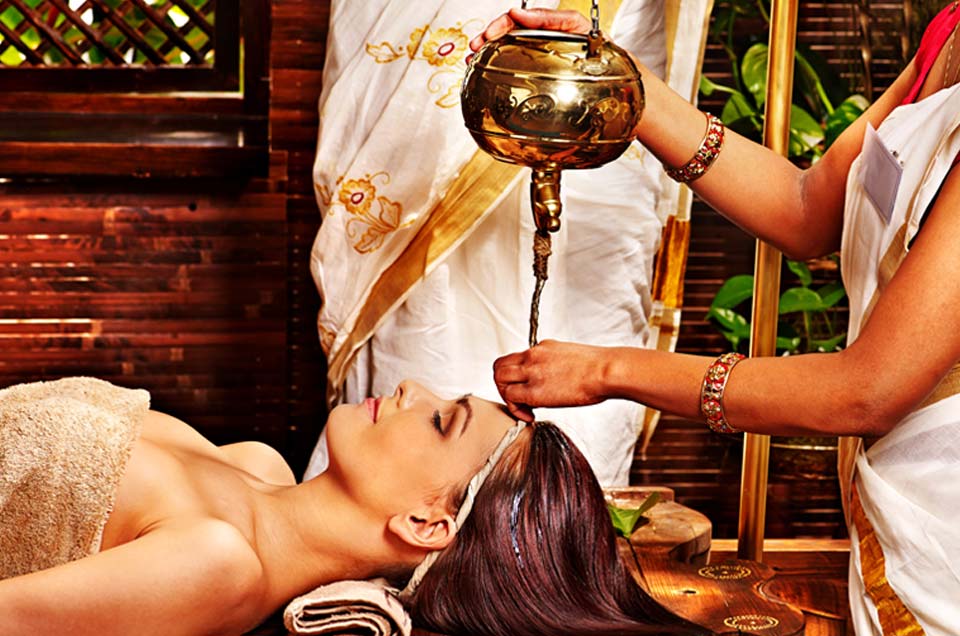
To pacify Vata, warm and nourishing foods are recommended, along with regular routines and adequate rest. Herbal formulations and oils are used to provide grounding and nourishment to the body. Abhyanga, a therapeutic oil massage, is often employed to calm the nervous system and promote relaxation.
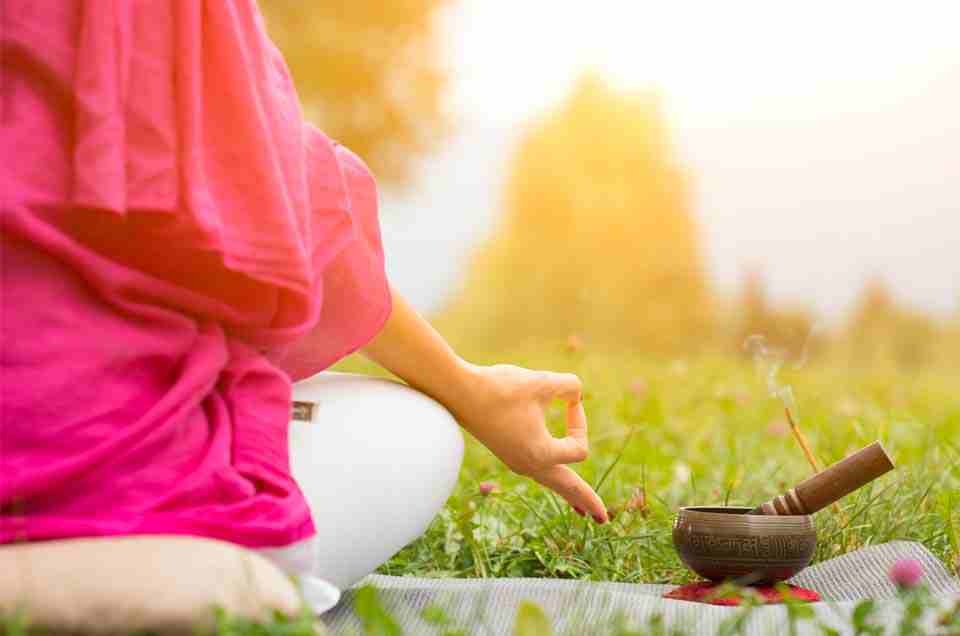
Additionally, practices such as yoga, meditation, and pranayama help to balance the Vata energy and enhance overall well-being.
Vata Dosha Ayurvedic Home Remedies
In order to balance Vata in the body, there needs to be a set of practices systematically applied to one’s life. Some of the natural ways to improve the Vata balance of the body are:
- Take a spoonful of a paste made with turmeric powder (Haldi) and honey every day.
- Twice a day, add ¼ tsp of cinnamon to warm milk, which is especially beneficial for balancing Vata.
- Include herbs and spices like garlic (lehsun), dry mango powder (amchur), asafoetida (hing), cloves (laung), dry basil, mustard seeds (saraso seeds), poppy seeds, and saffron (kesar) in your preparations as they enhance digestion (agni).
- Balance Vata by adding a teaspoon of garlic paste to soups, vegetables, etc.
- Cook food in ghee or sesame oil, as these healthy oils reduce Vata
- Enjoy an herbal tea made with Brahmi leaves (Bacopa monnieri) to help with Vata imbalance. It provides antioxidants and can be a caffeine-free alternative.
- Twice a day, have warm milk with ¼ tsp of Ashwagandha, which helps balance Vata due to its heating qualities.
Yoga is recommended to balance Vata Dosha
Yoga is highly recommended for balancing Vata dosha, as it helps to cultivate stability, grounding, and calmness in both the body and mind. Here are some yoga practices that can be beneficial for balancing Vata:
Surya namaskar
Surya Namaskar, or Sun Salutation, helps balance Vata dosha by generating warmth, promoting circulation, and grounding the body. The flowing movements, synchronised breathwork, and mind-body connection of Surya Namaskar harmonise Vata's airy nature, fostering stability and vitality. Regular practice brings balance to the body and mind, alleviating Vata imbalances.
Supta Virasana
Supta Virasana, or Reclining Hero Pose, balances Vata dosha by grounding and stabilising the body. It promotes deep relaxation, opens the chest and abdomen, stimulates digestion, and stretches the thighs and hips. Regular practice of this pose brings calmness, releases tension, and enhances Vata balance.
Paschimottanasana
Paschimottanasana, or Seated Forward Bend, aids in balancing Vata dosha. This pose promotes grounding, relaxation, and stretching of the entire back of the body. It calms the nervous system, improves digestion, and alleviates Vata-related symptoms such as restlessness and anxiety. Regular practice fosters Vata balance, harmony, and tranquility.
Uttanasana
Uttanasana, or Standing Forward Bend, plays a role in balancing Vata dosha. This pose promotes grounding, relaxation, and stretching of the hamstrings and spine. It enhances blood circulation, calms the mind, and relieves anxiety and restlessness. Regular practice of Uttanasana supports Vata balance, stability, and a sense of inner calmness.
Balasana
Balasana, or Child's Pose, is beneficial for balancing Vata dosha. This pose promotes grounding, relaxation, and releases tension in the body and mind. It soothes the nervous system, calms the mind, and fosters a sense of inner peace. Regular practice of Balasana helps balance Vata, reducing anxiety, promoting deep relaxation, and restoring harmony to the body and mind.
Dhanurasana
Dhanurasana, or Bow Pose, is effective for balancing Vata dosha. This pose activates and energizes the body, promoting warmth and circulation. It stretches the entire front of the body, opens the chest, and stimulates the digestive system. Dhanurasana also helps relieve stress and anxiety, bringing balance and harmony to our body.
Ustrasana
Ustrasana, or Camel Pose, is beneficial for balancing Vata dosha. This pose opens the chest and stretches the front of the body, increasing energy flow and promoting emotional well-being. Ustrasana stimulates the digestive system, relieves anxiety, and calms the nervous system. Regular practice of Ustrasana supports Vata balance, bringing stability, vitality, and a sense of inner calmness.
Best Ayurvedic Herbs for Vata Balance
Ayurvedic medicine has several herbs that help with a Vata imbalance.
Ashwagandha
Ashwagandha is known to have calming and strengthening effects.
- Reduces stress and anxiety
- Improves sleep
- Boosts energy levels
Brahmi
Brahmi is known to have beneficial effects on brain health and cognitive functions.
- Improves memory
- Enhances mental clarity
- Helps in stress management
Ginger
Commonly used to treat digestive problems and bloating.
Licorice
Licorice is known to have nourishing effects on body tissues and the digestive system.
Before consuming herbal supplements regularly, it is always best to consult an Ayurvedic practitioner.
Food for Vata Dosha
Successfully following a vata-pacifying diet is not about strict rules but about focusing on generalities and overarching patterns. Any progress towards a more vata-pacifying diet is a win. Here are some food tips for vata dosha:
General food conditions to follow
- Consume Warm Over Cold: Emphasise warm and energetically warming foods, use digestive spices generously, and avoid cold, frozen, carbonated, and raw foods. Freshly cooked food is best.
- Opt for Moist and Oily Over Dry: Opt for cooked foods over raw, use high-quality oils or ghee, stay hydrated with warm or hot fluids, and include moist foods like berries, melons, and yogurt. Minimise drying foods like popcorn and dried fruits.
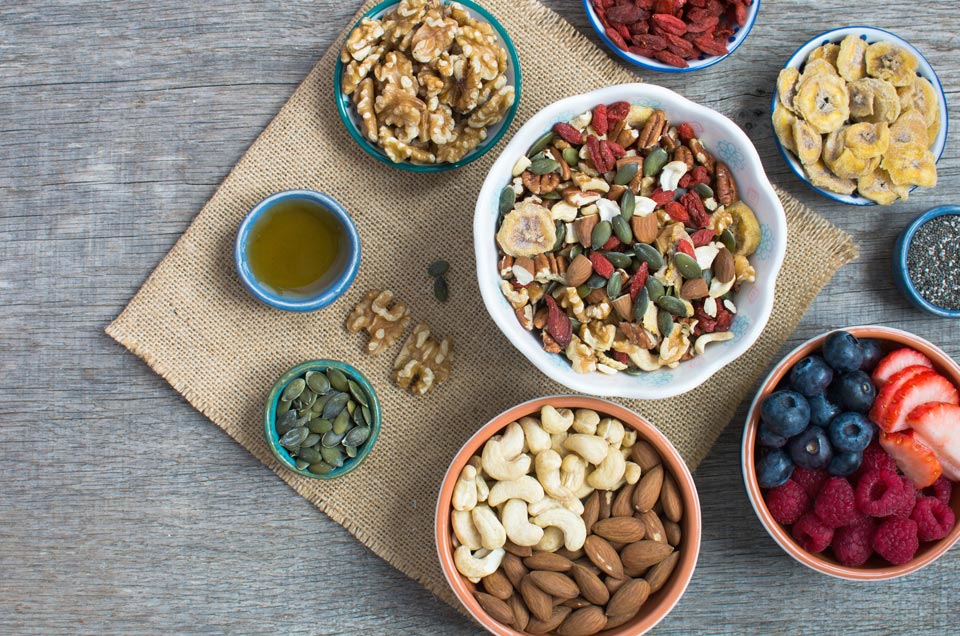
- Favor Grounding, Nourishing, and Stabilising Over Light: Balance Vata's lightness with grounding and nourishing foods. Choose cooked grains, spiced milk, root vegetables, stewed fruits, nuts, and seeds. Minimise highly processed foods and stimulants like caffeine.
- Smooth Over Rough: Cook rough foods well and serve them with generous amounts of butter, oil, or ghee. Opt for smooth-textured foods like bananas, rice pudding, puréed soups, and root vegetables.
Preferred Tastes for Vata pacifying food habits
- Sweet: Emphasise naturally sweet foods like fruits, grains, root vegetables, milk, ghee, yogurt, eggs, nuts, seeds, oils. Avoid refined sugars and sugary foods.
- Sour: Include sour additions like lemon or lime juice, vinegar, kimchi, sauerkraut, miso, and sour fruits (eaten separately and in moderation). Sour taste improves digestion and energises.
- Salty: Use quality sea salt or natural mineral salt in moderation. Salt stimulates appetite, digestion, and moisture retention.
What to Minimise?
- Pungent: Moderate pungent spices and avoid excessively hot and dry foods like chilies, radishes, and raw onions.
- Bitter: Minimise bitter greens, bitter melon, Jerusalem artichokes, and chocolate. Bitter taste is cooling and drying.
- Astringent: Reduces the astringent taste found in legumes, certain fruits, vegetables, grains, and baked goods. Astringent taste is dry and rough.
Final Considerations For Balancing Vata
To maintain healthy eating habits, it is important to create conducive conditions for meals.
Firstly, select a peaceful environment that allows you to give your full attention to nourishment. Secondly, establish a routine by consuming three balanced meals at regular times, which aids in balancing Vata and enhancing digestion. Additionally, ensure that your food is well-cooked, served warm, and accompanied by oil, ghee, and digestive spices. Lastly, it is advisable to avoid fasting and instead focus on regular nourishment.
By consistently following these immediate remedies, you can harmonise your Pitta dosha and embark on a journey of balance and well-being!
If you find these tips difficult to follow, it’s ideal to consult an Ayurvedic practitioner to get authentic guidelines tailored to your body’s constitution.
References:
The role of Ayurveda in preventing and managing Vata related disorders
What Are the Ayurveda Doshas? Vata, Kapha, and Pitta Explained