Diabetes, arthritis, skin disorders & more! Get a free consultation with Top Ayurveda doctors - +91 9266714040 | No travel, No waiting – Consult Jiva’s doctors from home via video call! | Get up to 10% OFF! On Authentic Ayurveda Products! Best Prices only on the brand store. Visit : www.store.jiva.com
Hair Loss is more than just an aesthetic problem-it is an issue that affects the confidence of an individual. Excessive hair fall is usually caused by hormonal imbalance, stress, nutritional deficiencies, scalp disorders, or unhealthy lifestyle habits. Hair Loss Treatment aims at addressing the root cause of the problem to stimulate hair growth.
What is Hair Loss?
Stress, worry, anxiety, and inadequate nutrition lead to hair loss and premature white hair. A certain amount of hair loss is considered normal, as old strands are replaced by new ones. When hair loss is excessive, care must be taken. Similarly, the greying of hair after a certain age is a normal phenomenon, but when this starts in the early years of life, one should look into Ayurvedic remedies to prevent white hair and promote the natural regrowth of hair.
Common Causes of Hair Loss
Factors such as unhealthy nutrition, elevated stress levels, hormonal imbalances, and inadequate hair care can cause Pitta aggravation, leading to weakened hair follicles and increased hair loss.
Some more hair fall reasons can be:
Genetics: Hereditary hair loss, known as androgenetic alopecia, is the most common cause for many.
Hormonal changes: In pregnancy, menopause, or thyroid concerns result in hormonal changes which can lead to hair loss.
Medical conditions: Scalp infections, alopecia areata, or autoimmune diseases can result in hair loss.
Medications: Certain strong drugs for diseases like cancer, arthritis, depression, heart problems, and high blood pressure can cause hair loss.
Nutritional deficiencies: Whenever there’s a lack of essential nutrients like iron, protein, and vitamins, it can weaken hair roots.
Stress:Stress is considered a major cause of hair fall and can cause hair to shed temporarily.
Signs & Symptoms of Hair Loss
Different types of hair loss develop through various patterns that result from particular medical conditions. Early detection of hair loss symptoms enables health professionals to start treatment, which stops further hair loss progression.
Excessive Hair Shedding: People who experience hair loss during the process of combing their hair or washing their hair, or finding it on their pillow, have an early indicator of upcoming hair loss.
Thinning Hair: People experience hair loss through a process that makes their hair become thinner, starting from the top of their head until it reaches their hairline.
Receding Hairline: Men who have male pattern baldness experience a gradual backward movement of their hairline.
Bald Patches: The condition causes people to lose their hair suddenly, which creates small, round patches on their scalp and beard area.
Weak or Fragile Hair: The roots of hair strands become weak, which leads to their transformation into a dry and brittle form that breaks with slight pressure.
Increased Hair on Brush or Drain: People who observe their combs, brushes, and shower drains collecting too much hair should consider this as a sign that they are experiencing excessive hair loss.
Risks & Complications of Hair Loss
Although hair fall itself is not often considered a disease, it bears immense emotional and psychological aspects for the person. Chronic hair loss might result in the following:
Negative body image: Hair is associated with beauty and being young, and when it is lost, the individual’s perception of himself/herself changes.
Social Isolation: When people start losing hair, they start feeling conscious about their self-image, and so avoid social interactions as they feel embarrassed.
Emotional distress: Hair fall can trigger anxiety and depression among patients, especially when it happens suddenly or at a young age, when people want to look and feel good about themselves.
Other Health issues: Hair fall, in some cases, could be the first indication of a more serious condition like hyperthyroidism or an autoimmune condition that requires treatment.
Diagnosis of Hair Loss
The identification of hair loss causes through precise diagnosis enables the selection of suitable treatment methods. Doctors evaluate hair loss through three assessment techniques, which include examining medical records, conducting physical tests, and performing diagnostic procedures.
The following diagnostic techniques are commonly applied for medical assessment:
Medical History Review: The doctor reviews lifestyle habits, diet, stress levels, medications, and family history to understand possible triggers of hair loss.
Physical Examination of the Scalp: The examination of the scalp and hair reveals signs of hair loss through the detection of thinning hair, bald patches, scalp infections, dandruff, and scalp inflammation.
Hair Pull Test: The test involves applying a light pull force on particular hair sections to assess hair shedding intensity.
Blood Tests: Blood tests may be ordered to identify nutritional deficiencies, hormonal imbalances, thyroid disorders, and various other medical conditions.
Scalp Analysis or Biopsy: In specific situations, doctors analyze a small scalp sample to investigate for infections or skin disorders that prevent hair development.
How Common Is Hair Loss?
More than 1 billion people around the world experience hair loss as a common medical issue. Both genders can experience hair loss, which can begin at any age but becomes more visible with increasing age. Multiple factors, including genetic make-up, hormonal fluctuations, stress levels, nutritional deficiencies, and existing medical conditions, can lead to hair thinning and excessive hair loss. The daily loss of 50 to 100 strands of hair represents typical hair shedding, but continuous or excessive hair loss requires medical assessment and treatment.
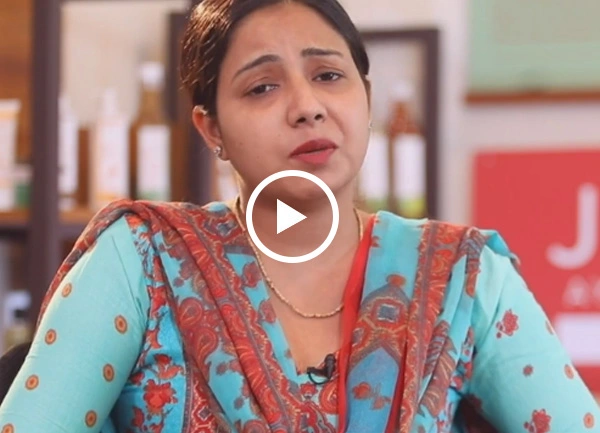
My hair was falling a lot. I had white dandruff in my hair and it used to itch a lot. It had become like a fungal infection.
I came to know about Jiva through Facebook. I went near Lajpat Nagar and met Dr. Sarika Rawat.
She gave me some medicines and advised me to apply Neem shampoo and Bhringraj oil. I took the medicines and used the oil and shampoo for 3 months, and I got a lot of relief.
My hair fall stopped and the itching also went away. I am very happy.
Thanks, Jiva Ayurveda Lajpat Nagar
Hair Loss Symptoms
Thinning on top of the head
Thinning on top of the head: The most common type of hair loss, affecting both men and women as they age.
Bald spots
Bald spots: These can be circular or patchy and may appear on the scalp, beard, or eyebrows. Sudden hair loosening: A physical or emotional shock can cause hair to loosen from the roots, resulting in handfuls of hair falling out when combing or washing. Full-body hair loss: Some medical treatments are bad for your health, such as chemotherapy, can result in hair loss all over the body.
Ayurvedic Understanding of Hair Loss
In Ayurveda, hair health is closely connected to the balance of the three doshas-Vata, Pitta, and Kapha-as well as proper digestion and nourishment of body tissues. The body generates hair (Kesha) as a secondary product, which derives from Asthi Dhatu (bone tissue) when the body undergoes improper tissue nourishment. The result produces hair loss, together with thinning of hair.
The aggravated condition of Pitta dosha leads to increased body heat, which affects the scalp area and results in hair loss because it weakens hair roots. The combination of stress together with an unhealthy diet, poor digestion, and Ama toxin buildup leads to dosha imbalance, which results in hair loss.
The Ayurvedic approach to management involves dosha balance restoration together with Agni digestion improvement, body detoxification, and scalp and hair follicle nourishment through dietary and lifestyle modifications and herbal treatments to facilitate hair growth.
Jiva Ayurveda’s Treatment Approach for Hair Loss
Jiva Ayurveda provides a holistic treatment for hair loss using Ayurvedic principles. This approach aims to address the underlying causes of hair loss rather than merely controlling the symptoms. Ayurvedic principles state that hair loss may be caused by an imbalance of the doshas, digestion problems, stress, hormonal imbalance, and dietary problems. Jiva Ayurveda’s treatment for hair loss aims to balance the doshas, the scalp, and the hair roots for the natural growth of hair.
Core Principles of the Jiva Ayunique™ Treatment Philosophy
1. HACCP-Certified Ayurvedic Medicines
The herbal medicines of Jiva Ayurveda are prepared under strict quality and safety standards, such as HACCP certification, and are effective in providing nutrition to the scalp, strengthening hair follicles, and promoting natural hair growth.
Hair-nourishing herbs: Herbal medicines are effective in strengthening hair roots and reducing hair loss. These herbs help in natural hair growth and improve the thickness of hair.
Scalp health support: Ayurvedic medicines are effective in improving blood circulation in the scalp, thus providing nutrition to hair follicles and promoting natural hair growth.
Balancing doshas: Ayurvedic herbal medicines are effective in balancing aggravated Pitta and Vata doshas, which cause hair loss and early hair thinning.
2. Dietary Changes
A balanced diet is also important for healthy hair growth. Proper nutrition helps to strengthen the hair roots, preventing excessive hair fall.
Nutrient-rich food: Eating food rich in iron, protein, vitamins, and minerals helps to strengthen the hair roots.
Hydrating food: Eating fresh fruits, vegetables, and grains helps to nourish the body, resulting in healthy scalp conditions.
Avoiding unhealthy food: Avoiding excessive consumption of junk food, fried food, and sweet food helps to strengthen the hair roots.
3. Panchakarma & Therapeutic Practices
Some Ayurvedic treatments also help to maintain healthy hair growth. Panchakarma helps to cleanse the body, resulting in healthy hair growth.
Detoxification: Panchakarma helps remove toxins called ‘Ama’ from the body, which affects hair growth.
Shiro Abhyanga: Head massage with herbal oil helps to improve the scalp’s circulation, nourishing the hair follicles, and preventing hair dryness.
Shirodhara: Shirodhara helps to calm the mind, reducing stress, which is one of the major reasons for hair fall.
4. Lifestyle Changes
A healthy lifestyle is also an important factor that helps prevent hair fall and promote hair growth.
Stress management: Stress can cause hair loss, so proper management of stress is important.
Proper sleep: Proper sleep is important for the growth of healthy hair.
Healthy routine: Following a healthy routine can also promote healthy hair growth.
5. Yoga & Meditation
Practicing yoga and meditation helps promote healthy hair growth.
Meditation: Meditation helps calm the mind, which can prevent hair loss due to stress.
Yoga practices: Yoga practices help promote hair growth by increasing the flow of blood to the scalp.
Pranayama: Pranayama helps increase the supply of oxygen in the body.
How We Assess Patients at Jiva Ayurveda
Doctors assess the condition through a holistic Ayurvedic evaluation, including:
Understanding the patient’s Prakriti (body constitution)
Identifying dosha imbalance (Vata, Pitta, Kapha)
Reviewing medical history and lifestyle habits
Checking diet, stress levels, sleep, and digestion
Examining scalp condition and the pattern of hair loss
Based on this assessment, doctors create a personalised treatment plan.
Our Step-by-Step Patient Care Process:
Expect a Call: Submit your contact details, or you can also call us on0129 4264323.
Appointment Confirmation.
You can schedule an appointment and visit us at our clinic for a consultation with our Ayurvedic experts.
If you are unable to find our clinics near you, you can also schedule an online consultation on 0129 4264323 at a discounted price of Rs. 49 (regular price Rs299) and avail guidance from our doctors at home.
Detailed Diagnosis
Jiva doctor will perform a thorough and detailed diagnosis to identify the root cause of your health problem.
Root-cause Based Treatment
Jiva doctor will recommend a personalised treatment using highly-effective, natural, and Ayurvedic medicines to address symptoms and the root cause.
Ayurvedic Treatment Timeline
Typical timeline (may vary by patient):
First 4–6 weeks
Detoxification begins
Hair fall gradually reduces
Digestion and stress management improve
2–3 months
Hair roots strengthen
Hair texture and scalp health improve
3–6 months
Noticeable improvement in hair growth
Reduction in premature greying progression
Long-term balance of doshas
Consistency with medicines, diet, oil massage, and lifestyle changes is important for lasting results.
What Results Can You Expect from Jiva Ayurveda?
Patients may experience:
Reduction in hair fall
Stronger hair roots and a healthier scalp
Improved hair thickness and growth
Slowing down of premature greying
Better overall hair and scalp health
Many patients notice improvement within a few months when they follow the prescribed medicines, diet, and lifestyle changes.
Patient Story- Sunita Tanwar
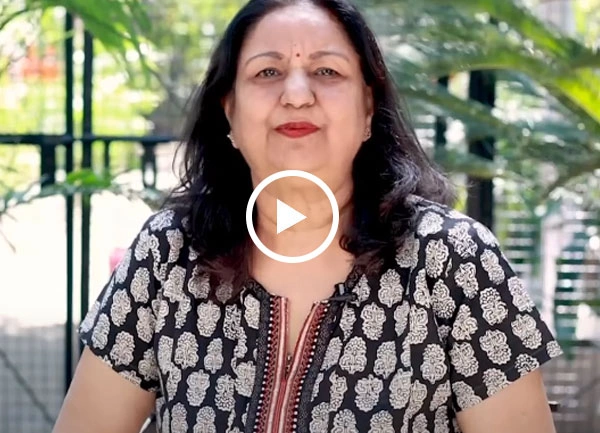
I had a severe hair loss problem for years. Shampoos and oils did nothing. I thought of taking Ayurveda treatment, but I was not sure about it. Then one day I saw Dr. Chauhan's TV program on hair problems and felt that Ayurveda could actually make a difference, and it did! Now I don't see hair on my pillow every morning. Thanks to Jiva.
Ayurvedic Medicines for Hair Loss
According to Ayurveda, Pitta imbalance, poor digestion (Agni), and the buildup of toxins (Ama) that weaken the hair roots are typically associated with hair loss. In order to promote healthy hair growth, Ayurvedic medications seek to balance the doshas, strengthen hair follicles, improve blood circulation, and nourish the scalp.
Common Ayurvedic medicines used for hair loss include:
Bhringraj: Bhringraj, sometimes referred to as the "King of Herbs for Hair," strengthens hair roots, encourages hair growth, and lessens greying and early hair loss.
Indian gooseberry, or amla: Amla, which is high in vitamin C and antioxidants, nourishes the scalp, enhances the texture of hair, and promotes healthier, stronger hair.
Brahmi: Brahmi improves blood flow to the scalp and calms the mind, which helps lessen hair loss caused by stress.
Ashwagandha: This adaptogenic herb helps manage stress and hormonal imbalance, which are common causes of hair fall.
Neem: By lowering dandruff, infections, and inflammation that can cause hair loss, neem promotes the health of the scalp.
Triphala: Triphala promotes better nutrient absorption and general hair health by aiding in the body's detoxification and digestion.
Jiva’s Evidence-Based Treatment Process
Hair loss can occur due to factors like stress, hormonal imbalance, poor nutrition, or scalp issues. In Ayurveda, treatment focuses on identifying the root cause rather than just controlling the symptoms. At Jiva Ayurveda, doctors follow a structured diagnostic process to understand each individual’s condition and create a personalised treatment plan for long-term hair health.
Nadi Pariksha: Starting with Nadi Pariksha, Jiva's certified Ayurvedic doctors use this traditional pulse diagnosis to detect imbalances and assess organ health, which is crucial for accurately diagnosing hair fall reasons.
Prakriti Analysis: Understanding your unique physical and psychological patterns allows us to tailor a Hair fall treatment plan that not only addresses symptoms but also aligns with your inherent constitution for lasting health.
Samprapti Ghatak (Pathogenesis): In our investigations, we examine the if and how hair fall is progressing by the dietary, lifestyle, and psychosocial aspects, identifying individual factors for customised intervention and pinpointing specific triggers for targeted treatment.
Chikitsa Sutra - Personalised Treatment Plan: After that, we create a detailed Hair fall treatment plan, which consists of diet modifications, lifestyle adjustments, herbal medications, and specific therapies that aim to restore dosha balance and enhance hair health.
Continuous Monitoring & Amendments: Continuous tracking of treatment effectiveness allows us to make necessary adjustments, ensuring that you achieve the best results from your personalised Hairfall treatment plan with Jiva's ongoing support.
Estimated Cost of Treatment at Jiva Ayurveda
Understanding the financial investment required for your health is important. At Jiva Ayurveda, we make sure of transparency in our service costs, which allows you to choose the most suitable option for your medical needs.
Treatment Cost
For patients who seek standard, ongoing care, the Monthly Cost of Medicine and consultation typically ranges from Rs. 3,000 to Rs. 3,500. Please note that this is an estimated baseline. The final cost depends on the exact nature and severity of the patient's condition.
Protocol
For a more comprehensive, structured approach, we offer specialized Package protocols. These plans are designed to address both physical symptoms and the overall lifestyle correction. The package includes:
Medicine
Consultation
Mental Well-Being Sessions
Yoga and Meditation
Diet
The cost for this protocol involves a one-time payment ranging from Rs. 15,000 to Rs. 40,000, which covers the full 3 to 4-month duration of the treatment.
Jivagram
For patients requiring intensive and immersive care, our Jivagram centres offer the ultimate healing experience. Jivagram is a holistic sanctuary set in a peaceful, eco-friendly environment, and it provides:
Authentic Panchakarma therapies
Sattvic meals
Modern healing services
Comfortable accommodation
Many more quality-of-life facilities
An immersive wellness stay at Jivagram costs around 1 Lakh for a 7-day duration, ensuring continuous personalised care to help reset your body and mind.
Why Patients Trust Jiva Ayurveda
Over the years, Jiva Ayurveda has gained the trust of thousands of patients who are seeking natural and personalised healthcare solutions. Some of the key reasons for patients’ trust in Jiva Ayurveda:
Root-Cause Based Treatment
Unlike conventional treatments that address only the symptoms of disease, Ayurvedic treatment focuses on treating the root causes and correcting the underlying imbalances in the body that lead to disease.
Experienced Ayurvedic Doctors
Jiva Ayurveda boasts of having a huge team of experienced Ayurvedic doctors who thoroughly examine each patient’s condition before recommending treatment for diseases.
Personalised “Ayunique” Treatment Approach
Ayurvedic treatment is highly personalised and customised according to each individual’s prakriti and lifestyle.
Holistic Healing
Ayurvedic treatment is not limited to medicines; it also includes dietary and lifestyle modifications, breathing techniques, and stress management to support overall healing of the body and mind.
Trusted by Patients Across India
A huge percentage of patients have shown improvement in their conditions after adopting Jiva’s treatment plans and recommendations for diseases. This shows how much people trust Jiva Ayurveda for Ayurvedic treatment.
95% of patients saw significant improvement within 3 months of treatment.
88% of patients stopped allopathic medicines completely.
8000+ patients consulation everyday
Modern and Ayurvedic Treatment
Modern Treatment
Ayurvedic Treatment
Uses medicines, vitamin supplements, medicated shampoos, and procedures to reduce hair fall.
Uses natural herbs like Amla, Bhringraj, and Brahmi to strengthen hair roots.
Focuses mainly on controlling symptoms.
Focuses on treating the root cause and balancing body doshas.
Results may be faster but sometimes temporary.
Works gradually for long-term hair health.
May involve chemical treatments or procedures.
Includes herbal oils, scalp massage, Panchakarma, and diet changes.
Prevention of Hair Loss
The prevention of hair loss requires people to follow a healthy lifestyle while they practice proper hair and scalp maintenance. People can develop stronger hair roots through their everyday activities, which support the process of natural hair growth.
Maintain a Balanced Diet: Hair follicles receive nourishment from nutrient-rich foods, which include fruits, vegetables, whole grains, and proteins.
Manage Stress: Stress can be reduced through practices that include yoga and meditation, and people should stay active through exercise.
Avoid Harsh Hair Products: People should restrict their usage of hair products that contain chemicals, and they should avoid applying heat to their hair and wearing hairstyles that put pressure on their hair roots.
Keep the Scalp Clean: Dandruff and infections can be prevented through regular hair washing and scalp maintenance, which helps keep the scalp clean.
Follow a Healthy Routine: The combination of proper sleep, hydration, and regular oil massage leads to better scalp circulation, which results in stronger hair.
When to See a Doctor?
It is better to consult a doctor if:
Patchy and abrupt hair loss happens, which is accompanied by scalp tenderness or pain.
There is more than normal hair loss while combing, bathing, or even sleeping.
You notice sudden bald spots or thinning that affects your confidence.
The hair continues to fall out in spite of the use of medicines and recommended lifestyle alterations.
Hair loss is accompanied by other symptoms, like weight changes or fatigue, which could indicate a medical condition.
What Our Patients Say
87% of patients rate us excellent in service.
78% of patients saw significant improvement in 3 months of treatment.
92% of patients stopped allopathic medicines completely.
Conclusion
Multiple elements, including stress, hormonal imbalance, dietary deficiencies, and personal behaviour patterns, can lead to hair loss. To achieve effective long-term outcomes, it is necessary to treat the underlying problem. Ayurvedic treatment uses individualised methods to achieve internal equilibrium, scalp nourishment, and natural hair development.
If you are experiencing persistent hair fall, consulting certified Ayurvedic doctors at Jiva Ayurveda can help you receive a customised treatment plan tailored to your body type and condition. Call today: 0129-4264323 to start your journey toward healthier and stronger hair.
FAQs
Bhringraj is considered the best herb for promoting hair growth and preventing hair fall in Ayurveda.
There is no doubt that stress leads to hair fall, as it is believed to be true in Ayurveda and modern medicine as well.
This varies for different individuals. However, most people notice some level of improvement even within a few months of being compliant with medication and changing their general lifestyle.
Frequent oil application revitalises the scalp, increases the strength of the hair follicles and raises the blood flow in the area, which, in the long run, decreases hair loss
Stay away from excessive spicy, salty and sour as it heats up the Pitta dosha even more, which would consequently result in hair fall.
Regular exercise, stress management through yoga and meditation, and adequate sleep can all support hair health.
While Ayurveda may not completely reverse genetic hair loss, it can help slow down the process and improve overall hair health.
Persistent hair fall can sometimes indicate underlying health problems like thyroid issues, so it's best to consult a doctor.
Yes, Ayurvedic treatments can complement conventional approaches, but it’s advisable to consult both an Ayurvedic practitioner and your doctor.
Minimize the use of harsh hair products, avoid excessive heat styling, and reduce stress to help prevent hair fall.
Find Jiva Ayurveda Clinics for Hair-fall-greying Treatment Near You

 Published on 26 Oct, 2026
 Updated on 26 Oct, 2026