 Published on
29 Aug, 2026
Published on
29 Aug, 2026 Updated on 29 Aug, 2026
 5050
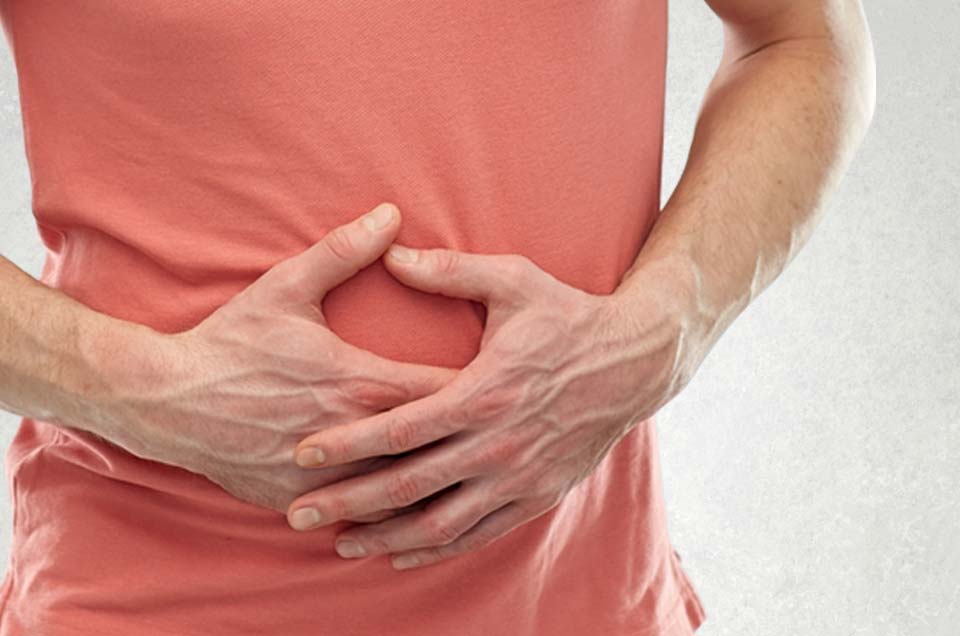
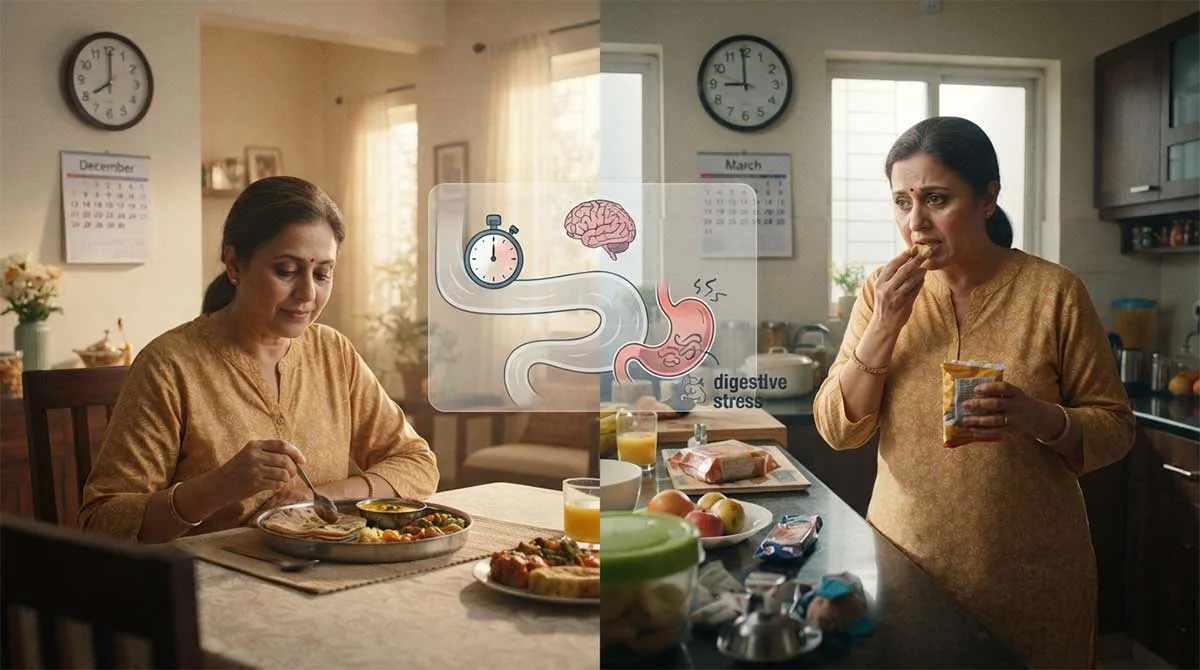
5050Have you ever noticed that your stomach starts acting up right as the weather starts to shift? We usually blame something we ate, but the reason can be completely different. When the weather changes, our routine and habits also change along with it. We start waking up at a different time, stop moving around much, and start craving heavier food because we start staying indoors. These little shifts completely confuse your digestive system. Even before you pull out your umbrella or sweater for the change, your digestive system has taken the shock already.
Why Does Weather Change Secretly Mess With Your Digestion?
When the weather changes, our daily habits also change without even realising it. These hidden changes completely confuse your stomach:
- Hormone changes: Shifts in temperature and sunlight modify hormones like serotonin and melatonin in our body, which control our mood changes through our digestion. When weather changes, these hormones go up and down, which directly links your mood to your digestion.
- Diet changes: When weather changes, our food habits and the food we eat also changes that confuses our digestive system and makes it weaker. We eat more processed, fried, refined, and unhealthy foods because our food cravings change according to the temperature.
- Dehydration: Another effect that weather changes have on our habits is drinking less water, because cooler temperatures make our body cool as well, so we don't feel like drinking enough water. But our body still needs fluid in order to stay hydrated, whether you get thirst signals or not.
- Less sunlight: When your body doesn't get enough sunlight, it makes your body more lazy. Sunlight is very important for your body as it contains Vitamin B12, and when your body doesn't get enough sunlight, then it develops a deficiency of this vitamin.
- Physical inactivity: Weather changes make you stay at home; it makes you sleep and sit more at home. The cooler temperature doesn't let you get out of your bed, which disrupts your sleep cycle. This makes you physically inactive and sluggish.
Early Warning Signs That You Shouldn’t Ignore
Because of these routine changes, your body starts giving you signals that something is wrong in your body. You must not ignore these warning signs and start working on fixing them:
- You start feeling bloated and heavy after eating your meals.
- You feel tired even after taking a full day's rest.
- You feel burning sensations in your chest or throat.
- You don't have good bowel movements in the morning.
- You sleep more than required.
- You have more stomach cramps or are dealing with extra gas.
- You get sour burps and acid reflux.
How Does Ayurveda Explain This Sudden Shift?
Ayurveda believes that our body is deeply connected to nature. When there is any seasonal shift, our body energies also go through it. Ayurveda explains that sudden seasonal shifts disrupt the body's internal balance by disturbing the doshas and weakening the digestive fire, Agni. Our body has three main energies: Vata, Pitta, and Kapha; a shift in weather causes imbalance in these doshas, which creates digestive issues in a person. When there is a shift in the weather, our Agni tends to slow down because our routine and habits also change along with it. Ayurveda suggests following a proper Ritucharya to adjust our lifestyle and routine according to the season change.
Ayurvedic Herbs For Better Digestive Health
There are some Ayurvedic herbs that help in improving digestion:
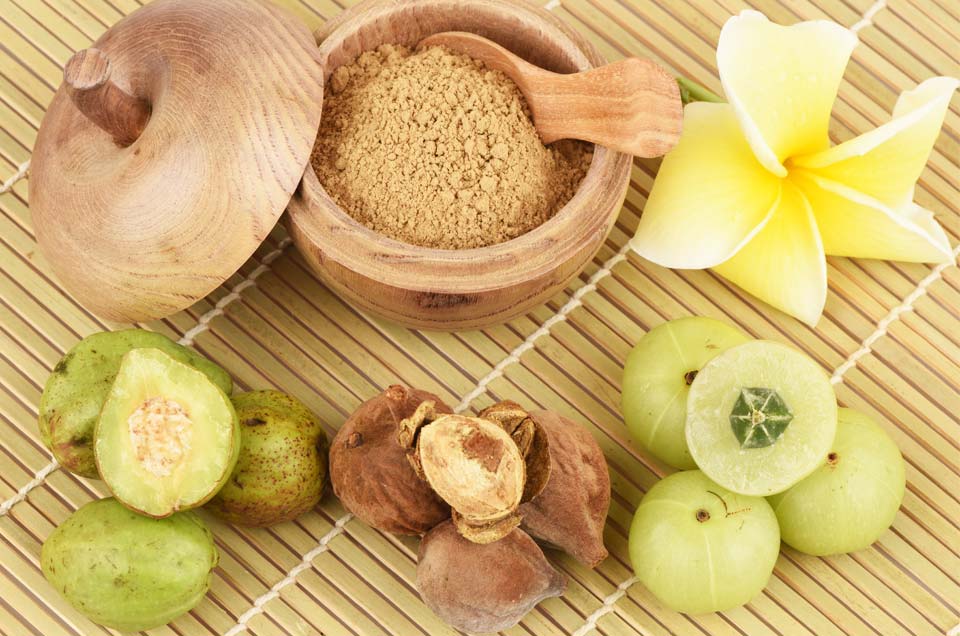
- Amla: It is a very potent source of vitamin C and antioxidants. It soothes body heat, naturally supports liver detoxification, and helps in improving digestion.
- Triphala: It's a traditional Ayurvedic herbs which helps relieve constipation, reduce bloating, and supports regular bowel movement while improving overall gut health.
- Fennel: It relaxes the muscles in the gut to provide quick relief from bloating and gas.
- Peppermint: It contains menthol, which relaxes intestinal muscles and relieves gas or cramps.
Simple Habits To Protect Your Gut Health
To protect your gut health and keep your digestion active, follow the simple habits discussed below:
- Sip warm water: Drink warm water in the morning on an empty stomach as it will help in removing toxins from your body smoothly. Also, sip warm water throughout the day to keep yourself hydrated.
- Eat seasonal food: Don't eat food that is not specific to the respective season; for example, eating watermelon in winter cancels the health benefits and reacts negatively in the body.
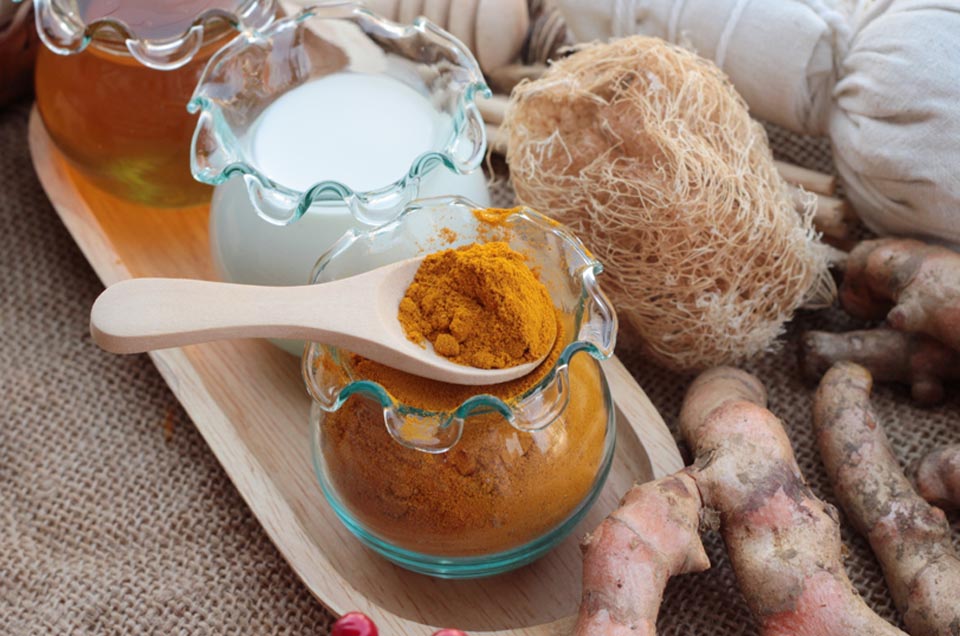
- Add warm spices: Use some warm spices in your food, such as ginger, cumin, and turmeric, etc for a better digestion process.
- Go for a walk: Do not just stay at home like a couch potato; go for a slow 30-minute walk to keep your body active.
- Sleep properly: Take 7-8 hours of sleep daily for better body and mind relaxation.
- Manage your stress levels: Do not take high stress; do breathing exercises and meditation for better mental well-being.
When To See A Doctor?
If you experience the following signs, go see a doctor immediately:
- If you have persistent vomiting.
- If you have frequent acid flare-ups that don't go away even after home remedies.
- If you have fever or headache.
- If you have severe constipation.
- If you have severe stomach pain.
- If you feel bloated all the time.
Conclusion
When the weather changes, our day to day live also changes with it. In this seasonal shift, our digestion suffers the most. As the weather changes, our bodies naturally react to the new weather. Even if we do not realize it, we start eating unhealthy foods, drink less water, sleep more, our bathroom habits change, and we become physically inactive, which directly affects our digestion. But it can be fixed by making simple changes to your routine and lifestyle.
References
The Influence of Seasonal Variations in Clinical Trials Based on Gut Microbiota Studies - PMC
Your Digestive System & How it Works - NIDDK