421
421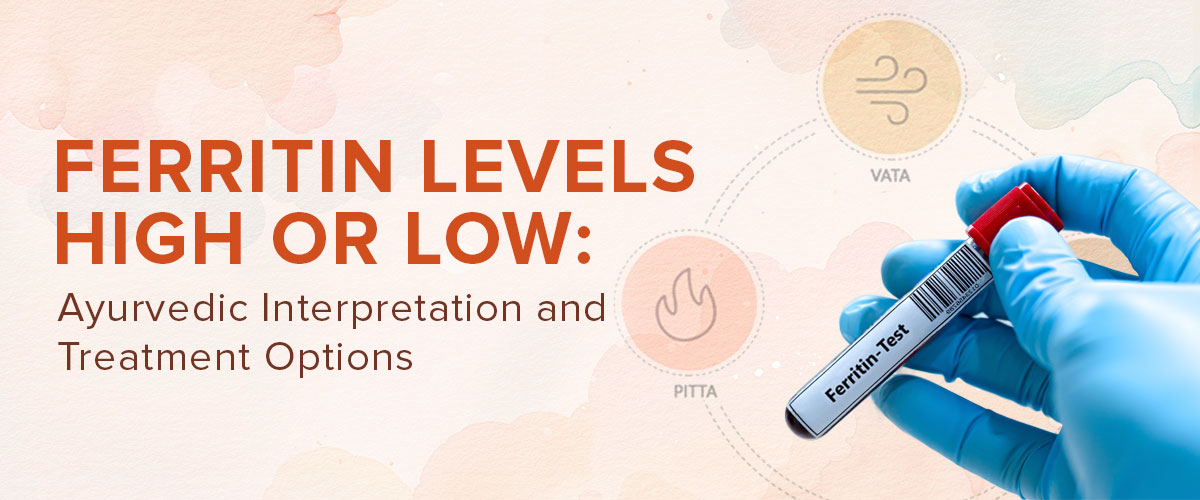
Ferritin results on a blood test can be confusing for many people - a normal value brings reassurance, while a high or low number often leads to concern. It is commonly mistaken as a direct measure of iron in the blood, but ferritin actually represents the body’s stored iron reserve. In addition, its level can shift in response to inflammation and liver function, which means it should never be read in isolation.
Focusing only on the number may give an incomplete picture. Clinical medicine explains what ferritin indicates at a biochemical level, while Ayurveda looks at the deeper functional factors - such as digestive strength, tissue nourishment, and metabolic balance - that influence how iron is stored and utilized. Considering both perspectives allows for a more thoughtful and well-rounded approach.
What Exactly Is Ferritin and What Does It Measure?
Ferritin is a protein that stores iron within the cells and releases it gradually as the body requires. Ferritin could be defined as your internal tank for iron. While serum iron changes quickly based on recent meals, ferritin reflects longer-term storage status.
Ferritin is commonly tested when evaluating fatigue, iron deficiency, hair loss, chronic illness, inflammatory conditions, liver problems, and nutritional status. Since ferritin levels rise in response to immune activation, it has an additional role as a stress marker as well as an iron-storage marker.
What Do Low or High Ferritin Levels Mean?
Ferritin reflects the body’s stored iron reserve, so values that fall too low or rise too high both carry clinical significance. A low level generally points toward depleted iron stores, sometimes even before anemia becomes visible in hemoglobin reports. A high level, on the other hand, does not always mean iron excess - it may also rise as part of inflammation or metabolic stress. That is why ferritin should always be interpreted with supporting lab markers and symptoms, not as a standalone number.
- Low ferritin generally indicates that iron stores in the body are running low, even if your hemoglobin is still normal. This can happen due to poor iron intake, weak digestion and absorption, blood loss (such as heavy periods), recovery after illness, gut problems, or higher needs during pregnancy and healing phases. Sometimes the problem is not just low iron in the diet, but the body not absorbing and using it properly.
- High ferritin does not always mean too much iron. It can also go up when there is inflammation, infection, liver stress, metabolic problems, autoimmune activity or certain long-term illnesses. That’s why a high ferritin number should be read along with other test results and symptoms, not on its own.
What Symptoms Can Appear With Ferritin Imbalance?
Ferritin itself does not cause noticeable symptoms. What a person feels usually comes from the underlying issue, either reduced iron reserves or increased inflammatory or metabolic stress. Because ferritin can be high or low for different reasons, the symptom pattern can also differ. Recognizing these signals can help guide timely evaluation and correction.
Common signs associated with low ferritin levels:
- Reduced stamina and easy fatigue
- Shortness of breath while engaging in physical activities
- Hair thinning or increased hair fall
- Pale skin or dull complexion
- Feeling unusually cold, especially in the hands and feet
- Dizziness or Lightheadedness at Times
- Poor concentration and mental fatigue
Common signs associated with high ferritin levels:
- Persistent body heaviness or lethargy
- Low-grade inflammatory aches and discomfort
- Digestive sluggishness or bloating
- Heat intolerance or Excessive Body Heat
- Stiffness or uneasiness in
- General fatigue with irritability
- Sense of internal “overload” or inflammatory stress
How Does Ayurveda Understand Ferritin Levels?
Ayurveda describes body nourishment as a step-by-step process of tissue building, called Dhatu poshana. Whatever we take as food is digested first and then slowly transformed into different body tissues. The tissues formed through the blood, called Rakta dhatu, are made with proper digestion and metabolism. If the digestion is poor and not proper, the nutrients from food are not fully processed, and the quality of blood tissue may become either deficient or unhealthy.
From an Ayurvedic perspective, disturbances of ferritin levels are related to overall underlying problems such as decreased or imbalanced Agni (digestive power), imbalanced Rakta Dhatu formation, imbalanced Pitta (surplus heat and reactivity), imbalanced Ama formation leading to toxins in the system, and reduced efficiency of liver functions. In simple terms, the issue is not only how much iron is entering the body, but how well the body is processing, storing, and regulating it. That is why both low and high ferritin are seen as signs of metabolic mismanagement - not just shortage or excess of supply.
How Does Ayurveda Approach Low Ferritin Levels?
Ayurvedic management focuses first on improving nutrient conversion rather than only increasing iron intake. Digestive correction is central because absorption depends on metabolic strength.
Approaches may include digestive stimulation, metabolic support, and classical herbomineral preparations selected by a practitioner. Food guidance usually favors warm, cooked meals, iron-supportive plant foods, soaked dry fruits when suitable, leafy vegetables with digestive spices, and avoiding very cold foods with meals.
How Does Ayurveda Manage High Ferritin Levels?
When ferritin levels are high, Ayurveda does not view it only as excess iron. It is often understood as a sign of increased internal heat, inflammatory load, toxin buildup (Ama), and possible liver stress. Because of this, the treatment direction shifts away from nourishing and building therapies. Instead, the focus moves toward cooling, cleansing, and metabolic balancing measures. The aim is to calm aggravated Pitta, reduce Ama, and support healthy liver and digestive function so that the body can regulate itself more effectively.
Treatment Direction in Ayurveda for High Ferritin
Ayurvedic therapy in such cases focuses on metabolic correction and gentle detox support. The main aim is to reduce internal irritation, support digestion without overstimulating it, and maintain healthy blood and liver function. Care plans may include Pitta-balancing dietary guidance, Ama-reducing measures, digestive regulation, and detox therapies selected according to the individual’s prakriti (constitution) and symptoms. The treatment is always personalized and not standardized or generalized.
Commonly Used Ayurvedic Herbs in High Ferritin
There are certain Ayurvedic herbs commonly used to help reduce internal heat, support liver function, and balance inflammatory activity when ferritin levels are high. However, their selection depends on an individual’s body type, digestive strength, and overall condition, so their use can vary from person to person.
- Guduchi - It is known as an herb that helps the body resist common illnesses and supports the natural immune system. It also helps the body cope better with stress and reduces excess inflammatory activity. In simple terms, Guduchi strengthens natural immunity and supports smoother metabolic function.
- Neem - It is well known for its cleansing and cooling properties. It helps reduce excess body heat and is useful when there are signs of toxin buildup or inflammation, especially related to the skin and blood. Neem is used in appropriate forms (not only oil) to support internal purification and inflammatory balance.
- Bhumi Amla -It is widely used to support healthy liver function. Since the liver plays a major role in regulating metabolism and blood chemistry, this herb is often helpful when signs of liver overload or stress are present. It supports more efficient liver activity and metabolic balance.
- Turmeric- It is a commonly used kitchen spice known for its natural anti-inflammatory and digestive-support benefits. It helps calm internal inflammation and supports both digestion and liver function. When used regularly in the right amount, turmeric can help improve metabolic balance and reduce internal irritation, making it a useful daily support spice rather than just a flavoring agent.
These herbs are usually given in the appropriate dose and combination after careful assessment, rather than being used uniformly for everyone.
What To Avoid To Maintain It?
- Very oily, fried, and heavy foods
- Excessively spicy and heating foods
- Alcohol and smoking
- Processed and packaged meals
- Overeating and late-night heavy dinners
- Excess red meat and very rich foods
- Daytime sleeping after heavy meals
- Overexertion during inflammatory flare-ups
The overall goal is to cool, clear, and rebalance, helping the body reduce inflammatory burden and regulate iron storage more effectively over time.
How Does Ayurveda Manage Low Ferritin Levels?
Ayurveda views low ferritin not simply as low iron intake, but as a sign of reduced blood nourishment and poor nutrient assimilation. The treatment plan focuses on improving digestion and absorption and supporting healthy blood tissue formation. Instead of only increasing iron through iron-rich foods, the main emphasis is on strengthening digestive power (Agni) so that nutrients are properly processed and utilized by the body.
Treatment Direction in Ayurveda for Low Ferritin
In a low ferritin state, Ayurvedic care focuses on strengthening digestion and improving tissue nourishment so that metabolic conversion works properly and healthy Rakta Dhatu (blood tissue) can be formed. The aim is to gradually restore energy and sustainably build reserves. Treatment may include digestive correction, metabolic support, a carefully planned nourishing diet, and restorative therapies chosen according to the individual’s constitution, symptoms, and tolerance. The care plan is always personalized rather than standardized.
Commonly Used Ayurvedic Herbs
Ayurvedic herbs and classical formulations are often used to support iron stores and healthy blood building, but they are always selected according to an individual’s body type and digestive capacity.
- Mandura-based preparations - These are classical Ayurvedic formulations made up of purified iron, processed with supportive herbs. They are used when the iron stores are low, and there is a need for rebuilding blood tissue. They will not only supply iron but also contain ingredients to support digestion so that the body can properly absorb and use it, rather than letting it pass through poorly digested.
- Amla (Indian gooseberry) - Amla is rich in vitamin C-like antioxidants and is known to support iron absorption. It also helps digestion, liver function, and tissue nourishment. Because it is gentle and balancing, it is often used in long-term rebuilding and recovery programs.
- Guduchi - This supports metabolic efficiency and is useful during convalescence after weakness or sickness. It enhances the metabolic processing of nutrition, assimilation, and utilization in a proper manner and helps maintain the immune balance. It is often useful when low ferritin is linked with poor metabolism or post-illness fatigue.
- Punarnava - Punarnava is typically used if there is low ferritin, fatigue, swelling, or general lack of vitality. It helps in the better function of the kidneys and liver, and helps in balancing the fluids, aiding in metabolic correction. Punarnava typically works when one feels drained and heavy.
- Ashwagandha -This is a very well-known adaptogenic herb used for tonification, and it works very well on energy, stamina, and endurance issues, especially where fatigue and weakness are symptoms of low ferritin.
- Shatavari - Iti is a nutrient-rich herb used to treat deficiency conditions characterized by dryness, weakness, or depletion of tissue elements in the body. It is involved in the building of tissues as well as the improvement of nutritional status.
These are prescribed in proper combinations and doses after careful assessment, rather than used in a general way.
What To Avoid To Maintain It?
- Very cold, raw, and hard-to-digest foods
- Skipping meals or irregular eating patterns
- Excess tea or coffee with meals, which reduces iron absorption
- Highly processed and junk foods with low nutrient value
- Eating when digestion is weak, or appetite is poor
- Heavy, greasy foods that weaken digestion
- Self-medicating with iron products without guidance
Final Thoughts
Ferritin levels, whether they be low or elevated, are not simply a test result; they are a sign of how effectively the body is handling its iron, metabolic, and inflammatory processes. When ferritin levels are low, it means that one is being poorly nourished and that nutrient absorption capabilities are failing. When ferritin levels are elevated, it means that inflammatory processes, the buildup of internal heat, and metabolic stress in the liver are all elevated.
If you are suffering from high ferritin levels or any other health condition, you can consult with certified Jiva doctors for personalized treatment and proper guidance. Call today: 0129-4264323.