
Successful Treatments
Clinics
Doctors
Ayurvedic Treatment for Diabetes
 Published on 03 Oct, 2026
 Updated on 03 Oct, 2026

Diabetes, or diabetes mellitus, is a chronic condition that occurs when the pancreas can no longer produce insulin or the body cannot effectively use it. Many people may have type 2 diabetes for years without any noticeable symptoms. The World Health Organisation (WHO) estimates that the number of adults living with diabetes increased from about 200 million in 1990 to 830 million in 2022.
How Blood Sugar Regulation Works
The carbohydrates get digested into glucose when consumed. Once in the blood, the glucose acts as a major energy source for the body's cells. The pancreas makes the hormone insulin, which can be likened to a messenger facilitating the transfer of glucose from the blood to the cells.
After eating food, there is an increase in the levels of blood glucose. In response, the pancreas secretes insulin, causing glucose uptake or storage in muscle and other tissues.
There are two problems:
- The pancreas may produce little or no insulin.
- The body may become resistant to insulin.
When glucose stays in the bloodstream for prolonged periods, hyperglycaemia develops. Over time, high blood glucose can damage blood vessels and nerves and increase the risk of problems involving the heart, kidney, eyes, and feet.
This is why diabetes is not simply a problem of “eating too much sugar .” Blood sugar regulation involves insulin, genetics, body composition, physical activity, food habits, and several other factors.
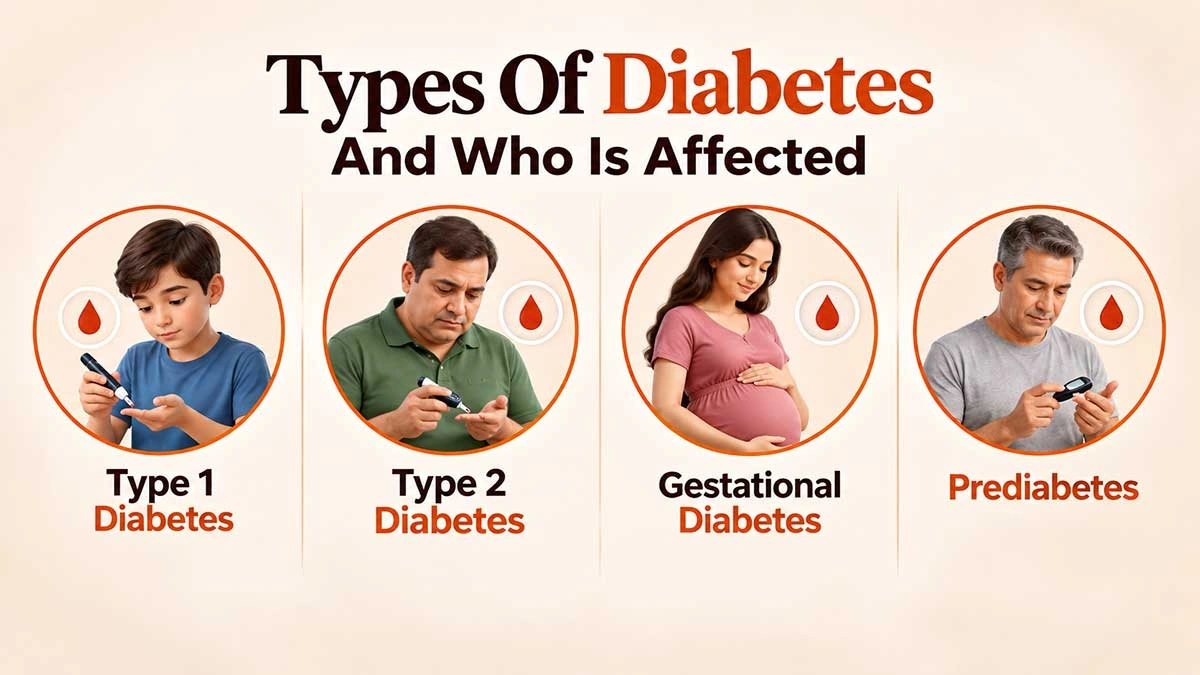
Types Of Diabetes And Who Is Affected
Type 1 Diabetes
It occurs when the body’s immune system destroys the insulin-producing beta cells in the pancreas. As a result, the body produces little or no insulin. It’s usually diagnosed in children and young adults, but it can develop at any age.
Type 2 Diabetes
Type 2 Diabetes is the most common type. It happens when the body becomes less sensitive to insulin and, over time, insulin production also becomes insufficient. It mainly affects adults, but children can have it as well.
The risk of diabetes is influenced by several factors, including:
- Family history
- Increasing age
- Overweight or obesity
- Physical inactivity
- Diet changes
Gestational Diabetes
This develops during pregnancy; it involves blood glucose levels that are higher than normal but do not necessarily meet the criteria for diabetes outside pregnancy. Prenatal screening is important. Women who develop gestational diabetes also have a higher future risk of type 2 diabetes.
Prediabetes
In this type, blood glucose is above the normal range but below the diagnostic threshold for Type 2 diabetes; it is an important warning stage because it indicates an increased risk of developing Type 2.
But prediabetes does not mean that you can't avoid it; lifestyle changes and appropriate medical guidance can reduce the risk of progression.
.webp)
Common Symptoms And When To Test
Diabetes symptoms can vary because type 1 diabetes may develop relatively quickly, while type 2 diabetes can progress slowly and may remain unnoticed for years. However, these are some of the symptoms:
- Increased thirst
- Frequent urination
- Increased hunger
- Unexplained weight loss
- Tiredness or fatigue
- Blurred vision
- Tingling or numbness in hands or feet
Having one of these symptoms does not automatically mean you have Diabetes.
Similar symptoms can occur with other health conditions. Testing becomes especially important if you have several risk factors or symptoms or if a healthcare professional recommends screening.
Causes And Risk Factors
There is no single cause of diabetes.
Genetics and Family
Genes can influence the process of developing diabetes. Having a close family member with diabetes can increase risk, although it does not guarantee that you will develop the condition.
Insulin Resistance
In type 2 diabetes, cells may become less responsive to insulin. The pancreas initially tries to compensate by making more insulin, but it may eventually be unable to keep up with the body's needs.
Excess Body Weight
Excess body fat, particularly around the abdomen, is also associated with insulin resistance; however, diabetes can occur at different body sizes.
Physical Inactivity
Regular physical activity helps muscles use glucose and improves insulin sensitivity. An inactive lifestyle can contribute to metabolic problems.
Pancreatic damage
Physical damage to your pancreas from a condition, surgery, or injury can impact its ability to make insulin, resulting in diabetes.
.webp)
Diagnosis And Key Tests
Diabetes should be diagnosed using laboratory tests rather than just identifying symptoms alone. Three tests can measure your blood glucose level:
HbA1c test
This estimates average blood glucose over approximate of previous two or three months; fasting is not generally required.
An HBA1C of
- Below 5.7% ( mg/dL) is generally normal.
- 5.7% to 6.4% ( mg/dL) is a warning sign of Prediabetes.
- Above or similar to 6.5 % (mg/dL) is generally a higher indicator of diabetes.
Fasting Plasma Glucose
This test measures blood glucose after fasting for at least 8 hours.
- Below 100 mg/dL is normal
- Prediabetes: 100 to 125 mg/dL
- Diabetes: 126 mg/dL or higher
Random Glucose Test
When a person has classic symptoms of hyperglycaemia, a random plasma glucose of 200 mg\dl or higher can be diagnostic in the appropriate clinical setting.
Oral Glucose Tolerance Test
An oral glucose tolerance test (OGTT) measures how the body handles glucose after a person drinks a measured glucose solution or drink. Your blood sample is taken to measure your fasting blood sugar level. Then you'll drink the liquid and have your blood sugar level checked. These checks usually happen at 1 hour, 2 hours, and possibly 3 hours afterward.
At 2 hours:
- Normal: 140 mg/dL or below
- Prediabetes: 140–199 mg/dL
- Diabetes: 200 mg/dL or above
Once diabetes is detected, healthcare professionals may also evaluate B.P (blood pressure), cholesterol, kidney function, eye health, feet, and cardiovascular health.
Treatment and Monitoring Overview
It's not about bringing down one blood sugar reading. The goal is to maintain or balance glucose in a targeted range while reducing the risk of complications.
Main aspects of managing diabetes are:
Healthy Eating
A balanced eating pattern can help with glucose control and overall metabolic health.
Important things to consider:
- Eat plenty of vegetables
- Choose high-fibre foods
- Proper protein sources
- Control portion
- Reduce consumption of highly processed foods
- Consuming healthy fats
There is no universal diabetes diet that would work for everyone; everyone needs a targeted diet plan for better nutrition.
Physical Activity
Regular activity helps muscles to use glucose and can improve insulin sensitivity.
For many adults, a combination of aerobic activity, strength training, and reducing prolonged sitting is useful. People already taking glucose-lowering medication should discuss exercise plans with their healthcare professional because some medicines can increase the risk of low blood sugar.
Blood Sugar Monitoring
Tracking your blood sugar regularly can help determine the effectiveness of your overall treatment plan. It gives you information about your sugar levels.
Medicine and Insulin
People with type 2 diabetes can initially manage glucose with lifestyle changes and oral medications, while others need medication from the beginning or according to the condition.
Type 1 diabetes requires insulin
Depending on the patient, treatment may include oral medicine or insulin. Type 1 diabetes requires injecting synthetic insulin to live and manage diabetes. Some people with Type 2 diabetes also require insulin. There are several different types of synthetic insulin. They each start to work at different speeds and last in your body for different lengths of time.
Diabetes Symptoms
Increased Thirst & Urination
High blood sugar levels make it tougher for the kidneys to filter and absorb extra sugar, resulting in dehydration and a greater need to urinate than before.
Unusual Weight Loss
Even if you are eating and feel hungrier, you may experience sudden weight loss, often with type 1 Diabetes. This is due to loss of sugar and water in urine and the breakdown of muscle and fat.
Fatigue
You may feel unusually tired and lethargic when your cells lack sugar, their major energy source.
Blurred Vision
High blood sugar levels could pull fluid from your eye lenses, causing issues with focusing and blurred vision.
Slow Healing Sores or Cuts
With time, high blood sugar can restrict blood circulation and cause nerve damage, which makes it hard for your body to heal wounds.
Tingling/Numbness in Hands or Feet
This is called neuropathy and is caused by nerve damage from high blood sugar levels for a prolonged period of time.
Frequent Infections
Diabetes can impair the immune system and lead to frequent infections, generally of the skin or vaginal yeast infections in women.
Ayurvedic Assessment and Supportive Management
For diabetes (Madhumeha or prameha), this involves the whole holistic evaluation of the body constitution (prakarti), metabolic fire (agni), and Jatharagni (Digestive fire).
From a supportive perspective, an Ayurvedic approach may emphasize
- Regular meal time
- Reducing consumption of highly processed foods
- Maintaining a healthy weight
- Adequate sleep
- Stress management practices
- Yoga and appropriate breathing practices
- Individual dietary planning
These principles can complement many modern diabetes management strategies.
Herbs and traditional formulations also deserve caution. Some supplements may interact with diabetes medicines and may cause blood glucose to fall too low. Some Ayurvedic products have also been found to contain potentially toxic heavy elements.
Therefore, anyone with diabetes who wants to use an Ayurvedic formulation must tell their doctor or consult a qualified Ayurvedic practitioner. Prescribed insulin or diabetes medication should never be replaced with an herbal product without medical supervision.
Ayurvedic practitioner evaluates physical and mental traits to see which forces are out of balance (Vata, Pitta, Kapha).
Assessment looks at diet, lack of exercise, and stress (chinta) and daily habits causing metabolic blockages.
Detoxification (Panchakarma): Supervised cleansing therapies may be used in early or mild stages to help reset metabolic balance.
Complications and Prevention
Uncontrolled diabetes can affect Multiple organs of our body over time.
Heart and blood vessels
Diabetes increases the risk of cardiovascular disease like heart disease and stroke.
Kidneys
High blood glucose can damage the small blood vessels in the kidneys and can lead to chronic kidney disease.
Nerves
Diabetic neuropathy can cause burning, tingling, numbness, or pain, particularly in the feet.
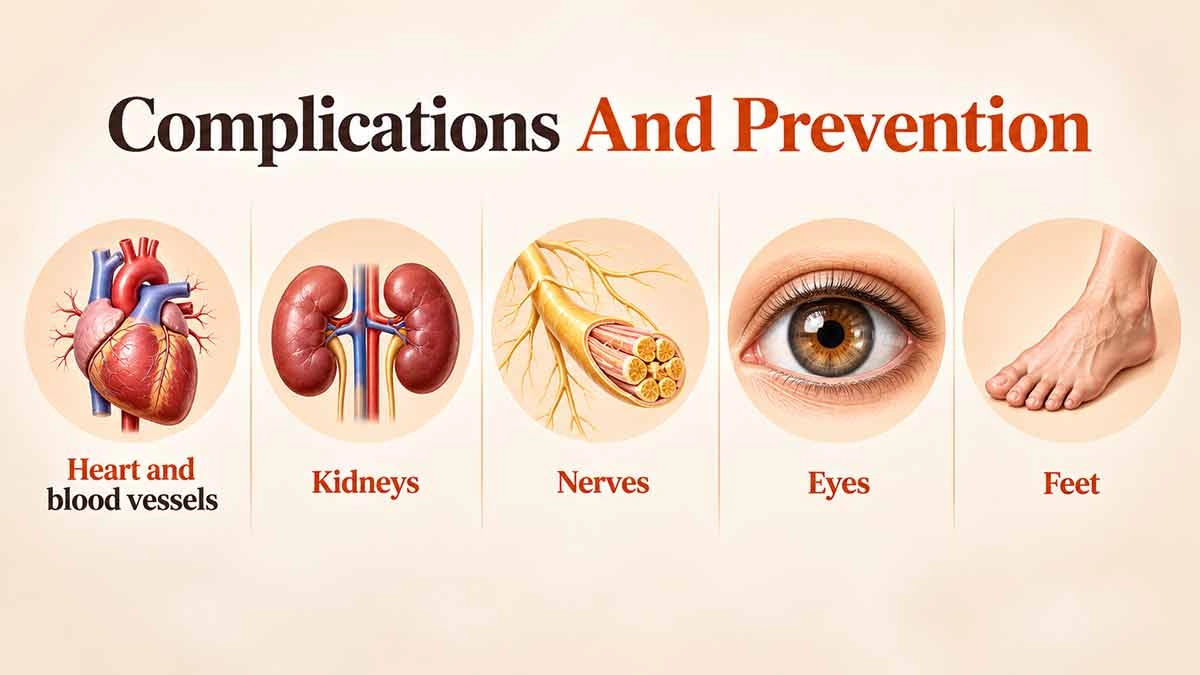
Eyes
Diabetes can damage retinal blood vessels and may eventually cause vision loss if not treated in a timely.
Feet
Reduced sensation and poor circulation can make foot injuries harder to notice and heal; in many cases, it can cause minor cuts and infections to take longer to heal in the form of diabetic ulcers.
How to Prevent Complications?
Prevention is not only based on blood sugar alone. A proper approach includes :
- Keep glucose within your target or limit.
- Monitor your HbA1c as recommended, along with blood pressure and cholesterol, etc.
- Avoid tobacco
- Stay physically active.
- Follow a balanced diet.
- Attend regular eye check-ups and kidney screening.
- Check your feet regularly or keep yourself away from injury
- Take prescribed medication consistently.
Early detection matters because some diabetes complications can develop before symptoms become obvious.
When To Seek Urgent Care
Most of the diabetes management happens through regular appointments, but certain symptoms require proper medical attention. Please note that you need to seek urgent medical help if a person with diabetes develops :
- Weakness and confusion
- Fainting or altered consciousness
- Vomiting
- Severe dehydration
- Very high blood glucose accompanied by concerning symptoms.
- Symptoms of severe low blood sugar that do not improve with recommended treatment.
- A serious foot wound or rapidly spreading infection.
If someone is unconscious or severely confused, do not attempt to give food or drink by mouth; seek emergency medical care.
Our Step-by-Step Care Process
When you come to Jiva Ayurveda, we want your healing journey to feel simple, personal, and completely stress-free. Here is exactly what you can expect when you start your treatment with us :
- Get In Touch: Leave your details with us or just give us a call directly on +91 9266714040.
- Book Your Slot: Meet our doctors at your convenience by visiting one of our 80+ clinics nationwide, or booking a video call for just Rs. 49 (down from 299).
- Finding the Root Cause: Our doctors assess the factors contributing to your condition, including the type, medical history, lifestyle, and Ayurvedic assessment.
- A Personalized Treatment Plan: After understanding your problem, we will make a personalized treatment plan that will be tailored just for you.
- We Stay With You: The process is not only about giving you the medicines and leaving you. We stay in touch with you to see how you are doing and adjust your treatment regimen accordingly.
Estimated Cost of Treatment for Diabetes at Jiva Ayurveda
Knowing how much your treatment will cost is important. At Jiva Ayurveda, we keep our pricing clear and upfront so you can choose the right plan for your health according to your needs.
Treatment Cost
If you are looking for regular, ongoing support, the starting cost for your medicines and doctor's consultation is usually between Rs 3000 and Rs 3500. Just keep in mind that this is just the baseline cost; the real cost may vary depending on the severity of the disease.
Protocol
For a deeper step-by-step approach, we offer specific healing packages that last for 3 to 4 months. You make a one-time payment ranging from Rs 15000 to Rs 40000 for the entire period.
The package includes:
- All medicines and doctor visits
- Hands-on physical therapy
- Customized diet plans, Yoga and meditation therapies
- Mental well-being support session
Why You Should Choose Jiva Ayurveda
Jiva Ayurveda provides customised and root-based Ayurvedic treatment that is primarily focused on providing health and wellness solutions for specific patients.
- Patient-specific treatment: Jiva’s therapy and treatments are structured by professional doctors for unique prakriti, diet, and lifestyle.
- Root-based Treatment: Jiva focuses on the specific root cause of the health condition or disease rather than focusing only on formal medicines; we focus on the internal problem.
- Authentic Ayurvedic medicines: Jiva provides authentic Ayurvedic medicines; we follow strict quality parameters to ensure safety and effectiveness.
- Protocol- based Analysis: We follow research-backed clinical methods to provide structured assistance to our patients.
- Assist 8000+ patients every single day: Jiva's doctors are specialised in a wide range of Ayurvedic healthcare, and every single day we assist more than 8000 people.
Explore The Diabetes Topic Hubs
This is not a small topic; it's a broad subject, and managing it often requires attention to several connected areas.
Diabetes Symptoms
Learn how increased thirst, frequent urination, fatigue, blurred vision, unexplained weight loss, and other symptoms may relate to high blood glucose.
Diabetes Diagnose
Understand HbA1c, fasting glucose, random glucose, and oral glucose tolerance testing, and why one test result may need confirmation.
Diabetes diet
Explore balanced meal patterns, portion control, fibre, protein, carbohydrates, healthy fats, and practical food choices.
Diabetes and exercise
Learn how walking, strength training, and regular movement can support insulin sensitivity.
And overall metabolic health.
Diabetes and Ayurveda
Explore how Ayurveda principles such as individualised diet, lifestyle, agni, activity, and stress management may provide supportive care while remaining alongside modern medical treatment.
Diabetes Complication
Understand diabetic neuropathy, kidney disease, eye complications, cardiovascular risk, and diabetic foot problems.
Diabetes prevention
For people who have prediabetes or are at higher risk, lifestyle changes can help delay or prevent type 2 diabetes. Healthy eating, regular exercise, and weight management are key ways suggested by WHO, too.
References
Use of Ayurveda in the Treatment of Type 2 Diabetes Mellitus - PMC
FAQs
Diabetes is a condition where the body struggles to regulate blood sugar. Over time, high sugar levels can affect the heart, kidneys, nerves, and eyes.
Frequent urination, excessive thirst, unexplained weight loss, fatigue, and blurred vision are common signs. Tingling or numbness in the hands and feet can also occur.
Ayurveda links diabetes to an imbalance of Kapha and Vata doshas and weak digestion (Agni). Poor diet, sedentary lifestyle, and stress often trigger the condition.
Type 2 diabetes can often be managed with diet, exercise, and Ayurvedic medicines. Ayurveda helps balance doshas and improve pancreatic function naturally.
Results vary by individual and severity, but many notice better energy and sugar control within weeks to months. Consistency and lifestyle adjustments are key.
Gudmar, Karela, Jamun seeds, Vijaysar, Neem, and Shilajit help regulate blood sugar and improve metabolism naturally. They support pancreatic health and overall wellness.
Yes, eating balanced meals, staying active, managing stress, and getting proper sleep can significantly improve blood sugar levels and prevent complications.
Monitoring blood sugar, following Ayurvedic guidance, staying active, and reducing stress help prevent nerve, kidney, and heart-related complications.
See a doctor if sugar levels remain consistently high or low, sudden vision changes occur, or unexplained fatigue or numbness appear. Early care prevents serious issues.
Ayurveda works best alongside modern care, focusing on root causes and long-term balance. Type 2 diabetes can be managed naturally, but monitoring remains essential.
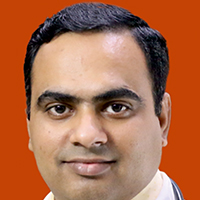
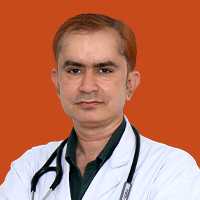
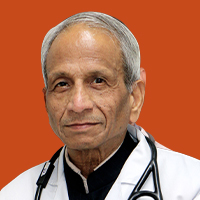
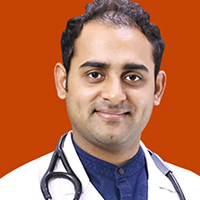
Consult Experienced Ayurveda Doctors for diabetes


Our Happy Patients
-
 Sunita Malik - Knee Pain
 -
 Abhishek Mal - Diabetes
 -
 Vidit Aggarwal - Psoriasis
 -
 Shanti - Sleeping Disorder
 -
 Ranjana - Arthritis
 -
 Jyoti - Migraine
 -
 Renu Lamba - Diabetes
 -
 Kamla Singh - Bulging Disc
 -
 Rajesh Kumar - Psoriasis
 -
 Dhruv Dutta - Diabetes
 -
 Atharva - Respiratory Disease
 -
 Amey - Skin Problem
 -
 Asha - Joint Problem
 -
 Sanjeeta - Joint Pain
 -
 A B Mukherjee - Acidity
 -
 Deepak Sharma - Lower Back Pain
 -
 Vyjayanti - Pcod
 -
 Sunil Singh - Thyroid
 -
 Sarla Gupta - Post Surgery Challenges
 -
 Syed Masood Ahmed - Osteoarthritis & Bp
Diagnostic Marker
- CRP and Heart Disease Risk: How Ayurveda Supports Heart Health
- High CRP Levels: Ayurvedic Causes, Meaning, and Natural Treatment Approach
- ESR Levels High: What It Indicates and How Ayurveda Helps Manage Inflammation
- HS-CRP High? Ayurvedic Ways to Reduce Chronic Inflammation Naturally
- Fasting Blood Sugar vs PP Sugar
- HbA1c Levels Explained: Ayurvedic Management for Long-Term Blood Sugar Control
- High Insulin Levels and Insulin Resistance: Ayurvedic Perspective and Care
- Homocysteine Levels High: Ayurvedic Ways to Reduce Heart Disease Risk
- TSH Levels High or Low: Ayurvedic Treatment for Thyroid Imbalance
- T3, T4, and TSH Report Explained Through Ayurveda
Blogs
- This World Diabetes Day ? Pledge to Fight Diabetes at the Root
- Five Early Signs of Diabetes
- 5 Foods That You Should Never Take in Diabetes
- Home-Remedies for Diabetes
- Simple Tips to Prevent Diabetes
- Adopt Ayurveda to Deal with Type 1 and 2 Diabetes
- Food Habits that Ayurveda recommends to diabetes patients
- Do?s and Don?ts to Manage Diabetes in Ayurvedic Lifestyle
- Managing Diabetes with Ayurveda
- Early Diabetes Symptom You Should Never Ignore
Home Remedies
Related Disease
- Ayurvedic Treatment for Obesity
- Thyroid Treatment In Ayurveda
- Ayurvedic Treatment for Diabetes
- Ayurvedic Treatment For Type 1 Diabetes
- Ayurvedic Treatment for Hypoglycemia
- Ayurvedic Treatment for Hyperglycemia
- Get Ayurvedic Treatment For Prediabetes
- Ayurvedic Treatment for Diabetic Neuropathy
- Ayurvedic Treatment for Gynecomastia
- Ayurvedic Treatment for Hernia
- Ayurvedic Treatment for Gangrene
- Ayurvedic Treatment for Weight Loss
Latest Blogs
- Online meetings के बीच zero movement दिन के अंत में stiffness क्यों बढ़ाता है?
- Screen brightness और late-night work sleep readiness को कैसे बदलते हैं
- Warm Vs Cold Foods: How To Discuss The Ayurvedic Idea Without Turning It Into A Myth
- Noise-cancelling headphones घंटों पहनना mental fatigue को कम करता है या बढ़ा सकता है?
- Sugar-Free Biscuits: Better Choice Or A Health Halo?
- Why a Long Afternoon Nap Can Make Bedtime Surprisingly Difficult
- Scrolling While Eating: The Habit That Makes Meals Harder to Remember
- The Forward-Head Posture You Don’t Notice Until Evening
- Are Seed Mixes Useful—Or Just Easy To Overeat?
- Laptop on the Sofa: Why Neck and Hip Stiffness Show Up Later
- Why Your Eyes Feel Tired Even When Screen Brightness Seems Fine
- Is A Standing Desk A Complete Fix For Too Much Sitting?
- Why a Damp Bathroom Can Affect More Than Just the Walls
- When ‘Resting’ Means Scrolling: Is Your Brain Actually Recovering?
- Work-from-home में bed पर काम करना शरीर को इतना थका क्यों देता है?
- Why Late-Night Snacking Often Appears On Stressful Days
- Sunday-Night Sleep Trouble: Anxiety, Routine Shift, Or Both?
- The Coffee That Helps At 4 Pm But Hurts At 11 Pm
- Should Everyone Start The Day With Lemon Water?
- Does Rainy Weather Really Make You Crave Fried Food More?
Ayurvedic Doctor In Top Cities
- Ayurvedic Doctors in Bangalore
- Ayurvedic Doctors in Pune
- Ayurvedic Doctors in Delhi
- Ayurvedic Doctors in Hyderabad
- Ayurvedic Doctors in Indore
- Ayurvedic Doctors in Mumbai
- Ayurvedic Doctors in Lucknow
- Ayurvedic Doctors in Kolkata
- Ayurvedic Doctors in Patna
- Ayurvedic Doctors in Vadodara
- Ayurvedic Doctors in Ahmedabad
- Ayurvedic Doctors in Chandigarh
- Ayurvedic Doctors in Gurugaon
- Ayurvedic Doctors in Jaipur
- Ayurvedic Doctors in Kanpur
- Ayurvedic Doctors in Noida
- Ayurvedic Doctors in Ranchi
- Ayurvedic Doctors in Bhopal
- Ayurvedic Doctors in Ludhiana
- Ayurvedic Doctors in Dehradun