
Successful Treatments
Clinics
Doctors
Ayurvedic Treatment for Child Asthma
 Published on 10 Oct, 2026
 Updated on 10 Oct, 2026

Child asthma is more than just breathing problems; it is a chronic respiratory disorder that affects the breathing of children. The disorder causes the airway of the child to narrow, hence causing breathing problems for the child. This causes the child to experience breathing problems, leading to coughing and wheezing.
What Is Child Asthma?
Child asthma, also known as asthma, is a chronic respiratory condition in which a child’s airways become inflamed, narrowed, and sensitive, making it difficult to breathe. The inflammation brings about particular symptoms, which include wheezing and coughing, together with chest tightness and shortness of breath that especially occur during physical activity and exposure to allergens and respiratory infections.
Children who have asthma typically face ongoing breathing difficulties, which can range from mild symptoms to severe episodes. Early diagnosis and proper management lead to better symptom control for children with asthma who will continue to experience their breathing condition.
Common Causes of Child Asthma
Asthma during childhood develops through the interaction between inherited traits and environmental factors, which specifically increase airway sensitivity toward particular asthma triggers.
Children may experience asthma symptoms because of allergens, which include:
- Allergies: As children encounter dust mites, pollen, pet dander, and mold, they experience asthma attacks.
- Respiratory Infections: Children who experience frequent respiratory illnesses, which include colds and viral infections, develop asthma symptoms through airway irritation.
- Air Pollution and Smoke: Children face an increased asthma risk from exposure to cigarette smoke, pollution, and strong chemical fumes.
- Family History of Asthma or Allergies: Children who have parents or close relatives with asthma or allergies face a higher risk of developing those conditions.
- Cold Air or Weather Changes: Some children experience asthma attacks when they encounter abrupt temperature changes or when they breathe cold air.
- Physical Activity: Asthma symptoms in children may occur after they complete intense physical training.
Signs and Symptoms of Child Asthma
The symptoms of childhood asthma can show mild to severe intensity, which occur intermittently or during asthma attacks. The symptoms become more severe at night and during physical activities, when the child comes into contact with dust, cold air, and allergens.
Common signs and symptoms include:
- Frequent Coughing: The person experiences continuous nighttime, exercise-related, laughter-induced, and crying-related coughing.
- Wheezing: The person produces a breathing sound that resembles whistling or squeaking during exhalation.
- Shortness of Breath: The person experiences difficulty breathing and breathlessness during normal daily activities and playtime.
- Chest Tightness or Pain: The child experiences chest pressure and discomfort.
- Rapid or Labored Breathing: The child starts to breathe at an increased rate while needing additional effort to breathe.
- Fatigue During Physical Activity: The child experiences quick exhaustion from physical activity, while he or she avoids playing because of breathing problems.
Complications of Childhood Asthma
The health of a child will be harmed through multiple complications that result from poor asthma control during their childhood years.
- Frequent Asthma Attacks: The inability to control asthma will lead to multiple breathing difficulties, which will include episodes of wheezing.
- Severe Breathing Problems: In some cases, asthma attacks can become severe and require emergency medical care.
- Sleep Disturbances: The combination of nighttime coughing and breathing difficulties causes sleep disruption, which results in health problems.
- Reduced Physical Activity: Children who experience uncontrolled asthma symptoms will stay away from sports activities and outdoor games because they face breathing challenges.
- Hospitalization: Emergency medical attention becomes necessary when patients experience critical asthma attacks.
- Long-term Lung Problems: Chronic airway inflammation will lead to progressive lung function decline when asthma treatment remains absent.
Diagnosis of Child Asthma
The process of diagnosing asthma in children requires assessment of their symptoms, their medical background, and their breathing capacity. To diagnose the disease, doctors perform multiple diagnostic procedures, which help them identify the disease while eliminating potential respiratory conditions.
Common methods used for diagnosis include:
- Medical History and Symptom Review: The doctor questions the patient about their ongoing symptoms, which include coughing and wheezing, and breathing problems, and their family history of asthma and allergies.
- Physical Examination: The doctor examines the child to see how their lungs function and whether there are symptoms of airway blockage or inflammation.
- Lung Function Tests (Spirometry): This test evaluates lung function by measuring the volume of air a child can inhale and exhale and the speed of their breathing.
- Allergy Testing: The doctor will suggest allergy tests to find out which allergens, like dust, pollen, and pet dander, are causing the patient's asthma symptoms to become worse.
- Chest X-ray or Other Tests: Medical professionals utilize imaging tests to eliminate potential lung diseases when patients display severe or ambiguous respiratory symptoms.
Early diagnosis helps ensure proper treatment and effective management of asthma symptoms in children.
Symptoms
Frequent coughing
This can be either a dry cough or a cough that brings up mucus (phlegm) and is usually worse at night or early morning.
Wheezing
A high-pitched whistling sound when breathing, especially when exhaling.
Shortness of breath
Feeling breathless even with mild physical activities.
Chest tightness or pain
A sense of tightness or squeezing of the chest.
Breathing rapidly
More rapid breathing than normal.
Fatigue
Leading to extreme weakness and a sense of exhaustion.
Lack of sleep
Caused by coughing, wheezing, or shortness of breath.
Recurrent respiratory infections
Children with asthma are more prone to recurrent respiratory infections, such as colds and bronchitis.
Ayurvedic Understanding of Child Asthma
In Ayurveda, childhood asthma is commonly associated with an imbalance of Kapha and Vata doshas, which affect the respiratory system. The condition of excess Kapha results in mucus build-up, which obstructs the airways and causes breathing problems. Vata aggravation causes abnormal airflow patterns and respiratory tract spasms.
The combination of weak digestion (Mandagni) and Ama (toxin) build-up in the body creates additional obstacles that restrict respiratory function and result in breathing challenges. Children with low immunity face worsened symptoms when they eat cold foods or encounter dust and allergens.
Ayurvedic treatment methods aim to balance Kapha and Vata doshas while enhancing digestion, boosting immunity, and removing excess mucus through dietary changes, lifestyle modifications, and herbal remedies, which support better breathing.
Jiva Ayurveda’s Treatment Approach for Child Asthma
Jiva Ayurveda offers a holistic solution to the problem of asthma in children, which is based on the strengthening of the respiratory system and the elimination of the causes of the illness. In Ayurvedic theory, the primary cause of asthma in a child is the Vata-Kapha imbalance, which leads to the accumulation of mucus in the airways, resulting in asthma. The therapy is designed to clear the passage, strengthen the lungs, and increase the level of immunity to reduce the occurrence of asthma.
Core Principles of the Jiva Ayunique™ Treatment Philosophy
1. HACCP-Certified Ayurvedic Medicines
Jiva Ayurveda provides herbal medicines that are made under stringent quality and safety conditions, which include HACCP certification. These medicines will help your child breathe normally by increasing lung power, reducing mucus, and ensuring easy breathing.
- Respiratory support herbs: These herbs will help your child breathe easily by opening up their respiratory system, which is usually affected by mucus buildup.
- Kapha balancing herbs: These herbs will help your child’s respiratory system by balancing Kapha, which usually causes coughing and congestion.
- Strengthening immunity: These medicines will strengthen your child’s immunity, which will reduce the chances of respiratory infections.
2. Dietary Changes
A healthy and wholesome diet is important to control asthma attacks in kids.
- Warm, light meals: These meals will be easily digestible, which will prevent the buildup of mucus.
- Avoid trigger foods: Avoid cold drinks, packaged foods, and excessive dairy products, which increase mucus buildup.
- Improve immunity: Fresh fruits, vegetables, and other healthy foods will improve your child’s immunity.
3. Panchakarma & Therapeutic Practices
Certain Ayurvedic treatments will improve your child’s respiratory health by detoxifying their bodies.
- Detoxification: These treatments will remove Ama, which usually affects the respiratory system.
- Inhalation of herbal steam: This will clear their nasal passage, which will improve their respiratory health.
- Massage: This will improve their chest health, which is usually affected by mucus buildup.
4. Lifestyle Changes
Lifestyle changes will improve your child’s health, which will improve their respiratory health.
- Avoid allergens: These will affect their respiratory health, so it is important to avoid allergens.
- Clean environment: This will improve their respiratory health, so it is important to maintain a clean environment at home.
- Rest: This is important to improve their health, which will improve their respiratory health.
5. Breathing Exercises & Yoga
Gentle breathing practices can help improve lung capacity and breathing control in children.
- Simple breathing exercises: These help strengthen the lungs and improve oxygen flow.
- Child-friendly yoga practices: Certain mild yoga poses help expand the chest and support better breathing.
- Relaxation techniques: Meditation and relaxation practices help calm the nervous system and reduce breathing difficulties.
Ayurvedic Medicines for Child Asthma
The Ayurvedic approach to treating childhood asthma concentrates on diminishing excessive mucus production, which is linked to Kapha, while establishing Vata balance, enhancing immunity, and developing respiratory health. Ayurvedic medicines are chosen according to the child's body type and the intensity of their medical condition.
Common Ayurvedic herbs used for childhood asthma include:
- Tulsi (Holy Basil): Tulsi helps clear mucus from the airways and supports better breathing by improving respiratory health.
- Vasaka (Adhatoda Vasica): The herb functions as a bronchodilator while it also serves as an expectorant to provide relief from coughing and nasal blockage.
- Pippali (Long Pepper): Pippali helps improve lung function, reduce breathing difficulty, and strengthen immunity.
- Licorice (Yashtimadhu): Yashtimadhu soothes the respiratory tract and helps relieve coughing and throat irritation.
- Sitopaladi Churna: The traditional Ayurvedic formulation functions as a treatment for cough and mucus buildup, and breathing discomfort.
These Ayurvedic medicines should only be taken under the guidance of a qualified Ayurvedic doctor, especially for children, to ensure the correct dosage and safe use.
Prevention of Child Asthma
Preventing asthma attacks in children mainly involves avoiding triggers and maintaining strong respiratory health. Certain lifestyle and environmental measures can help reduce the frequency and severity of symptoms.
- Avoid Allergens and Triggers: Keep the child away from dust, smoke, pollution, and strong chemical odors.
Maintain Clean Indoor Air: Regular cleaning, proper ventilation, and using dust-free bedding can reduce exposure to allergens. - Encourage a Healthy Diet: Nutritious foods that support immunity may help strengthen the respiratory system.
- Protect from Cold Air: Cover the nose and mouth in cold weather to prevent airway irritation.
- Promote Regular Physical Activity: Gentle exercise can improve lung capacity and overall health when done under proper guidance.
When to Seek Medical Care
Parents should take their child to a doctor when the child develops persistent coughs, wheezing, and breathing problems that occur mainly at night and after physical exertion. The child requires urgent medical help because his breathing difficulties, fast breathing, chest tightness, and bluish lips and facial color indicate a possible severe asthma attack. Timely medical treatment establishes proper disease management and protects patients from developing health complications.
Conclusion
Childhood Asthma is a chronic respiratory condition that can affect a child’s breathing and daily activities if not properly managed. Early diagnosis, avoiding triggers, and following the right treatment approach can help control symptoms and improve a child’s quality of life.
If your child is experiencing asthma symptoms, consult the certified doctors at Jiva Ayurveda for personalised guidance and holistic care. Call 0129-4264323 today to learn more about natural and effective treatment options.
FAQs
Common triggers include allergens like pollen, pet dander, dust mites, and mould, as well as cold air, smoke, respiratory infections, and strong emotions that can lead to stress or excitement.
Stay away from the familiar triggers, make sure the child appropriately uses all prescribed medications, practice avoidance of dust and allergens in the immediate environment, and have regular check-ups with a physician.
While Ayurveda may not claim that but it helps in managing Asthma symptoms naturally. The principles of Ayurveda will help to alleviate the symptoms to a significant extent by diet and lifestyle changes.
It is beneficial to avoid exposure to smoke, engage in regular but light physical activities, consume nourishing foods, and perform breathing exercises which are helpful in the prevention and management of asthma.
Yes, following an anti-inflammatory diet which includes adequate fruits and vegetables and omega-3 fatty acids can reduce factors leading to asthma inflammation and avoiding certain kinds of food can prevent asthma attacks., while avoiding foods that trigger allergies can prevent flare-ups.
Techniques such as diaphragmatic breathing and pursed lip breathing can help control breathing, reduce shortness of breath, and strengthen the lungs.
When administered under the guidance of a qualified practitioner, Ayurvedic treatments are generally safe, but it's crucial to discuss any new treatments with your child's physician to avoid conflicts with existing medications.
The effectiveness and response time can vary depending on the individual's condition and consistency in following the treatment plan, but some may notice improvements within a few weeks.
Absolutely, children with asthma can play sports, provided their asthma is well-managed and monitored. Exercise, when done safely, can strengthen the respiratory system and improve overall health.
Increasing use of rescue inhalers, frequent coughing or wheezing, trouble breathing, or disturbances in sleep due to asthma symptoms are signs that your child's asthma may be worsening and require a consultation with a healthcare provider.
Consult Experienced Ayurveda Doctors for Asthma




Our Happy Patients
-
 Sunita Malik - Knee Pain
 -
 Abhishek Mal - Diabetes
 -
 Vidit Aggarwal - Psoriasis
 -
 Shanti - Sleeping Disorder
 -
 Ranjana - Arthritis
 -
 Jyoti - Migraine
 -
 Renu Lamba - Diabetes
 -
 Kamla Singh - Bulging Disc
 -
 Rajesh Kumar - Psoriasis
 -
 Dhruv Dutta - Diabetes
 -
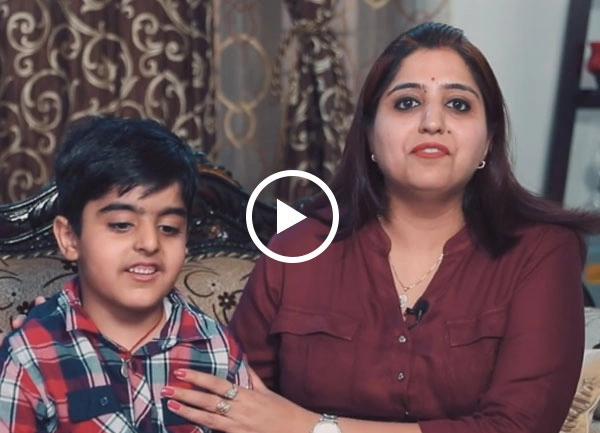 Atharva - Respiratory Disease
 -
 Amey - Skin Problem
 -
 Asha - Joint Problem
 -
 Sanjeeta - Joint Pain
 -
 A B Mukherjee - Acidity
 -
 Deepak Sharma - Lower Back Pain
 -
 Vyjayanti - Pcod
 -
 Sunil Singh - Thyroid
 -
 Sarla Gupta - Post Surgery Challenges
 -
 Syed Masood Ahmed - Osteoarthritis & Bp
Blogs
Related Disease
Latest Blogs
- बच्चों में weekend sleep timing बदलना Monday mood को कैसे प्रभावित कर सकता है
- Is Fasted Intense Exercise a Good Idea for Every Woman
- Health Tracking Every Hour: Helpful Awareness Or Another Source Of Stress?
- फोन देखते हुए चलना सिर्फ accident risk नहीं—posture और breathing पर क्या असर पड़ता है
- Bloating Before a Period: Why Lifestyle Can Change How It Feels
- बहुत जल्दी खाना खाने से पेट भरने का signal देर से क्यों मिलता है
- ‘No Added Sugar’ Doesn’t Automatically Mean Low Sugar—Here’s Why
- Online meetings के बीच zero movement दिन के अंत में stiffness क्यों बढ़ाता है?
- Screen brightness और late-night work sleep readiness को कैसे बदलते हैं
- Warm Vs Cold Foods: How To Discuss The Ayurvedic Idea Without Turning It Into A Myth
- Noise-cancelling headphones घंटों पहनना mental fatigue को कम करता है या बढ़ा सकता है?
- Sugar-Free Biscuits: Better Choice Or A Health Halo?
- Why a Long Afternoon Nap Can Make Bedtime Surprisingly Difficult
- Scrolling While Eating: The Habit That Makes Meals Harder to Remember
- The Forward-Head Posture You Don’t Notice Until Evening
- Are Seed Mixes Useful—Or Just Easy To Overeat?
- Laptop on the Sofa: Why Neck and Hip Stiffness Show Up Later
- Why Your Eyes Feel Tired Even When Screen Brightness Seems Fine
- Is A Standing Desk A Complete Fix For Too Much Sitting?
- Why a Damp Bathroom Can Affect More Than Just the Walls
Ayurvedic Doctor In Top Cities
- Ayurvedic Doctors in Bangalore
- Ayurvedic Doctors in Pune
- Ayurvedic Doctors in Delhi
- Ayurvedic Doctors in Hyderabad
- Ayurvedic Doctors in Indore
- Ayurvedic Doctors in Mumbai
- Ayurvedic Doctors in Lucknow
- Ayurvedic Doctors in Kolkata
- Ayurvedic Doctors in Patna
- Ayurvedic Doctors in Vadodara
- Ayurvedic Doctors in Ahmedabad
- Ayurvedic Doctors in Chandigarh
- Ayurvedic Doctors in Gurugaon
- Ayurvedic Doctors in Jaipur
- Ayurvedic Doctors in Kanpur
- Ayurvedic Doctors in Noida
- Ayurvedic Doctors in Ranchi
- Ayurvedic Doctors in Bhopal
- Ayurvedic Doctors in Ludhiana
- Ayurvedic Doctors in Dehradun