
Successful Treatments
Clinics
Doctors
Ayurvedic Treatment for Infertility: Possible Causes, Tests & Supportive Care
 Published on 01 Jan, 1970
 Updated on 13 Nov, 2026

- Home / Diseases & Ayurveda / Gynaecology / Ayurvedic Treatment for Infertility: Possible Causes, Tests & Supportive Care
Infertility is a reproductive health condition in which a person or couple is unable to achieve pregnancy. It can affect both men and women and may be linked to hormonal imbalances, ovulation problems, blocked reproductive organs, or age-related changes. In some cases, the exact cause remains unknown even after medical tests.
At Jiva Ayurveda, infertility is approached by looking at the overall health of both partners rather than focusing on just one issue. The doctor considers their medical history, daily routine, and reproductive health before suggesting a personalized care plan. This may include Ayurvedic medicines, dietary changes, and lifestyle guidance to support reproductive well-being.
Who Can Benefit From Jiva’s Infertility Treatment?
Infertility treatment may help individuals and couples who are facing difficulty conceiving due to different reproductive health concerns. Medical evaluation can help identify the underlying cause and guide suitable treatment. The following people may benefit from seeking fertility care.
Women With Irregular Periods
Those experiencing irregular or absent periods, which may indicate problems with ovulation.
Men With Sperm Related Problems
Those who have a low sperm count or poor- quality sperm can make fertilisation difficult.
Couple With Unexplained Infertility
Those who have difficulty conceiving even when routine fertility tests do not identify a clear cause.
Couple With A History Of Miscarriages
Those who have experienced repeated pregnancy losses and need further evaluation.
Couple Trying To Conceive After 35
Women may lose quality and quantity of eggs after 35, so those who are trying to conceive after 35 may need medical care.
Individuals With Lifestyle-Related Concerns
Those dealing with obesity, smoking, excessive alcohol consumption, or other factors that may affect reproductive health.
How Does Jiva Ayurveda Assess Infertility
At Jiva Ayurveda, the assessment begins with understanding the health concerns of both partners. The doctor takes a detailed medical history, including menstrual patterns, previous pregnancies, sexual health, existing medical conditions, medications, diet, and daily routine. In women, factors such as ovulation, menstrual health, and reproductive conditions are considered, while in men, sperm health is also assessed. Ayurvedic treatment may further consider digestive health, dosha balance, and overall physical and mental well-being. Based on the findings, the doctor may suggest relevant tests or recommend consultation with a fertility specialist to identify the possible cause and plan suitable care.
How Does Jiva Ayurveda Help In Infertility Management?
Jiva Ayurveda offers holistic Ayurvedic treatment of Infertility using evidence-based Ayurveda. The treatment plans are customised to target the very root causes of the disease, and instead of just treating symptoms, they focus on holistic healing, balance, and stability in totality.
Personalised Ayurvedic Medicines And Herbs
Ayurveda provides a number of herbal remedies for managing Infertility, a condition that affects many couples worldwide. These herbs are considered useful for their natural properties in supporting and improving reproductive health in both men and women.
Here are some important medicines traditionally used for Infertility treatment in Ayurveda:
- Shatavari (Asparagus Racemosus): Shatavari is known as the "Queen of Herbs" in Ayurveda for supporting hormonal balance, menstrual cycles, and fertility in women.
- Ashwagandha (Withania Somnifera): This adaptogenic herb is believed to reduce stress, increase vitality, and regulate the hormones necessary for good fertility.
- Gokshura (Tribulus Terrestris): Gokshura can also improve sperm count and motility, especially for male Infertility treatment.
- Shilajit: It is a mineral-rich resin that promotes vitality and improves reproductive health and energy levels in both men and women.
- Vidarikand (Pueraria Tuberosa): It helps nourish the female reproductive organs and is especially supportive in enhancing fertility.
- Kapikacchu (Mucuna Pruriens): This Ayurvedic herb benefits male fertility by improving sperm quality and testosterone production.
- Lodhra (Symplocos Racemosa): This herb helps balance the hormones and regulate menstrual cycles, supporting female reproductive health.
- Guduchi (Tinospora Cordifolia): Guduchi is an immune-modulating and antioxidant herb that supports complete reproductive health.
- Triphala: A classic Ayurvedic blend that helps with detoxification and digestion, thus supporting overall well-being for better reproductive health.
A Balanced Diet Plan
A healthy, balanced diet can support reproductive health in both men and women. Include foods that provide essential vitamins, minerals, antioxidants, and healthy fats. Try to include the following in your daily meals:
- Fresh Fruits and Vegetables: Include oranges, berries, amla, spinach, carrots, and other seasonal vegetables for vitamins and antioxidants.
- Warm & Cooked Foods: Include steamed vegetables, soups, and freshly prepared food to stabilise vata dosha.
- Healthy Fats: Include coconut oil, sesame oil, olive oil, and ghee in moderation in your diet. It helps nourish reproductive tissues.
- Whole Grains: Choose oats, brown rice, whole wheat, and millets to get fibre and maintain steady energy levels.
- Protein-Rich Foods: Include dal, beans, chickpeas, paneer, tofu, milk, and curd to support overall health and tissue repair.
- Stay Hydrated: Drink enough water throughout the day to maintain normal body functions.
Lifestyle Modifications
Daily habits can influence reproductive health in both men and women. Making a few consistent changes can support overall well-being and help manage some factors associated with fertility.
- Maintain A Healthy Body Weight: Being underweight and overweight can affect hormonal balance and reproductive function.
- Exercise Regularly: Include activities such as walking, yoga, or light exercise to stay active. Avoid excessive workouts.
- Maintain Stress: Practice meditation deep breathing or other relaxation activities to manage emotional stress.
- Get Adequate Sleep: Aim for 7 to 9 hours of quality sleep and maintain a regular sleep schedule.
- Maintain A Routine (Dincharya): Eat meals on time, stay physically active, and avoid prolonged sedentary habits.
- Avoid Smoking and Alcohol: Both can negatavity affect reproductive health.
- Avoid Self-Medication: Do not take any medicines or herbal preparations without consulting a qualified doctor, as it can cause severe side effects.
Regular Follow-ups
Managing infertility may take time, so regular follow-ups are important to understand how the treatment is progressing. At Jiva Ayurveda, doctors review changes in menstrual patterns, reproductive health, overall well-being, and any concerns experienced during the treatment.
They may adjust dietary advice, lifestyle recommendations, or personalised Ayurvedic medicine based on the individual response. Both partners should stay in touch with their doctor and complete recommended fertility tests on time. Regular monitoring also helps identify when additional medical evaluation or fertility specialist support is needed.
Looking For Personalised Ayurvedic Support For Infertility
Book a consultation at +91 9266714040 to discuss your infertility symptoms, reproductive health, lifestyle habits, and treatment options. A personal life plan should consider your overall health and any medicines you already take.
Infertility Symptoms
Ayurvedic Therapies For Infertility
In Ayurveda, certain therapies are traditionally used to support reproductive health and overall well-being. Depending on the individual condition, a Jiva’s Ayurvedic doctor may recommend these therapies as part of a personalised treatment plan:
- Abhyanga: A traditional full-body oil massage that helps promote relaxation and support general well-being.
- Basti: A specialised Ayurvedic therapy traditionally used to manage Vata-related conditions. Its suitability depends on individual assessment.
- Shirodhara: A relaxation therapy in which a steady stream of warm oil is poured over the forehead to promote calmness and relaxation.
- Vamana: It helps remove Kapha-related toxins and excess mucus from the gastrointestinal tract.
- Virechana: It helps cleanse the intestine and remove Pitta-related toxins.
Your Infertility Care Journey At Jiva Ayurveda
Step 1: Speak to a Jiva Ayurveda Doctor
Book a clinic or video consultation by calling +91 9266714040, depending on availability and your medical needs. Tell the doctor about your infertility and reproductive health, symptoms, and current treatment.
Step 2: Share Your Medical Reports
Share all the medical reports of your condition. Also share the names of the medicines you are taking.
Step 3: Get a Personalised Care Plan
Your doctor may suggest suitable Ayurvedic support, dietary changes, exercise, and lifestyle recommendations according to your health condition.
Step 4: Follow the Plan and Monitor Your Sugar
Follow the recommended routine and keep a simple record of your progress to discuss during the next consultation.
Step 5: Review Your Progress
During follow-ups, your doctor can review your reports, discuss any difficulties, and make suitable changes to your supportive care plan.
Infertility management needs time, and regular monitoring remains important.
Which Tests Are Important During Infertility Treatment?
Infertility tests help identify possible Problems with ovulation, reproductive organs, sperm health, and hormonal balance. The tests recommended depend on the medical history, age, and symptoms of both partners.
For Women:
- Hormonal Tests: Blood tests for FSH, LH, oestradiol, prolactin, and thyroid-stimulating hormone may help identify hormonal concerns.
- Pelvic Ultrasound: It helps examine the uterus and ovaries and identify conditions such as fibroids, ovarian cysts, or PCOS.
- Ovulation Assessment: Blood progesterone testing, timed according to the menstrual cycle, can help confirm whether ovulation has occurred.
- Hysterosalpingography (HSG): It is an imaging test used to check whether the fallopian tubes are open and assess the shape of the uterine cavity.
For Men:
- Semen Analysis: It checks sperm count and other parameters.
- Hormonal Tests: Testosterone, FSH, and LH tests may be recommended when hormonal problems are suspected.
Scrotal Ultrasound: It helps examine the testicles and identify other conditions.
For Both:
- Infection Screening: Tests for specific reproductive tract infections may be advised based on medical history and symptoms.
Red Flags To Watch Out For
Certain symptoms may indicate an underlying reproductive health problem that needs medical attention. Do not ignore the following signs:
- Absent or highly irregular periods
- Severe pelvic pain
- Unusual vaginal bleeding
- Testicular pain and swelling
- Repeated miscarriages
- Unexplained changes in body weight or excessive facial hair.
Estimated Cost Of Treatment For Infertility At Jiva Ayurveda
Knowing how much your treatment will cost is important. At Jiva Ayurveda, we keep our pricing clear and upfront so you can choose the right plan for your health according to your needs.
Treatment Cost
If you are looking for regular, ongoing support, the starting cost for your medicines and doctor's consultation is usually between Rs 3000 and Rs 3500/Month. Just keep in mind that this is just the baseline cost; the real cost may vary depending on the severity of the disease.
Protocol
For a deeper step-by-step approach, we offer specific healing packages that last for 3 to 4 months. You make a one-time payment ranging from Rs 15000 to Rs 40000 for the entire period.
The package includes:
- All medicines and doctor visits
- Hands-on physical therapy
- Customised diet plans, yoga and meditation therapies
- Mental well-being support sessions
Why Should You Choose Jiva Ayurveda?
Jiva Ayurveda provides customised and root-based Ayurvedic treatment that is primarily focused on providing health and wellness solutions for specific patients.
- Patient-specific treatment: Jiva’s therapies and treatments are structured by professional doctors according to each patient’s unique prakriti, diet, and lifestyle.
- Root-based treatment: Jiva focuses on the specific root cause of the health condition or disease rather than focusing only on medicines, with an emphasis on addressing underlying factors.
- Authentic Ayurvedic medicines: Jiva provides authentic Ayurvedic medicines; we follow strict quality parameters to ensure safety and effectiveness.
- Protocol-based analysis: We follow research-backed clinical methods to provide structured assistance to our patients.
- Assist 8000+ patients every day: Jiva's doctors are specialised in a wide range of Ayurvedic healthcare, and every single day, we assist more than 8000 people.
Reference
Diagnosis and Management of Infertility: A Review - PMC
Infertility: MedlinePlus Medical Encyclopedia
Effectiveness of Ayurveda Intervention in the Management of Infertility: A Systematic Review - PMC
Ayurveda management of infertility associated with Polycystic Ovarian Syndrome: A case report - PMC
FAQs
No, female masturbation does not cause Infertility. This is a normal activity that doesn't damage the reproductive organs or their functions.
Infertility generally starts to worsen after age 35 in women as the quality and quantity of eggs decrease.
Yes, lifestyle modifications such as maintaining a healthy weight, quitting smoking, reducing stress, and exercising regularly could boost fertility.
Ayurvedic diagnosis of Infertility involves taking a detailed personal and medical history, physical examination, and assessing dietary habits and lifestyle for dosha imbalances.
No, Infertility affects men and women almost equally. It may be due to male factors or female factors, or issues with both partners.
Couples under 35 should try for a year, and those over 35 should seek help after six months.
Although Infertility isn't caused by stress alone, it may worsen the factors that make conceiving more difficult by affecting hormones and overall health.
As per Ayurveda, stress reduction and fertility enhancement practices include yoga, meditation, and pranayama (breath control).
Yes, a balanced diet containing fruits, vegetables, whole grains, and lean proteins can support fertility by providing required nutrients and balancing the body’s doshas.
The process begins with purification and detoxification of the body through Panchakarma, followed by rejuvenation with specific herbs and dietary modifications.
Yes, Ayurveda provides specific Infertility treatments and herbal medicines for both male and female Infertility issues separately.
Mental and emotional health can considerably impact fertility. Ayurveda stresses holistic health, including emotional and mental balance for improving reproductive health.
Ayurveda suggests regular detoxification, eating right, managing stress, and living according to natural circadian rhythms for good reproductive health.
The treatment is most effective when both partners are healthy and before age 35 for women, due to higher egg quantity and quality.
Find Jiva Ayurveda Clinics for Infertility Treatment Near You
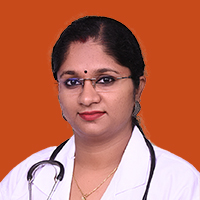
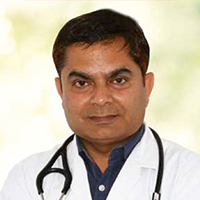
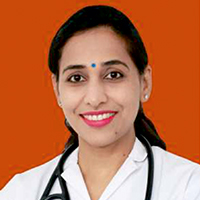
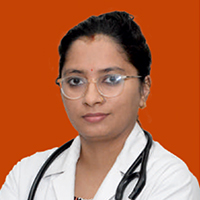
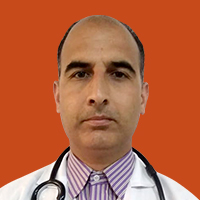
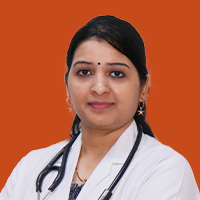
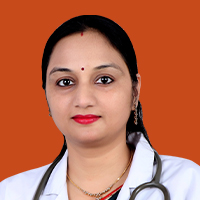
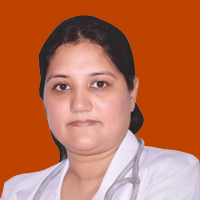
Consult Experienced Ayurveda Doctors for Infertility











Our Happy Patients
-
 Sunita Malik - Knee Pain
-
 Abhishek Mal - Diabetes
-
 Vidit Aggarwal - Psoriasis
-
 Shanti - Sleeping Disorder
-
 Ranjana - Arthritis
-
 Jyoti - Migraine
-
 Renu Lamba - Diabetes
-
 Kamla Singh - Bulging Disc
-
 Rajesh Kumar - Psoriasis
-
 Dhruv Dutta - Diabetes
-
 Atharva - Respiratory Disease
-
 Amey - Skin Problem
-
 Asha - Joint Problem
-
 Sanjeeta - Joint Pain
-
 A B Mukherjee - Acidity
-
 Deepak Sharma - Lower Back Pain
-
 Vyjayanti - Pcod
-
 Sunil Singh - Thyroid
-
 Sarla Gupta - Post Surgery Challenges
-
 Syed Masood Ahmed - Osteoarthritis & Bp
Diagnostic Marker
Blogs
- 5 Common Causes of Infertility
- 5 Ayurvedic Home Remedies To Boost Male Infertility
- Best Ayurvedic Clinic for Infertility
- Male Infertility Treatment – Ayurvedic Ways to Boost Fertility
- इनफर्टिलिटी (बांझपन) का आयुर्वेदिक इलाज – प्राकृतिक तरीके से गर्भधारण के उपाय
- प्राकृतिक तरीके से संतान प्राप्ति – आयुर्वेदिक इलाज और परामर्श
- 6 साल लंबी Infertility की लड़ाई और हर उम्मीद टूट चुकी थी—आयुर्वेद ने कैसे दिखाई नई रोशनी?
- Why Your Periods Suddenly Stop for 2–3 Months?
- Why Couples Fail to Conceive Even With Normal Reports
- Why Irregular Sleep Can Affect Fertility?
Home Remedies
Related Disease
- Ayurvedic Treatment for Infertility: Possible Causes, Tests & Supportive Care
- Ayurvedic Treatment for Frigidity: Symptoms, Causes & Management
- Ayurvedic Treatment for Leucorrhoea: Symptoms, Causes & Management
- Ayurvedic Treatment for Menopause: Symptoms, Causes & Care Options
- Ayurvedic Treatment for Adenomyosis: Symptoms, Causes & Management
- Ayurvedic Treatment for Endometriosis: Symptoms, Causes & Care Options
- Ayurvedic Treatment for Dysmenorrhea: Symptoms, Causes & Care Options
- Ayurvedic Treatment for PCOS: Irregular Periods, Symptoms, Causes & Care
- Ayurvedic Treatment for Vaginal Infection: Symptoms, Causes & Care Options
- Ayurvedic Treatment for Vaginal Yeast Infection: Symptoms, Causes & Care Options
- Ayurvedic Treatment for Hematuria: Symptoms, Causes & Management
- Ayurvedic Treatment for Epididymitis: Symptoms, Causes & Management
- Ayurvedic Treatment for Uterine Fibroids: Symptoms, Causes & Care Options
- Ayurvedic Treatment for Hirsutism: Symptoms, Causes & Management
- Ayurvedic Treatment for Menorrhagia: Symptoms, Causes & Care Options
- Ayurvedic Treatment for Amenorrhea: Symptoms, Causes & Care Options
Latest Blogs
- IBS के लिए 3 डॉक्टर बदल लिए, हर रिपोर्ट normal है पर खाते ही टॉयलेट भागना पड़ता है
- बवासीर की हर क्रीम और गोली आज़मा ली, अब हर बार शौच में खून और मस्से बाहर आ जाते हैंबवासीर की हर क्रीम और गोली आज़मा ली, अब हर बार शौच में खून और मस्से बाहर आ जाते हैं
- HbA1c 8 से नीचे नहीं आ रहा, दवा दो बार बढ़ चुकी है, अब इंसुलिन की बात होने लगी
- शराब को कभी हाथ नहीं लगाया, फिर भी रिपोर्ट में Grade 1 Fatty Liver आ गया
- रोज़ धूप लेने के बाद भी Vitamin D कम आ रहा है? हड्डियों का दर्द इसी से जुड़ा हो सकता है
- शुगर ठीक आने लगी तो क्या BP और शुगर की दवा खुद से बंद कर सकते हैं?
- डॉक्टर ने knee replacement की सलाह दी है तो सर्जरी से पहले ये बातें समझ लें
- दाल, पनीर और टमाटर छोड़ दिए, फिर भी यूरिक एसिड कम नहीं हुआ
- आयुर्वेद में परहेज इतना सख़्त क्यों होता है, क्या थोड़ी छूट ले सकते हैं?
- X-ray नॉर्मल है, पर कूल्हे और कमर में दर्द बना रहता है? AVN के शुरुआती लक्षण ऐसे पहचानें
- MRI रिपोर्ट में मामूली Bulge लिखा है, तो फिर दर्द इतना तेज़ कैसे?
- बवासीर का ऑपरेशन करवाने के साल भर बाद फिर से वही तकलीफ़ शुरू हो गई
- सुना है आयुर्वेदिक चूर्ण में Steroid मिला होता है, असली और मिलावटी दवा में फर्क कैसे पहचानें
- The Lunchbox ‘Health Halo’: Packaged Snacks Parents Often Misread
- Ayurveda में भूख को सिर्फ ‘खाने की इच्छा’ नहीं माना जाता—modern routine इसे कैसे बदलता है
- ठंड में पानी कम पीने की आदत यूरिक एसिड को धीरे-धीरे बढ़ा देती है
- Personalized Wellness की Modern Trend और Prakriti-Based Thinking में क्या Connection हैं?
- Modern Gut Health and the Ayurvedic Idea of Agni: Where They Overlap
- खाना-पीना वही है, दवा भी वही, फिर सर्दियों में शुगर क्यों बढ़ जाती है?
- रोज़ काढ़ा पीने से पेट में जलन और मुंह में छाले, कहीं ज़्यादा तो नहीं पी रहे?
Ayurvedic Doctor In Top Cities
- Ayurvedic Doctors in Bangalore
- Ayurvedic Doctors in Pune
- Ayurvedic Doctors in Delhi
- Ayurvedic Doctors in Hyderabad
- Ayurvedic Doctors in Indore
- Ayurvedic Doctors in Mumbai
- Ayurvedic Doctors in Lucknow
- Ayurvedic Doctors in Kolkata
- Ayurvedic Doctors in Patna
- Ayurvedic Doctors in Vadodara
- Ayurvedic Doctors in Ahmedabad
- Ayurvedic Doctors in Chandigarh
- Ayurvedic Doctors in Gurugaon
- Ayurvedic Doctors in Jaipur
- Ayurvedic Doctors in Kanpur
- Ayurvedic Doctors in Noida
- Ayurvedic Doctors in Ranchi
- Ayurvedic Doctors in Bhopal
- Ayurvedic Doctors in Ludhiana
- Ayurvedic Doctors in Dehradun