
Successful Treatments
Clinics
Doctors
Ayurvedic Treatment for Endometriosis: Symptoms, Causes & Care Options
 Published on 24 Oct, 2026
 Updated on 24 Oct, 2026

- Home / Diseases & Ayurveda / Gynaecology / Ayurvedic Treatment for Endometriosis: Symptoms, Causes & Care Options
What is Endometriosis?
Endometriosis is a chronic condition whereby the tissue that forms the lining in the uterus begins to grow outside it. These growths happen on the ovaries, fallopian tubes and the outside of the uterus, among others in the pelvic region. The tissue continues to behave as it does in the uterus and forms during each cycle, thickening, breaking down, and bleeding. However, since the tissue has no way out of the body, it tends to get stuck there, causing pain and complications.
Symptoms
Severe menstrual period pain
Severe menstrual period pain associated with endometriosis
Heavy menstrual bleeding
Heavy menstrual bleeding
Painful bowel movements
Painful bowel movements or urination during menstruation
Chronic Pelvic Pain
Chronic pelvic pain
Endometriosis ovulation pain
Endometriosis ovulation pain
Pain during coitus
Pain during coitus
Endometriosis ovarian cyst formation
Endometriosis ovarian cyst formation
Fatigue
Fatigue
Bloating and vomiting
Bloating and vomiting
Infertility
Infertility or difficulty conceiving
Lower back pain
Lower back pain during menstruation
Constipation
Diarrhea or Constipation
Irregular menses
Irregular menses
Painful bladder symptoms
Painful bladder symptoms
Leg or thigh pain
Leg or thigh pain
Depressivity
Depressivity or mood swings
Lower abdominal pain
Lower abdominal pain unrelated to menstruation
Painful rectal bleeding
Painful rectal bleeding
Migraine
Endometriosis-associated migraine
Pregnancy Challenges
Endometriosis and pregnancy challenges
What Causes Endometriosis?
Here are the possible causes of endometriosis:
1. Retrograde Menstruation
According to this theory, menstrual blood flows back into the pelvic cavity through the fallopian tubes. In this cavity, the blood contains endometrial cells that may adhere to pelvic organs, forming endometriosis lesions.
2. Immune System Disorders
According to this theory, menstrual blood flows back into the pelvic cavity through the fallopian tubes. In this cavity, the blood contains endometrial cells that may adhere to pelvic organs, forming endometriosis lesions.
3. Genetic Predisposition
A family history in women increases the risk for endometriosis, implying that the susceptibility and severity to endometriosis may vary depending on the genetic factors.
4. Hormonal Imbalances
Excessive estrogen or hormonal imbalances may encourage excessive growth of endometrial tissue outside the uterus, resulting in worsening symptoms of endometriosis.
5. Lymphatic or Bloodstream Spread
Some even assume that these cells of the endometrium can travel through the lymph or bloodstream and implant in distant organs such as the lungs or even the brain.
6. Environmental Factors
Some environmental toxins may expose women to a risk of endometriosis. Such toxins include chemicals and dioxins that can disrupt hormonal balance, thus causing endometriosis.
Ayurvedic Treatment for Endometriosis
In Ayurveda, the imbalances of the doshas are treated as the cause of inflammation, pain, and growth in tissue and aim to get rid of endometriosis for good. With herbal remedies, diet adjustments, detoxifying therapies, and lifestyle modifications, Ayurvedic treatment focuses on long-term healing.
Herbal Remedies
Ashwagandha: This is an adaptogen that can help the body cope with stress. Since stress is one of the triggers that worsen endometriosis pains, having a balancing effect on cortisol levels will indirectly ensure hormonal balance, which in turn reduces the problems brought about by endometriosis. It's a drug that gives energy because chronic pain dominates everything and leaves nobody energetic.
Shatavari: Shatavari is an ancient Ayurvedic herb, and the herb supports fertility and hormonal balancing. This herb is of significant importance with regard to the management of endometriosis as estrogen contributes to the development of endometrial tissue; therefore, it sustains the estrogen level. Shatavari generally supports reproductive health and also can ease the pain caused by endometriosis in case of ovulation and menstruation.
Turmeric: Turmeric contains curcumin, a compound with very strong anti-inflammatory and antioxidant properties. In endometriosis, turmeric reduces the inflammation caused by endometrial lesions, hence acting to reduce symptoms like pain, swelling, and discomfort which are experienced by the woman. Turmeric use will help manage chronic inflammation, and this will help slow the progression of the disease.
Guggulu: Guggulu's detoxifying properties are commonly used in Ayurveda. It clears up toxins from the body, reduces inflammation, and heals tissues. Guggulu is an important herb used during the treatment of endometriosis. Guggulu can also assist with limiting pain that one may feel with endometriosis; it promotes healing in damaged tissues.
Diet and Lifestyle Changes
Pitta-Pacifying Diet: Since endometriosis is often understood to be a Pitta imbalance, which represents inflammation and heat in the body, the focus of this diet should be cooling and anti-inflammatory. One can use fresh fruits, leafy green vegetables, and cooling herbs, such as mint and cilantro. Avoid spicy, acidic foods and fried foods since these tend to elevate inflammation and make the situation worse.
Vata-Pacifying Diet: A warm, easily digested diet may be recommended, such as soups, stews, and steamed vegetables for women with Vata imbalances like gas, bloating, or constipation. Foods that can help pacify Vata, thereby regulating digestion and lessening discomfort, are crucial. The spices cumin, fennel, and ginger are also helpful in supporting digestion and lessening bloating, which are common conditions in those afflicted with endometriosis.
Hydration: Hydration is important as it flushes out the toxins in your body and supports digestion. Drinking plenty of water and herbal teas like ginger or chamomile helps soothe inflammation and discomfort resulting from endometriosis. Herbal teas specifically calm the digestive system and decrease menstrual cramps.
Detoxification and Panchakarma
- Basti: It is an Ayurvedic enema therapy which is mainly designed to pacify the Vata dosha and cleanse the lower abdominal and pelvic regions. This treatment may help in reducing the inflammatory symptoms as well as improving reproductive health and relieving symptomatology related to discomfort due to endometriosis. Administered treatments of Basti commonly help to alleviate symptoms like pelvic pain, bloating, digestive discomfort, and so on by facilitating the removal of toxins and ensuring proper energy flow in the reproductive organs.
- Abhyanga: This is a therapeutic oil massage that enhances circulation and diminishes stress. It has proven to be indispensable for the management of symptoms of endometriosis. The warm oil deeply penetrates into the tissues, aiding in soothing the doshas, reducing pain, and relaxation. Therefore, through improvement in the circulation in the pelvic area, Abhyanga can help in alleviating discomfort in the later stages when the condition becomes painful.
- Shirodhara: In Shirodhara, warm oil is poured slowly on the forehead in droplets, which will create deep relaxation and relaxation of nervous functioning. Stress is a worsening factor of endometriosis; Shirodhara reduces levels of stress and anxiety, which will help reduce symptoms like pain and fatigue. It also improves mental clarity and emotional well-being, which is always disturbed by chronic pain conditions like endometriosis.
Jiva Ayurveda exists to holistically handle endometriosis under the umbrella of Ayurveda. Jiva Ayurveda ensures personalised consultations and treatments for the specific needs of each individual, combining old wisdom with modern techniques to ensure long-lasting health and wellness. Explore Jiva Ayurveda's offerings to discover effective solutions for managing endometriosis and enhancing overall quality of life.
Complementary Ayurvedic Practices for Managing Endometriosis
Besides herbal remedies and dietary changes, many other supporting Ayurvedic methods can enhance the management of endometriosis. For example, you can utilise yoga and meditation to control stress, enhance circulation, and relieve pelvic pain. Specific yoga postures like Child's Pose and Cat-Cow Pose help to reduce pain and discomfort and maximise welfare. Techniques practised in meditation also assist with pain control and reductions in stress, which may impact endometriosis symptoms.
The third practice is to follow a Dinacharya-regular daily routine. Waking at the same time, having regular meals, and getting proper sleep can help with hormonal balance and sound digestion, which further helps manage endometriosis.
Complementary therapies, including acupuncture and aromatherapy, also may be useful. Acupuncture may have different effects on causing an energy flow imbalance and reducing inflammation. For example, pain and stress relief could take place when using lavender and clary sage essential oils through a diffuser or applied topically.
FAQs
Endometriosis has no known cure, but treatments from Ayurvedic can indeed control and even remedy the symptoms.
Both conditions, endometriosis and adenomyosis, are painful, and their difference lies in where the tissue grows; in adenomyosis, the tissue is between the uterine wall and in endometriosis outside the uterus.
Endometriosis can cause severe pain, infertile cases, and complications such as endometriosis and ovarian cyst formation. Still, with proper care, symptoms can be dealt with.
The best age to get pregnant with endometriosis can vary for each individual. Several leading specialists have said that the attempt at conception earlier on may be more beneficial. Endometriosis does cause fertility issues and may progress with time; thus, the older you are the less chance you have of conceiving. Seek consultation from a fertility specialist or an Ayurvedic practitioner who can offer individualized counseling according to your health and symptoms.
Endometriosis is the tissue mimicking that of the endometrium, growing outside the uterine cavity. It usually causes pain. Ovarian cysts involve fluid-filled pouches within the ovaries and can sometimes cause pain. They are not endometriosis, though they can be a result of endometriosis
Endometriosis is the proliferation of an endometrial-like pattern of tissue outside the uterine cavity. This condition causes severe pain and even infertility. PCOS, or Polycystic Ovary Syndrome, is a hormonal disorder mainly characterised by irregular periods, numerous ovarian cysts, and many symptoms related to excessive hair growth. Both conditions significantly affect fertility, but both conditions are treated differently.
Symptoms of endometriosis may ease in the postmenopausal period due to a reduction in estrogen levels. However, some women would continue to be symptomatic, and complications of endometriosis could arise even after menopause.
No clear prevention is known for endometriosis, but the condition often can be diagnosed and managed at an early stage of its development, therefore minimising the effects of the disease in that patient's life and hastening a possible recovery. Healthy habits with symptom control can be very helpful.
Find Jiva Ayurveda Clinics for Endometriosis Treatment Near You
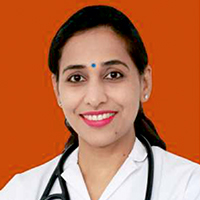
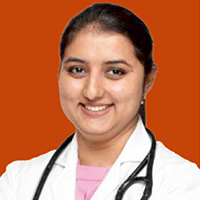
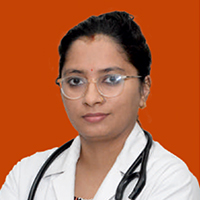
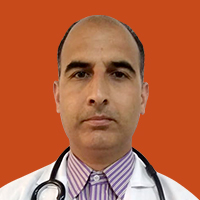
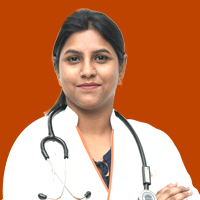
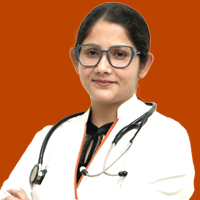
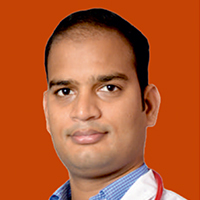
Consult Experienced Ayurveda Doctors for Endometriosis




Our Happy Patients
-
 Sunita Malik - Knee Pain
 -
 Abhishek Mal - Diabetes
 -
 Vidit Aggarwal - Psoriasis
 -
 Shanti - Sleeping Disorder
 -
 Ranjana - Arthritis
 -
 Jyoti - Migraine
 -
 Renu Lamba - Diabetes
 -
 Kamla Singh - Bulging Disc
 -
 Rajesh Kumar - Psoriasis
 -
 Dhruv Dutta - Diabetes
 -
 Atharva - Respiratory Disease
 -
 Amey - Skin Problem
 -
 Asha - Joint Problem
 -
 Sanjeeta - Joint Pain
 -
 A B Mukherjee - Acidity
 -
 Deepak Sharma - Lower Back Pain
 -
 Vyjayanti - Pcod
 -
 Sunil Singh - Thyroid
 -
 Sarla Gupta - Post Surgery Challenges
 -
 Syed Masood Ahmed - Osteoarthritis & Bp
Diagnostic Marker
Blogs
Home Remedies
Related Disease
- Ayurvedic Treatment for Infertility: Possible Causes, Tests & Supportive Care
- Ayurvedic Treatment for Frigidity: Symptoms, Causes & Management
- Ayurvedic Treatment for Leucorrhoea: Symptoms, Causes & Management
- Ayurvedic Treatment for Menopause: Symptoms, Causes & Care Options
- Ayurvedic Treatment for Adenomyosis: Symptoms, Causes & Management
- Ayurvedic Treatment for Endometriosis: Symptoms, Causes & Care Options
- Ayurvedic Treatment for Dysmenorrhea: Symptoms, Causes & Care Options
- Ayurvedic Treatment for PCOS: Irregular Periods, Symptoms, Causes & Care
- Ayurvedic Treatment for Vaginal Infection: Symptoms, Causes & Care Options
- Ayurvedic Treatment for Vaginal Yeast Infection: Symptoms, Causes & Care Options
- Ayurvedic Treatment for Hematuria: Symptoms, Causes & Management
- Ayurvedic Treatment for Epididymitis: Symptoms, Causes & Management
- Ayurvedic Treatment for Uterine Fibroids: Symptoms, Causes & Care Options
- Ayurvedic Treatment for Hirsutism: Symptoms, Causes & Management
- Ayurvedic Treatment for Menorrhagia: Symptoms, Causes & Care Options
- Ayurvedic Treatment for Amenorrhea: Symptoms, Causes & Care Options
Latest Blogs
- क्या शौच में खून आने का मतलब हमेशा बवासीर होता है? दूसरे कारण भी जानें
- Late Dinner Plus Poor Sleep: Why Ayurveda Looks At The Pattern, Not One Habit
- परिवार के साथ बैठकर खाना खाने से Portion और Eating Speed पर क्या फर्क पड़ सकता है?
- कब्ज़ में इंडियन-स्टाइल टॉयलेट बेहतर है? टॉयलेट पोस्चर के बारे में क्या पता है
- दूध, दही और लस्सी से IBS के लक्षण कब बढ़ सकते हैं?
- कभी कब्ज़, कभी दस्त? बार-बार बदलती पेट की आदतों को कैसे समझें
- क्या आयरन, कैल्शियम या कुछ दवाओं से कब्ज़ हो सकती है? डॉक्टर से कब बात करें
- पीरियड्स के दौरान IBS के लक्षण कुछ लोगों में क्यों बढ़ सकते हैं?
- व्रत या उपवास में कब्ज़ बढ़ जाती है? नवरात्रि में किन बातों का ध्यान रखें
- सफ़र में कब्ज़ क्यों हो जाती है? यात्रा से पहले क्या तैयारी करें
- खूब पानी पीने के बाद भी कब्ज़ क्यों बनी रह सकती है?
- बुज़ुर्ग माता-पिता को कब्ज़ रहती है? परिवार किन बातों का ध्यान रखे
- क्या खूनी बवासीर में ऑपरेशन ही एकमात्र विकल्प है? इलाज के विकल्प समझें
- शौच में खून देखकर घबरा गए? जानिए पहले क्या समझें और क्या करें
- रोटी, चावल और दही: कब्ज़ होने पर खाने में क्या बदलाव मदद कर सकते हैं?
- रोज़ बाइक से ऑफिस जाते हैं और बवासीर की सूजन परेशान करती है? जानिए सफ़र का असर
- IBS में दवा से राहत मिलने के बाद भी लक्षण दोबारा क्यों हो सकते हैं?
- IBS में कौन-सा खाना परेशानी बढ़ाता है? फ़ूड डायरी कैसे मदद कर सकती है
- मानसून में पेट की परेशानी बढ़ती लगती है? IBS और मौसम के संबंध को समझें
- बवासीर में सिट्ज़ बाथ कैसे करें? फायदे, सावधानियाँ और कब बचें
Ayurvedic Doctor In Top Cities
- Ayurvedic Doctors in Bangalore
- Ayurvedic Doctors in Pune
- Ayurvedic Doctors in Delhi
- Ayurvedic Doctors in Hyderabad
- Ayurvedic Doctors in Indore
- Ayurvedic Doctors in Mumbai
- Ayurvedic Doctors in Lucknow
- Ayurvedic Doctors in Kolkata
- Ayurvedic Doctors in Patna
- Ayurvedic Doctors in Vadodara
- Ayurvedic Doctors in Ahmedabad
- Ayurvedic Doctors in Chandigarh
- Ayurvedic Doctors in Gurugaon
- Ayurvedic Doctors in Jaipur
- Ayurvedic Doctors in Kanpur
- Ayurvedic Doctors in Noida
- Ayurvedic Doctors in Ranchi
- Ayurvedic Doctors in Bhopal
- Ayurvedic Doctors in Ludhiana
- Ayurvedic Doctors in Dehradun