

 Published on
05 Nov, 2026
 Updated on 05 Nov, 2026

 5007
Our gut or colon is a long tract of passage that has various fluids and enzymes that work together with Agni to digest food and circulate energy. In our colon sits a hidden energy known as Agni that plays an important role in supporting our energy system.
Gut health, or Agni (the fire element in your gut), is an important component that is responsible for converting the nutritious food we eat into energy to support our mental and physical bodies. The increased research on gut health both in modern science and ancient Ayurvedic studies shows that there is a strong link between the immune system and overall well-being.
Importance of Good Gut Health
Gut health refers to the balance of microorganisms in the digestive tract that works along with Agni to digest food and keep our body energized for smooth functioning.
Having good gut health has a direct impact on our overall body, and it can easily be maintained by having a good diet and eliminating or avoiding dietary or lifestyle-related diseases like diabetes, constipation, diarrhoea, irritable bowel syndrome (IBS), etc.
Latest Talk About Gut Health
Modern scientists often consider the gut or stomach as a second brain mainly because of its ability to communicate with your nervous system. Gut health in Ayurvedic terms is also referred to as Agni, and as per ancient texts, Agni sits at the very heart of your gut, which is responsible for your
- Emotional stability can be seen when your moods are in a good state, or simply when you are not feeling anxious or angry all the time.
- Skin health can be understood as breakouts or acne on your skin: are they hormonal or constantly sitting there on your skin?
- Chakra balance or mental stability: chakras are basically responsible for creating vayu, or breath, that helps to calm your mind and body.
What Happens When You Have A Weak Agni?
For a while, assume Agni, or gut fire, is the flame of your gas stove; if the flame is high or in sufficient amount, the food gets cooked quickly; similarly, it is the case for your stomach.
But when Agni weakens, a person might have the following conditions: -
- Constant acidity
- Gas and bloating
- Frequent loss of appetite
- Heaviness after meals
- Episodes of constipation
As per Ayurvedic studies, a person can easily improve their gut health or Agni by following basic daily habits like: -
- Prioritize eating warm and fresh foods
- Eat only when you feel hungry
- Avoid overeating
- Have fixed windows of eating
- Walk for at least 10 minutes after every meal
- Drink at least 2 liters of water every day
How To Heal Your Agni Scientifically With Ayurvedic Dietary Changes?
The Ayurvedic method of fixing your meal timings can easily be aligned with modern principles of eating like: -
- Eat the largest meal or heavy meals like grains or legumes during lunch, as digestive enzymes are at their peak during this time.
- Eat with undivided attention, like minimise the usage of a phone or any other distraction while eating.
- Prefer warm home-cooked food more than packed or junk food
- Have a good combination of food that contains ample amounts of carbohydrates, protein, and fibre
- Make sure that you get complete nutrients and micronutrients from the food you eat.
Practical Ways To Detect Weak Agni Or Gut Health
Just as it is easy to cure your Agni, it is easy to detect the common symptoms like: -
- You feel stressed all the time
- You feel constant heartburn
- You have frequent and extreme mood shifts
- You feel fatigued even after having a sound sleep for 7-8 hours
- You are having high cravings for smoking and drinking alcohol
Ayurvedic Way Of Improving Your Gut Health
In Ayurveda, it is very easy to understand if your Agni is strong or not, and it is just by observing your bowel movements and the frequency of your bowel movements or stool.
Ayurveda also suggests some spices or foods that can help you reduce bloating and improve your Agni. Some of these are:-
- Ginger
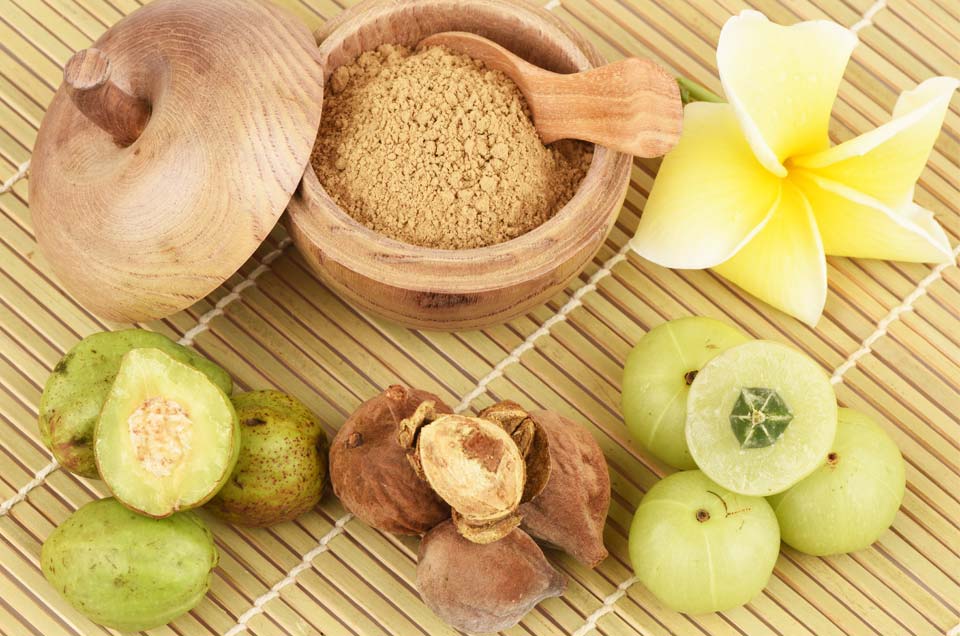
- Triphala
- Cumin seeds
- Fennel Seeds
- Aloe vera juice
- Mong Dal
- Herbal teas
- Warm water regularly
- Buttermilk
- Steamed vegetables
Lifestyle Tips That Support Your Gut Health
Just like any other disease that is related to lifestyle, your gut’s Agni can be managed by simple daily life changes like: -
- Fix your meal timings
- Practice yoga and pranayama
- Go for Ayurvedic detoxification like Panchakarma
- Practice meditation and other breathwork to relax your mind and body
Final Thoughts
Gut and gut health are vital aspects of our human body, and it is important to get them balanced. It is written that if your stomach fire, or the Agni, is balanced, your body feels more energised and in a good mood.
Once the Agni starts to get imbalanced, you feel sluggish or tired all the time, but this can also be easily detected and cured by paying close attention to your symptoms and making some dietary changes.
References
The Gut-Brain Axis and Mental Health: How Diet Shapes Our Cognitive and Emotional Well-Being - PMC
The Microbiome in Health and Disease from the Perspective of Modern Medicine and Ayurveda - PMC