Diabetes, arthritis, skin disorders & more! Get a free consultation with Top Ayurveda doctors - +91 9266714040 | No travel, No waiting – Consult Jiva’s doctors from home via video call! | Get up to 10% OFF! On Authentic Ayurveda Products! Best Prices only on the brand store. Visit : www.store.jiva.com
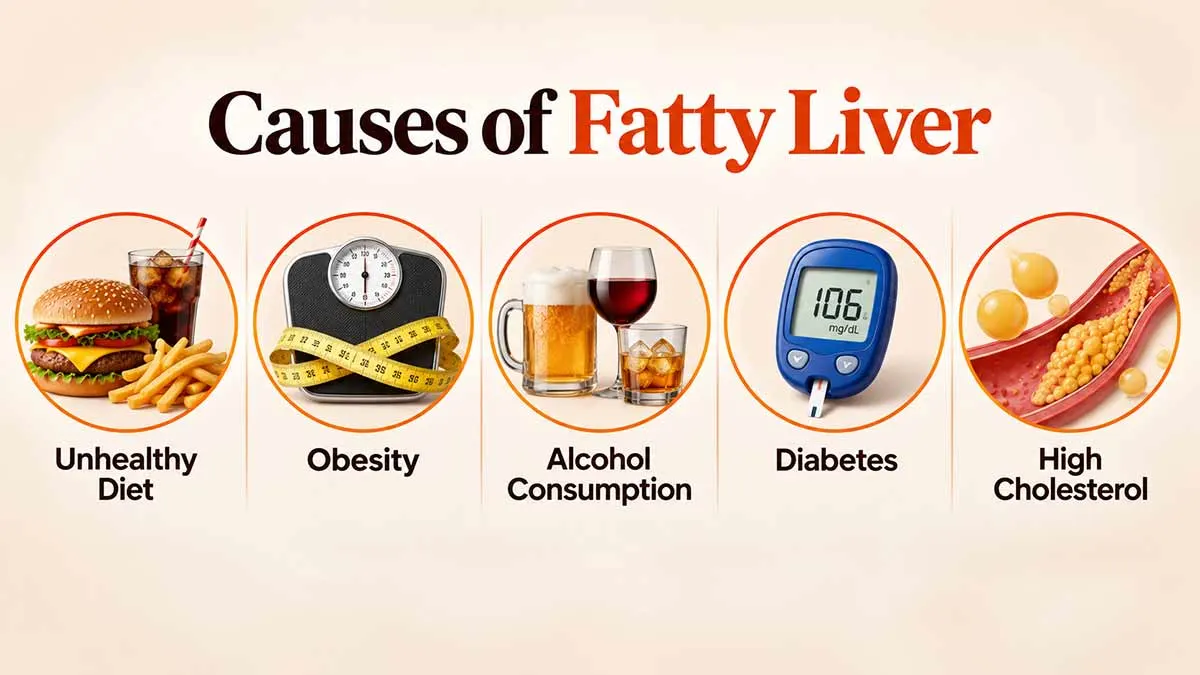
Fatty liver is becoming increasingly common in people and is no longer a condition only associated with those who drink alcohol. It can also occur in people who are not even overweight. A person can develop liver fat due to type 2 diabetes, obesity, and insulin resistance, an unhealthy diet, physical inactivity, and other metabolic factors. Fatty liver occurs when an excess amount of fat builds up in the liver. In medical terms also known as Steatotic liver disease (SLD). The liver is an important organ for our body that processes food and waste materials. At first, it has no symptoms, so people usually ignore it.
With time, it gets scary; fat buildup in the liver can cause damage and inflammation. Scarred tissue can become permanently damaged, which directly impacts health.
SLD or fatty liver can easily be cured at the early stages before cirrhosis develops. Treatment can vary, mainly focusing on managing underlying conditions.
What Is Fatty Liver In Simple Terms?
Fatty liver occurs when an excess amount of fat builds up in the liver. In medical terms also known as Steatotic liver disease (SLD).
Understanding Fatty Liver According To Ayurveda
In Ayurvedic terms, the liver is known as Yakrit, which digests, filters, and metabolizes all the food that goes into the body, and abnormal decomposition of Meda Dhatu (fat tissue) in the cells is commonly known as fatty liver. Pitta helps in digestion and metabolic transformation and is also responsible for the liver. In Ayurveda, fatty liver is derived as a Kaphavrita Pitta condition.
In general, our liver naturally contains a small amount of fat, but the problem starts only when excess fat starts to build up in the body. It's commonly caused by excessive consumption of alcohol. A fatty liver does not mean that a person consumes oily food or alcohol and immediately develops fat around the body.
Over time, fats sit in the liver and cause major damage or inflammation. Kapha dosha is generally associated with a cold nature that deposits and disrupts the fire of Pitta, along with Abaddha Medas (excess unbound fat).
Fatty liver can be classified into two types: NAFLD: Non- Alcoholic Fatty Liver Disease and ALFD: Alcoholic Fatty Liver Disease. In simple terms, NAFLD happens when free fat accumulates in the liver tissue, and it is directly linked to severely disrupted metabolism, whereas ALFD is directly linked to heavy drinking. Alcohol (Madhya) acts as a toxin that can affect the liver's natural health and unbalance the liver's natural heat, creating a situation for the buildup of Kapha and Meda, which can cause inflammation and liver damage. Simple fatty liver can easily be reversed with healthy lifestyle changes. But it can get worse with time, and ongoing inflammation can lead to fibrosis (scar tissue), swelling, and severe cirrhosis (permanent damage). Extreme scarring could be a reason for liver cancer and liver failure.
You don't have to panic; you can check the symptoms by yourself before heading to the doctor. If you're sure that the symptoms are the same, then you need to seek proper guidance from a certified doctor and get all the tests done. And if you're at risk of getting a fatty liver, then you should adopt a healthy diet and lifestyle.
Who Can Consider Ayurvedic Treatment for Fatty Liver?
Has your ultrasound report shown Grade 1 or Grade 2 fatty liver? Are your SGPT (ALT) or SGOT (AST) levels high? Or has your doctor advised you to reduce weight and make changes to your diet?
Fatty liver is increasingly common among Indian adults. It is not limited to people who drink alcohol. Even people who do not drink or appear slim can develop fatty liver.
At Jiva Ayurveda, doctors review your medical history, eating habits, lifestyle, existing medicines, and liver-related reports before recommending personalised Ayurvedic support. This care should complement appropriate medical treatment.
1. People Diagnosed with Grade 1 Fatty Liver
Grade 1 fatty liver usually indicates mild fat accumulation seen on an ultrasound.
Many people at this stage do not experience noticeable symptoms. The condition may be discovered during a routine health check-up.
Healthy eating, regular physical activity, and managing associated conditions such as diabetes can help reduce liver fat. Your doctor may also assess whether further tests are needed.
2. People with Grade 2 Fatty Liver
Grade 2 fatty liver indicates more visible fat accumulation on ultrasound than Grade 1.
If your report shows Grade 2 fatty liver, it is important to review your liver health rather than rely only on the ultrasound grade.
Your doctor may recommend liver function tests and an assessment for liver scarring, depending on your age, medical history, and metabolic risk factors.
3. People with Grade 3 Fatty Liver
Grade 3 fatty liver generally indicates marked fat accumulation on ultrasound.
This finding requires proper medical evaluation, particularly when associated with diabetes, abnormal liver enzymes, or other health conditions.
An ultrasound grade does not reveal whether significant liver scarring is present. Your doctor may recommend further assessment, such as FibroScan or other tests.
Patients with advanced liver disease should receive specialist medical care rather than rely on Ayurvedic treatment alone.
4. People with Fatty Liver and Diabetes
Fatty liver is common among people with type 2 diabetes because both conditions are closely related to insulin resistance.
Managing blood sugar, body weight, physical activity, and diet is important for protecting long-term metabolic health.
5. People with Fatty Liver and Excess Belly Fat
Do you have increasing belly fat even though your overall weight has not changed much?
Excess fat around the waist is associated with insulin resistance and fat accumulation in the liver.
A personalised diet and activity plan may help improve liver health, particularly when excess weight is present.
6. People with Fatty Liver Who Do Not Drink Alcohol
Many patients are surprised when they are diagnosed with fatty liver despite never drinking alcohol.
Fatty liver can develop because of metabolic risk factors such as type 2 diabetes, high triglycerides, excess abdominal fat, unhealthy eating patterns, or low physical activity.
The appropriate treatment depends on the underlying cause and whether inflammation or liver scarring is present.
Important: Ayurveda may be considered for complementary lifestyle and wellness support, but Ayurvedic medicines have not been established as a reliable treatment for reversing liver scarring or curing fatty liver disease. Patients should continue appropriate medical follow-ups.
Fatty Liver Grade 1, Grade 2 and Grade 3: What Should You Do?
If your ultrasound report mentions fatty liver, you may wonder how serious it is and whether it can improve.
Ultrasound grading commonly describes how much fat appears to be present in the liver. However, it does not accurately measure liver inflammation or scarring.
Grade 1 Fatty Liver – Mild Fat Accumulation
Grade 1 usually means a mild increase in fat within the liver.
What should you do?
Review your report with a doctor.
Reduce sugary drinks, sweets, and frequent fried snacks.
Eat balanced meals with vegetables, protein, and suitable portions of roti or rice.
Start regular physical activity according to your fitness level.
Check blood sugar, cholesterol, and other risk factors when advised.
Follow your doctor's recommendations about additional tests and follow-ups.
Grade 2 Fatty Liver – Moderate Fat Accumulation
Grade 2 suggests a greater amount of visible liver fat.
At this stage, it is important to understand whether you also have diabetes, obesity, high triglycerides, or other risk factors.
What should you do?
Consult a doctor for proper assessment.
Review your liver function test results.
Ask whether you need a fibrosis assessment.
Follow a structured diet and activity plan.
Avoid alcohol.
Do not start liver detox powders, supplements, or herbal medicines without medical advice.
Grade 3 Fatty Liver – Marked Fat Accumulation
Grade 3 suggests substantial fat accumulation in the liver.
Although this does not automatically mean cirrhosis, the condition should not be ignored.
What should you do?
Seek timely evaluation from a physician or liver specialist.
Discuss whether a FibroScan or another fibrosis assessment is required.
Get associated conditions such as diabetes and high cholesterol assessed.
Avoid alcohol and unverified liver detox products.
Follow a medically supervised treatment and lifestyle plan.
Remember: Fatty liver Grade 1, 2, and 3 on ultrasound are not the same as fibrosis stages F1, F2, and F3. Fibrosis refers to liver scarring and needs a different assessment.
How Does Jiva Ayurveda Approach Fatty Liver Management?
In Ayurveda, the liver is known as Yakrit. Traditional Ayurvedic assessment considers digestion (Agni), body constitution (Prakriti), daily routine, dietary habits, and dosha balance.
At Jiva Ayurveda, the aim of personalised supportive care is to understand the patient's overall health and recommend suitable lifestyle, nutrition, and Ayurvedic guidance alongside standard medical management.
1. Understanding Your Liver Health
Before recommending a care plan, the Jiva doctor may ask:
Was fatty liver detected during an ultrasound?
Does your report mention Grade 1, 2, or 3?
Are your SGPT (ALT) and SGOT (AST) levels high?
Do you have diabetes, high cholesterol, or thyroid problems?
Have you gained weight or noticed increasing belly fat?
Do you consume alcohol?
How often do you eat fried foods, sweets, or packaged snacks?
Do you walk or exercise regularly?
Are you already taking medicines or supplements?
The doctor may also review Ayurvedic health factors such as Prakriti, digestion, and daily routine.
2. Personalised Diet Guidance
Food habits play an important role in managing fatty liver.
Rather than advising every patient to stop eating rice, wheat, or all carbohydrates, the focus should be on appropriate portions and healthier meal combinations.
Depending on your health needs, the doctor may recommend more vegetables, whole grains, dal, beans, suitable protein sources, and fewer sugary or highly processed foods.
3. Physical Activity and Weight Management
Regular movement is one of the most effective lifestyle changes for reducing liver fat.
For many adults, a suitable goal is to gradually work towards at least 150 minutes of moderate physical activity each week, if medically appropriate.
This can include brisk walking, cycling, or other enjoyable activities. Strength exercises may also help improve metabolic health.
For patients who are overweight, gradual and sustained weight reduction can improve fatty liver. People with normal or low body weight should not follow unnecessary weight-loss diets.
4. Ayurvedic Medicines, When Appropriate
Ayurveda traditionally uses herbs such as Kutki, Kalmegh, and Bhumyamalaki in liver-related care.
However, traditional use does not mean that these herbs are proven to remove liver fat or reverse liver damage.
Some herbal formulations may affect liver function or interact with other medicines. Therefore, their suitability should be assessed carefully by a qualified practitioner, especially when liver tests are abnormal.
5. Lifestyle and Daily Routine
Along with food and physical activity, the doctor may recommend:
Maintaining regular meal timings
Avoiding frequent overeating
Reducing sugary beverages and packaged snacks
Getting adequate sleep
Limiting long periods of sitting
Managing stress through appropriate relaxation practices
Avoiding alcohol
Avoiding unprescribed supplements and liver detox products
These changes can support overall metabolic health when followed consistently.
6. Follow-up and Monitoring
Fatty liver management requires regular review, especially if you have diabetes, obesity, abnormal liver tests, or suspected fibrosis.
Your doctor may assess changes in weight, waist circumference, liver enzymes, blood sugar, and other medical findings.
Repeat imaging or fibrosis testing may be recommended depending on your condition.
Indian Diet for Fatty Liver: What Can You Eat?
If you have fatty liver, you do not need to stop eating normal home-cooked Indian food.
A healthy diet can include roti, dal, sabzi, rice, curd, fruits, and other familiar foods. What matters is the overall balance, quantity, and frequency of your meals.
Foods You Can Include
Roti and whole grains
You can include suitable portions of whole-wheat roti, oats, dalia, or other whole grains.
Choose portions according to your body weight, activity level, and blood sugar needs.
Dal and protein-rich foods
Dal, chana, rajma, beans, paneer in suitable portions, tofu, eggs, fish, or other appropriate protein sources can help make meals more balanced.
Seasonal vegetables
Include a variety of vegetables such as lauki, tori, bhindi, palak, beans, cabbage, and other seasonal options.
Whole fruits
Whole fruits such as guava, apple, orange, papaya, and other suitable fruits can be part of a balanced diet.
Whole fruits are generally preferable to juices because they contain more fibre.
Healthy fats
Use moderate amounts of suitable cooking oils, nuts, and seeds as part of a balanced diet.
Foods and Habits to Limit
Sugary soft drinks and packaged fruit juices
Frequent sweets, mithai, and sugar-rich desserts
Fried snacks such as samosa, pakora, and chips
Frequent bakery products and highly processed foods
Excessive portions of refined carbohydrates
Foods rich in saturated fat
Large, calorie-heavy meals eaten regularly
Alcohol should be avoided, particularly when liver disease is present.
Simple Indian Meal Ideas for Fatty Liver
Breakfast
Vegetable dalia, besan chilla with vegetables, or another balanced breakfast containing protein and fibre.
Lunch
Roti or a suitable portion of rice with dal, seasonal sabzi, salad, and plain curd if appropriate.
Evening snack
Whole fruit, roasted chana, or a small portion of unsalted nuts.
Dinner
A balanced meal with vegetables, protein, and a suitable portion of roti or rice.
These are examples, not a fixed diet chart. Patients with diabetes, kidney disease, cirrhosis, or other health conditions may need different dietary recommendations.
Which Tests Are Important During Fatty Liver Treatment?
If your ultrasound report shows fatty liver, your doctor may recommend certain tests to understand your overall liver health and risk of complications.
Liver Function Test (LFT)
A liver function panel may include:
SGPT (ALT)
SGOT (AST)
Bilirubin
Albumin
Alkaline phosphatase (ALP)
These results can help doctors assess aspects of liver health.
However, liver enzyme levels alone cannot determine how much scarring is present. Significant liver disease may sometimes occur despite relatively normal enzyme levels.
Ultrasound of the Abdomen
An ultrasound can identify changes suggesting fat accumulation in the liver.
It may describe the appearance as Grade 1, Grade 2, or Grade 3 fatty liver.
Ultrasound grading does not accurately determine the stage of liver fibrosis.
FibroScan
FibroScan is a non-invasive test that measures liver stiffness and may also provide an estimate of liver fat.
It can help doctors assess the possibility of significant liver scarring.
FIB-4 Assessment
Doctors may calculate a FIB-4 score using age, AST, ALT, and platelet count.
This score helps identify patients who may need further assessment for liver fibrosis.
It is a screening tool and is not sufficient on its own to confirm a diagnosis of cirrhosis.
Blood Sugar and HbA1c
Fatty liver is closely associated with insulin resistance and type 2 diabetes.
Checking blood sugar and HbA1c can help identify associated metabolic problems.
Lipid Profile
This test measures cholesterol and triglycerides.
High triglycerides and other abnormal lipid levels may occur alongside fatty liver.
Your doctor will decide which tests are necessary and how often they should be repeated.
Fatty Liver and Other Health Conditions
Fatty liver often develops alongside other metabolic health problems.
Understanding these connections is important because improving overall health may also benefit the liver.
Fatty Liver and Type 2 Diabetes
People with type 2 diabetes have an increased risk of fatty liver and more advanced liver disease.
Managing blood sugar, eating a balanced diet, staying physically active, and assessing fibrosis risk are important parts of care.
Fatty Liver and Obesity
Excess body weight, particularly abdominal fat, is associated with increased fat accumulation in the liver.
For patients who are overweight, sustained weight reduction through appropriate diet and activity can help improve liver health.
Fatty Liver in Slim People
Can you have fatty liver even if you are thin?
Yes. Some people develop fatty liver despite having a normal body weight.
Possible contributing factors include insulin resistance, abdominal fat, metabolic conditions, and genetic susceptibility.
Being slim does not mean fatty liver should be ignored.
Fatty Liver and High Cholesterol
Fatty liver commonly occurs with high triglycerides, abnormal cholesterol levels, and other metabolic risk factors.
Your doctor may recommend changes in diet, physical activity, and appropriate medicines to manage these conditions.
Fatty Liver and High Blood Pressure
High blood pressure and fatty liver may occur together as part of a broader metabolic health problem.
Regular blood pressure monitoring, healthy food choices, physical activity, and medical treatment where required can help manage the associated risks.
What Improvements Can You Expect During Fatty Liver Management?
Many patients want to know whether fatty liver can improve and how long treatment may take.
The answer depends on the amount of liver fat, presence of inflammation or fibrosis, other health conditions, and how consistently a suitable management plan is followed.
1. Reduction in Liver Fat
Healthy dietary changes, physical activity, and weight reduction when appropriate can help reduce fat accumulation in the liver.
2. Better Weight and Waist Management
For people with excess body weight, gradual weight reduction can support liver and metabolic health.
3. Improvement in Metabolic Health
Managing diabetes, blood pressure, and cholesterol can help reduce the overall health risks associated with fatty liver.
4. Improvement in Liver-Related Test Results
Some patients may experience improvements in liver enzymes or other findings after effective management.
However, a normal liver function test does not necessarily mean that liver fat or scarring has completely resolved.
5. Lower Risk of Disease Progression
Addressing metabolic risk factors and identifying significant fibrosis early can help healthcare professionals guide appropriate long-term care.
Fatty liver can improve, especially before advanced liver scarring develops, but complete recovery cannot be guaranteed. Patients with significant fibrosis or cirrhosis need specialist medical assessment and ongoing monitoring.
Why Can It Occur Without Symptoms?
The liver does not produce any noticeable symptoms. The liver has no pain receptors in its tissue and has a large reserve capacity; this means early inflammation and fat accumulation do not trigger any physical discomfort. That's why, in the early stages, no symptoms appear. It is silent because:
No internal pain fibers: The liver tissue cannot feel any pain by itself because the liver parenchyma (main tissue) does not have pain-sensing nerves. Discomfort only happens when rapid enlargement stretches the outer covering of the liver.
High reserve capacity: The liver has a large functional reserve and can perform its vital metabolic tasks even when fat gets absorbed in it. So a person can have a fatty liver and can normally do:
Eat
Work
Sleep
Exercise
Have no abdominal pain
Feels completely healthy
Slow Progression: Fats build up over years, and early scar tissue develops over a few years without disrupting overall body function. That's why the body adapts to the situation without sudden noticeable distress.
Symptoms And Red Flags
Fatty liver can be dangerous because it remains “silent” in the early phases but can cause severe harm to the body in the later stages, and that is the reason why, when the doshic imbalance happens, the symptoms are vague. People can suffer from Glani (chronic fatigue), Daurbalya (constant weakness), and a strong sense of Gaurava (heaviness) with discomfort in the upper abdomen.
In the case of fatty liver, digestion will also be affected, with signs of Mandagni (weak digestion), Ajeerna (indigestion due to heavy eating), and Anannabhilasha (complete appetite loss). And when the symptoms get worse, a person can feel belly distention, brain fog, and kamala (jaundice).
Fatty liver can be diagnosed with the help of medical tests. Fatty liver can be detected in cases:
I came jiva for fatty liver after rejected by allopathic treatment.
Doctor give one month medicines and now i have improvement in my symptoms.
This is my 2nd visit at Raj Nagar clinic and I'm satisfied with the treatment and supportive staff.
Patient Success Stories
Fatty Liver Symptoms
Fatigue
Unusual fatigue and/or weakness may be early symptoms of Fatty Liver.
Discomfort in the Upper Abdomen
You may feel a dull or aching pain in your top right side of the abdomen, where the liver is located.
Weight Loss
Fatty Liver may cause unexpected weight loss.
Poor Appetite
Not feeling hungry may be related to liver problems.
Nausea
A queasy stomach or nausea may be symptoms of a dysfunctional liver.
Swelling in the Belly
This can happen when the liver becomes inflamed and the body retains fluid.
Jaundice
Yellowing of the skin and eyes signals serious liver trouble, meaning it is not breaking down bilirubin properly.
Itchy Skin
This less common symptom may be caused by bile products deposited in the skin.
Bruising Easily
If your liver is not healthy, clotting factors may be affected and you may experience easy bruising.
Mental Confusion
This is caused by liver dysfunction and is characterised by cognitive problems, called hepatic encephalopathy.
Grades And Severity
Fatty liver is graded on a scale from Grade 1 to Grade 3. These grades are based on the percentage of fat accumulated in the liver cells. Understanding the grade differences is important for patients as well as for medical professionals, as the variation affects the probability of advanced liver problems, lifestyle changes, and medical decisions.
The Three Grades of Fatty Liver:
Grade 1 (Mild):
Indicates 5% to 33% of fat deposits in the liver cells.
The liver gets slightly bigger.
Symptoms include mild fatigue and tiredness.
LFT (liver function tests) are often within normal limits.
Highly reversible through diet and exercise.
Grade 2 (Moderate):
Indicates 33% to 66% of fat deposits in the liver cells.
The Liver may appear enlarged (hepatomegaly)
Symptoms include fatigue, low energy levels, nausea, weight changes, and a feeling of fullness in the right upper quadrant.
LFT (liver function tests) are often within the normal range in some patients.
Reversible through weight loss of 7%-10% but requires time and effort.
Grade 3 (Severe):
Indicates more than 66% of fat deposits in the liver cells.
The liver gets enlarged and inflamed.
Symptoms include scarring (fibrosis) and cirrhosis.
LFT (liver function tests) often show elevated levels of liver enzymes like ALT and AST.
Harder to treat and requires strict medical treatment.
Liver disease such as MASLD (metabolic dysfunction-associated steatotic liver disease) is primarily caused by fat buildup. Fatty liver is directly linked to our daily habits and issues caused by metabolic health.
Metabolic causes and lifestyle factors that are responsible for fatty liver:
Fatty liver is a disease that can cause simple fat accumulation as well as dangerous inflammation known as steatohepatitis and fibrosis, commonly known as scarring.
Simple steatosis starts with excess fat buildup in the cells of the liver without causing any inflammation or injury, and when the fat builds up in a large quantity, it triggers cell damage and liver inflammation, known as NASH.
Fibrosis is scar tissue buildup caused by ongoing inflammation, and it restricts the organ's efficiency. When the scar spreads, it is irreversible and is known as cirrhosis, which can cause cancer and liver failure. Early-stage fat accumulation can be reversed with gradual weight loss of 7% to 10% of body weight and regular exercise. You should consult a doctor for an overview.
Management Principles
In Ayurveda, metabolism and digestion problems can be managed by specialised Ayurvedic therapy known as Shodhana Chikitsa, which means deep detoxification therapies. It comes under Panchakarma and can eliminate physical doshas from the body and restore the metabolic baseline. Ayurveda suggests that physical detoxification and lifestyle changes can improve metabolic problems and Yakrit Roga. By practising abhishyandi (avoiding certain types of foods), you can balance these doshas:
Limit dairy products such as milk, curd, and buttermilk.
Avoid sweet (Madhura) food and sugary drinks.
Reduce carbohydrate consumption.
Avoid eating heavy and fried foods that are not easy to digest.
Fatty liver and its stages can be diagnosed by tools such as (LFT) liver function test, abdominal ultrasound, and FibroScan.
Abdominal Ultrasound: Uses sound waves to create pictures of the liver. It detects general fat accumulation (steatosis), making the liver look brighter (hyperechoic) than normal. But it cannot measure the exact amount of scar.
Liver Function Test (LFT): A blood test measuring specific proteins and enzymes. It can check for levels of ALT, AST, bilirubin, and albumin to spot liver stress, inflammation, or damage. But it cannot rule out advanced scarring.
FibroScan: A specialized, painless scan using low-frequency sound waves to test liver properties. It is also known as Vibration-Controlled Transient Elastography. It can measure liver stiffness (hardness indicating scarring or fibrosis in kilopascals) and fat content, CAP (Controlled Attenuation Parameter) score in decibels per meter.
In Ayurveda, Fatty liver (NAFLD) is classified as Yakrit Roga (liver disease) and Medoroga (obesity). The ancient text of Yogratnakara described that Rakta-Kapha Dusti gives rise to Yakritodara (enlargement of the liver) caused by Abhisyandi Ahara (food that blocks channels) and Vidahi (spicy food).
Simple fatty liver can easily be reversed with healthy lifestyle changes. But it can get worse with time, and ongoing inflammation can lead to fibrosis (scar tissue), swelling, and severe cirrhosis (permanent damage).
Ayurvedic treatment focuses on evaluating Agni (digestive fire), dosha imbalances, and disease grade rather than just focusing on lab numbers. It is more concerned with restoring balance to the entire body, and this is achieved by improving everyday diet, routine, and a few Ayurvedic herbs.
Ayurvedic assessment that helps to detect Yakrit Roga (liver disease):
Ayurvedic Assessment
Description
Nidana (Root causes)
Identifies lifestyle and dietary factors (Ahara-Vihara) like heavy, oily foods.
Lakshana (Symptoms)
Identifies fatigue, loss of appetite (Aruchi), and abdominal discomfort
Dosha and Dhatu
Assess Tridosha imbalance (primarily Pitta and Kapha) and the contamination of blood and fat tissue (Rakta and Meda dhatu).
Agni
Identifies metabolic and digestive strength to see how the body processes fats and nutrients.
Diagnostic Review
Assess Nadi Pariksha (pulse diagnosis) with modern reports like grade 1-3 ultrasound and LFTs (liver function tests).
Ayurvedic Herbs that help in the treatment of Yakrit Roga (liver disease):
Ayurvedic Herbs
Role In Liver Health
Giloy
It helps strengthen liver tissue and reduce inflammation.
Triphala
It helps in Toxin (ama) extraction.
Kutki
It helps in clearing stubborn fat layers accumulated in the liver.
Kalmegh
It helps in assisting metabolic function and cleansing internal toxins (ama).
Bhumi Amla
Cleanses the liver and helps eliminate toxins.
To treat fatty liver in its early stages, you can perform the following tasks:
Dietary Improvement: Start switching to a healthy diet rather than processed and junk food.
Physical activity: Do at least 30-60 minutes of physical activity, including walking, yoga, or cycling, to burn excess fat and regulate metabolism.
Panchakarma therapies: Mild therapeutic cleansing (Virechana) and medical enemas.
How We Assess Fatty Liver Patients At Jiva Ayurveda
At Jiva Ayurveda, our doctors start with a careful checkup to figure out what exactly is causing fatty liver. This involves looking at.
Your current symptoms such as abdominal discomfort, stiffness, swelling, or trouble moving.
Your medical history and any past treatment that you have taken for fatty liver.
What you eat and how you live day to day, since these habits directly affect your liver.
Your daily stress, sleep quality, and digestion, which Ayurveda sees as the root of your overall health.
Any other health problems you have or medicines you are currently taking.
Once they have all the information, the doctors create a personalised Ayurvedic treatment plan aimed at treating the joint pain and improving daily comfort.
Our Step-By-Step Care Process
When you come to Jiva Ayurveda, we want your healing journey to feel simple, personal, and completely stress-free. Here is exactly what you can expect when you start your treatment with us:
Get In Touch: Leave your details with us or just give us a call directly on +91 9266714040.
Book Your Slot: Meet our doctors at your convenience by visiting one of our 80+ clinics nationwide, or booking a video call for just Rs. 49 (down from 299).
Finding the Root Cause: Our doctors assess the factors contributing to your condition, including the arthritis type, medical history, lifestyle, and Ayurvedic assessment.
A Personalized Treatment Plan: After understanding your problem, we will make a personalized treatment plan that will be tailored just for you.
We Stay With You: The process is not only about giving you the medicines and leaving you. We stay in touch with you to see how you are doing and adjust your treatment regimen accordingly.
Estimated Cost Of Treatment For Fatty Liver At Jiva Ayurveda
Knowing how much your treatment will cost is important. At Jiva Ayurveda, we keep our pricing clear and upfront so you can choose the right plan for your health according to your needs.
Treatment Cost
If you are looking for regular, ongoing support, the starting cost for your medicines and doctor's consultation is usually between Rs 3000 and Rs 3500. Just keep in mind that this is just the baseline cost; the real cost may vary depending on the severity of the disease.
Protocol
For a deeper step-by-step approach, we offer specific healing packages that last for 3 to 4 months. You make a one-time payment ranging from Rs 15000 to Rs 40000 for the entire period.
The package includes:
All medicines and doctor visits
Hands-on physical therapy
Customized diet plans, Yoga and meditation therapies
Mental well-being support session
Why Should You Choose Jiva Ayurveda?
Jiva Ayurveda provides customised and root-based Ayurvedic treatment that is primarily focused on providing health and wellness solutions for specific patients.
Patient-specific treatment: Jiva’s therapy and treatments are structured by professional doctors for unique prakriti, diet, and lifestyle.
Root-based Treatment: Jiva focuses on the specific root cause of the health condition or disease rather than focusing only on formal medicines; we focus on the internal problem.
Authentic Ayurvedic medicines: Jiva provides authentic Ayurvedic medicines; we follow strict quality parameters to ensure safety and effectiveness.
Protocol- based Analysis: We follow research-backed clinical methods to provide structured assistance to our patients.
Assist 8000+ patients every single day: Jiva's doctors are specialised in a wide range of Ayurvedic healthcare, and every single day we assist more than 8000 people.
Conclusion:
The liver is an important organ in our body that processes food and waste materials. Fatty liver (Yakrit Roga) is not only a liver disorder. Fat buildup in the liver can cause damage and inflammation (Yakritodara). It does not have any noticeable symptoms at first; that's why people often ignore it until it becomes a threat to life. Management can take time, but with the help of Jiva Ayurveda, this disease can be cured. If you're feeling any mild symptoms in your body, don't ignore them; consult a good doctor. And to understand this better, you need to know about the different grades of fatty liver. The key is not to panic and not to ignore it, but to respond wisely.
You should consult a doctor if you experience persistent fatigue, abdominal discomfort, or abnormal liver function test results. Early detection can prevent complications like fibrosis or cirrhosis.
With consistent lifestyle changes, a healthy diet, and regular exercise, mild fatty liver can improve within 3–6 months. Severe cases may take longer and require ongoing management.
Foods rich in fiber, whole grains, fruits, vegetables, and lean proteins help reduce liver fat. Sugary, fried, processed foods and excessive alcohol can worsen fatty liver.
Yes, fatty liver is reversible, especially in the early stages, through proper diet, exercise, and herbal support. However, ignoring it can lead to permanent liver damage.
Early-stage fatty liver often has no clear symptoms, but mild fatigue, discomfort in the upper right abdomen, or unexplained weight gain may occur. Regular check-ups help detect it early.
Herbs like Milk Thistle, Turmeric, Kutki, Bhumyamalaki, and Punarnava support liver detox and improve liver function. They help reduce inflammation and protect liver cells naturally.
You can monitor liver health with home risk assessments like waist-to-hip ratio, BMI, and by keeping track of blood sugar, cholesterol, and liver enzyme tests. Imaging tests like ultrasound are recommended for accurate detection.
Yes, Ayurveda can complement allopathic care by improving digestion, supporting liver function, and boosting immunity. Always inform your doctor before combining treatments to avoid interactions.
Find Jiva Ayurveda Clinics for Fatty-liver Treatment Near You

 Published on 06 Dec, 2019
 Updated on 14 Oct, 2026
.webp)
.webp)
.webp)
.webp)