368
368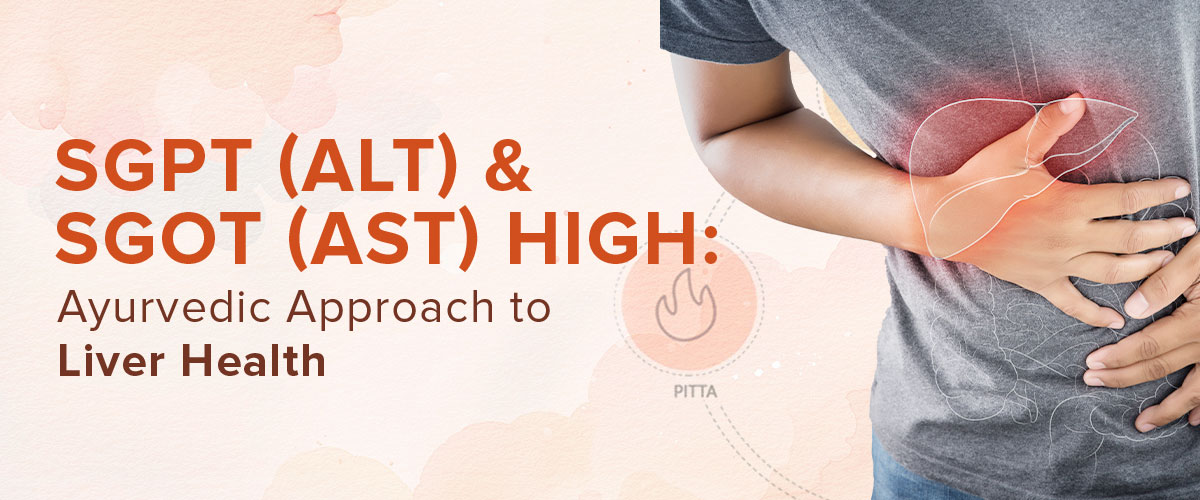
Some health warnings don’t come with pain, fever, or visible symptoms. They arrive quietly as numbers on a lab report. No drama, no noise, just a small flag in the margin saying something is out of range. SGPT and SGOT are often those quiet flags. Most people don’t even know these names until the day they see them highlighted. And once they do, questions begin. Not loud questions - the slow, uneasy kind.
How long has this been high?
Did I ignore signs?
Is my liver under stress?
It feels strange because you may feel perfect and fine, yet your report says something else. The fact is, the body often whispers before it shouts. Changes in liver enzymes are usually one of those whispers. It does not always mean that the disease is present. They often mean overload, irritation, or imbalance built up over time through food habits, stress, medicines, or lifestyle patterns.
This is where understanding is more important than fear. When you understand what these markers represent and how the different healing systems, of which Ayurveda is one, interpret them, the situation goes from foggy to clear and manageable. And from there, the emphasis goes from worrying to wise action.
What are SGPT (ALT) and SGOT (AST)?
SGPT and SGOT are enzymes that function as specialized proteins that serve as small biological helpers to support essential chemical processes needed for protein utilization and energy production. The enzymes operate silently within liver cells because their work happens throughout the day without producing any visible effects.
SGPT stands for Serum Glutamic Pyruvic Transaminase, while SGOT stands for Serum Glutamic Oxaloacetic Transaminase. These are the old names for these tests in a lab report. In modern medical language, they are called ALT, which stands for Alanine Aminotransferase, while the other protein exists under the name AST, which stands for Aspartate Aminotransferase. Your test report displays both names, which describe the same enzymes that exist in your body.
- SGPT (ALT) is mostly located in the liver, and hence it is considered to be more specific to the liver compared to the other enzymes. As a result, when evaluating the health of the liver, the level of SGPT is considered to be crucial by medical practitioners. When the cells in the liver are irritated due to fatty infiltrations, alcohol, and the use of drugs, amongst other factors, the level of SGPT always increases first.
- SGOT (AST) is also present in the liver, but it is not limited to the liver alone. It is also found in heart muscles, skeletal muscles, the kidneys, and in the cells of the brain. This implies that levels of SGOT rise not merely as an indication of liver disorders but also as a result of trauma to the muscles, extremely strenuous physical activities, or heart diseases. This enzyme, which does not exist exclusively in the liver and has the ability to appear in numerous other parts of the body, is only slightly less specific to the liver when contrasted with the levels of the enzyme SGPT.
A mild increase in SGPT and SGOT can be caused by:
- Diabetes
- Fatty liver
- Alcohol intake
- Certain medicines
- Obesity
- Heavy processed food intake
- Severe stress
- Poor sleep
However, a higher rise calls for a proper medical evaluation. These values don't entirely reveal what's wrong. These are clues. Doctors might also consider other tests and symptoms before making a diagnosis. Therefore, while high levels of SGPT and SGOT don't necessarily portend severe illness, they are clear signs that the liver needs rest.
How Does Ayurveda Understand Liver Imbalance?
Though Ayurveda does not use these terms, it gives deep importance to the liver as a key organ of metabolism and purification. According to Ayurveda, the liver is closely related to Agni and Pitta dosha, which are in charge of the heat, digestion, and body transformation. When Pitta becomes too strong or disturbed, the amount of heat and inflammation rises. That heat can be processed in the liver or in the blood. Ayurveda also talks about Ama, a sticky metabolic waste created by weak digestion. Ama clogs the channels and puts stress on the organs. When Ama and excess Pitta combine, they have the potential to disturb the function of the liver. From this lens, raised liver enzymes may reflect:
- Overheated metabolism
- Poor digestion
- Toxin accumulation (Ama)
- Excess oily, fried, or spicy food
- Alcohol and chemical exposure
- Suppressed emotions like anger and frustration
- Irregular food habits
So instead of only targeting the liver, Ayurveda works on digestion, diet rhythm, toxin load, and lifestyle balance.
Why Modern Lifestyle Is Hard on the Liver?
Today’s daily routine is often not friendly to the liver. The liver works very hard every day to purify the blood, digest food, metabolize drugs, and remove toxins. However, many daily habits tend to burden this organ aggressively. Eating late at night, over-consuming processed or junk food, remaining sedentary or stationary for long periods of time, sleeping after midnight, drinking alcohol regularly, and consuming medicine without advice can stress the liver. Each habit looks small, but when repeated daily, the load increases.
Emotions also matter. In Ayurveda, the liver is linked with anger and stress. Too much stress can result in weak digestion, in turn increasing body heat, impacting the liver function. The problem, however, is usually not caused by a single large mistake, but by a whole lot of small, unhealthy practices built up over the years. The great news, though, is that some small, healthy practices, like food, sleep, walking, and managing stress, can also be beneficial for the liver.
Are These Small Symptoms Coming From Your Liver?
Many times, the liver does not show loud warning signs in the beginning. If the levels of SGPT and SGOT are already high, one would still be feeling totally normal. Despite that, the body often shows tiny signs that something is not entirely right. Those signs can usually be ignored, as they appear to be universal. According to Ayurveda, the early signs should not be taken lightly. It is believed that imbalance starts quietly before turning into a disease, so noticing these signs early can help in faster recovery.
- Heaviness after meals
- Poor appetite
- Bloating
- Bitter taste in the mouth
- Fatigue
- Skin dullness
- Mild nausea
- Acidity
- Feeling hot easily
- Disturbed sleep
Ayurveda pays attention to these early signals. It believes disease develops step by step, first as an imbalance, then as symptoms, then as a disease. Catching the early stage increases the chances of recovery.
How Does Ayurveda Support Liver Health in a Natural Way?
Ayurveda treats liver health with a simple approach. Rather than just focusing on lab numbers, it is more concerned with restoring balance to the entire body. The basic theory is that you need to cool down, digest your food better, reduce ama accumulated inside your body, and tonify your liver. This is accomplished with your daily diet, routine, and possibly a few herbs, not with extreme remedies.
- Ayurveda works by correcting digestion first. According to Ayurveda, the root of all health lies in the digestive system. If the digestive process is weak, toxins known as Ama are produced and circulate in the body, causing a burden on the liver. There is a need to improve the method of eating and processing food. Warm and fresh food should always be consumed, rather than being eaten in excess. Fixed times for food need to be followed, and cold and stale food must be avoided. Proper chewing and at least a 3-hour gap between dinner and sleep should also be observed. Once the digestive system becomes properly assimilated, the toxins and burden on the liver are reduced.
- Eat simple "liver-friendly" food as medicine for the day. Instead of dieting, Ayurveda recommends the intake of light, warm, and easily digestible food in such a way that the liver is not overworked. It recommends the intake of cooked vegetables, bitter vegetables such as bottle gourd and bitter gourd, whole grains such as rice and millet, moong dal, pomegranate, amla, turmeric, and the intake of warm water throughout the day.
- Ayurveda also advises reducing foods that increase liver load. It is not only about what you add, but also what you reduce in your diet for a while. Ayurvedic medicine suggests cutting down on deep-fried food, heavy cheese, excessive red meat, alcohol, packaged snacks, sugar, and hot spicy food. These foods tend to create heat, fat, and toxins in your body. It's not about punishment; it's just corrective action that will help your liver heal.
Which Ayurvedic Herbs Are Commonly Used for Liver Support?
Ayurveda has always utilized specific herbs to maintain liver function while decreasing excess body heat, which is known as Pitta. The herbs are selected according to a person's digestive capacity, body strength, and complete health status, not according to laboratory results. The substances help metabolic processes while they assist the body's detox processes and protect liver cells. The substances require professional guidance for their use, especially in cases of elevated SGPT and SGOT levels.
- Kutki - It helps the body to remove toxins from the liver while enhancing the body's ability to process fats and bile. The herb contains a bitter flavor, which Ayurveda considers beneficial for detoxification purposes.
- Bhumyamalaki - It is traditionally used in many liver-related imbalances. The herb has a cooling effect that helps maintain liver function, according to classical texts that describe its properties.
- Kalmegh - The bitter herb functions as a body cleanser that eliminates extra body heat and toxin buildup. Medical professionals use this herb to treat patients who experience both liver problems and symptoms of inflammation, together with digestive difficulties.
- Guduchi - It provides immune system support while boosting metabolic function. The plant helps with heat reduction, yet it enables body recovery through its gentle effects on the system.
- Amla - It is considered a cooling, antioxidant-rich fruit used widely in Ayurveda. It supports digestion, blood purification, and tissue nourishment, and is considered helpful for balancing Pitta.
Is Gentle Detox Better for Liver Support in Ayurveda?
Ayurveda sees detoxification as a process that requires different methods for each person, instead of needing people to undergo severe fasting and complete body purification. Most liver support programs begin their treatment process through gentle methods. The body needs minor adjustments because they support natural toxin elimination through processes that do not burden the liver. People with high liver enzyme levels should follow Ayurveda's recommendation to stay away from all detox programs that use juice cleanses, extreme fasting methods, and random detox diets. The practices create more pressure on the liver, which leads to digestive problems. The Ayurvedic system maintains a gentle relationship with bodily functions by promoting daily practices that enable healthy weight reduction instead of using rapid methods.
Can High SGPT and SGOT Come Down Naturally?
The treatment of most patients with mild to moderate conditions leads to better outcomes through the elimination of their primary medical issue. Fatty liver disease, food-related stress, and alcohol consumption and drug-induced agitation can be treated through dietary and lifestyle modifications.
The process requires ongoing effort to achieve results. The treatment needs to assess all extreme medical values. The most effective way to use Ayurveda is as a supportive treatment, which requires a correct medical assessment. Patients should not discontinue their prescribed medications without receiving guidance from their healthcare provider.
When Should You See a Doctor Without Delay?
Natural and Ayurvedic support can help in many mild liver imbalances, but some situations need quick medical care. The difference between the two needs to be understood. The situation becomes dangerous when people display specific severe symptoms or their laboratory results exceed critical thresholds, so they should not postpone treatment or use only home remedies.
The liver functions as a critical organ, which means people should never disregard serious warning signals. Medical treatment during the initial stages helps patients recover faster while preventing future health problems. Medical professionals should evaluate urgent symptoms before patients combine Ayurveda with modern medical practices.
- Liver enzymes are extremely high on the report
- Yellow eyes or yellow skin color
- Severe weakness and low energy
- Frequent vomiting or nausea
- Dark colored urine regularly
- Ongoing pain in the upper abdomen
- Swelling in the legs or abdomen
- Loss of appetite for many days
- Confusion or unusual sleepiness
- Already diagnosed with liver disease case
These situations need proper testing, monitoring, and medical supervision.
Final Thoughts
High SGPT and SGOT levels are best seen as early warning signals, not a final diagnosis. They often show that the liver is under stress due to food habits, lifestyle, medicines, or metabolic imbalance. The majority of cases show improvement when patients receive timely assistance through fundamental dietary changes and the establishment of daily practices, the management of stress, and the use of Ayurvedic treatment. The key is not to panic and not to ignore - but to respond wisely. People need to receive complete assessments, which will help them to make daily adjustments while seeking expert assistance whenever necessary. The combination of modern medical treatment with Ayurvedic practices results in effective and safe methods to protect liver health.
If you are suffering from high Lipoprotein (a), you can consult with a certified Jiva doctors for personalised treatment and proper guidance. Call today: 0129-4264323.