183
183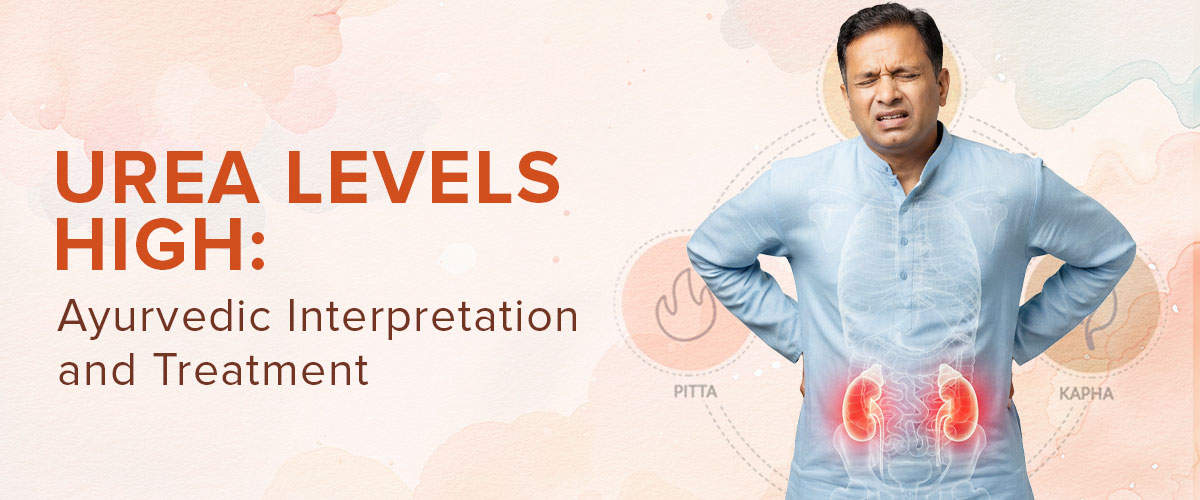
Sometimes a blood test brings up a number you were not even looking for - urea, and now it’s marked higher than normal. You didn’t go to the lab for kidney complaints. You may have gone for a routine checkup, fatigue, or just yearly screening. So seeing this value changed can feel unexpected and a bit puzzling. What exactly shifted inside the body to make this happen?
Not every abnormal value means disease. Many times, it reflects how your recent food pattern, water intake, stress level, or metabolic load has been. The body is always breaking down, rebuilding, and clearing waste. When this clearing process slows or gets overloaded, certain markers in the blood can rise quietly.
What Are Urea Levels in the Blood?
Each day, your body is working hard to break down and build tissues. This is a normal and healthy process. As the body does this, waste products are created, and one of those is called urea. It primarily consists of the proteins your body uses for its repair work, which you obtain from your diet.
Once the protein is digested and used by the body, what remains is waste. The liver then takes this waste material and converts it into a different compound called urea. It is then carried away by the blood to the kidneys. The kidneys filter all the urea out of the blood and into the urine. It is quite simple - the body’s natural waste removal procedure. Use what you need, make the leftovers better, and discard.
The blood urea test measures the amount of waste circulating within your body during the time of testing. When the results are higher than normal, it implies that the balance between waste production and waste removal is not sufficiently synchronized. When urea is high, the situation implies either of the following:
- The kidneys are not filtering efficiently
- The body is breaking down too much protein
- There is dehydration
- There is a high protein intake
- There is stress on metabolism
That's why a high urea value is not interpreted alone. It is usually compared with creatinine levels, hydration status, diet history, medications, and symptoms before one can decide upon what it really means. One number by itself rarely tells the full story.
How Does Ayurveda Understand High Urea Levels?
Ayurveda does not use the term “urea, but it gives a very detailed explanation of how the body produces, metabolizes, and excretes waste. There are various ways the waste leaves the body, and in Ayurveda, they are referred to by different names, but basically, it shows how well the body is functioning inside.
The body is always working: digesting food, repairing tissues, and running thousands of small chemical processes. Waste is a natural by-product of this activity. Ayurveda refers to these wastes as Mala. The three main malas are:
- Urine (Mutra) - It's a liquid waste of the body that is usually formed after filtration of blood. It facilitates the elimination of dissolved toxins and excess fluids. Its flow and pattern reflect hydration and kidney–urinary system balance.
- Stool (Purisha) - It is the solid waste left behind after the digestion and absorption of nutrients are completed. It reflects how well the digestive system is working. Good digestion is shown through regular and well-formed stools.
- Sweat (Sweda) - This refers to the waste released through the skin during heat regulation. It helps cool the body and remove minor metabolic wastes. Normal sweating supports skin and temperature balance.
In the case of high amounts of urea-like wastes within the blood, the role of the body’s Mutra (urine) and the urinary system becomes vital. Ayurveda monitors the efficiency with which the body is generating Urine and the ease with which the filtering and expulsion of the wastes are happening. According to Ayurveda, high levels of waste markers in the blood generally represent an imbalance within the body and not from the tests’ unsound results. These patterns may include:
- Weak digestion (Agni imbalance) - When digestive power is low, food is not broken down properly. This leads to incomplete metabolism and creates more internal waste instead of clean nutrients.
- Toxin buildup (Ama formation) - Ama is a sticky, undigested residue that forms when the digestion is not proper; it circulates in the body, blocking channels, hence making waste elimination less effective.
- Disturbed water metabolism - The body is failing to handle fluids smoothly. Either the fluids are not being absorbed that well, or are not cleared properly, hence burdening filtration systems.
- Urinary channel stress (Mutravaha Srotas imbalance) - The urinary pathways that carry and remove the liquid waste are under strain. Consequently, proper filtration and evacuation slow down.
- Excess tissue breakdown - The body needs to break down tissues that have worn out and are being replaced by new ones. For this, the body may be in excess due to stress, illness, or poor nourishment, which again accelerates the break-up of the tissues rather than rebuilding. This increases the internal waste load.
- Heat and dryness in the system - Too much internal heat and dryness, often linked to Pitta and Vata imbalance, can increase metabolic stress and waste formation.
Ayurveda does not stop asking, "Which number is high?" It goes one step deeper and asks, "Why is the body producing more waste or failing to clear it well?" To answer that, an Ayurvedic assessment commonly looks at overall lifestyle and body patterns, such as:
- Quality of digestion and appetite pattern
- Hydration habits throughout the day
- Food Choices and Food Combinations
- Sleep timing and sleep depth
- Mental level of stress
- Tissue strength and nourishment
- Elimination patterns- Bowel and urine
Ayurvedic Approach to Support the Body When Urea Is High
Ayurveda does not try to fight a high lab value directly. Instead, it works to assist systems that manage digestion processes, fluid balance, and waste disposal. The strategy is simple. Once the digestive system is enhanced, alongside waste disposal mechanisms, the levels of waste are expected to normalize. Care is meticulous yet simple and tailor-made to one’s capacity. There are three areas within which we have to understand the Ayurvedic support plan.
1. Strengthening Digestion First (Agni Support) - According to Ayurvedic medicine, the digestive system is the starting point of all kinds of metabolic balance. If the digestive system is weak, then more improper wastes will be produced inside the body. So, the first step is to stabilize the digestive system. The following are some of the good habits one should pick up:
- Prefer warm, freshly cooked meals to cold foods
- Light and cooked meals as opposed to heavy raw meals
- Simple digestive spices like ginger, cumin, coriander, etc., can be used
- Avoid overeating. Stop when you are full.
- Take your meals at regular times daily
- Do not lie down or sleep right after having your meals
When digestion becomes stronger, food is processed more cleanly, and metabolic waste formation reduces.
2. Supporting Urinary and Filtration Pathways - Ayurveda describes a group of natural supports that help urinary flow and fluid balance. These are traditionally called Mutra-Virechaniya (urine-supporting) herbs and drinks. Their role is to gently assist elimination - not to act as harsh stimulants. Common traditional supports include:
- Gokshura - It is an herbal medicine that is traditionally used in Ayurveda to promote health within the urinary system. It is known to help in a smooth flow of urine while at the same time maintaining fluid levels within the body.
- Punarnava - This is another well-known herb used in Ayurvedic medicine. It is primarily used as a natural anti-retention agent. It is used especially in conditions where there is swelling and water imbalance.
- Varuna - Traditionally used to aid the urinary system and bladder well-being. It is valued for its ability to promote the maintenance of open urinary passages.
- Coriander seed water - A mild home remedy drink made from coriander seeds. It assists digestion and urinary cleansing while at the same time providing a solution for the reduction of inner heat.
- Barley water - It is a light and soothing drink. It is traditionally considered to help maintain water balance, urine flow, and metabolic balance.
3. Correcting Hydration - Ayurveda does not suggest drinking large quantities of water in large gulps. Rather, it prefers that one should remain hydrated in a way that one’s body can utilize the fluids in the right manner. Better hydration involves:
- Drink warm water throughout the day instead of drinking large quantities at once
- Avoid cold drinks with ice in them
- Use mild herbal waters such as cumin, coriander, and fennel
- Drink more fluids between meals, and fewer fluids during meals
4. Managing Protein Intake - Very high-protein diets can raise urea, especially if digestion is weak. Ayurveda suggests moderate, easy-to-digest protein, preferably well-cooked and supported with digestive spices. Balance is more important than cutting protein completely.
When Should You Take High Urea Seriously?
It is important to understand that high levels of urea, even with proper dietetic care and support from nature, cannot be neglected. Some circumstances clearly require the attention of a doctor, as they may indicate diminished activity of the kidneys and a serious internal imbalance. You would need medical intervention in the event of high levels of both urea and creatinine, swelling of some parts of the body, like the feet or the face, decreased urine output, and conditions like tiredness not responding to treatment. Individuals who are already suffering from conditions like kidney disease, diabetes, or high blood pressure should take high levels of urea seriously. Ayurveda is a good support system, but it is most effective when supplemented by proper diagnosis and treatment.
Final Thoughts
High levels of urea in the body system cannot be taken as a figure to fear, but rather as an indication that it’s time to pay closer attention to the internal processes of digestion, utilization, and excretion. Yet, while modern medical principles can assist in determining the degree of the levels and the stress on the system, it's the Ayurvedic approach that can enhance the respective internal processes of digestion, utilization, hydration, excretion, etc. So, combining both elements can provide a more holistic approach to the issue, not merely as a means of correcting the figures, but as a way in which the system can become more streamlined as a whole.
If you are suffering from high Lipoprotein (a), you can consult with certified Jiva doctors for personalised treatment and proper guidance. Call today: 0129-4264323.