
Successful Treatments
Clinics
Doctors
Ayurvedic Treatment for Varicocele
 Published on 09 Oct, 2026
 Updated on 09 Oct, 2026

What is Varicocele?
Varicocele refers to the swelling of veins in the scrotum. This sometimes goes hand in hand with the destruction of the testicular blood supply, especially when it is painful or interferes with fertility. It is merely an expression that is equivalent to varicose veins but appears in the male reproductive area. Varicocele can range from slight to extreme in terms of its size and symptoms, which cause disarray in sperm production as well as dysfunction at the testicular level.
What Are The Common Causes of Varicocele?
Varicocele is caused mainly by faulty valves in the veins of the scrotum. The valve is meant to facilitate the flow of blood, so the weakening of the same causes the pooling of blood in the veins, which causes them to enlarge. Several factors lead to this condition:
- Genetics: This condition has a tendency to develop within families. A predisposition to having this condition is present whenever some member of the family suffers from varicose veins or other vascular conditions. Genetic predisposition affects the strength and integrity of the vein walls, thereby causing them to malfunction easily.
- Increased Abdominal Pressure: An increase in pressure in the abdominal cavity increases the likelihood of developing varicocele. Long periods of standing, obesity, and heavy lifting are typical conditions that can increase pressure on the veins of the scrotum, causing blood flow blockage and resulting in the swelling of veins.
- Hormonal Imbalances: Disturbance in the level of hormones, particularly the ones that are associated with reproductive functioning, can increase the potential for a varicocele. Imbalance in hormone levels can also affect the functioning of valves in veins and cause blood to stagnate there, which can cause easy bulging of veins.
What Are the Signs & Symptoms of Varicocele?
A varicocele often causes no symptoms at all, but when signs do appear, they commonly include:
- Dull or sharp pain: A mild pain starts in the testicle or scrotum, which later gets multiplied in the day due to physical exertion or any activity.
- Swelling or Visible veins: One might have severe swelling and visible veins, which are hard to ignore.
- Fertility issues: If a person has varicoceles, they may have a hard time getting pregnant.
- Discomfort: You may have a feeling of discomfort due to pain or swelling all day.
Symptoms
Dull or Sharp Pain
This is a condition in which many males experience pains along the scrotum. The nature of the ache may be dull, or at times sharp. This pain may worsen during exercise or sports and even after long periods of standing. It may intensify significantly during the evening.
Swelling or Visible Veins
Probably the most obvious sign of varicocele is the swollen, twisted vein in the scrotum making the veins stand out. They might be fairly visible, like a "bag of worms," and can be seen during any physical examination. The swelling is rarely painful but can be worrying because of its appearance.
Fertility Issues
Male fertility can be troubled because varicocele affects spermatogenesis. Large veins in the scrotal sac create heat, which interferes with normal spermatogenesis and lowers the sperm counts and decreases motility, which is sometimes an essential problem in couples to conceive, as it has been linked to male infertility.
Discomfort
Many complain that the affected testis was heavy or felt uncomfortable. Additionally, when the person stands upright or exerts himself for a long time, nagging discomforts can occur and disturb his day-to-day activity.
Ayurvedic Understanding of Varicocele
In Ayurveda, varicocele is correlated with Siragranthi (specifically siraja granthi of the vrishana or scrotum). It happens due to an imbalance in the vata dosha, controller of air and movement, and pitta dosha, controller of heat and energy in the body. They get aggravated due to multiple factors such as stress, chronic constipation, or poor lifestyle, which causes inflammation, increases the swelling, and weakens blood vessel walls. The aggravated vata and pitta pool into the blood tissue, rakt dhatu, which creates stagnation and physical blockage in the circulation of blood channels, srotas.
Ayurvedic Treatment for Varicocele
Ayurvedic treatment of varicocele seeks to improve blood circulation, reduce swelling, and increase strength in the walls of veins by adopting natural ways, which range from herbal remedies, detox therapies, and other lifestyle changes.
Ayurvedic Medicine for Varicocele
Ayurvedic herbs that aid in treating varicocele include:
- Ashwagandha (Withania somnifera): Ashwagandha is an herb with the potent ability to strengthen veins, improve blood flow, and improve reproductive health.
- Triphala: Triphala is a traditional herbal formulation that acts as a potential detoxifier to promote better blood circulation. Therefore, its three-fruit formula works well in cleansing the body and improving venous health.
- Shatavari (Asparagus racemosus): Shatavari herb nourishes the reproductive system by balancing doshas Vata and Pitta, which also treat discomforts of varicocele. Hormonal balance is supported with overall betterment of reproductive functions.
- Gokshura (Tribulus terrestris): Gokshura has diuretic and anti-inflammatory properties, which help to reduce swelling in the varicocele and promote general urinary health, thus supporting healthy well-being.
Detoxification and Panchakarma for Varicocele
Detox therapies, especially Panchakarma, are significant to Ayurvedic management for varicocele. It's a detoxification therapy intended to flush out inappropriate dosha inferences from the body and restore balance for healthy running of circulation so that veins won't strain.
- Basti (Medicated Enema): Basti therapy is a detoxification for the lower abdomen and brings balance in Vata dosha that has a stronghold in the management of varicocele. The therapy removes pressure from the system while boosting overall fertility health.
- Virechana (Purgation Therapy): This cleansing therapy also detoxifies the liver and blood, promoting good circulation and aiding in the healing process of varicocele. Toxic juices eradication helps in optimum performance of the venous.
Dietary and Lifestyle Changes
Ayurvedic varicocele treatment focuses on specific dietary and lifestyle adjustments to promote healing.
- Importance of Diet: A fine diet full of fruits, vegetables, whole grains, and healthy fats like ghee will do the job. Foods with antioxidant properties, such as turmeric and dark green leafy vegetables, help reduce inflammation and improve the functioning of the veins.
- Avoid Processed Foods and Heavy Meals: These foods can exacerbate poor circulation and add strain to the veins, worsening varicocele symptoms. A focus on light, nutritious meals aids in overall health.
- Hydration: Staying hydrated is crucial. Drinking warm water infused with lemon or herbs like ginger can assist in blood detoxification and promote vein health.
- Rest and Moderate Exercise: Adequate rest is essential for recovery, while gentle exercises, particularly yoga, can enhance circulation and alleviate varicocele symptoms.
When To See A Doctor?
Seek immediate medical care if you experience any of the symptoms mentioned below:
- It appears suddenly and causes sharp pain.
- You find swollen veins only on the right side of the scrotum.
- The scrotal mass does not shrink or disappear when you lie flat.
- You notice one testicle looks or feels smaller than the other
Conclusion
A varicocele happens when the veins get enlarged inside the scrotum. It usually happens when the blood pools in the pampiniform plexus because the valves inside the walls stop working properly. It causes dull pain, a dragging feeling in the scrotum, infertility, a visible or palpable lump, and pain that gets worse when you stand and do any physical activity. It happens due to increased abdominal pressure, if someone has this problem in the family, and hormonal imbalance.
References
Varicocele - StatPearls - NCBI Bookshelf
The Varicocele: Clinical Presentation, Evaluation, and Surgical Management - PMC
FAQs
Varicocele refers to the enlargement of veins within the scrotum, affecting blood flow to the testicles and potentially causing discomfort, infertility, or other complications.
Varicocele is a condition where the veins in the scrotum become enlarged due to improper blood flow, similar to varicose veins in the legs.
Varicocele embolization is a minimally invasive procedure where a coil or solution is used to block the affected veins, redirecting blood flow and reducing varicocele symptoms.
Varicocele is graded based on its severity. Grade 1 is the mildest, while Grade 4 is the most severe, involving visible swelling and significant symptoms.
While varicocele is not life-threatening, it can cause discomfort, fertility issues, and testicular atrophy if left untreated.
Yoga poses like Viparita Karani and deep breathing exercises (Pranayama) can help improve blood circulation and alleviate varicocele symptoms.
Grade 1 varicocele refers to a mild case where the varicose veins are small and only detectable through physical examination.
Grade 4 varicocele symptoms include severe scrotal pain, visible and enlarged veins, and possible fertility issues.
Varicocele can lead to hormonal imbalances that may contribute to erectile dysfunction in some cases.
Hydrocele is the buildup of fluid around the testicles, while varicocele involves the enlargement of veins in the scrotum.
Yes, varicocele can impair sperm production and lead to infertility if left untreated.
Ayurvedic treatments, lifestyle changes, and exercises aimed at improving blood circulation and overall reproductive health can help increase sperm count in varicocele patients.
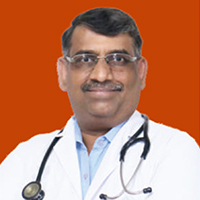
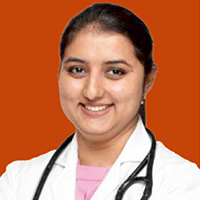
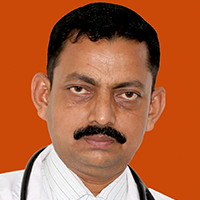
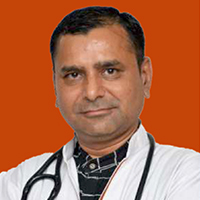
Consult Experienced Ayurveda Doctors for Varicocele



Our Happy Patients
-
 Sunita Malik - Knee Pain
 -
 Abhishek Mal - Diabetes
 -
 Vidit Aggarwal - Psoriasis
 -
 Shanti - Sleeping Disorder
 -
 Ranjana - Arthritis
 -
 Jyoti - Migraine
 -
 Renu Lamba - Diabetes
 -
 Kamla Singh - Bulging Disc
 -
 Rajesh Kumar - Psoriasis
 -
 Dhruv Dutta - Diabetes
 -
 Atharva - Respiratory Disease
 -
 Amey - Skin Problem
 -
 Asha - Joint Problem
 -
 Sanjeeta - Joint Pain
 -
 A B Mukherjee - Acidity
 -
 Deepak Sharma - Lower Back Pain
 -
 Vyjayanti - Pcod
 -
 Sunil Singh - Thyroid
 -
 Sarla Gupta - Post Surgery Challenges
 -
 Syed Masood Ahmed - Osteoarthritis & Bp
Diagnostic Marker
Home Remedies
Related Disease
- Ayurvedic Treatment for Urine Infection
- Ayurvedic Treatment for Kidney Stone
- Ayurvedic Treatment for Cystitis
- Ayurvedic Treatment for Prostate
- Ayurvedic Treatment for Renal Failure
- Ayurvedic Treatment for Urethritis
- Ayurvedic Treatment for Varicocele
- Get Ayurvedic Treatment For Hydrocele
- Ayurvedic Treatment for Frequent Urination
- Ayurvedic Treatment for Kidney Creatinine
Latest Blogs
- Is Fasted Intense Exercise a Good Idea for Every Woman
- Health Tracking Every Hour: Helpful Awareness Or Another Source Of Stress?
- फोन देखते हुए चलना सिर्फ accident risk नहीं—posture और breathing पर क्या असर पड़ता है
- Bloating Before a Period: Why Lifestyle Can Change How It Feels
- बहुत जल्दी खाना खाने से पेट भरने का signal देर से क्यों मिलता है
- ‘No Added Sugar’ Doesn’t Automatically Mean Low Sugar—Here’s Why
- Online meetings के बीच zero movement दिन के अंत में stiffness क्यों बढ़ाता है?
- Screen brightness और late-night work sleep readiness को कैसे बदलते हैं
- Warm Vs Cold Foods: How To Discuss The Ayurvedic Idea Without Turning It Into A Myth
- Noise-cancelling headphones घंटों पहनना mental fatigue को कम करता है या बढ़ा सकता है?
- Sugar-Free Biscuits: Better Choice Or A Health Halo?
- Why a Long Afternoon Nap Can Make Bedtime Surprisingly Difficult
- Scrolling While Eating: The Habit That Makes Meals Harder to Remember
- The Forward-Head Posture You Don’t Notice Until Evening
- Are Seed Mixes Useful—Or Just Easy To Overeat?
- Laptop on the Sofa: Why Neck and Hip Stiffness Show Up Later
- Why Your Eyes Feel Tired Even When Screen Brightness Seems Fine
- Is A Standing Desk A Complete Fix For Too Much Sitting?
- Why a Damp Bathroom Can Affect More Than Just the Walls
- When ‘Resting’ Means Scrolling: Is Your Brain Actually Recovering?
Ayurvedic Doctor In Top Cities
- Ayurvedic Doctors in Bangalore
- Ayurvedic Doctors in Pune
- Ayurvedic Doctors in Delhi
- Ayurvedic Doctors in Hyderabad
- Ayurvedic Doctors in Indore
- Ayurvedic Doctors in Mumbai
- Ayurvedic Doctors in Lucknow
- Ayurvedic Doctors in Kolkata
- Ayurvedic Doctors in Patna
- Ayurvedic Doctors in Vadodara
- Ayurvedic Doctors in Ahmedabad
- Ayurvedic Doctors in Chandigarh
- Ayurvedic Doctors in Gurugaon
- Ayurvedic Doctors in Jaipur
- Ayurvedic Doctors in Kanpur
- Ayurvedic Doctors in Noida
- Ayurvedic Doctors in Ranchi
- Ayurvedic Doctors in Bhopal
- Ayurvedic Doctors in Ludhiana
- Ayurvedic Doctors in Dehradun