
Successful Treatments
Clinics
Doctors
Ayurvedic Treatment for Premature Ejaculation
 Published on 10 Oct, 2026
 Updated on 10 Oct, 2026

What is Premature Ejaculation?
Premature Ejaculation (PE) or Shukragata Vata is a common sexual issue where a man ejaculates earlier than he or his partner would like during sex. This often happens too quickly during intercourse, sometimes before or just after penetration, and can cause frustration and dissatisfaction for both partners. It's the most common kind of sexual dysfunction identified in males. Estimates suggest that between 30% and 40% of men have Premature Ejaculation at some time during their life.
Types of Premature Ejaculation
Premature Ejaculation can be of two main types: lifelong (primary) and acquired (secondary).
- Lifelong Premature Ejaculation means the person has experienced it from their first sexual encounter.
- Acquired Premature Ejaculation describes the condition that develops after a period of normal sexual function.
Common Causes of Premature Ejaculation
Premature Ejaculation is a complex problem with many influencing factors. Knowing these factors may help you manage the condition. The most common triggers of Premature Ejaculation are given below :
Psychological Causes:
- Stress & Anxiety: High stress levels and anxiety, be it general or focusing on sexual performance, may lead to PE.
- Relationship Problems: Emotional strain between partners may affect sexual performance and satisfaction.
- Depression: This mental health issue can impact all aspects of life, including sexual performance.
- Performance Anxiety: Similarly, worrying about sexual performance or not satisfying your partner may also cause Premature Ejaculation.
Biological Causes:
- Abnormal Hormone Levels: Hormone imbalances involving serotonin and testosterone might result in early ejaculation.
- Neurotransmitter Imbalances: Irregularities in brain chemicals that regulate arousal and excitement may lead to faster ejaculation.
- Erectile Dysfunction: Men who are anxious about maintaining an erection may sometimes rush to ejaculate.
- Thyroid Problems: An underactive or overactive thyroid gland can impact sexual health and ejaculation.
- Inflammation or Infection: Ejaculation may be faster because of prostate or urethral problems.
- Genetic Factors: Some inherited traits may predispose individuals to PE.
Diagnosis of Premature Ejaculation
Diagnosis is often easy and based solely on medical and sexual history. The physician will likely ask questions about the length of time the problem has been present, whether it is lifelong or acquired later in life, how often it occurs, and how much distress it causes. In some instances, laboratory tests may be ordered to check for hormonal or thyroid problems. The essential elements of diagnosis are:-
- Loss of control
- Short latency interval
- Psychological impact
Side effects of modern medication
Although these therapies can be very effective, they can also have side effects. SSRIs can cause:-
- Nausea
- Drowsiness
- Loss of libido or mood changes.
- Topical anesthetics can cause temporary numbness and decreased pleasure for both partners.
Due to these side effects, many men turn to complementary therapies like Ayurvedic medicine.
Signs and Symptoms of Premature Ejaculation
Premature Ejaculation may appear differently in each individual, but many share common signs and symptoms. Recognising these Premature Ejaculation symptoms may aid in seeking timely help and understanding the various treatment options.
Here are the common Premature Ejaculation symptoms:
- Early ejaculation, often within one minute of penetration
- Inability to delay ejaculation during most sexual encounters
- Experiencing regular interruptions in sexual activity
- Distress and frustration based on quick ejaculation
- Avoidance of sexual intimacy due to fears of poor performance
- Relationship stress
- Reduced sexual pleasure
- Anxiety over sexual performance
Symptoms
Early Ejaculation
The most prominent symptom of PE is ejaculating earlier than desired, usually within a minute of penetration or even before intercourse begins.
Lack of Control
An inability to control or delay ejaculation during most sexual encounters despite wanting to do so.
Frequent Interruptions
PE may be marked by frequent and unwanted interruptions of sexual activity caused by rapid ejaculation.
Distress and Frustration
Common emotional responses include distress, frustration or embarrassment due to quick ejaculation.
Avoidance of Sexual Intimacy
Some men will avoid having sex because they are afraid of failing or disappointing their partner.
Relationship Stress
Premature Ejaculation may cause conflict and dissatisfaction within a relationship, affecting emotional and intimate connections.
Reduced Sexual Pleasure
The brief duration of intercourse may result in both partners having less sexual satisfaction and pleasure.
Anxiety Over Performance
Worrying about sexual performance and satisfying your partner may increase the anxiety and PE cycle.
Ayurvedic Understanding of Premature Ejaculation
In Ayurveda, premature ejaculation is known as Shukragata Vata, which happens due to an imbalance in the Vata dosha, the controller of air and movement in the body. If it gets disrupted, it causes the premature expulsion of semen before desire. Another important factor is Shukra Dhatu, which is an important reproductive tissue; if it gets disrupted, the control over ejaculation gets disturbed.
Also, if a person has weak Agni, the digestive fire in the stomach responsible for the process of food, then it may also affect the body. When the food is not properly processed, it gets accumulated in the body and turns into toxins, known as Ama, which further compromises tissue health and nervous system function.
Ayurvedic Medicines for Premature Ejaculation
Ayurveda offers various natural remedies for Shukragata Vata or Premature Ejaculation that help improve physical vigour and emotional health. Here are some Ayurvedic medicines that help stabilise the body’s energies and improve sexual health.
Some commonly used Ayurvedic medicines for Premature Ejaculation are:
- Ashwagandha (Withania somnifera): Ashwagandha has been shown to reduce anxiety and stress, which are believed to be the main reasons for Premature Ejaculation. It also helps increase stamina and support sexual function.
- Shatavari (Asparagus racemosus): This is a calming herb that balances hormone levels and increases energy and stamina.
- Shilajit: Known for its rejuvenating properties, Shilajit promotes sexual health by enhancing energy and vitality.
- Vidarikand (Pueraria tuberosa): Known for its aphrodisiac properties, it increases endurance and sexual stamina.
How Do Behaviour Techniques Help?
Behavioral practices are very important in contemporary as well as Ayurvedic treatment modalities.
- Start-stop technique: The start-stop technique requires the man to stimulate his penis until he is close to ejaculation, at which point he stops until the urge passes. Regular practice can help the man retrain his ejaculation reflex.
- Kegel exercises: The squeeze technique requires the man to squeeze the head of his penis before ejaculation to delay it. Pelvic floor exercises, also known as Kegel exercises, help to strengthen the muscles used in ejaculation.
- Mindfulness & Breathwork: Mindfulness and breathing techniques are also beneficial. Anxiety can cause rapid ejaculation due to increased sympathetic nervous system activity. Slow breathing techniques, meditation, and yoga can help the body become more parasympathetic-dominant, leading to relaxation and improved control.
Dietary and Lifestyle Changes
According to Ayurvedic principles, the diet should consist of nourishing foods that help to strengthen the reproductive organs, such as milk, nuts, seeds, grains, and ghee in moderation.
- Foods that are too spicy, dry, or processed can increase Vata and should be avoided.
- Getting sufficient sleep is also crucial for maintaining hormonal and stress balance.
- Exercise also helps to increase blood circulation, relieve stress, and promote overall sexual well-being.
When To See A Doctor?
Immediately seek medical care if you experience the following signs:
- It happens very frequently or every time.
- You feel unable to delay and have no self-control over it.
- You also experience trouble getting or keeping an erection
- It gives you and your partner emotional distress.
Conclusion
Premature ejaculation is something that can give anxiety, loss of self-esteem and confidence, and depression. It happens when has performance anxiety, hormonal imbalance, erectile dysfunction, and its in the genetic. In Ayurveda, it is due to an imbalance in the Vata dosha and disruption in Shukra Dhatu. Ayurveda says a balanced diet and lifestyle can control Vata dosha and improve sexual health.
References
Premature ejaculation: an update on definition and pathophysiology - PMC
FAQs
Ayurveda considers Premature Ejaculation or Shukragata Vata a result of Vata dosha imbalance, which controls the physiological functions of the pelvic region.
Yes, Ayurveda says a balanced diet can control Vata dosha and improve sexual health. Avoiding spicy and fried foods and adding whole grains and fresh fruit to the diet may help.
Yoga poses such as Dhanurasana (Bow Pose) and Kandharasana (Shoulder Pose) are suggested to strengthen pelvic muscles and improve control.
Stress is known to increase Vata dosha and can disturb the nervous system and lead to Premature Ejaculation. Ayurveda suggests meditation and breathing exercises to control stress.
Yes, massaging the body with calming oils such as sesame oil balances Vata and improves blood circulation to manage Premature Ejaculation.
Getting enough sleep, limiting alcohol, and avoiding smoking are important to stabilise the rhythms of the body and improve sexual function.
Although it can not prevent PE entirely, Ayurveda can control and minimise PE symptoms with herbal treatments and lifestyle changes.
Results vary, but most men see improvements within a few weeks of lifestyle changes and herbal treatment.
Ashwagandha and Brahmi are endorsed for their stress-reducing qualities and for strengthening the nervous system.
Premature Ejaculation in itself does not affect fertility, but can complicate the process of conception by reducing the chances of sperm deposit during intercourse.
PE may cause anxiety, low self-esteem, and depression, which affect not only sexual health but overall well-being of the individual.
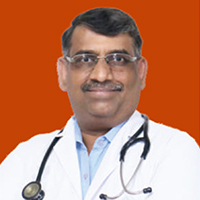
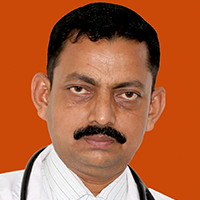
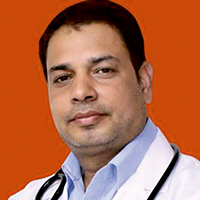
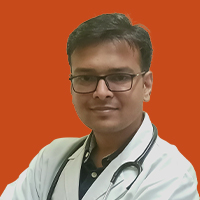
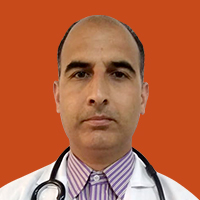
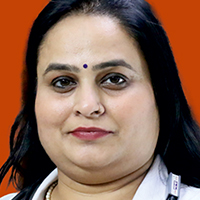
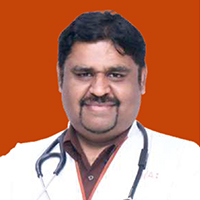
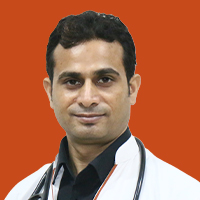
Consult Experienced Ayurveda Doctors for Premature Ejaculation










Our Happy Patients
-
 Sunita Malik - Knee Pain
 -
 Abhishek Mal - Diabetes
 -
 Vidit Aggarwal - Psoriasis
 -
 Shanti - Sleeping Disorder
 -
 Ranjana - Arthritis
 -
 Jyoti - Migraine
 -
 Renu Lamba - Diabetes
 -
 Kamla Singh - Bulging Disc
 -
 Rajesh Kumar - Psoriasis
 -
 Dhruv Dutta - Diabetes
 -
 Atharva - Respiratory Disease
 -
 Amey - Skin Problem
 -
 Asha - Joint Problem
 -
 Sanjeeta - Joint Pain
 -
 A B Mukherjee - Acidity
 -
 Deepak Sharma - Lower Back Pain
 -
 Vyjayanti - Pcod
 -
 Sunil Singh - Thyroid
 -
 Sarla Gupta - Post Surgery Challenges
 -
 Syed Masood Ahmed - Osteoarthritis & Bp
Blogs
Home Remedies
Related Disease
- Ayurvedic Treatment for HIV AIDS
- Ayurvedic Treatment for Erectile Dysfunction
- Ayurvedic Treatment for Frigidity
- Ayurvedic Treatment for Oligospermia
- Ayurvedic Treatment for Premature Ejaculation
- Ayurvedic Treatment for Syphilis
- Ayurvedic Treatment for Trichomoniasis
- Ayurvedic Treatment for Epididymitis
- Ayurvedic Treatment for Chlamydia
- Ayurvedic Treatment for Gonorrhea
- Ayurvedic Treatment for Low AMH
- Azoospermia Treatment in Ayurveda
Latest Blogs
- Is Fasted Intense Exercise a Good Idea for Every Woman
- Health Tracking Every Hour: Helpful Awareness Or Another Source Of Stress?
- फोन देखते हुए चलना सिर्फ accident risk नहीं—posture और breathing पर क्या असर पड़ता है
- Bloating Before a Period: Why Lifestyle Can Change How It Feels
- बहुत जल्दी खाना खाने से पेट भरने का signal देर से क्यों मिलता है
- ‘No Added Sugar’ Doesn’t Automatically Mean Low Sugar—Here’s Why
- Online meetings के बीच zero movement दिन के अंत में stiffness क्यों बढ़ाता है?
- Screen brightness और late-night work sleep readiness को कैसे बदलते हैं
- Warm Vs Cold Foods: How To Discuss The Ayurvedic Idea Without Turning It Into A Myth
- Noise-cancelling headphones घंटों पहनना mental fatigue को कम करता है या बढ़ा सकता है?
- Sugar-Free Biscuits: Better Choice Or A Health Halo?
- Why a Long Afternoon Nap Can Make Bedtime Surprisingly Difficult
- Scrolling While Eating: The Habit That Makes Meals Harder to Remember
- The Forward-Head Posture You Don’t Notice Until Evening
- Are Seed Mixes Useful—Or Just Easy To Overeat?
- Laptop on the Sofa: Why Neck and Hip Stiffness Show Up Later
- Why Your Eyes Feel Tired Even When Screen Brightness Seems Fine
- Is A Standing Desk A Complete Fix For Too Much Sitting?
- Why a Damp Bathroom Can Affect More Than Just the Walls
- When ‘Resting’ Means Scrolling: Is Your Brain Actually Recovering?
Ayurvedic Doctor In Top Cities
- Ayurvedic Doctors in Bangalore
- Ayurvedic Doctors in Pune
- Ayurvedic Doctors in Delhi
- Ayurvedic Doctors in Hyderabad
- Ayurvedic Doctors in Indore
- Ayurvedic Doctors in Mumbai
- Ayurvedic Doctors in Lucknow
- Ayurvedic Doctors in Kolkata
- Ayurvedic Doctors in Patna
- Ayurvedic Doctors in Vadodara
- Ayurvedic Doctors in Ahmedabad
- Ayurvedic Doctors in Chandigarh
- Ayurvedic Doctors in Gurugaon
- Ayurvedic Doctors in Jaipur
- Ayurvedic Doctors in Kanpur
- Ayurvedic Doctors in Noida
- Ayurvedic Doctors in Ranchi
- Ayurvedic Doctors in Bhopal
- Ayurvedic Doctors in Ludhiana
- Ayurvedic Doctors in Dehradun