
Successful Treatments
Clinics
Doctors
Ayurvedic Treatment for Epididymitis: Symptoms, Causes & Management
 Published on 23 Oct, 2026
 Updated on 23 Oct, 2026

- Home / Diseases & Ayurveda / Sexual Problems / Ayurvedic Treatment for Epididymitis: Symptoms, Causes & Management
What is Epididymitis?
Epididymitis is a medical condition where the Epididymis, a small, coiled tube at the back of the testicle that stores sperm, gets inflamed or swollen. This may result in discomfort or pain in the scrotum, testicle, or lower abdomen. The pain may be mild or moderately painful. Sometimes, the pain could be associated with various other symptoms like swelling in the testicles, fever, and a burning sensation while urinating.
Types of Epididymitis
There are two types of Epididymitis: Acute and Chronic.
- Acute Epididymitis occurs suddenly, and symptoms are generally more severe. It's generally caused by a bacterial infection like Chlamydia or Gonorrhoea.
- Chronic Epididymitis lasts for six weeks or more, and symptoms may be less intense but persistent.
Common Causes of Epididymitis
Epididymitis can be caused by many factors, and understanding them is important for better management of the condition. Recognising these common triggers may prompt timely medical intervention to ease discomfort and avoid complications.
Epididymitis can be brought on by:
- Sexually Transmitted Infections (STIs): This is the most frequent cause among young and sexually active men. The primary STIs that cause intense Epididymitis are chlamydia and gonorrhoea.
- Urinary Tract Infection (UTI): Bacteria from a UTI might pass through the bladder or urethra to the Epididymis and cause inflammation.
- Infections of the prostate: Prostate infections (prostatitis) can also spread to the Epididymis.
- Urine Backflow: In older men, urine may flow backwards into the Epididymis, triggering bacterial growth and inflammation.
- Chemical Epididymitis: Sometimes urine enters the Epididymis and a chemical reaction causes inflammation without an infection.
- Physical Injury: Trauma to the pelvic area can cause Epididymitis due to inflammation in the body after injury.
- Catheter Use: Men who have a catheter inserted, such as a Foley catheter used for urinary problems, are at greater risk for Epididymitis because of potential bacterial transfer.
- Medications: Several medicines, like the heart drug amiodarone, can induce Epididymitis as a side effect.
Signs and Symptoms of Epididymitis
Epididymitis can be very uncomfortable and can impact both physical health and quality of life. Knowing the signs and symptoms helps in seeking timely treatment and managing the condition. Some common signs & symptoms associated with Epididymitis are listed below.
- Mild or severe pain in the scrotum on one or both sides
- Any swelling or changes in the size of the scrotum
- Redness or warmth in the scrotum
- Burning sensation or pain when you urinate
- Frequent urge to urinate
- Painful ejaculation
- Fever or chills
- Unusual discharge from your penis
Symptoms
Scrotal Pain & Tenderness
The most common symptom is mild to serious pain in the scrotum. The pain typically starts on one side and can spread to the whole area.
Swelling in the Scrotum
Swelling of the scrotum is another symptom along with pain. It may affect one or both sides and can develop rapidly.
Redness & Warmth
Inflammation may make the scrotum appear red and feel warmer than usual.
Pain during Urination
This sign is called dysuria and involves a burning sensation or discomfort whenever you urinate, suggesting an illness in the bladder.
Frequent Urination
The urge to urinate more than usual can also be a symptom of this condition.
Painful Ejaculation
Many patients also complain of pain during or after ejaculation.
Fever & Chills
In more serious cases, the infection might bring chills, and fever.
Discharge from Penis
An uncommon discharge from the penis can also be seen, particularly if the Epididymitis is on account of a sexually transmitted infection.
Blood in Semen
Rarely, men can find blood in their semen, which can be alarming and must be urgently treated.
Ayurvedic Understanding of Epididymitis
In Ayurveda, epididymitis happens due to an imbalance in the Vata and Pitta dosha in the body. Vata dosha is the controller of air and movement and gets imbalanced due to factors such as stress, excessive sitting, or physical exertion, resulting in sudden, sharp pain, congestion, and structural dysfunction. Pitta dosha, controller of heat and energy, gets imbalanced due to overconsumption of spicy, sour, or acidic foods, resulting in infection, burning sensation, redness, and acute inflammation.
Ayurvedic Medicines for Epididymitis
Ayurvedic medicines for Epididymitis offer relief from the severe pain caused by the disease. These Ayurvedic medicines target inflammation and balance the doshas, without any side effects. The following are some commonly noted Ayurvedic medicines for managing epididymitis:
- Kanchnar Guggulu: It is a traditional Ayurvedic remedy used for detoxification and to manage Epididymitis inflammation.
- Sukumaram Kashayam: This herbal decoction is known to regulate and cool the Vata and Pitta doshas, which in Ayurveda are associated with inflammation and pain. It is especially helpful for male reproductive disorders.
- Triphala: A staple in Ayurvedic medicine, Triphala is a mix of 3 fruits that cleanse the body. This is an anti-inflammatory herb that could be used to deal with conditions like swelling and pain.
Importance of Dietary & Lifestyle Changes
Diet and lifestyle play a major role in the maintenance of overall health of a person. Necessary changes include:
- Eat warm, healthy, clean, and home-cooked food only.
- Keep drinking water throughout the day to keep yourself hydrated.
- Go for a 20-30 min walk daily after your meal; do not just lie down immediately after eating.
- Avoid eating refined and junk food; eat freshly cooked home food daily.
- Take proper 7-8 hours of sleep daily:
- Try to manage your stress levels by doing meditation and breathing exercises such as anulom and vilom.
When To See A Doctor?
If you experience any of the following symptoms, then rush to the doctor immediately:
- High fever combined with severe groin pain
- Mild or gradually increasing pain and tenderness in one testicle.
- Swelling or redness in the scrotum.
- Pain or burning when you urinate.
- An urgent or frequent need to pee.
- Discharge from the penis or blood in your semen.
Conclusion
Dealing with epididymitis can be painful and uncomfortable. Ignoring the pain and feeling embarrassed about it will only make the situation worse. Taking early action, proper care, and treatment can help in dealing with it properly. You must listen to your body and do not ignore the warning signs it gives, because early identification of the disease can help in controlling and managing it on time.
References
Epididymitis and orchitis: an overview - PubMed
Epididymitis: revelations at the convergence of clinical and basic sciences - PubMed
Epididymitis: revelations at the convergence of clinical and basic sciences - PubMed
FAQs
Although some mild cases of Epididymitis resolve without treatment, you should still consult a doctor to avoid problems and for proper management.
No, Epididymitis isn't cancerous. It's an inflammation of the Epididymis, typically because of an infection or sometimes due to trauma.
Recovery time varies but many patients report improvement in symptoms after a few weeks of consistent Ayurvedic treatment.
Serious cases of Epididymitis could result in fertility issues if untreated.
Yes, boys can also get Epididymitis, but it is a lot more prevalent in adults. Any signs in children should be evaluated by a doctor immediately.
Gentle yoga poses that do not put pressure on the pelvic area can help with this condition. Poses like Padmasana (Lotus Pose) must be avoided.
Ayurveda suggests a healthy diet, excluding spicy and acidic food, to manage the inflammation caused by Epididymitis.
Herbal remedies are effective but must be part of a treatment plan which can include other therapies and lifestyle changes.
Ayurveda stresses on balancing the doshas and strengthening the immune system to prevent future episodes of Epididymitis.
Find Jiva Ayurveda Clinics for Epididymitis Treatment Near You
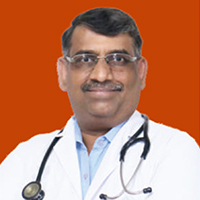
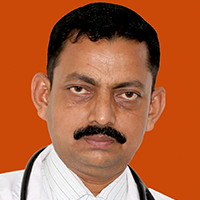
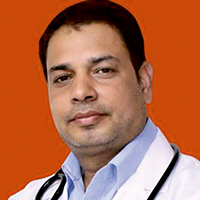
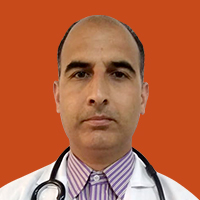
Consult Experienced Ayurveda Doctors for Epididymitis













Our Happy Patients
-
 Sunita Malik - Knee Pain
 -
 Abhishek Mal - Diabetes
 -
 Vidit Aggarwal - Psoriasis
 -
 Shanti - Sleeping Disorder
 -
 Ranjana - Arthritis
 -
 Jyoti - Migraine
 -
 Renu Lamba - Diabetes
 -
 Kamla Singh - Bulging Disc
 -
 Rajesh Kumar - Psoriasis
 -
 Dhruv Dutta - Diabetes
 -
 Atharva - Respiratory Disease
 -
 Amey - Skin Problem
 -
 Asha - Joint Problem
 -
 Sanjeeta - Joint Pain
 -
 A B Mukherjee - Acidity
 -
 Deepak Sharma - Lower Back Pain
 -
 Vyjayanti - Pcod
 -
 Sunil Singh - Thyroid
 -
 Sarla Gupta - Post Surgery Challenges
 -
 Syed Masood Ahmed - Osteoarthritis & Bp
Home Remedies
Related Disease
- Ayurvedic Treatment for HIV AIDS: Supportive Care Alongside HIV Treatment
- Ayurvedic Treatment for Erectile Dysfunction: Symptoms, Causes & Care Options
- Ayurvedic Treatment for Frigidity: Symptoms, Causes & Management
- Ayurvedic Treatment for Oligospermia: Symptoms, Causes & Care Options
- Ayurvedic Treatment for Premature Ejaculation: Symptoms, Causes & Care Options
- Ayurvedic Treatment for Syphilis: Supportive Care Alongside Antibiotic Treatment
- Ayurvedic Treatment for Trichomoniasis: Symptoms, Causes & Management
- Ayurvedic Treatment for Epididymitis: Symptoms, Causes & Management
- Ayurvedic Treatment for Chlamydia: Symptoms, Causes & Care Options
- Ayurvedic Treatment for Gonorrhea: Symptoms, Causes & Care Options
- Ayurvedic Treatment for Low AMH: Fertility Concerns, Causes & Care Options
- Ayurvedic Treatment for Azoospermia: Causes, Diagnosis and Male Fertility Care Options
Latest Blogs
- Late Dinner Plus Poor Sleep: Why Ayurveda Looks At The Pattern, Not One Habit
- परिवार के साथ बैठकर खाना खाने से Portion और Eating Speed पर क्या फर्क पड़ सकता है?
- कब्ज़ में इंडियन-स्टाइल टॉयलेट बेहतर है? टॉयलेट पोस्चर के बारे में क्या पता है
- दूध, दही और लस्सी से IBS के लक्षण कब बढ़ सकते हैं?
- कभी कब्ज़, कभी दस्त? बार-बार बदलती पेट की आदतों को कैसे समझें
- क्या आयरन, कैल्शियम या कुछ दवाओं से कब्ज़ हो सकती है? डॉक्टर से कब बात करें
- पीरियड्स के दौरान IBS के लक्षण कुछ लोगों में क्यों बढ़ सकते हैं?
- व्रत या उपवास में कब्ज़ बढ़ जाती है? नवरात्रि में किन बातों का ध्यान रखें
- सफ़र में कब्ज़ क्यों हो जाती है? यात्रा से पहले क्या तैयारी करें
- खूब पानी पीने के बाद भी कब्ज़ क्यों बनी रह सकती है?
- बुज़ुर्ग माता-पिता को कब्ज़ रहती है? परिवार किन बातों का ध्यान रखे
- क्या खूनी बवासीर में ऑपरेशन ही एकमात्र विकल्प है? इलाज के विकल्प समझें
- शौच में खून देखकर घबरा गए? जानिए पहले क्या समझें और क्या करें
- रोटी, चावल और दही: कब्ज़ होने पर खाने में क्या बदलाव मदद कर सकते हैं?
- रोज़ बाइक से ऑफिस जाते हैं और बवासीर की सूजन परेशान करती है? जानिए सफ़र का असर
- IBS में दवा से राहत मिलने के बाद भी लक्षण दोबारा क्यों हो सकते हैं?
- IBS में कौन-सा खाना परेशानी बढ़ाता है? फ़ूड डायरी कैसे मदद कर सकती है
- मानसून में पेट की परेशानी बढ़ती लगती है? IBS और मौसम के संबंध को समझें
- बवासीर में सिट्ज़ बाथ कैसे करें? फायदे, सावधानियाँ और कब बचें
- बवासीर के मस्से बाहर निकलते हैं? ग्रेड 1 से 4 का मतलब समझें
Ayurvedic Doctor In Top Cities
- Ayurvedic Doctors in Bangalore
- Ayurvedic Doctors in Pune
- Ayurvedic Doctors in Delhi
- Ayurvedic Doctors in Hyderabad
- Ayurvedic Doctors in Indore
- Ayurvedic Doctors in Mumbai
- Ayurvedic Doctors in Lucknow
- Ayurvedic Doctors in Kolkata
- Ayurvedic Doctors in Patna
- Ayurvedic Doctors in Vadodara
- Ayurvedic Doctors in Ahmedabad
- Ayurvedic Doctors in Chandigarh
- Ayurvedic Doctors in Gurugaon
- Ayurvedic Doctors in Jaipur
- Ayurvedic Doctors in Kanpur
- Ayurvedic Doctors in Noida
- Ayurvedic Doctors in Ranchi
- Ayurvedic Doctors in Bhopal
- Ayurvedic Doctors in Ludhiana
- Ayurvedic Doctors in Dehradun