Diabetes, arthritis, skin disorders & more! Get a free consultation with Top Ayurveda doctors - +91 9266714040 | No travel, No waiting – Consult Jiva’s doctors from home via video call! | Get up to 10% OFF! On Authentic Ayurveda Products! Best Prices only on the brand store. Visit : www.store.jiva.com
Dealing with piles can turn the simplest part of your day, like sitting down or going to the bathroom, into a severe quest, constant agony. Because it is an embarrassing topic, millions of people suffer in complete silence, relying on temporary creams and painkillers just to get through the week.
But hiding the pain does not heal the root problem. You do not have to live in fear of your next bathroom trip. True, lasting relief begins the moment you stop chasing quickie surface fixes and finally address the heavy internal imbalance causing your daily discomfort.
Who Can Consider Ayurvedic Treatment for Piles?
Do you feel pain while passing stool? Do you find blood in your stool or on the toilet bowl? Do you have constipation? Do you have a small lump or swelling near the anus? Piles, also called hemorrhoids, are swollen and inflamed blood vessels located in your lower rectum and anus. They develop when constant heavy pressure, usually from chronic constipation, sitting on the toilet, or sitting for long periods, forces these delicate veins to stretch into a bulge.
At Jiva Ayurveda, doctors assess your symptoms, medical history, daily routine, and the type of piles before recommending personalised Ayurvedic care.
People who experience bleeding during bowel movements
If you notice bright red blood on the toilet paper, in the toilet bowl, or on the surface of the stool, then you must consult with an Ayurvedic doctor. It is one of the earliest signs of piles, which shouldn't be ignored. Ayurvedic care helps stop the bleeding or any other discomfort you may be facing.
People who notice swelling or a lump near the anus
You may notice a small lump or swelling around the anal opening, or the lump may disappear after a bowel movement, while in others it might remain outside the anus. Ayurvedic treatment can help reduce the swelling and remove the lump with its therapies and herbal medications.
People who experience itching around the anal area
If you experience persistent itching around the anus, it may occur due to irritation caused by swollen hemorrhoids or mucus discharge. Ayurvedic care helps in reducing the itching through its root-cause treatment approach.
People who face mucus discharge
If you notice sticky mucus discharge after passing stool, then this may irritate the surrounding skin and can cause itching and discomfort. Ayurveda helps in managing it with a proper care and treatment approach.
People who experience frequent constipation and straining
Constipation can also cause piles, hard stools and excessive straning puts ezra pressure on the veins around the anus. Ayurvedic treatment protocol focuses on fixing your digestion by improving your diet and lifestyle.
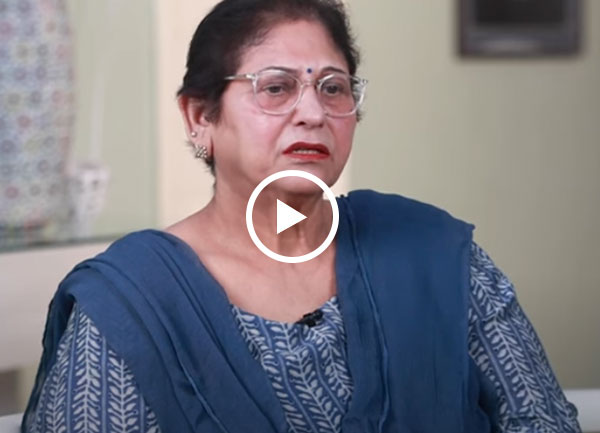
I had a piles problem for many months. I even had a lot of trouble sitting. Someone told me about Jiva Ayurveda Lajpat Nagar, then I went there and met Dr. Sarika Rawat. I took medicine for 4 months. Now I am completely fine, and I am grateful to Jiva Ayurveda Lajpat Nagar.
I will also tell others about Jiva Lajpat Nagar. The staff's nature is also very good and cool.
Thanks Jiva Ayurveda Lajpat Nagar
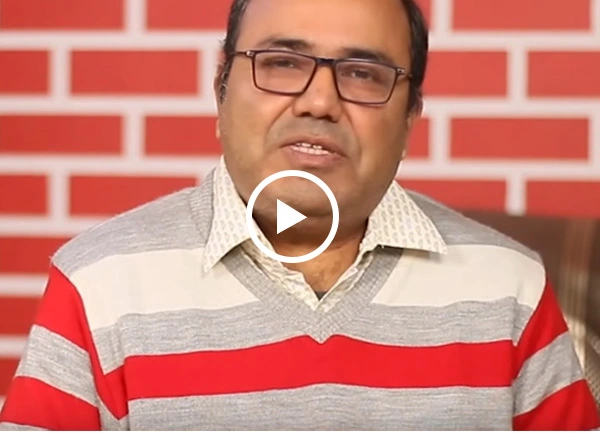
We are using Jiva Ayurveda from last 8 years.my husband was suffering from piles problem from last 20 years, I came to know about Jeeva Ayurveda through TV program of ayurveda charya Dr Pratap Chauhan and I got in contact with Jeeva Ayurveda and started treatment within one week my husband got relief from piles problem even i am taking treatment for Vericose vains from last 6 months there was too much pains swelling irritation darkness inflammation in my legs I was totally upset. Then we started treatment from jiva ayurveda and I got relief from the pain. Due to strong efforts from health coach, mind wellbeing,dietitian, yoga therapist ,doctors and jiva Ayurveda team. medicine of jiva ayurveda is a gift of god
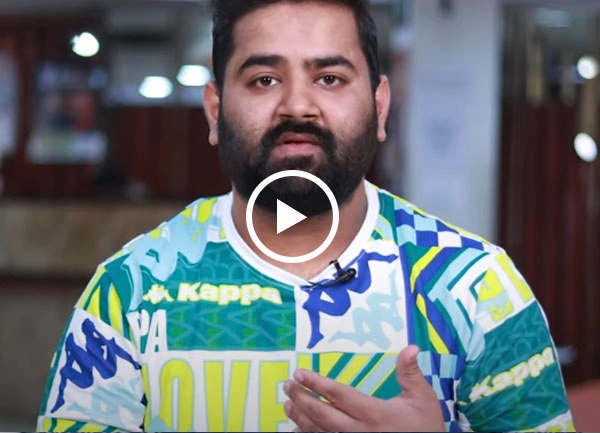
I had developed a problem with piles. There was a lot of bleeding and I also had severe pain. I consulted many places and spent a lot of money. Finally, it came to the point where surgery was needed.
I saw about 'Jiva' on Facebook and went to the nearest center, Jiva Lajpat Nagar. There I met Dr. Sikander. He understood my problem. After talking for a long time, he prescribed some medicines and explained the process of taking the medicine morning and evening.
After taking the medicine for 4 months, I got a lot of relief. Now there is no pain and the bleeding has also stopped.
Thank you, Jiva Lajpat Nagar.
Once again, thank you, Jiva Lajpat Nagar.
Patient Success Stories
Ano-rectal Symptoms
How Does Piles Treatment Differ According to the Type?
Not every person with piles needs the same treatment. Understanding the type of piles is important because the causes, symptoms, and treatment goals can be very different.
Internal Piles or Abhyantara Arsha
These are swollen veins hidden deep inside the rectum. You cannot see or feel them. Usually do not hurt, but they often cause bright red, painless bleeding during bowel movements. Ayurvedic management is heavily focused on finding the root cause first and then working on treating the piles by giving inside-out healing.
External Piles or Bahya Arsha
These are under the sensitive skin immediately outside theanus. They look and feel like a hard, swollen lump. Because of the severely exposed nerve endings, they cause severe pain and relentless itching. Ayurvedic management for external piles includes certain theories, dietary changes, and herbal medicines for treatment.
How Are Piles Assessed At Jiva Ayurveda?
Along with the doctor's diagnosis, an Ayurvedic check-up depends on certain tests. It also looks at your whole life, not just your symptoms:
Nidana Panchaka (five-fold diagnostic investigation): In this, the Ayurvedic practitioner does Nidana, identifies the root cause of the disease, Purvarupa, observes early premonitory signs, Rupa, analyzes actual signs, Upashaya, uses therapeutic tests, and Samprapti, how the disease progressed through bodily channels.
Ashtasthaana Pareeksa (eight-point physical examination): They do Nadi pariskha to evaluate the state of doshas; Moora, examining color or clarity of urine; Mala, checking consistency of the bowel; Jihwa, inspecting color and coating of the tongue; Shabda, listening for tone; Sparsha, assessing skin temperature and moisture; Drik, looking at the eyes; Akriti, observing general appearance.
Prakriti and Vikriti Analysis: In this, they determine the person's mind-body constitution (Vata, Pitta, and Kapha), and Vikriti identifies the current state of imbalance and deviation from homeostasis.
Agni and Ama: If your daily digestion is weak, your food does not process properly. This creates thick, toxic waste in the body, Ama, that travels through your body and blocks the body channels (Srotas).
Lifestyle Analysis: They look at your whole lifestyle and ask you questions related to your sleep, diet, and stress levels, as they also contribute to the internal imbalance in an individual.
Apart from these, an Ayurvedic practitioner may also do physical and medical examinations and skin assessment or other related tests to know the big picture and treat the problem accordingly.
How Does Jiva Ayurveda Help in Piles Management?
In Ayurveda, piles is known as Arsha, which is derived from the word meaning an enemy. It primarily happens because of an imbalance in the Apana Vata (the sub-dosha of Vata which is responsible for downward movement, including the elimination of stool and urine, often combined with aggravated Pitta and Kapha energies.
Another reason for Arsha in an individual is the weak digestive fire, Agni, which processes the food. Weak digestive fire leads to accumulation of toxic waste, Ama, chronic constipation (Vibandha), and straining, which causes swelling of rectal venous plexuses.
At Jiva Ayurveda, piles care focuses on understanding these root causes and recommending a personalised, inside-out healing plan.
Understanding Your Pain and Daily Routine
Before recommending a treatment, the Jiva Ayurveda doctor will ask detailed questions to understand your specific condition:
Do you feel itching, discomfort, or pain around the anus area?
Do you notice small lumps or swelling near the anus?
Do you experience bleeding during or after bowel movements?
Do you feel pain and a burning sensation while passing stools?
Do you notice redness and swelling around the anal region?
When do you eat your breakfast, lunch, and dinner?
How much stress do you take?
Do you have severe constipation or any other medical condition?
The doctor will also deeply assess your Prakriti (body constitution) and digestive fire (Agni). This helps create a care plan suited entirely to your health needs.
Ayurvedic Medicines Based on Your Health Condition
To stop the sharp pain and sudden bleeding, experts prescribe specific cooling and digestive herbs. These natural medicines work continuously to naturally soften your stool, shrink the highly inflamed blood vessels, and soothe the burning sensation from the inside.
An Indian Diet For Piles
Managing piles requires eating foods that support your digestion. Your doctor will recommend simple changes such as:
Including warm, freshly cooked meals with a little ghee to naturally lubricate dry joints.
Avoiding cold, dry, or heavily processed foods that increase stiffness.
Eating more warm, easy-to-digest foods like moong dal, ginger, and garlic to keep your digestive fire strong and prevent toxic buildup.
Ensuring regular meal timings and avoiding heavy meals late at night.
The right diet depends entirely on your pain levels, body weight, and the specific type or grade you have.
Fixing Your Digestion Agni & Clearing Sticky Waste Ama
The very first step to healing is repairing your weak digestive fire. When your stomach easily breaks down food, you completely stop producing the hard, dry stools that constantly force you to strain and push in the bathroom. Also, years of poor eating habits leave heavy, sticky toxins trapped deep in your gut. Specialized Panchakarma therapies actively flush this heavy waste out of your system, clearing the internal blockage that traps your downward-flowing body energy.
Regular Doctor Follow-ups
Piles is a serious condition that requires continuous care. Your doctor will regularly review your overall progress during follow-up consultations. As your body changes and heals, your personalized supportive care plan will be carefully adjusted to ensure long-term relief.
Looking for personalized Ayurvedic support for piles?
Book a consultation with a Jiva Ayurveda doctor to discuss your symptoms, current medicines, and start your journey today.
Ayurvedic Therapies for Piles Treatment
Kshara Karma and Kshara Sutra
These are traditional Ayurvedic parasurgical treatments used to manage piles.
Kshara Karma is a minimally invasive, parasurgical Ayurvedic treatment used primarily for managing 1st and 2nd grade internal piles.
Kshara Sutra is an ancient Ayurvedic para-surgicla procedure that uses a specially coated thread to treat anorectal conditions.
Soothing External Therapies
Instead of aggressive procedures, Ayurveda uses targeted, gentle local therapies. Warm herbal sitz baths (Avagaham) and careful application of topical medicated oils directly relax your tight pelvic muscles, instantly relieving the sharp pain, swelling, and severe itching.
Panchkarma Therapies
Ayurveda uses Panchakarma therapies such as basti, virechana, and vaman to detox the body internally and remove toxins (Ama) from the body. They help in internal healing and making the digestion better.
Your Piles Care Journey at Jiva Ayurveda
Step 1: Speak to a Jiva Ayurveda Doctor
Book a clinic or video consultation by calling +91 9266714040, depending on availability and your medical needs. Tell the doctor about your history, symptoms, and current treatment.
Step 2: Share Your Medical Reports
Share all the medical reports of your condition. Also share the names of the medicines you are taking.
Step 3: Get a Personalised Care Plan
Your doctor may suggest suitable Ayurvedic support, dietary changes, exercise, and lifestyle recommendations according to your health condition.
Step 4: Follow the Plan and Monitor Your Sugar
Follow the recommended routine and keep a simple record of your progress to discuss during the next consultation.
Step 5: Review Your Progress
During follow-ups, your doctor can review your reports, discuss any difficulties, and make suitable changes to your supportive care plan.
Piles management is a long-term process, and regular monitoring remains important.
Ayurvedic Care for Piles According To The Grades
Prolapse means the swollen internal vein has stretched so much that it drops completely outside your body. Doctors grade from 1 to 4 based on how far they fall out:
Grade 1
In grade 1, the veins are so swollen inside and might bleed, but they stay completely hidden. Treatment requires immediate, strict cooling diets, herbs, and therapies for better relief.
Grade 2
The painful lump pushes out when you strain on the toilet but naturally pulls back inside on its own when you finish. Ayurvedic care involves certain actions such as strict diets, herbs, and therapies for better recovery.
Grade 3
The lump drops out during a bowel movement, and you have to physically push it back inside with your fingers. Ayurvedic treatment includes certain herbs, dietary changes, therapies, and lifestyle changes.
Grade 4
The heavily swollen lump stays permanently outside; it cannot be pushed back in, causing severe constant pain. This requires immediate specialist care.
What Improvements Can You Work Towards During Piles Management?
Ayurvedic management of piles doesn't work overnight; it takes time and patience as it works on treating the root cause, not just symptoms. During the treatment, you may notice the following improvements:
Reduction In The Itching
That persistent itching around the anus area, which happens when the veins become swolle os reduced.
Noticeable Improvement In The Swelling And Redness
If you have lumps, swelling, or redness around the anus, it is reduced with better care and management.
Better Digestion
Ayurvedic diet, herbs and lifestyle changes help in making digestion better and making the stool softer.
Less Pain While Passing Stools
Ayurvedic care helps in reducing the pain during bowel movements through its dietary and lifestyle changes.
Reduced Bleeding & Burning Sensation
Ayurvedic therapies and internal medication help in reducing bleeding and burning sensation during or after bowel movements.
What Test May Be Done By Doctor To Diagnose Piles?
Medical History & Physical Exam
The doctor will ask you questions related to your medical or family history, and a physical exam will be done:
Symptoms Evaluation: The doctor will ask you symptom-related questions about bright red bleeding, itching, pain, mucus, or lumps at the anus, as well as bowel habits.
Visual Inspection: The doctor will look at the outside of the anus to check for external piles, blood, clots, or skin tags for a better understanding of the disease.
Digital Rectal Exam (DRE): In this, the doctor wears a lubricated, gloved finger and gently inserts it into the rectum to feel for internal swelling, lumps, or tenderness.
Diagnostic Procedures
A doctor may use some specialized instruments to rule out internal piles or other conditions:
Anoscopy: It's a short, lighted tube that is used to examine the lining of the anus and lower rectum
Proctosigmoidoscopy: It's a lighted tube with a camera to examine the lining of the rectum and the lower part of the intestine.
Colonoscopy: In this, a doctor uses a long, flexible, lighted tube called a colonoscope to examine the inside of your large intestine.
How to Manage Piles in Daily Life
Small changes to everyday activities can help in managing piles in daily life:
Take Sitz Baths
Sit in warm water for 10 to 15 minutes; it will help reduce itching and irritation. After that, dry yourself gently with a towel and do not rub the area.
Eat Enough Fiber
Eating fiber helps avoid constipation and straining to pass bowel movements; both are major risk factors for piles. A fiber-rich diet helps reduce the pain by softening and making the stool easier to pass.
Keep Yourself Hydrated
Water is very important for the body; it helps make the stool soft, which reduces the pain of piles. Drink 7-8 glasses of water every day to keep your body hydrated.
Do Gentle Movements
A sedentary lifestyle can worsen piles. Doing gentle exercise can help you digest food better and reduce the risk of constipation.
Avoid Sitting For Long Periods In The Toilet
While sitting on the toilet, elevate your feet using a step stool; as you sit will help to speed things up.
Listen To The Urge
Do not ignore your urge signals, as it can lead to hard stool, which can cause irritation and pain later.
When Bleeding Or Pain Needs Urgent Review
Piles can be frustrating, but many warning signs must not be ignored and require urgent medical care:
If you notice bleeding before, during, or after bowel movements.
If discomfort from piles doesn't get resolved after weeks.
If your piles symptoms keep on worsening.
If you have a hard, swollen, discolored lump near the anus.
If you have a high temperature, chills, or pus coming out of the area.
If you have severe, unbearable anal or rectal pain.
If you have non-stop heavy bleeding that doesn't stop.
Early medical advice can help manage symptoms effectively and prevent the condition from worsening.
Estimated Cost of Treatment for Piles at Jiva Ayurveda
Knowing how much your treatment will cost is important. At Jiva Ayurveda, we keep our pricing clear and upfront so you can choose the right plan for your health according to your needs.
Treatment Cost
If you are looking for regular, ongoing support, the starting cost for your medicines and doctor's consultation is usually between Rs 3000 and Rs 3500. Just keep in mind that this is just the baseline cost; the real cost may vary depending on the severity of the disease.
Protocol
For a deeper step-by-step approach, we offer specific healing packages that last for 3 to 4 months. You make a one-time payment ranging from Rs 15000 to Rs 40000 for the entire period.
The package includes:
All medicines and doctor visits
Hands-on physical therapy
Customised diet plans, yoga and meditation therapies
Mental well-being support sessions
Why Should You Choose Jiva Ayurveda?
Jiva Ayurveda provides customised and root-based Ayurvedic treatment that is primarily focused on providing health and wellness solutions for specific patients.
Patient-specific treatment: Jiva’s therapies and treatments are structured by professional doctors according to each patient’s unique prakriti, diet, and lifestyle.
Root-based treatment: Jiva focuses on the specific root cause of the health condition or disease rather than focusing only on medicines, with an emphasis on addressing underlying factors.
Authentic Ayurvedic medicines: Jiva provides authentic Ayurvedic medicines; we follow strict quality parameters to ensure safety and effectiveness.
Protocol-based analysis: We follow research-backed clinical methods to provide structured assistance to our patients.
Assist 8000+ patients every day: Jiva's doctors are specialised in a wide range of Ayurvedic healthcare, and every single day, we assist more than 8000 people.
Explore The Piles Topic Hubs
To help you better understand your piles recovery journey, explore the sections below to find detailed, practical solutions for every part of your daily experience:
Types and Grades of Piles: Internal, External and Prolapsed
In this section, you will learn about the types and grades of piles in depth. This will give the reader a better understanding and approach, and also help in identifying the specific type and grade he has.
Piles Symptoms: Bleeding, Pain, Itching, and Lumps
This section covers the classic symptoms of piles; some of them are bleeding, pain, itching, and lumps. It will help you better understand your symptoms and match them with what you are going through.
Constipation and Toilet Habits That Worsen Piles
It will cover everything about constipation in depth, its meaning, along with its treatment approach. The guide will also include all the toilet habits that make your piles worse and suggest some good habits or approaches to manage them.
Piles Diet: Indian High-Fibre Food and Hydration Guide
Diet is one of the most important factors for managing piles. One must know what to avoid and what to eat while dealing with a disease like piles. This guide also covers the importance of hydration and how exactly you should hydrate yourself.
Piles or Another Condition? Fissure, Fistula, and Rectal Bleeding
This guide helps readers navigate diagnostic confusion between piles, fissure, fistula, and rectal bleeding. It will help you better understand the difference between these and help you know which condition you are actually going through.
Piles Treatment Decisions: Conservative Care, Procedures and Recurrence
In this section, a proper treatment plan for piles is discussed in depth. This section covers whether it is possible to manage piles without surgery and why piles keep on coming back.
In order to steer clear of piles, one must ensure a high-fibre diet with an appropriate amount of fruits, vegetables, and whole grains that will relieve them of constipation and thus lessen the need for straining in defecation. Regular exercise, staying hydrated, and managing stress effectively can also minimise the risk of developing piles. Basic preventive measures also involve maintaining proper defecation practices, such as going to the bathroom when one feels an urge to do so and not staying on the toilet seat for long periods.
In Ayurveda, piles are dealt with in a multi-dimensional way that consists of eating habits, herbal treatment, and changing the routine and practice of Panchakarma therapy. Dietary modifications focus on consuming high-fibre foods to ease bowel movements. Herbal treatments might include Triphala, Haritaki, and topical applications of healing pastes. Lifestyle recommendations often involve regular exercise and proper hydration. Panchakarma, like Vasti (medicated enema), is used to cleanse the body and restore balance. The treatment is tailored to the individual’s constitution and the specific characteristics of the piles.
Mild piles may resolve on their own after a few lifestyle changes or some home remedies, but if that does not work and the problem exists even after weeks, then it's high time. You must consult a certified and trusted healthcare practitioner. Ayurveda offers a root-cause-based approach to managing piles, which can lead to improvement or complete resolution.
Spicy foods: These can irritate the digestive tract and worsen symptoms.
Oily and fried foods: Heavy foods can aggravate digestion and contribute to constipation.
Processed foods: These often contain unhealthy additives and preservatives.
Constipating foods: Avoid foods that can lead to constipation, such as red meat, dairy products, and refined grains.
Aloe vera juice: Being known for its healing properties, it can help soothe the digestive tract and reduce inflammation.
Wheatgrass juice: Rich in antioxidants, wheatgrass juice can aid in digestion and detoxification.
Carrot juice: The carrots are a rich source of fibre and can help regulate bowel movements.
Yes, piles can be more common during pregnancy due to hormonal changes and elevated pressure on the veins in the rectum. It's important for pregnant women to consult with a healthcare professional for appropriate management and prevention of piles.
Piles are usually not permanent and can improve with a proper diet, lifestyle changes, and medical treatment. Chronic cases may require advanced care.
Mild piles may improve with fibre intake and hydration, but persistent or painful piles require medical evaluation.
Warm sitz baths, a fibre-rich diet, adequate hydration, and prescribed medication can help reduce pain and swelling.
Occasional mild bleeding is common, but continuous or heavy bleeding should be checked to rule out serious conditions.
Spicy foods, processed foods, excessive caffeine, and a low-fibre diet may worsen symptoms.
Yes, chronic constipation and straining during bowel movements are major risk factors for haemorrhoids.
Not always. Many cases are managed with medication and lifestyle changes, but severe or prolapsed piles may need surgical procedures.
Yes, increased abdominal pressure and hormonal changes during pregnancy can lead to piles.
No, piles are swollen veins, while fissures are small tears in the anal lining.
Mild piles may improve within a few weeks, while chronic cases may take longer, depending on treatment and lifestyle.
Find Jiva Ayurveda Clinics for Ano-rectal Treatment Near You

 Published on 01 Jan, 1970
 Updated on 12 Nov, 2026