
Successful Treatments
Clinics
Doctors
Ayurvedic Treatment For Piles And Fissure
 Published on 17 Oct, 2026
 Updated on 17 Oct, 2026

What Is Piles?
Piles, also known as haemorrhoids, are swollen and inflamed veins in the rectum or around the anus. They commonly cause pain, itching, swelling, and bleeding during bowel movements. Piles may develop due to chronic constipation, straining during stool passage, prolonged sitting, or increased abdominal pressure. Haemorrhoids can be internal (inside the rectum) or external (around the anus). In some cases, untreated piles may lead to discomfort, anaemia, or infection.
Types of Piles
Piles are categorised into two types:
Internal Piles
Often go unnoticed as they are not painful due to the lack of pain receptors in the rectum. However, when prolapsed, these internal structures, which are usually neglected, are visible outside the anus during defecation, and this may cause discomfort and pain. The most frequent complaint associated with a bowel movement is bright red blood that is streaked on the toilet paper after the defecation process.
External Piles
Located around the anus, these are often painful, especially if they become thrombosed. In such cases, patients may experience severe pain and swelling along with Itching and irritation due to the mucus they secrete. The swelling around the anus is common in this.
Patient Success Stories
Ano-rectal Symptoms
Pain and discomfort
Pain and discomfort
Itching and irritation around the anus
Itching and irritation around the anus
Swelling near the anus
Swelling near the anus
Bleeding during bowel movements
Bleeding during bowel movements
A lump near the anus, which can be sensitive or painful
A lump near the anus, which can be sensitive or painful
What Are The Causes of Piles?
The causes of piles are multifaceted, involving both lifestyle and physiological factors:
- Increased Abdominal Pressure: Sometimes, physical pressure in hemorrhoidal veins can be caused by straining to have a bowel movement, a sedentary lifestyle, obesity, pregnancy, and heavy lifting.
- Dietary Factors: A diet low in fibre can cause constipation, leading to hard stools and straining, which increases the risk of haemorrhoids. Conversely, excessive intake of spicy and deep-fried foods can exacerbate the symptoms.
- Genetics: A family history of haemorrhoids can predispose individuals to developing piles.
- Ageing: As one ages, the tissues that support the veins in your rectum and anus can weaken and stretch, increasing the risk of haemorrhoids.
In Ayurveda, piles are considered to result from the disturbance of any of the three doshas, although it is most commonly linked to the dysfunction of the digestive system and an imbalance in the Vata dosha:
- Vata Type Piles: Dryness and hardness characterise these, causing pain and discomfort.
- Pitta Type Piles: These are associated with inflammation, infections, and bleeding.
- Kapha Type Piles: Characterised by the pile mass being soft and large, with itching and secretion.
Risks & Complications
Piles is a condition that, if not treated properly, may result in several complications, including:
- Severe Anaemia - caused by long-term bleeding from the piles
- Strangulated haemorrhoid, where the blood supply to an internal haemorrhoid is cut off, causing extreme pain and possible infection
- A fistula or breakdown in the tissues around the anus, leading to infection
- Ulcerated haemorrhoids that may be painful
Diet Plan for Piles Patients
A well-balanced diet plays a crucial role in managing and preventing piles. The primary aim is to soften stools and promote regular bowel movements.
Foods to Include
- Whole grains such as oats, brown rice, and wholemeal bread
- Fresh fruits like apples, pears, and papaya
- Leafy green vegetables
- Lentils and legumes
- Adequate fluids, including water and herbal teas
Foods to Avoid
- Spicy and deep-fried foods
- Processed snacks
- Excessive tea, coffee, and alcohol
- Low-fibre refined flour products
A fibre-rich diet for patients with piles reduces straining, minimises rectal bleeding and supports long-term digestive health. Consistency in dietary habits is essential for effective piles management.
How to Prevent Piles Naturally?
Preventing piles naturally focuses on improving digestion, avoiding constipation, and reducing strain during bowel movements.
To prevent haemorrhoids naturally:
- Eat a high-fibre diet to maintain soft stools
- Drink adequate water throughout the day
- Avoid prolonged sitting, especially on the toilet
- Exercise regularly to improve bowel movements
- Do not ignore the urge to defecate
- Limit spicy foods, processed meals, and excessive caffeine
Simple lifestyle changes can significantly reduce the risk of developing haemorrhoids. Early prevention is the best way to avoid chronic piles and the need for invasive treatment.
When to See a Doctor?
You should consult a certified Ayurveda practitioner if:
- The symptoms do not go away in a week
- You bleed, or the pain is too much
- There is an outward bulging of the haemorrhoid
- When symptoms do not improve with home remedies for piles
Piles Treatment In Ayurveda
Ayurveda not only cures the piles symptoms but emphasises the restoration of digestive health and balance in the body’s doshas. Here’s how the condition of piles is treated in Ayurveda:
Dietary Adjustments
- Fibre-Rich Foods: Incorporate fibre-rich foods like whole grains, leafy greens, and fresh fruits into the diet to soften stools and reduce straining during bowel movements.
- Hydration: Adequate fluid intake is essential. Herbal teas and warm water can help promote digestion and reduce constipation.
- Avoiding Trigger Foods: If you have piles, there are certain foods you should keep away from, like spicy food, caffeinated drinks, and alcoholic beverages, because they can aggravate the condition.
Herbal Remedies
Haritaki and Triphala: These herbs are said to stimulate bowel movements and expel waste from the system, especially in postpartum constipation.
Kachnaar Guggul: A traditional remedy for reducing the size of piles and alleviating pain.
Nimba (Neem): It is also used to reduce inflammation and help curb infections; this is due to its antiseptic and anti-inflammatory effects.
Lifestyle Modifications
Regular Exercise: Some light exercises or physical activities, such as brisk walking as well as yoga, may enhance proper circulation of blood, digestion, or every other dietary process and would, in turn, reduce the chances of constipation, which would otherwise lead to the formation of piles.
Proper Hygiene: Keeping the anal area clean can also prevent additional irritation and even infection.
Panchakarma Therapies
Basti (Medicated Enema): This technique is of great significance in piles management through purification of the lower bowel and restoring normal bowel function, especially in piles of Vata type.
Conclusion
Piles is not just a regular disease; it’s a condition that can make one’s life very uncomfortable and difficult. Any emerging symptoms of piles should not be ignored, as time only worsens this issue. Eating cooked vegetables and using herbs as per professional guidance can help immensely to increase the chances of an early reversal.
If any of the symptoms of piles are detected, it’s necessary to consult a qualified healthcare professional to get the best treatment for your condition.
References:
Hemorrhoids: From basic pathophysiology to clinical management - PMC
Definition & Facts of Hemorrhoids - NIDDK
Ayurvedic Treatment for Piles (Hemorrhoids)
A clinical study on the role of Ksara Vasti and Triphala Guggulu in Raktarsha (Bleeding piles) - PMC
FAQs
In order to steer clear of piles, one must ensure a high-fibre diet with an appropriate amount of fruits, vegetables, and whole grains that will relieve them of constipation and thus lessen the need for straining in defecation. Regular exercise, staying hydrated, and managing stress effectively can also minimise the risk of developing piles. Basic preventive measures also involve maintaining proper defecation practices, such as going to the bathroom when one feels an urge to do so and not staying on the toilet seat for long periods.
In Ayurveda, piles are dealt with in a multi-dimensional way that consists of eating habits, herbal treatment, and changing the routine and practice of Panchakarma therapy. Dietary modifications focus on consuming high-fibre foods to ease bowel movements. Herbal treatments might include Triphala, Haritaki, and topical applications of healing pastes. Lifestyle recommendations often involve regular exercise and proper hydration. Panchakarma, like Vasti (medicated enema), is used to cleanse the body and restore balance. The treatment is tailored to the individual’s constitution and the specific characteristics of the piles.
Mild piles may resolve on their own after a few lifestyle changes or some home remedies, but if that does not work and the problem exists even after weeks, then it's high time. You must consult a certified and trusted healthcare practitioner. Ayurveda offers a root-cause-based approach to managing piles, which can lead to improvement or complete resolution.
Spicy foods: These can irritate the digestive tract and worsen symptoms. Oily and fried foods: Heavy foods can aggravate digestion and contribute to constipation. Processed foods: These often contain unhealthy additives and preservatives. Constipating foods: Avoid foods that can lead to constipation, such as red meat, dairy products, and refined grains.
Aloe vera juice: Being known for its healing properties, it can help soothe the digestive tract and reduce inflammation. Wheatgrass juice: Rich in antioxidants, wheatgrass juice can aid in digestion and detoxification. Carrot juice: The carrots are a rich source of fibre and can help regulate bowel movements.
Yes, piles can be more common during pregnancy due to hormonal changes and elevated pressure on the veins in the rectum. It's important for pregnant women to consult with a healthcare professional for appropriate management and prevention of piles.
Piles are usually not permanent and can improve with a proper diet, lifestyle changes, and medical treatment. Chronic cases may require advanced care.
Mild piles may improve with fibre intake and hydration, but persistent or painful piles require medical evaluation.
Warm sitz baths, a fibre-rich diet, adequate hydration, and prescribed medication can help reduce pain and swelling.
Occasional mild bleeding is common, but continuous or heavy bleeding should be checked to rule out serious conditions.
Spicy foods, processed foods, excessive caffeine, and a low-fibre diet may worsen symptoms.
Yes, chronic constipation and straining during bowel movements are major risk factors for haemorrhoids.
Not always. Many cases are managed with medication and lifestyle changes, but severe or prolapsed piles may need surgical procedures.
Yes, increased abdominal pressure and hormonal changes during pregnancy can lead to piles.
No, piles are swollen veins, while fissures are small tears in the anal lining.
Mild piles may improve within a few weeks, while chronic cases may take longer, depending on treatment and lifestyle.
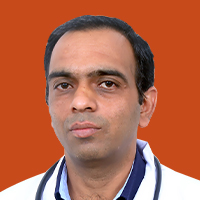
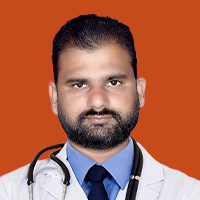
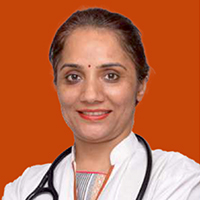
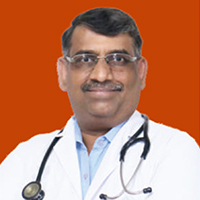
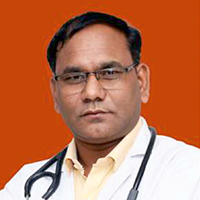
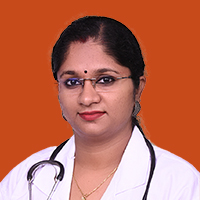
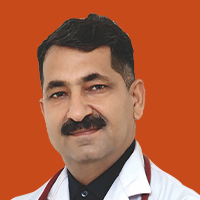
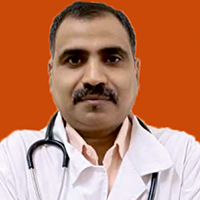
Consult Experienced Ayurveda Doctors for Piles










Our Happy Patients
-
 Sunita Malik - Knee Pain
 -
 Abhishek Mal - Diabetes
 -
 Vidit Aggarwal - Psoriasis
 -
 Shanti - Sleeping Disorder
 -
 Ranjana - Arthritis
 -
 Jyoti - Migraine
 -
 Renu Lamba - Diabetes
 -
 Kamla Singh - Bulging Disc
 -
 Rajesh Kumar - Psoriasis
 -
 Dhruv Dutta - Diabetes
 -
 Atharva - Respiratory Disease
 -
 Amey - Skin Problem
 -
 Asha - Joint Problem
 -
 Sanjeeta - Joint Pain
 -
 A B Mukherjee - Acidity
 -
 Deepak Sharma - Lower Back Pain
 -
 Vyjayanti - Pcod
 -
 Sunil Singh - Thyroid
 -
 Sarla Gupta - Post Surgery Challenges
 -
 Syed Masood Ahmed - Osteoarthritis & Bp
Blogs
- Don?t Tolerate Piles Pain & Discomfort Every Day. Do This
- 3 Lessons You Can Learn from Successful Piles Treatment at Jiva
- 6 Home Remedies that will Bring Relief from Piles
- 5 Effective Home Remedies for Piles
- Do You Know The Symptoms of Piles?
- Comprehensive, Root-cause Treatment of Piles
- 5 Easy Steps to Prevent & Control Piles
- 5 Foods to Avoid for Piles
- Fibres - The Ideal Addition to Your Diet for Piles
- 5 tips to Overcome Piles During Pregnancy
Home Remedies
- पेट में गैस, जलन या संक्रमण? इन घरेलू उपायों से पाएं राहत
- पेट में गैस, अपच और फुलाव का आयुर्वेदिक इलाज - मुफ़्त परामर्श
- एनल फिशर से परेशान हैं? ये आयुर्वेदिक नुस्खे देंगे राहत और आराम
- कब्ज़ का आयुर्वेदिक इलाज - मुफ़्त परामर्श
- एसिड रिफ्लक्स का घरेलू इलाज - मुफ़्त आयुर्वेदिक परामर्श
- Food Poisoning का आयुर्वेदिक इलाज - मुफ़्त परामर्श
- क्या बार-बार उल्टी हो रही है? इन घरेलू उपायों से पाएं तुरंत आराम
- क्या आप जानते हैं? इन नुस्खों से पेट दर्द जड़ से खत्म होता है!
- बार-बार एसिडिटी? ये देसी नुस्खे तुरंत देंगे आराम!
- दवा की ज़रूरत नहीं! लूज़ मोशन का रामबाण इलाज घर पर ही
- Home Remedies for Vomiting
- Home Remedies for Piles
- Home Remedies for Food Poisoning
- Home Remedies for Stomach Infection
- Home Remedies for Bloating
- Home Remedies for Anal Fissure
- Home Remedies for Constipation
- Home Remedies for Acid Reflux
- Home Remedies for Acidity
- Home Remedies for Stomach Pain
Related Disease
- Ayurvedic Treatment for Acid Reflux
- Ayurvedic Treatment for Anemia
- Ayurvedic Treatment For Anorexia
- Ayurvedic Treatment for Chronic Fatigue Syndrome
- Ayurvedic Treatment For Gastritis
- Ayurvedic Treatment For Colitis
- Ayurvedic Treatment For Crohn’s Disease
- Ayurvedic Treatment for Weakness and Fatigue
- Ayurvedic Treatment For Flatulence
- Ayurvedic Treatment for Gallstones
- Ayurvedic Treatment for Jaundice
- Ayurvedic Treatment for Liver Cirrhosis
- Ayurvedic Treatment for Sickle Cell Anaemia
- Ayurvedic Treatment For Piles And Fissure
- Ayurvedic Treatment for Irritable Bowel Syndrome (IBS)
- Ayurvedic Treatment For Hyperacidity
- Ayurvedic Treatment for Constipation
- Ayurvedic treatment for Coeliac Disease
- Ayurvedic Treatment for Peptic Ulcer
- Ayurvedic Treatment for Tapeworm
- Ayurvedic Treatment for Typhoid
- Ayurvedic Treatment for Diarrhea
- Ayurvedic Treatment for Diverticulitis
- Ayurvedic Treatment for Pinworms
- Ayurvedic Treatment for Cholera
- Ayurvedic Treatment for Emphysema
- Ayurvedic Treatment for Food Poisoning
- Ayurvedic Treatment for Atherosclerosis
- Ayurvedic Treatment for Thalassemia
- Ayurvedic Treatment for High Triglycerides
- Get Ayurvedic Treatment for Gastroenteritis
- Ayurvedic Treatment For Inflammatory Bowel Disease (IBD)
Latest Blogs
- Why Dust Builds Up Faster Around Electronics and Workstations
- The ‘Clean Home’ Myth: When Fragrance Is Mistaken for Fresh Air
- बुजुर्गों का dinner बहुत जल्दी और breakfast बहुत देर से हो तो energy पर क्या असर पड़ सकता है?
- पीरियड्स से पहले Salty Food की Craving क्यों बढ़ सकती है?
- Can Ancient Dinacharya Be Practical For A Desk-Job Lifestyle?
- Why One ‘Perfect Breakfast’ Cannot Work For Every Body
- Mindful Eating नया Wellness Trend है या Ayurveda में यह Idea पहले से मौजूद था?
- Can Too Little Sleep Make Sugar Cravings Feel Stronger
- Seasonal Eating: Where Modern Nutrition And Ayurveda Meet
- हर चीज़ का health data track करना कब useful से obsessive बन सकता है
- Can Sleeping In An Overcooled Room Leave You Feeling Stiff In The Morning?
- Why Hair, Skin and Energy Often React to Aggressive Dieting
- बच्चों में weekend sleep timing बदलना Monday mood को कैसे प्रभावित कर सकता है
- Is Fasted Intense Exercise a Good Idea for Every Woman
- Health Tracking Every Hour: Helpful Awareness Or Another Source Of Stress?
- फोन देखते हुए चलना सिर्फ accident risk नहीं—posture और breathing पर क्या असर पड़ता है
- Bloating Before a Period: Why Lifestyle Can Change How It Feels
- बहुत जल्दी खाना खाने से पेट भरने का signal देर से क्यों मिलता है
- ‘No Added Sugar’ Doesn’t Automatically Mean Low Sugar—Here’s Why
- Online meetings के बीच zero movement दिन के अंत में stiffness क्यों बढ़ाता है?
Ayurvedic Doctor In Top Cities
- Ayurvedic Doctors in Bangalore
- Ayurvedic Doctors in Pune
- Ayurvedic Doctors in Delhi
- Ayurvedic Doctors in Hyderabad
- Ayurvedic Doctors in Indore
- Ayurvedic Doctors in Mumbai
- Ayurvedic Doctors in Lucknow
- Ayurvedic Doctors in Kolkata
- Ayurvedic Doctors in Patna
- Ayurvedic Doctors in Vadodara
- Ayurvedic Doctors in Ahmedabad
- Ayurvedic Doctors in Chandigarh
- Ayurvedic Doctors in Gurugaon
- Ayurvedic Doctors in Jaipur
- Ayurvedic Doctors in Kanpur
- Ayurvedic Doctors in Noida
- Ayurvedic Doctors in Ranchi
- Ayurvedic Doctors in Bhopal
- Ayurvedic Doctors in Ludhiana
- Ayurvedic Doctors in Dehradun