
Successful Treatments
Clinics
Doctors
Ayurvedic Treatment for Typhoid
 Published on 10 Oct, 2026
 Updated on 10 Oct, 2026

What is Typhoid?
Typhoid fever is a serious bacterial infection caused by Salmonella Typhi. It spreads through contaminated food and water and commonly affects people in areas with poor sanitation. Symptoms typically include prolonged high fever, abdominal pain, weakness, and digestive disturbances. Without prompt antibiotic treatment, typhoid can lead to potentially life-threatening complications.
Symptoms
Typhoid Symptoms
Typhoid symptoms show up about 1-3 weeks after exposure to the bacteria. There are different symptoms depending on the stage of the disease – early disease, later disease. Children with tuberculosis tend to have milder symptoms than adults.
Early Disease Symptoms
- Fever that starts low and increases throughout the day – possibly reaching as high as 104 degrees Fahrenheit
- Chills
- Headache
- Weakness and fatigue
- Muscle aches
- Stomach pain
- Diarrhoea or constipation
- Rash
Later Disease Symptoms
- Few weeks after symptoms start, illness can cause problems in intestines
- Stomach pain
- Very swollen stomach
- Infection caused by gut bacteria spreading throughout the body – sepsis
- Very serious cases – people may become confused, not able to pay attention to anything around them, not be able to react to the world around them
- Life-threatening complications
Causes of Typhoid
Typhoid is caused by salmonella enteric serotype typhi. Other factors that cause typhoid:
- People pick up bacteria most often in places where outbreaks are common
- Bacteria passes out of infected person's body in stool and urine
- It can spread on food that isn’t cooked, such as raw fruits without peel
- You can pick up bacteria from an untreated water source
- Typhoid carriers - even after antibiotic treatment, some people who recover from typhoid still have the bacteria living in their bodies. These people no longer have symptoms but they still shed bacteria in their stools and spread it.
How Does Typhoid Spread?
Typhoid fever spreads through the faecal–oral route, meaning the bacteria are passed in the stool or urine of an infected person and transmitted to others through contaminated food or drinking water. The infection is caused by Salmonella Typhi, which can survive in water supplies and improperly handled food.
Transmission commonly occurs in areas with poor sanitation, inadequate sewage systems, and unsafe drinking water. Individuals may also contract typhoid by consuming raw fruits and vegetables washed in contaminated water or through close household contact with a chronic carrier. In rare cases, asymptomatic carriers continue to shed bacteria even after recovery, contributing to ongoing transmission.
Early and Late Symptoms of Typhoid Fever
The symptoms of typhoid fever usually develop gradually over one to two weeks after exposure to the bacteria. Recognising early signs can significantly reduce the risk of serious complications.
Early Symptoms of Typhoid
- Persistent high fever (often rising gradually)
- Fatigue and weakness
- Headache
- Abdominal discomfort
- Loss of appetite
- Dry cough
Late or Severe Symptoms
- Severe abdominal pain
- Diarrhoea or constipation
- Enlarged spleen or liver
- Confusion or delirium
- Intestinal bleeding or perforation (in advanced cases)
If left untreated, typhoid fever can become life-threatening. Prompt medical evaluation is crucial if symptoms persist beyond a few days.
Typhoid Complications
If typhoid takes on a more severe form, complications can arise, including:
- Damage to intestines – typhoid can damage and cause bleeding in intestines
- Myocarditis – inflammation of heart muscle
- Endocarditis – inflammation of lining of heart
- Mycotic aneurysm – infection of major blood vessels
- Pneumonia
- Pancreatitis – inflammation of pancreas
- Kidney or bladder infections
- Meningitis – inflammation of membranes and fluid surrounding the brain and spinal cord
- Psychiatric problems such as delirium, hallucinations and paranoid psychosis
Typhoid Prevention
The best plan of action to prevent typhoid is getting the vaccination. Other precautions for preventing the spread of typhoid are:
Washing hands: frequent handwashing with hot & soapy water is the best way to control infection. Wash your hands before eating or preparing food and after using toilet. Carry alcohol-based hand sanitizer when soap and water are not available
Avoid using untreated water: drink only bottled water or canned or bottled carbonated beverages, wine and beer. Carbonated bottled water is safer than non-carbonated bottled water.
Avoid raw fruits and vegetables: raw produce may have been washed in contaminated water.
Consume food hot: avoid food that is stored or served at room temperature. Freshly made and steaming hot foods are less risky than uncooked foods
Typhoid Treatment in Ayurveda
Herbal Remedies
Ayurvedic herbs such as Bilwaphal, Jatamansi, Haritaki and Guduchi help reduce the symptoms of and give relief from typhoid fever.
Panchakarma Therapy
Langhana (fasting) is the main treatment for typhoid as it creates a balance between dhatus and doshas, bringing lightness to the body.
Diet Changes
Cereals like barley, porridge and old shali rice, as well as green gram, bitter gourd, grapes, pomegranate, luffa, wood apple and jevanti help in quick recovery from typhoid
Avoid eating chickpea, sesame and junk food, as well as foods that lead to poor digestion, acidity and burning sensation in the stomach
Lifestyle Modifications
- Rest well
- Do not exercise, take a bathe, sleep during the day or suppress natural urges
When Should You See a Doctor?
You should seek medical attention if you experience a persistent high fever lasting more than three to five days, particularly after travelling to a region where typhoid fever is common. Early diagnosis and antibiotic treatment are critical to prevent complications.
Urgent medical care is required if you develop:
- Severe abdominal pain
- Ongoing vomiting or dehydration
- Blood in stools
- Confusion or altered consciousness
- Signs of intestinal perforation
Delaying treatment increases the risk of serious complications such as internal bleeding or systemic infection. Anyone suspected of having typhoid should undergo prompt medical testing, including blood culture, to confirm the diagnosis.
Jiva's Evidence-Based Treatment Process
Nadi Pariksha
Starting with Nadi Pariksha, Jiva's certified Ayurvedic doctors use this traditional pulse diagnosis to detect imbalances and assess organ health, which is crucial for diagnosing Typhoid accurately.
Prakriti Analysis
Understanding your unique physical and psychological patterns allow us to tailor a Typhoid treatment plan that not only addresses symptoms but aligns with your inherent prakriti (constitution) for lasting health.
Samprapti Ghatak (Pathogenesis)
Our practitioners investigate the progression of Typhoid by examining hygiene, dietary habits, lifestyle, and mental health factors. This thorough analysis helps identify specific triggers that need to be addressed for targeted & individualized treatment.
Continuous Monitoring and Amendments
Continuous tracking of treatment effectiveness allows us to make necessary adjustments, ensuring that you achieve the best results from your personalised and Ayurvedic Treatment of Typhoid with Jiva's ongoing support.
What Our Patients Say
87% of patients rate us excellent in service.
78% of patients saw significant improvement in 3 months of treatment.
92% of patients stopped allopathic medicines completely.
References
https://www.nhs.uk/conditions/typhoid-fever/
https://www.gov.uk/government/collections/typhoid-and-paratyphoid-guidance-data-and-analysis
https://www.cdc.gov/vaccines/vpd/typhoid/index.html
FAQs
Both typhoid and malaria are febrile diseases (diseases that cause a fever higher than 99.5 degrees Fahrenheit), however, one is caused by consuming contaminated food or water and the other is caused by the bite of an infected mosquito. Both diseases also have different symptoms and different treatments for recovery.
Here are a few home remedies that can aid in recovery and symptoms management when infected by typhoid:
- Drink plenty of fluids like water, clear broths and electrolyte solutions to stay hydrated and compensate for fluid loss
- Barley water is great for alleviating symptoms and is known for its soothing properties
- Consuming nutrient-rich food that is easy to digest, such as soups, boiled vegetables and fruits, will support and boost your weakened immune system
- With its anti-inflammatory properties, ginger tea is beneficial for easing digestive discomfort
- Probiotic foods like yogurt help in restoring balance of healthy bacteria in the gut, which in turn promotes digestive health
- Tulsi leaves and their antimicrobial properties helps combating infections
- The most important thing to do, however, is to rest for a speedy recovery
Avoid foods that are difficult to digest and can put pressure on your digestive system, such as fatty foods, raw vegetables, high-fibre foods, dried fruits, nuts, seeds and legumes.
Typhoid is diagnosed by analysing blood, urine or stool samples for salmonella typhi bacteria. While the preferred method is blood culture, other tests may be needed to confirm the diagnosis.
With treatment, an infected person can recover from typhoid in about 7-10 days. When left untreated, it can take weeks or months to recover, with the added risk of life-threatening complications
Yes, an infected person can be treated at home if he or she is diagnosed with the disease early. More severe cases, however, require hospitalization and antibiotic injections.
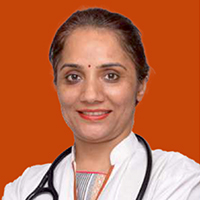
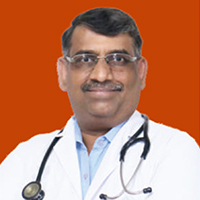
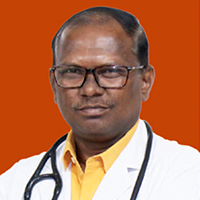
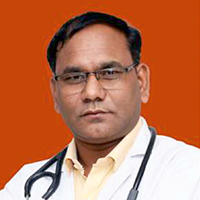
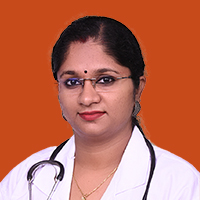
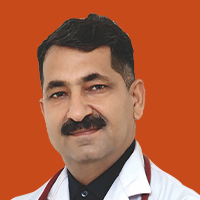
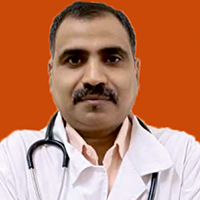
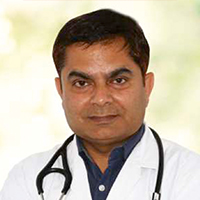
Consult Experienced Ayurveda Doctors for Typhoid







Our Happy Patients
-
 Sunita Malik - Knee Pain
 -
 Abhishek Mal - Diabetes
 -
 Vidit Aggarwal - Psoriasis
 -
 Shanti - Sleeping Disorder
 -
 Ranjana - Arthritis
 -
 Jyoti - Migraine
 -
 Renu Lamba - Diabetes
 -
 Kamla Singh - Bulging Disc
 -
 Rajesh Kumar - Psoriasis
 -
 Dhruv Dutta - Diabetes
 -
 Atharva - Respiratory Disease
 -
 Amey - Skin Problem
 -
 Asha - Joint Problem
 -
 Sanjeeta - Joint Pain
 -
 A B Mukherjee - Acidity
 -
 Deepak Sharma - Lower Back Pain
 -
 Vyjayanti - Pcod
 -
 Sunil Singh - Thyroid
 -
 Sarla Gupta - Post Surgery Challenges
 -
 Syed Masood Ahmed - Osteoarthritis & Bp
Home Remedies
- पेट में गैस, जलन या संक्रमण? इन घरेलू उपायों से पाएं राहत
- पेट में गैस, अपच और फुलाव का आयुर्वेदिक इलाज - मुफ़्त परामर्श
- एनल फिशर से परेशान हैं? ये आयुर्वेदिक नुस्खे देंगे राहत और आराम
- कब्ज़ का आयुर्वेदिक इलाज - मुफ़्त परामर्श
- एसिड रिफ्लक्स का घरेलू इलाज - मुफ़्त आयुर्वेदिक परामर्श
- Food Poisoning का आयुर्वेदिक इलाज - मुफ़्त परामर्श
- क्या बार-बार उल्टी हो रही है? इन घरेलू उपायों से पाएं तुरंत आराम
- क्या आप जानते हैं? इन नुस्खों से पेट दर्द जड़ से खत्म होता है!
- बार-बार एसिडिटी? ये देसी नुस्खे तुरंत देंगे आराम!
- दवा की ज़रूरत नहीं! लूज़ मोशन का रामबाण इलाज घर पर ही
- Home Remedies for Vomiting
- Home Remedies for Piles
- Home Remedies for Food Poisoning
- Home Remedies for Stomach Infection
- Home Remedies for Bloating
- Home Remedies for Anal Fissure
- Home Remedies for Constipation
- Home Remedies for Acid Reflux
- Home Remedies for Acidity
- Home Remedies for Stomach Pain
Related Disease
- Ayurvedic Treatment for Acid Reflux
- Ayurvedic Treatment for Anemia
- Ayurvedic Treatment For Anorexia
- Ayurvedic Treatment for Chronic Fatigue Syndrome
- Ayurvedic Treatment For Gastritis
- Ayurvedic Treatment For Colitis
- Ayurvedic Treatment For Crohn’s Disease
- Ayurvedic Treatment for Weakness and Fatigue
- Ayurvedic Treatment For Flatulence
- Ayurvedic Treatment for Gallstones
- Ayurvedic Treatment for Jaundice
- Ayurvedic Treatment for Liver Cirrhosis
- Ayurvedic Treatment for Sickle Cell Anaemia
- Ayurvedic Treatment For Piles And Fissure
- Ayurvedic Treatment for Irritable Bowel Syndrome (IBS)
- Ayurvedic Treatment For Hyperacidity
- Ayurvedic Treatment for Constipation
- Ayurvedic treatment for Coeliac Disease
- Ayurvedic Treatment for Peptic Ulcer
- Ayurvedic Treatment for Tapeworm
- Ayurvedic Treatment for Typhoid
- Ayurvedic Treatment for Diarrhea
- Ayurvedic Treatment for Diverticulitis
- Ayurvedic Treatment for Pinworms
- Ayurvedic Treatment for Cholera
- Ayurvedic Treatment for Emphysema
- Ayurvedic Treatment for Food Poisoning
- Ayurvedic Treatment for Atherosclerosis
- Ayurvedic Treatment for Thalassemia
- Ayurvedic Treatment for High Triglycerides
- Get Ayurvedic Treatment for Gastroenteritis
- Ayurvedic Treatment For Inflammatory Bowel Disease (IBD)
Latest Blogs
- बच्चों में weekend sleep timing बदलना Monday mood को कैसे प्रभावित कर सकता है
- Is Fasted Intense Exercise a Good Idea for Every Woman
- Health Tracking Every Hour: Helpful Awareness Or Another Source Of Stress?
- फोन देखते हुए चलना सिर्फ accident risk नहीं—posture और breathing पर क्या असर पड़ता है
- Bloating Before a Period: Why Lifestyle Can Change How It Feels
- बहुत जल्दी खाना खाने से पेट भरने का signal देर से क्यों मिलता है
- ‘No Added Sugar’ Doesn’t Automatically Mean Low Sugar—Here’s Why
- Online meetings के बीच zero movement दिन के अंत में stiffness क्यों बढ़ाता है?
- Screen brightness और late-night work sleep readiness को कैसे बदलते हैं
- Warm Vs Cold Foods: How To Discuss The Ayurvedic Idea Without Turning It Into A Myth
- Noise-cancelling headphones घंटों पहनना mental fatigue को कम करता है या बढ़ा सकता है?
- Sugar-Free Biscuits: Better Choice Or A Health Halo?
- Why a Long Afternoon Nap Can Make Bedtime Surprisingly Difficult
- Scrolling While Eating: The Habit That Makes Meals Harder to Remember
- The Forward-Head Posture You Don’t Notice Until Evening
- Are Seed Mixes Useful—Or Just Easy To Overeat?
- Laptop on the Sofa: Why Neck and Hip Stiffness Show Up Later
- Why Your Eyes Feel Tired Even When Screen Brightness Seems Fine
- Is A Standing Desk A Complete Fix For Too Much Sitting?
- Why a Damp Bathroom Can Affect More Than Just the Walls
Ayurvedic Doctor In Top Cities
- Ayurvedic Doctors in Bangalore
- Ayurvedic Doctors in Pune
- Ayurvedic Doctors in Delhi
- Ayurvedic Doctors in Hyderabad
- Ayurvedic Doctors in Indore
- Ayurvedic Doctors in Mumbai
- Ayurvedic Doctors in Lucknow
- Ayurvedic Doctors in Kolkata
- Ayurvedic Doctors in Patna
- Ayurvedic Doctors in Vadodara
- Ayurvedic Doctors in Ahmedabad
- Ayurvedic Doctors in Chandigarh
- Ayurvedic Doctors in Gurugaon
- Ayurvedic Doctors in Jaipur
- Ayurvedic Doctors in Kanpur
- Ayurvedic Doctors in Noida
- Ayurvedic Doctors in Ranchi
- Ayurvedic Doctors in Bhopal
- Ayurvedic Doctors in Ludhiana
- Ayurvedic Doctors in Dehradun