 Published on
29 Aug, 2026
Published on
29 Aug, 2026 Updated on 29 Aug, 2026
 5052
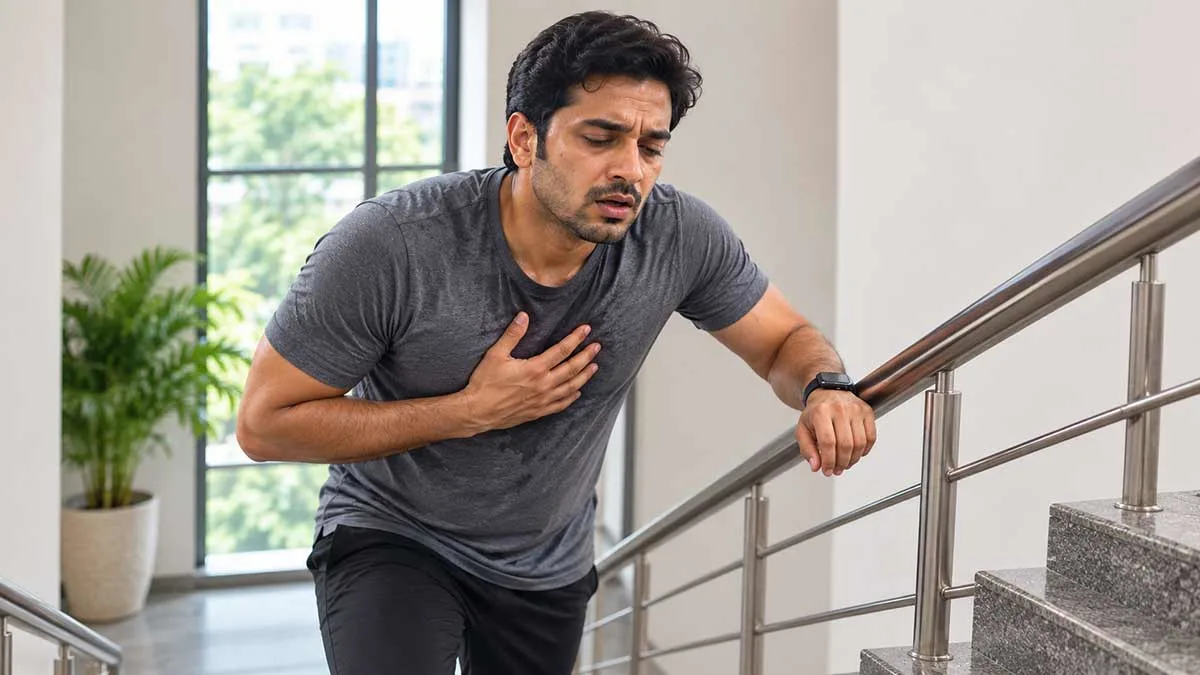
5052Have you ever climbed a short flight of stairs and felt completely out of breath? At first, you thought it was due to fitness, and you needed to go to the gym. But wait, a lack of exercise is not the only reason this happens. Many small, everyday habits quietly drain your energy.
Things like how you sleep, how much you sleep, and how much water you drink. And even the stress you take, your eating habits, your lifestyle, and routine can make a simple walk up the stairs feel like a huge workout. Let's look at the hidden reasons why those steps feel so hard, and you can easily fix them.
Hidden Factors That Cause Shortness of Breath While Climbing Stairs
We usually think that it is due to physical inactivity or low fitness, but it can also be due to the following factors that we may ignore:
- Low Iron (Anemia): When someone has anemia, a medical condition where their blood lacks enough healthy red blood cells, it lowers oxygen levels in the blood, causing fatigue and breathlessness.
- Dehydration: If the body doesn't have enough fluid, it can cause weakness and breathing issues in a person.
- Heart Problems: If someone has heart issues such as arrhythmia, heart failure, or simple cardiac issues, then it can cause breathing issues in a person.
- Weak Lungs: A person with conditions like asthma or COPD reduces lung capacity, which increases the effort to breathe.
- Being Overweight: Extra body weight puts more pressure on your heart and lungs, which makes climbing stairs difficult.
- Poor Sleep: Lack of sleep lowers your overall energy and reduces the body's capacity to carry oxygen in the body.
- Stress and Anxiety: High stress can cause shallow chest breathing or mild hyperventilation, making simple tasks feel hard.
- Poor Air Quality: Dust, pollution, or poor air quality irritates your airways and causes breathing issues.
- Smoking: These habits damage lung tissue and reduce the amount of oxygen your lungs can absorb with each breath.
Identifying the reasons why you feel breathless while climbing stairs is very important, as it can help in treating the problem more accurately and promptly.
What Does Ayurveda Say About It?
In Ayurveda, getting breathless on a single flight of stairs is connected with deep internal balance in the body's doshas. Ayurveda says that physical stamina is not just related to muscle strength but to internal metabolic health. The key factors include:
Imbalance in Vata: Air and movement are controlled by Vata dosha in the body. If you experience high stress or anxiety, it disturbs Vata, making you breathless.
Excessive Kapha: Kapha energy is made of water and earth elements; if it gets excessive, then it creates excess mucus or congestion in your body, making it hard to take deep breaths.
Weak Digestion: If your digestive fire, Agni, is weak, then your food won't be able to digest properly, and your body will not get proper nourishment, leading to energy and breathlessness.
Ama Accumulation: Weak digestion causes Ama accumulation in the body, which blocks air channels, Srotos, in the body, leading to breathing issues.
Ayurvedic Tips For Better Lung Health
Ayurveda suggests some important tips for better lung and overall body health; it includes:
- Eat a Balanced Diet: Food plays a very crucial role in the treatment of any sort of disease. Eat food that is rich in iron, fibre, protein, magnesium, and minerals, for better oxygen circulation and maintenance of energy levels.
- Do breathing exercises: Do slow and steady breathing while climbing stairs and some simple breathing exercises such as anulom and vilom for better lung health.
- Herbal Teas: Drink warm water infused with herbs such as tulsi, ginger, black pepper, and licorice root for better detox and improved lung health.
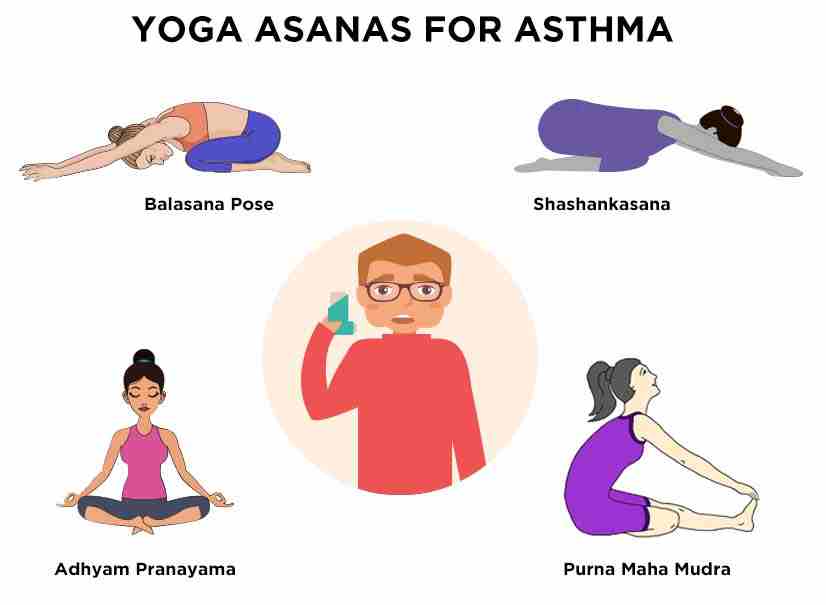
- Practice Yoga or Gentle Stretches: Do yoga and gentle stretching daily to improve posture and lung expansion.
Lifestyle Changes For Better Health
Ayurveda gives utmost importance to your lifestyle and routine to fix any health problem. It says that the way you move, what you eat, and how much you sleep all play a very important role.
- Stay Properly Hydrated: Drink enough water throughout the day. Sometimes your brain doesn't send you thirst signals, and because of that, you feel that you don't need to drink water, as you are not thirsty. But that's not true; your body still needs fluid to stay hydrated.
- Avoid Processed Food: Do not eat over-fried, processed, and refined food, as it will affect your health negatively.
- Exercise Daily: Go for a 30-minute walk daily or do mild cardio at home for physical fitness.
- Sleep Properly: Take 7-8 hours of sleep daily for better mind and body relaxation.
- Manage Stress: If you experience high levels of stress, try to control it, as it makes you more anxious and depressed.
- Stop Smoking: These habits damage lung tissue and reduce the amount of oxygen your lungs can absorb with each breath.
Making mindful lifestyle adjustments can help reduce shortness of breath after climbing stairs and improve your overall stamina.
When To Seek Urgent Medical Care?
If you experience the following signs, then immediately go to the doctor:
- If you feel chest pain, pressure, or tightness along with breathlessness.
- If you find swelling in your ankles, feet, and legs.
- If you feel dizzy and lightheaded.
- If your stamina has clearly reduced, and day-to-day activities also exhaust you severely.
Conclusion
Feeling breathless while climbing stairs is not something that you should ignore. It can be a sign of deeper body imbalances such as low stamina, anemia, lung disease, dehydration, or obesity. Pay attention to the underlying cause and try to fix it by improving your daily habits and routine. With the right changes, you will see that climbing stairs will become easier without being breathless. If the symptoms are severe and can not be controlled even after making changes in your lifestyle and routine, then seek medical care.