
Successful Treatments
Clinics
Doctors
Ayurvedic Treatment for Pulmonary Edema
 Published on 17 Oct, 2026
 Updated on 17 Oct, 2026

What is Pulmonary Edema?
Pulmonary Edema is a condition where fluid builds up in the lungs and makes breathing hard. This occurs as tiny blood vessels in your lungs release fluid into the air sacs which exchange oxygen and carbon dioxide. The waterlogged lungs prevent enough oxygen from getting to your blood, which leaves you tired and breathless.
Pulmonary Edema can occur in 2 primary types. The 1st type is due to increased heart pressure (generally on account of heart disease or high blood pressure) called cardiogenic Pulmonary Edema. This particular kind of edema could develop when the heart is unable to circulate enough blood and fluid backs up into the lungs.
The 2nd type is non-cardiogenic Pulmonary Edema caused by accidents, infections or inhalation of toxic substances that damage lung function and release of fluid.
Typical signs of Pulmonary Edema include shortness of breath, particularly with lying down, suffocating, wheezing, and coughing up frothy sputum which is at times stained with blood. In case you experience any of these signs and symptoms, visit a doctor immediately.
Common Causes of Pulmonary Edema
Pulmonary Edema is a disease in which fluid builds up in the lungs and prevents you from breathing normally. It can be due to problems with your heart or other medical issues that directly affect the lungs. The fundamental question for prevention and management of Pulmonary Edema is identifying common causes.
Cardiogenic Causes
Heart Issues: The most common cause is inadequate pumping of blood by the heart, leading to fluid buildup in the lungs.
Coronary Artery Disease (CAR): This condition limits blood flow to the heart, compromising heart function and causing fluid accumulation.
Cardiomyopathy: Damage to the heart muscle itself may stop the heart from pumping effectively.
Hypertension: High blood pressure can cause unnecessary stress on the heart and edema if uncontrolled.
Non-Cardiogenic Causes
Acute Respiratory Distress Syndrome (ARDS): This is a serious type of lung inflammation which causes fluid to enter the lungs.
Lung Infections: Many infections of the lungs such as severe pneumonia can lead to this condition as it impairs the lungs' functioning.
Inhaling Toxins: Breathing in toxic substances can damage lung tissues and cause Edema directly.
High Altitude: The lower oxygen and blood vessel constriction at higher altitude can result in a form of Pulmonary Edema.
Kidney Failure: Poor kidney function can result in excess fluid in the body, and much of it can accumulate in the lungs.
Signs and Symptoms of Pulmonary Edema
Pulmonary Edema is a condition which may result in major breathing issues and distress. It happens when fluid builds up in the lungs and restricts normal breathing. Recognising the symptoms and signs of this condition is key to prompt medical attention and controlling it properly. Here are the major signs and symptoms of Pulmonary Edema:
Symptoms
Shortness of Breath
This is among the earliest symptoms. It may occur initially with physical activities but may pervade and occur even when resting as the condition worsens.
Rapid, Shallow Breathing
The effort to breathe faster to compensate for lower oxygen may cause shallow, rapid breaths.
Wheezing
A high pitched sound when breathing that is especially noticeable when exhaling.
Coughing
Producing pink or bloody frothy sputum indicates fluid and blood in lungs.
Extreme Fatigue
Feeling unusually tired or exhausted because the body can not function normally with fewer oxygen levels.
Chest Pain
This may occur when the Edema is caused by underlying heart problems. The pain is usually described as pressure or tightness.
Swelling of the Legs or Abdomen
As the heart can no longer pump blood efficiently (in cardiogenic Pulmonary Edema) fluid may pool in other body regions.
Cold, Clammy Skin
Poor circulation may leave the skin cold and damp to touch.
Blue Tint to Skin or Lips (Cyanosis)
A blue or purple tint to the skin and especially around the lips indicates severe oxygen starvation.
Jiva Ayunique™ Treatment Philosophy - A Holistic Approach to Pulmonary Edema
Jiva Ayurveda offers holistic Ayurvedic treatment of Pulmonary Edema by combining ancient Ayurvedic knowledge and the latest advances in modern medicine to achieve the desired results. The treatment plans are customised to target the very root causes of the disease, and instead of just treating symptoms, they focus on holistic healing, balance and stability in totality.
Core Principles of the Jiva Ayunique™ Treatment Protocol
Customised Ayurvedic Medicines: Tailored herbal treatments designed to balance your doshas and improve your mood.
Yoga, Meditation, and Mental Wellness: Relaxing techniques that enhance calmness and mental health.
Ayurvedic Treatments: From Panchakarma to massages, these therapies detoxify your body and help stabilise your emotions.
Diet and Lifestyle Recommendations: Professional advice on making dietary and lifestyle changes to achieve optimal health outcomes.
Ayurvedic Medicines for Pulmonary Edema
Ayurveda offers several natural remedies to treat Pulmonary Edema, focusing on balancing the body's doshas and improving lung health. These traditional medicines are designed to reduce fluid accumulation and improve breathing capacity. Here are some effective Ayurvedic medicines that are commonly recommended for managing Pulmonary Edema.
Mahalakshmi Vilas Ras: This is a powerful herbal remedy known for its benefits in respiratory disorders. It helps strengthen the respiratory system and clear fluid from the lungs.
Swaskas Chintamani Ras: Formulated with a blend of natural minerals and herbs, this medicine is used to treat breathing difficulties and improve lung function.
Vasarishtha: An herbal concoction that includes vasaka, a well-known expectorant that aids in clearing mucus and reducing fluid retention in the lungs.
Arjunarishta: Prepared from the bark of the Arjuna tree, this tonic is beneficial for heart health and helps in treating cardiogenic Pulmonary Edema by improving cardiac efficiency.
Punarnava Mandur: This is a traditional remedy that is particularly effective in managing fluid retention and improving kidney function, thereby helping in cases of Pulmonary Edema linked to kidney issues.
Sitopaladi Churna: A common herbal mixture that acts as an expectorant to relieve cough and clear the airways of fluid.
Abhrak Bhasma: This is a mineral-based Ayurvedic medicine used for its rejuvenative and respiratory health benefits.
Swaskuthar Ras: Another effective herbal remedy that helps in treating cough and breathlessness associated with Pulmonary Edema.
FAQs
Yes, persistent stress could result in Pulmonary Edema by raising blood pressure level and heart rate, and hence putting pressure on the heart and lungs.
No, Pulmonary Edema itself isn't contagious; it's brought on by fluid build up in the lungs, not an illness.
Mild to moderate exercise may strengthen the heart and lungs but should be done under medical supervision to stay away from any complications.
Pulmonary Edema may develop rapidly (within hours in acute cases) or gradually in chronic conditions depending on the underlying cause.
Yes, it can make lying flat uncomfortable because of difficulty breathing, cause disturbed sleep or require sleeping with the head propped up.
A heart-healthy diet, low in fluids and sodium could ease symptoms and prevent excess fluid retention within the body.
Ayurveda recommends avoiding cold and damp environments, reducing stress and following a Kapha-balancing diet to treat symptoms.
Ayurveda uses herbs to strengthen respiratory function and regulate body fluids, and makes dietary changes to avoid fluid accumulation.
Herbs like Tulsi, Vasa and Pippali are recommended for their expectorant properties and increasing lung capacity and health.
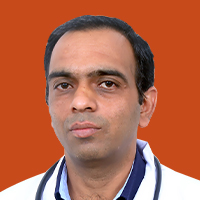
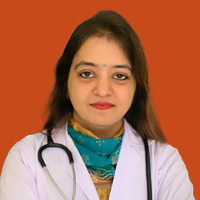
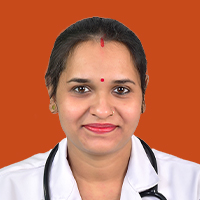
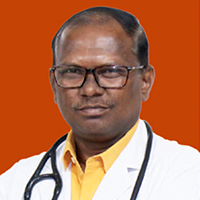
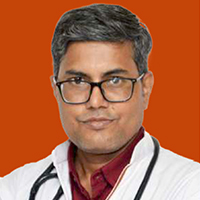
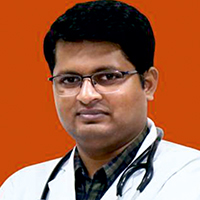
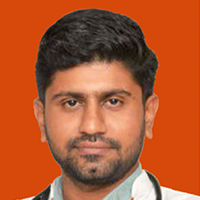
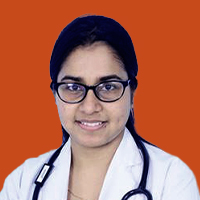
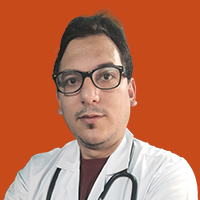
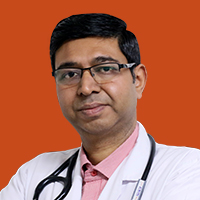
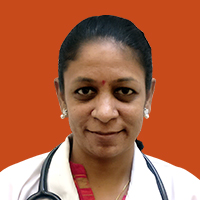
Consult Experienced Ayurveda Doctors for Pulmonary-Edema


Our Happy Patients
-
 Sunita Malik - Knee Pain
 -
 Abhishek Mal - Diabetes
 -
 Vidit Aggarwal - Psoriasis
 -
 Shanti - Sleeping Disorder
 -
 Ranjana - Arthritis
 -
 Jyoti - Migraine
 -
 Renu Lamba - Diabetes
 -
 Kamla Singh - Bulging Disc
 -
 Rajesh Kumar - Psoriasis
 -
 Dhruv Dutta - Diabetes
 -
 Atharva - Respiratory Disease
 -
 Amey - Skin Problem
 -
 Asha - Joint Problem
 -
 Sanjeeta - Joint Pain
 -
 A B Mukherjee - Acidity
 -
 Deepak Sharma - Lower Back Pain
 -
 Vyjayanti - Pcod
 -
 Sunil Singh - Thyroid
 -
 Sarla Gupta - Post Surgery Challenges
 -
 Syed Masood Ahmed - Osteoarthritis & Bp
Home Remedies
Related Disease
- Ayurvedic Treatment of Childhood Asthma
- Ayurvedic Treatment for bronchitis
- Ayurvedic Treatment for Sinusitis
- Ayurvedic Treatment for Rhinitis
- Ayurvedic Treatment for Dust Allergy
- Ayurvedic Treatment for laryngitis
- Ayurvedic Treatment for COPD
- Ayurvedic Treatment for Influenza
- Ayurvedic Treatment for Pleurisy
- Ayurvedic Treatment for Tuberculosis (TB)
- Ayurvedic Treatment for Pneumonia
- Ayurvedic Treatment for Pulmonary Edema
- Ayurvedic Treatment for Tuberculosis
- Get Ayurvedic Treatment For Pneumothorax
- Asthma Treatment in Ayurveda
Latest Blogs
- Mindful Eating Is Trending—But Ayurveda Has Long Focused on How You Eat
- घर में बार-बार Snacks सामने दिखना बच्चों और Adults दोनों की Eating को कैसे बदलता है?
- गीले बाल बांधकर सोना कितना Harmless है?
- Why Dust Builds Up Faster Around Electronics and Workstations
- The ‘Clean Home’ Myth: When Fragrance Is Mistaken for Fresh Air
- बुजुर्गों का dinner बहुत जल्दी और breakfast बहुत देर से हो तो energy पर क्या असर पड़ सकता है?
- पीरियड्स से पहले Salty Food की Craving क्यों बढ़ सकती है?
- Can Ancient Dinacharya Be Practical For A Desk-Job Lifestyle?
- Why One ‘Perfect Breakfast’ Cannot Work For Every Body
- Mindful Eating नया Wellness Trend है या Ayurveda में यह Idea पहले से मौजूद था?
- Can Too Little Sleep Make Sugar Cravings Feel Stronger
- Seasonal Eating: Where Modern Nutrition And Ayurveda Meet
- हर चीज़ का health data track करना कब useful से obsessive बन सकता है
- Can Sleeping In An Overcooled Room Leave You Feeling Stiff In The Morning?
- Why Hair, Skin and Energy Often React to Aggressive Dieting
- बच्चों में weekend sleep timing बदलना Monday mood को कैसे प्रभावित कर सकता है
- Is Fasted Intense Exercise a Good Idea for Every Woman
- Health Tracking Every Hour: Helpful Awareness Or Another Source Of Stress?
- फोन देखते हुए चलना सिर्फ accident risk नहीं—posture और breathing पर क्या असर पड़ता है
- Bloating Before a Period: Why Lifestyle Can Change How It Feels
Ayurvedic Doctor In Top Cities
- Ayurvedic Doctors in Bangalore
- Ayurvedic Doctors in Pune
- Ayurvedic Doctors in Delhi
- Ayurvedic Doctors in Hyderabad
- Ayurvedic Doctors in Indore
- Ayurvedic Doctors in Mumbai
- Ayurvedic Doctors in Lucknow
- Ayurvedic Doctors in Kolkata
- Ayurvedic Doctors in Patna
- Ayurvedic Doctors in Vadodara
- Ayurvedic Doctors in Ahmedabad
- Ayurvedic Doctors in Chandigarh
- Ayurvedic Doctors in Gurugaon
- Ayurvedic Doctors in Jaipur
- Ayurvedic Doctors in Kanpur
- Ayurvedic Doctors in Noida
- Ayurvedic Doctors in Ranchi
- Ayurvedic Doctors in Bhopal
- Ayurvedic Doctors in Ludhiana
- Ayurvedic Doctors in Dehradun