 Published on
04 Jul, 2026
Published on
04 Jul, 2026 Updated on 04 Jul, 2026
 5096
5096Bloating after every meal. That heavy, uncomfortable feeling that sits with you for hours after eating something completely normal. Waking up with a coated tongue. Feeling tired right after lunch when you should theoretically have more energy. Passing gas so regularly it has become the background soundtrack of your day.
Sound uncomfortably familiar? Most people chalk these things up to eating too fast, eating the wrong thing or just having a sensitive stomach. And then they carry on, eating the same way, feeling the same way and wondering why nothing changes.
Here is the honest answer. These are not random inconveniences. They are your digestive system waving a flag and asking for some serious attention. Weak digestion, or what Ayurveda calls weak Agni, is one of the most foundational health problems a person can have. Because when digestion is not working properly, nothing else can work at its best either.
Why Digestion Is More Important Than Most People Realise
Modern medicine focuses heavily on specific organs and specific diseases. Ayurveda takes a fundamentally different starting point. It considers Agni, the digestive fire, to be the root of all health and all disease.
When Agni is strong, food gets digested properly, nutrients get absorbed, waste gets eliminated cleanly and the body has what it needs to function. When Agni is weak, food sits, ferments and produces Ama, a sticky toxic residue that Ayurveda considers the starting point of most chronic disease.
Modern science is increasingly validating this perspective through gut health research. The gut microbiome, intestinal permeability, the gut brain axis, systemic inflammation starting in the gut. All of this points to the same conclusion Ayurveda arrived at thousands of years ago. Fix the digestion and you fix a lot of everything else.

Signs Your Digestion Is Genuinely Struggling
Some signs are:
- Bloating and gas after meals: Occasional gas is normal. Bloating after most meals, particularly after eating relatively ordinary food, is a sign that digestion is not completing properly. Food is fermenting in the gut rather than being broken down and absorbed efficiently. This is one of the most classic signs of weak Agni.
- Feeling heavy and tired after eating: A meal should give you energy, not take it away. Feeling sluggish, heavy and ready for a nap shortly after eating suggests your digestive system is working far too hard to process what you ate, or struggling to process it at all. This is particularly common with heavier meals but should not happen consistently after every meal regardless of what you eat.
- Coated tongue in the morning: Take a look at your tongue first thing in the morning before eating or drinking anything. A thin white coating is considered normal but a thick white, yellow or greyish coating that does not clear easily is a classic Ayurvedic sign of Ama accumulation in the digestive tract. Undigested material from the previous day sitting in the gut overnight produces this coating. It is surprisingly reliable as a daily digestive health indicator.
- Irregular bowel movements: Healthy digestion produces a regular, comfortable bowel movement once or ideally twice daily. Constipation, loose stools, alternating between the two or straining and incomplete elimination are all signs that the digestive process is not moving as it should. Ayurveda considers daily comfortable elimination to be one of the most important indicators of digestive health.
The Four Types of Agni and What They Mean
Ayurveda identifies four distinct patterns of digestive fire that go beyond just strong or weak.
- Sama Agni: Balanced, regular and efficient. Digests food properly, absorbs nutrients fully and eliminates cleanly. The goal of all dietary and lifestyle guidance in Ayurveda.
- Vishama Agni: Irregular and unpredictable. Associated with Vata imbalance. Digestion is sometimes strong and sometimes completely absent with no clear pattern. Bloating, gas, constipation alternating with loose stools and variable appetite are characteristic. Stress significantly worsens this pattern.
- Tikshna Agni: Sharp and overactive. Associated with Pitta imbalance. Digests quickly and intensely but produces heat, acidity and inflammation in the process. Hyperacidity, burning sensations, loose stools and excessive hunger are common. Can feel like strong digestion but it is not balanced digestion.
- Manda Agni: Slow and sluggish. Associated with Kapha imbalance. Food takes too long to digest, heaviness after meals is constant, appetite is low and weight gain happens easily. This is what most people think of when they picture weak digestion.
Identifying which pattern applies changes the management approach significantly. A one size fits all digestive remedy often works for one type and worsens another.
.webp)
What Weakens Digestion in the First Place
Understanding the causes helps make the solutions make sense.
- Eating at irregular times: Agni follows a rhythm. Eating at consistent times allows the digestive fire to prepare and be ready. Skipping meals, eating very late or eating at completely different times daily keeps the digestive system in a constant state of disorganisation.
- Eating before the previous meal is digested: Most people give their digestion about two hours between meals. Ayurveda suggests the previous meal should be fully digested before the next one goes in, which typically takes three to five hours depending on what was eaten. Continuous grazing through the day means digestion never completes its cycle properly.
- Cold food and drinks: Cold suppresses Agni directly. Refrigerated food, iced drinks and raw cold foods require the body to spend energy warming them before digestion can even begin. Over time this consistently dampens digestive fire.
- Overeating: The stomach should be roughly half full of food, a quarter full of water and a quarter empty for optimal digestion according to Ayurvedic guidelines. Eating to full capacity or beyond regularly overwhelms even a healthy digestive system.
- Stress and anxiety: The gut brain connection is one of the most well documented in modern gastroenterology. Chronic stress directly impairs digestive enzyme production, gut motility and the gut microbiome. Eating while stressed, anxious or distracted significantly reduces digestive efficiency.
- Incompatible food combinations: Ayurveda has extensive guidance on food combining and while the entire list is complex, some principles have strong modern validation. Milk with sour or salty foods, fruit with dairy, very cold and very hot foods together. These combinations create conflicting digestive demands that weaken overall digestive efficiency over time.
Simple Things That Genuinely Help
These include:
- Eat warm freshly cooked food: Warm food is easier to digest and supports rather than dampens Agni. This single shift makes a meaningful difference to how comfortable digestion feels.
- Ginger before meals: A thin slice of fresh ginger with a pinch of rock salt and a squeeze of lemon five to ten minutes before eating is one of Ayurveda's most practical and effective digestive recommendations. It stimulates digestive enzymes, improves appetite and prepares the gut for the incoming meal.
- Eat at consistent times daily: Give your digestive system the rhythm it needs to function well. Consistent meal times are surprisingly powerful for digestive health.
- Sit down and eat without distractions: Eating while working, scrolling or watching something stressful diverts nervous system resources away from digestion. The parasympathetic rest and digest mode needs to be active during meals for digestion to work properly.
- Drink warm water through the day: Small sips of warm water between meals supports digestion. Drinking large amounts of cold water with meals dilutes digestive enzymes and cools Agni directly.
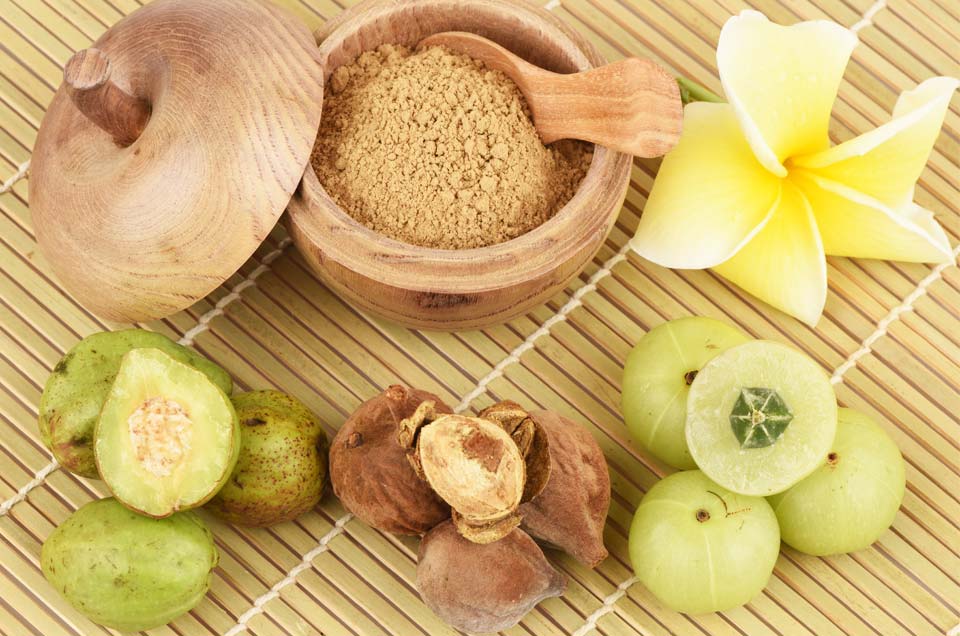
- Triphala before bed: A classical Ayurvedic formulation that gently supports digestion, elimination and detoxification overnight. One of the most consistently useful herbs for overall digestive health across all types of Agni.
When to See a Doctor
Most weak digestion responds well to lifestyle and dietary changes over time. But some symptoms warrant medical attention rather than home management alone.
Blood in stools, significant unintentional weight loss, persistent severe abdominal pain, vomiting that does not resolve, jaundice or symptoms that are rapidly worsening need proper medical evaluation. These are not digestive tune up territory. These need a doctor.
Final Thoughts
Your digestion is not something that should be managed with antacids indefinitely or explained away as just how your stomach is. It is a system that can be genuinely improved with the right inputs, the right timing and a little understanding of what it actually needs.
The signs of weak digestion are not subtle. A coated tongue, daily bloating, persistent fatigue after meals, irregular elimination. Your body is communicating clearly. The question is whether you are listening clearly enough to act on it.
Strong digestion genuinely changes how you feel every single day. It is worth taking seriously.
Reference Links
- National Health Portal of India on Digestive Health https://www.nhp.gov.in/disease/gastro-intestinal
- Ministry of AYUSH, Government of India on Ayurvedic Principles https://main.ayush.gov.in/
- World Health Organization on Nutrition and Gut Health https://www.who.int/health-topics/nutrition