.webp)
 Published on
04 Jul, 2026
Published on
04 Jul, 2026 Updated on 04 Jul, 2026
 5099
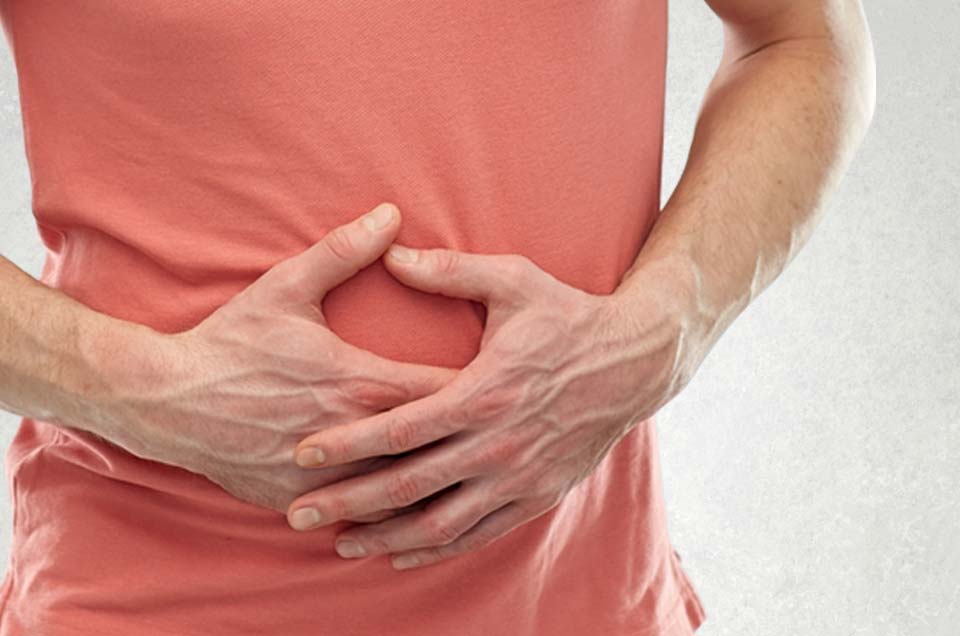
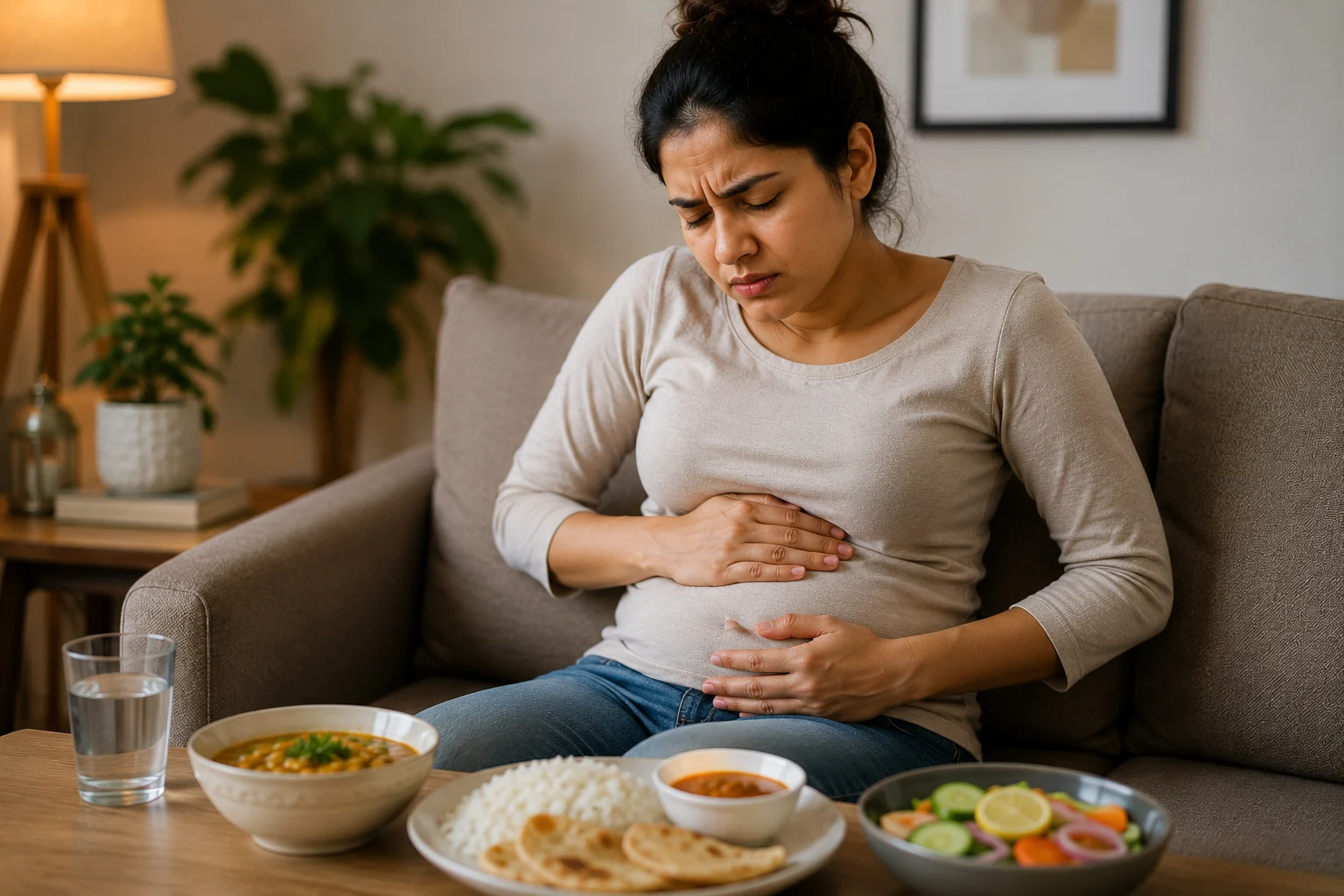
5099You finish a perfectly normal meal and within twenty minutes you look six months pregnant and feel like someone inflated you with a bicycle pump. Your waistband is suddenly the enemy. Buttons are a personal attack. And all you did was eat lunch.
If this sounds painfully familiar you are in very crowded company. Bloating after eating is one of the most common digestive complaints in India and yet most people either ignore it, blame it vaguely on gas or pop an antacid and carry on without ever figuring out what is actually causing it.
Here is the thing about bloating. It is not random. It has specific, identifiable reasons. And once you know yours, fixing it becomes significantly less mysterious.
What Is Actually Happening When You Bloat
Bloating is excess gas or air trapped in the digestive tract causing the abdomen to distend, feel tight and uncomfortable. This gas comes from a few sources. Air swallowed while eating. Gas produced by gut bacteria fermenting food. Gas produced when digestion is incomplete and food sits longer than it should in the gut.
The discomfort ranges from mild fullness to genuine pain depending on how much gas is trapped and how sensitive the gut is. Some people bloat visibly. Others feel the pressure internally without obvious distension. Both are real and both have causes worth understanding.
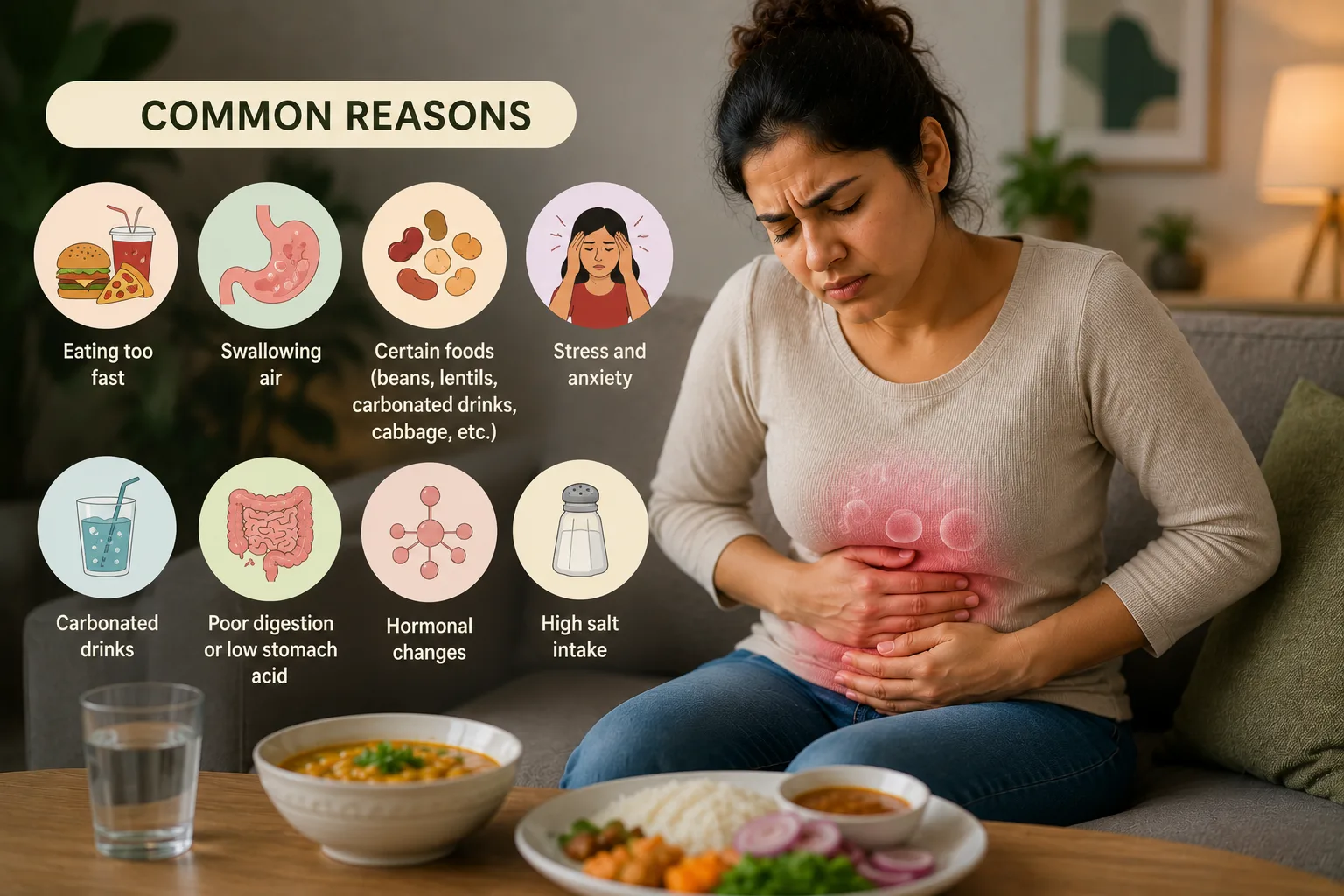
Common Reasons You Keep Bloating After Meals
Some of the reasons are:
- Eating too fast and swallowing air: Every time you gulp food quickly or eat while talking, you swallow significant amounts of air along with your meal. That air has to go somewhere and the digestive tract is where it ends up. Eating slowly, chewing thoroughly and putting the fork down between bites is genuinely one of the most effective anti-bloating interventions available and costs absolutely nothing.
- Incompatible food combinations: Ayurveda has documented this for thousands of years and modern digestive science is increasingly supportive. Certain foods require different digestive conditions and combining them creates conflicting demands on the gut. Milk with sour or salty foods, fruit eaten immediately after a meal, very cold drinks with hot food and protein with starchy carbohydrates in large quantities can all create fermentation and gas that shows up as post meal bloating.
- Carbonated drinks with meals: Every bubble in that fizzy drink is gas. Drinking carbonated beverages during meals introduces significant gas directly into the digestive tract before digestion has even properly begun. If you regularly drink soda, sparkling water or fizzy juice with meals and wonder why you bloat, this is frequently the straightforward answer.
- Weak digestive fire or low Agni: In Ayurvedic terms, when Agni is weak food does not get broken down efficiently. It sits in the gut fermenting rather than being digested. This fermentation produces gas and the bloating that follows. Weak Agni is recognisable by feeling heavy and tired after eating, a coated tongue in the morning and slow digestion that leaves food feeling like it is sitting like a stone.
What Ayurveda Says About Post Meal Bloating
In Ayurveda bloating is considered a classic sign of Ama accumulation and disturbed Vata in the digestive tract. Vata governs movement including the movement of gas through the intestines. When Vata is aggravated in the gut, gas gets trapped, moves erratically and causes the distension and discomfort of bloating.
The primary cause is almost always weak Agni allowing food to ferment rather than digest properly. The secondary cause is often Vata provoking food choices or habits that introduce more dryness, irregularity and movement disturbance into an already struggling digestive system.
Ayurvedic management targets both simultaneously:
- Ginger before meals: A small piece of fresh ginger with rock salt and lemon five to ten minutes before eating stimulates digestive enzymes and prepares the gut. One of the most consistently effective pre-meal digestive interventions in classical Ayurveda.
- Hing or asafoetida: The reason hing is used in Indian cooking is not just flavour. It is one of the most potent carminative herbs in Ayurveda, meaning it directly relieves gas and prevents its formation. A tiny pinch of hing in hot ghee added to dal or vegetables makes a meaningful difference to how those foods are tolerated.
- Ajwain or carom seeds: Chewing a small pinch of ajwain after meals or drinking ajwain water is a classical Ayurvedic remedy for post meal gas and bloating. It works quickly and reliably for most people.
- Fennel seeds after meals: The practice of chewing saunf after a meal is not merely a breath freshener. Fennel is a carminative that relaxes the smooth muscle of the digestive tract allowing trapped gas to move and release. Effective and immediate for mild post meal bloating.
- Warm water not cold: Cold drinks during and after meals suppress Agni directly. Sipping warm or room temperature water through the meal rather than cold water or iced drinks is a simple shift that changes the digestive experience significantly for most people who try it.
Food Combinations Worth Paying Attention To
Some combinations that commonly trigger bloating in susceptible people:
- Raw and cooked food together: Raw food requires different digestive conditions and timing than cooked food. Eating them together in large quantities creates conflicting digestive demands.
- Fruit immediately after meals: Fruit digests quickly and when it gets trapped behind a slower moving heavier meal it ferments. Eating fruit at least thirty minutes before a meal or two hours after is significantly better tolerated.
- Beans without adequate preparation: Beans and lentils contain oligosaccharides that the human gut cannot fully digest and which ferment in the colon producing gas. Soaking beans overnight, discarding the soaking water and cooking with hing and ginger dramatically reduces their gas producing potential.
- Milk with salt or sour foods: Considered one of the most problematic combinations in Ayurvedic food theory. Milk with salty snacks, sour fruits or fermented foods creates digestive incompatibility that contributes to gas, heaviness and bloating.
Simple Daily Habits That Actually Reduce Bloating
Some of the habits are:
- Eat sitting down without distractions: Parasympathetic activation requires calm. Eating at your desk while working or scrolling while eating diverts nervous system resources away from digestion consistently.
- Chew every bite thoroughly: Digestion begins in the mouth. Thoroughly chewed food reaches the stomach in a state that requires significantly less work to process. Most people chew far less than their digestion needs.
- Walk after meals: Even a gentle ten minute walk after eating improves gut motility, helps gas move through the system and reduces the static fermentation that causes bloating. The post meal walk is not just a pleasant habit. It is genuinely useful digestive support.
- Keep meals consistent in timing: Eating at irregular times keeps the digestive system in a state of disorganisation. Consistent meal times allow Agni to anticipate and prepare for incoming food.
- Reduce raw salads if bloating is chronic: Raw vegetables are harder to digest than cooked ones. If you are already dealing with weak digestion and chronic bloating, switching from raw salads to lightly cooked vegetables makes the digestive load significantly lighter.
When Bloating Needs Medical Attention
Most bloating responds to dietary and lifestyle changes over time. But some situations warrant proper medical evaluation.
See a doctor if bloating is severe and constant rather than after meals specifically, if it comes with significant unintentional weight loss, blood in stools, persistent vomiting or diarrhoea, severe pain or if it has significantly worsened over a short period. These signs go beyond ordinary digestive weakness into territory that needs investigation.
Final Thoughts
Bloating after eating is common but it is not inevitable and it is not something to simply accept as your digestive normal. It has causes. Specific causes that are findable and addressable.
Start by eating more slowly. Add ginger before meals. Try ajwain or fennel after eating. Switch cold drinks for warm water. Notice which foods trigger you specifically and adjust accordingly.
Your digestion is trying to tell you something every time it bloats. The good news is it is actually very willing to improve when you give it the right conditions to do so.
Reference Links
- National Health Portal of India on Digestive Health https://www.nhp.gov.in/disease/gastro-intestinal
- Ministry of AYUSH, Government of India on Ayurvedic Principles https://main.ayush.gov.in/
- World Health Organization on Nutrition and Gut Health https://www.who.int/health-topics/nutrition