 Published on
29 Aug, 2026
Published on
29 Aug, 2026 Updated on 29 Aug, 2026
 5052
5052A glass of juice can look like an easy way to add fruit to your diet, as it comes from the same fruit, tastes refreshing, and may contain some of the vitamins and minerals; so is drinking juice basically the same as eating the whole fruit but in a convenient way? You don't need to peel, wash, or cut; you just need to open the tetrapack or packaged juice.
The difference between fruit juice and whole fruit goes beyond a single ingredient, such as sugar or fibre. The way fruit is processed changes how quickly you consume it and how filling it feels, and how much fruit you are gonna have at that time of consuming it.
Whole Fruit Comes With More Than Juice
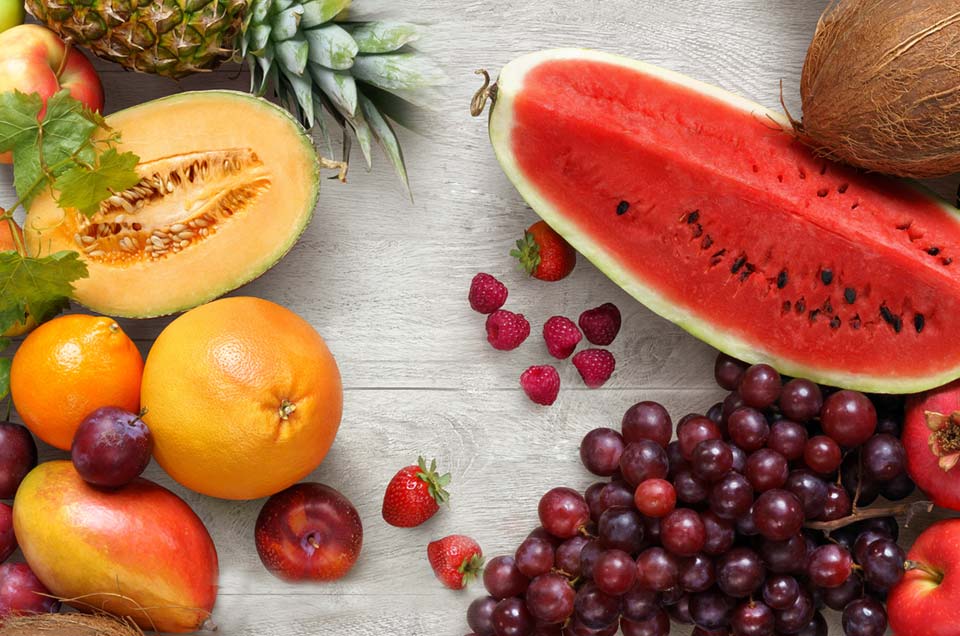
When you eat an orange, apple, guava, or pear, you are consuming much more than its liquid.
Whole fruit contains water, naturally occurring carbs, fibre, and a variety of vitamins, minerals, and plant compounds. The physical structure also matters.
For example, when you bite into an apple, you have to chew it; eating takes time, and the fibre and texture can contribute to a feeling of fullness.
Juice removes or decreases the physical structure; even when some pulp remains, drinking is usually faster than chewing a whole fruit.
And also difference can influence how much you consume.
Fibre Is One Important Difference
Fibre is often highlighted when comparing fruit and juice, which is a good element for a reason. Many whole fruits provide dietary fibre, especially when eaten with their edible pulp or skin. Fibre can support normal bowel function and also contributes to a healthy eating pattern. Mainly, fibre is much more present in the pulp of the fruit than in juice.
During juicing, some or much of the fibre may be removed depending on how the juice is prepared.
Drinking Makes It Easier to Consume More
When you eat raw fruit, you probably peel it, cut it, and chew it; it takes time.
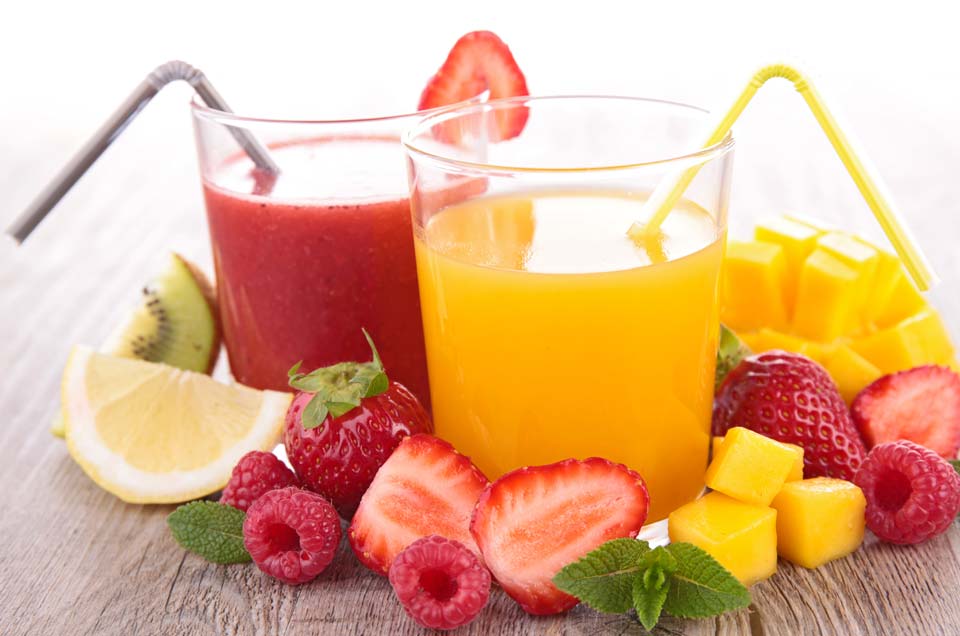
Now think about driniking juice made from several oranges. It may take only a few minutes.
A drink can make it easier to consume a larger amount of fruit than you can eat in whole form. The calories and naturally occurring sugars can therefore add up without making you feel as satisfied as you might after eating the whole fruits.
What About Vitamins and Antioxidants?
Full juice can still provide useful nutrients, depending on the fruit and preparation method; juice may contain vitamin C, folate, potassium, and various plant compounds. Some commercially produced juices are also fortified with nutrients.
Processing, storage, and heat treatment can affect certain nutrients. On the other hand, some juice products retain significant amounts of beneficial compounds.
The better point is that whole fruit offers a combination of nutrients, fibre, water, and carbs that a juice cannot completely replicate.
Remember, Blending Is Somewhat Different
A smoothie made by blending the whole edible fruit can retain much more of the fruit’s fibre and structure than strained juice; however, drinking a large smoothie quickly can still make portion control harder and can make you feel dizziness and heaviness in the stomach.
Packaged Juice Needs Extra Attention
Not every juice product on the supermarket shelf is the same.
Some products are labelled as 100% fruit juice, while others are fruit drinks, juice beverages or sweetened drinks containing added sugar.
Reading the ingredient list and nutrition label can help
If a drink contains added sugar, it is even less comparable to eating a whole piece of fruit. Also remember that fruit-flavoured does not mean the product provides a nutritional profile of actual fruit.
When Juice Is Advisable vs Fruit Advisable
Generally, whole fruit is advisable for daily health and nutrition, while juice is advisable in small amounts for quick energy or when chewing is difficult.
When Whole Fruit Is Advisable
- Everyday Nutrition: Recommended for most people to get everyday necessary nutrition, vitamins, minerals, and antioxidants.
- Weight Management: It provides fibre in your food, which enhances your digestion and ensures a smooth calorie intake that is helpful in weight maintenance.
- Blood Sugar Control: Helps prevent sharp glucose spikes because the natural sugars are trapped inside intact plant cell walls.
- Chronic Disease Prevention: Regularly eating whole fruit decreases the risk of developing type 2 diabetes and heart disease.
When Fruit Juice Is Advisable
- Quick Energy Boost: Useful for athletes or people needing rapid carbohydrate replenishment during intense physical activity.
- Digestive Recovery or Chewing Issues: Helpful for individuals recovering from dental work, constant illness, or those who cannot physically chew solid foods.
- Strict Portion Control: Acceptable only in small amounts, typically one small glass (about 150 ml) per day for healthy adults because juicing strips away beneficial fiber and concentrates free sugars.
- When to Avoid Juice: People with diabetes, prediabetes, or those trying to lose weight should generally avoid fruit juice due to rapid blood sugar spikes and high calorie counts.
Conclusion
Fruit juice and whole fruit both have similar qualities, while juice which is packaged is not gonna let you make any healthy effect with its preservatives; consuming fresh juice is advisable for people who want a convenient way to drink juice, and the pulp of the fruit is the main factor for fibre and nutrients, so top the bar nothing is better than whole fruit consumption. Whole fruit generally wins because it combines fibre, water, nutrients, texture, and slower eating in one package. Juice can provide nutrients too, but it is easier to drink quickly and consume a larger quantity.
References
Juicing vs. Blending: Which Is Better for Losing Weight?
Fruit juices and smoothies | Diabetes UK
Role of fruit juice in achieving the 5-a-day recommendation for fruit and vegetable intake - PMC