Published on
21 Jan, 2020
Published on
21 Jan, 2020 Updated on 25 May, 2026
 16898
16898Understanding Pitta and Why Diet Matters
According to Ayurveda, health is more than just the absence of disease. It is a state of balance between body, mind, and environment. One of the most important principles of this balance is the theory of the three doshas: Vata, Pitta, and Kapha. Every individual has a different constitution, but the doshas are always changing with the seasons, age, diet, lifestyle, and stress levels.
Pitta is the dosha composed of fire and a small amount of water. It is responsible for digestion, metabolism, body temperature, hormones, sight, and even our capacity to process thoughts and emotions. When Pitta is in balance, we are sharp, focused, confident, and full of energy. Our digestion is powerful but comfortable. Our skin radiates health. Our choices are clear and thoughtful.
But when Pitta gets imbalanced, the same fire that gives us life can start burning us from inside.
Symptoms of Pitta imbalance
The symptoms of Pitta imbalance include:-
- Excess heat and sweating
- Acidity, heartburn, and hyperacidity
- Loose stools or a burning sensation in the digestion
- Redness, acne, rashes, or inflammation of the skin
- Irritability, impatience, or sudden anger
- Excessive thirst
- Sensitivity to hot weather
Summer is the season of Pitta. With longer days, more sunlight, and rising temperatures, the body experiences an increase in internal heat. It is during such periods that diet becomes one of the most effective means to bring balance.
As per Jiva Ayurveda, food can be medicine if chosen properly. Since Pitta is hot, sharp, and slightly oily in nature, it gets balanced by foods that are cooling, mildly sweet, bitter, and astringent in nature. By knowing how to use foods that calm Pitta and how to use them properly, we can avoid discomfort and bring balance.
Role of Quantity and Timing in Pitta Management
Ayurveda is not just about what we eat. It is also about how much we eat and when we eat. For Pitta types or when it is Pitta time, it is even more important to keep these factors in mind.
Here are some basic principles to follow:
- Eat medium-sized meals. Eating too much can increase the digestive fire and cause acidity.
- Don’t skip meals. Skipping meals can cause irritability and acidity.
- Eat the biggest meal of the day at lunchtime, preferably between 12 pm and 1 pm, when the digestive fire is at its peak.
- Eat a light dinner and finish eating at least two to three hours before bedtime.
- Don’t eat food that is piping hot from the oven. Let it cool down for a bit.
- Don’t eat food that is straight from the refrigerator. It can be too much for the digestive system. Room temperature or slightly cool is the best.
Jiva Ayurveda also emphasizes the importance of calm and mindful eating. Eating in a calm setting, eating chewed food, and not experiencing emotional stress while eating help maintain balanced digestion and prevent Pitta aggravation.
Top 10 Pitta Pacifying Foods
Now, let us move on to the foods that have a natural cooling effect on the body, along with their Ayurvedic properties and how to use them.
-
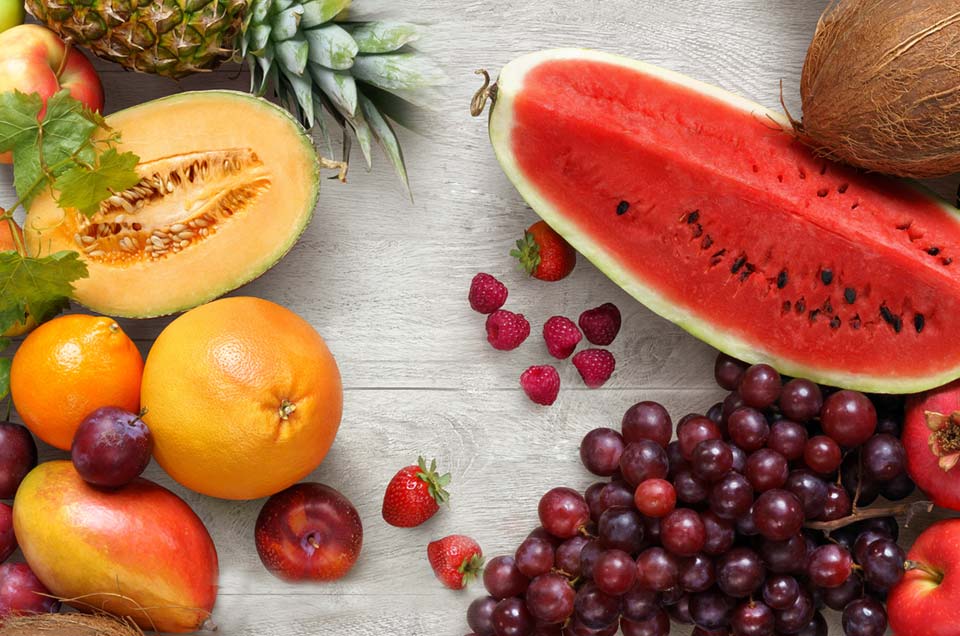
Coconut
Rasa or Taste
Sweet
Vipaka or Post Digestive Effect
Sweet
Ayurvedic Nature
Cooling, nourishing, hydrating
Coconut is one of the most effective natural cooling agents. It calms the stomach lining, hydrates the body, and relieves burning sensations. Coconut water is particularly helpful during summer as it naturally replenishes electrolytes.
Best Way to Consume
- Fresh coconut water in the middle of the morning
- Freshly grated coconut in meals
Portion Guidance
One glass of fresh coconut water or a small bowl of fresh coconut a day
Caution
Avoid packaged ones with sugar. Too much of it may not be suitable for people with slow digestion.
-
Cucumber
Rasa
Sweet and mildly astringent
Vipaka
Sweet
Ayurvedic Nature
Cooling and hydrating
Cucumber is full of water and cooling in nature. It is very effective for those who have acid reflux and heat-related skin problems.
Best Way to Consume
- Fresh salad for lunch
- Blended in cooling drinks
Portion Guidance
One medium cucumber per day
Caution
Do not have cucumber late at night as it may weaken digestion in some people.
-
Fennel Seeds
Rasa
Sweet
Vipaka
Sweet
Ayurvedic Nature
Cooling and digestive
Fennel seeds are a cooling herb that is gentle on digestion and does not weaken the digestive fire. It reduces acidity, gas, and burning sensation.
Best Way to Consume
- Chew half a teaspoon after meals
- Make fennel water
Portion Guidance
Half to one teaspoon per day
Caution
Consume in moderation. It may reduce appetite in some people.
-
Ghee
Rasa
Sweet
Vipaka
Sweet
Ayurvedic Nature
Cooling and lubricating
Ghee may seem paradoxical in its cooling properties, but it actually has a cooling effect when consumed properly. It helps in digestion and builds the tissues while reducing inflammation.
Best Way to Consume
- Mix one to two teaspoons with lunch
Portion Guidance
One to two teaspoons per day
Caution
People with certain health issues should consult a doctor before consuming more.
-
Mint
Rasa
Pungent and sweet
Vipaka
Sweet
Ayurvedic Nature
Cooling and refreshing
Mint is an instant cooling agent for the tongue and stomach. It reduces nausea, burning sensations, and helps in digestion.
Best Way to Consume
- Prepare fresh mint chutney
- Prepare mint water
Portion Guidance
Use a handful of fresh mint leaves
Caution
Excessive use is not recommended during pregnancy without consulting a doctor.
-
Watermelon
Rasa
Sweet
Vipaka
Sweet
Ayurvedic Nature
Strongly cooling
Watermelon is a strong coolant and works as an effective body coolant. It is most beneficial during the peak summer season.
Best Way to Consume
- Have it alone as a snack
Portion Guidance
Have one bowl in the middle of the morning
Caution
Avoid eating it with heavy meals.
Foods to Avoid When Pitta Is High
Pitta balancing is not only about increasing cooling foods but also about cutting back on heat-generating foods.
Avoid or cut back on
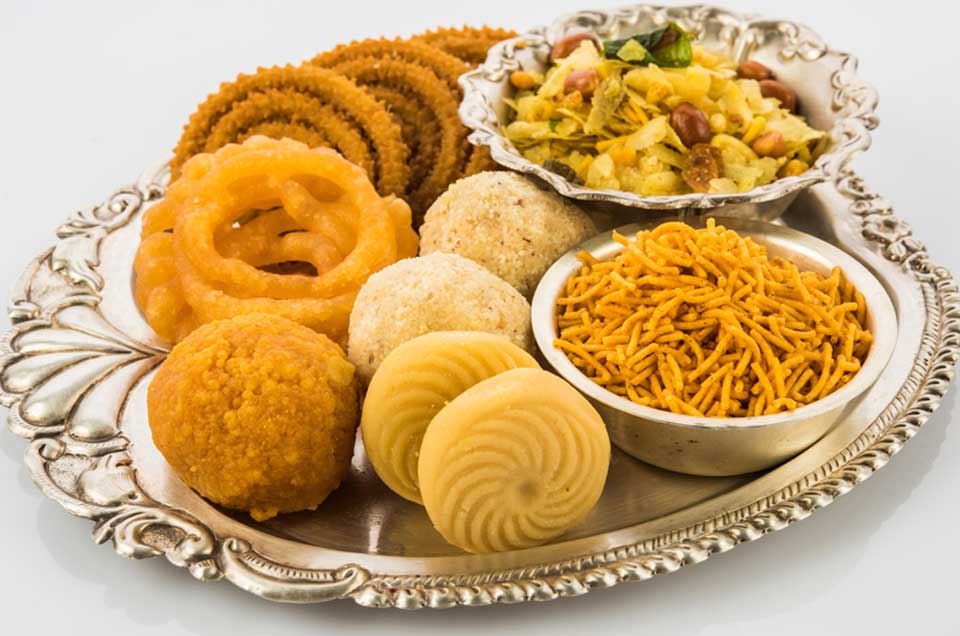
- Too much red chili and spicy dishes
- Fried snacks
- Too much fermented food
- Sour curd during hot weather
- Too much coffee and tea
- Alcohol
- Too much salty food
- Vinegar-rich dishes
Cutting back on these foods will greatly help with acidity, skin irritation, and irritability.
Ayurvedic Eating Principles for Pitta Season
In hot weather, follow these:
- Prefer sweet, bitter, and astringent foods
- Avoid pungent, sour, and salty foods
- Drink natural fluids
- Eat fresh food
- Avoid missing meals
- Avoid working in direct sunlight after eating
- Use calm breathing and stress management
Jiva Ayurveda recommends a combination of diet and lifestyle. Sleep, early dinners, and mental calm are as important as the above in managing Pitta.
Seasonal and Regional Variations
Ayurveda recommends eating local and seasonal foods.
- In North India
Consume buttermilk, mint water, and seasonal melons
- In Coastal Areas
Coconut-based curries and light rice dishes are helpful
- In Western Countries
Pears, leafy vegetables, zucchini, and berries can be used
- In Middle Eastern Regions
Rose water beverages and soaked almonds can be moderately added
- In General
Eating seasonal foods will automatically make them compatible with the environment.
Quick DIY Cooling Recipes
- Mint Fennel Drink
Soak fennel seeds in water overnight. Strain and mix with crushed mint. Have it at mid-morning.
- Cucumber Coriander Salad
Chop the cucumber and mix with fresh coriander and mild spices. Have it at lunch.
- Moong Dal Khichdi
Cook moong dal with rice and a small amount of ghee. Keep the spices low.
- Coconut Aloe Refresher
Mix coconut water with a small amount of aloe vera juice.
Conclusion
Pitta imbalance can affect digestion, skin, emotions, and overall well-being. The good news is that simple dietary shifts can bring profound changes. Cooling foods, moderate portions, timely meals, and seasonal awareness can protect the body from internal heat.
From the Jiva Ayurveda perspective, every individual is unique. While these general guidelines are helpful, a personalized consultation ensures deeper and lasting balance. Food, when aligned with your constitution and season, becomes a powerful healer.
By embracing cooling nourishment and mindful living, you can stay calm, refreshed, and vibrant even in the peak of summer.