 Published on
24 Jul, 2026
Published on
24 Jul, 2026 Updated on 24 Jul, 2026
 5068
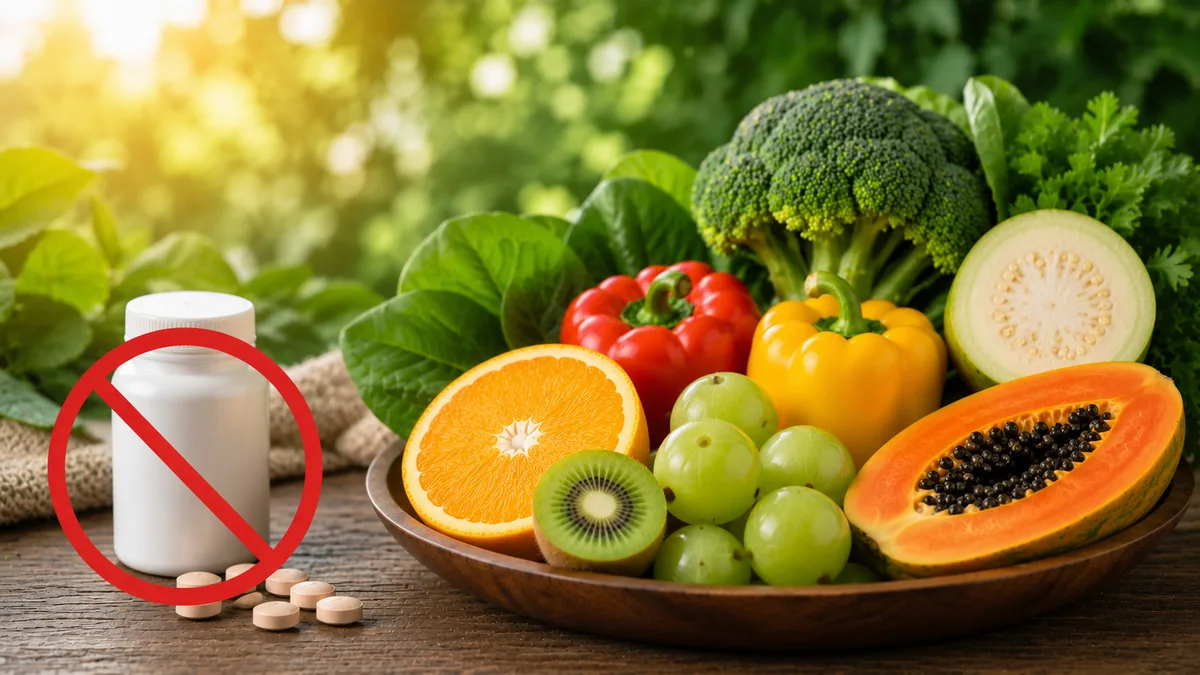
5068Popping a Vitamin C pill has basically become a morning reflex for a lot of us. Between the orange-flavored chewables, fizzy drink packets, and giant capsules, we’ve bought into the idea that a quick supplement is the best way to stay healthy and fight off colds.
But Ayurveda takes a different approach: real nourishment doesn't come from an isolated pill. It comes from your food.
When you eat fresh fruits and veggies, you aren’t just getting a single, lonely vitamin. You’re getting a whole package: fiber, hydration, natural enzymes, and plant nutrients that actually work together to support your immune system.
Instead of taking a daily supplement, sneaking natural, Vitamin C-rich foods into your everyday meals is an easier, tastier, and much more grounded way to build up your health.

What Is Vitamin C and Why Does Your Body Need It?
Vitamin C is a water-soluble vitamin. This simply means your body cannot store it for long periods, and it flushes out any extra amount through your urine. Because you cannot store it, you have to eat it regularly.
Your body depends on Vitamin C to:
- It keeps your immune system strong to fight off daily coughs and colds.
- It produces collagen, which is the magic protein that keeps your skin glowing, tight, and youthful.
- It helps your body quickly heal cuts, scrapes, and wounds.
- It helps your blood absorb iron from the plant-based foods you eat.
- It acts as a powerful antioxidant, clearing out the daily "rust" and stress inside your cells.
Ayurveda’s Perspective on Natural Nutrition
According to Ayurveda, food is considered the strongest base for the body's health. It does not consider an apple as only Vitamin C or sugar; it considers the entire fruit as it reacts with the individual's body.
Ayurveda suggests the consumption of fresh and whole fruits, as nature itself provides us with such an optimal combination of nutrients that we need. Consumption of fruits means consumption of perfectly combined vitamins along with the juices and fibers that help the stomach to digest these vitamins.
The approach is beautiful and very simple; if digestion is strong and the fruits are fresh and natural, then there would be no need to use any artificial help for getting the necessary vitamins.
Why Whole Foods Are Often Better Than Supplements
When you eat natural foods, you get amazing bonus benefits that a pill simply cannot offer:
- Fiber: The fiber in the vegetables and fruits will ensure that your stomach remains clean and free from constipation.
- Teamwork: What we eat has a mixture of vitamins and minerals, and the truth is that they do the work of ensuring the absorption of the food in the stomach.
- Antioxidants: These are natural protective chemicals found in plants that protect your body cells from being damaged.
- Real Satisfaction: The fresh fruit that you eat provides us with satisfaction, while the chalky tablet will never do.
Building your plate around fresh foods makes your diet vibrant, colorful, and much more enjoyable.
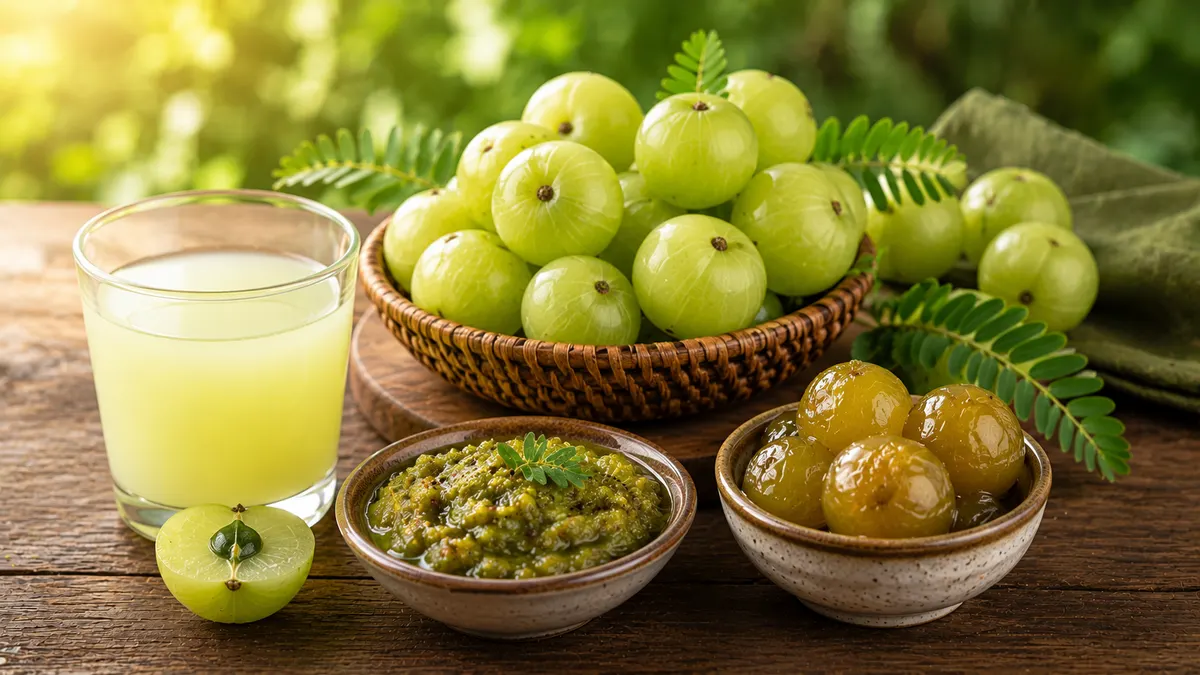
Food 1: Amla (Indian Gooseberry) – Ayurveda’s Vitamin C Superstar
If Ayurveda had a king of Vitamin C, it would absolutely be Amla.
This tiny, sour, green fruit holds an incredibly massive amount of vitamin C, much more than an orange! For centuries, Ayurveda has celebrated Amla as a magical, rejuvenating fruit. It does not just boost immunity; it strengthens your hair roots, clears up your skin, and cools down excess heat in your stomach.
You can easily enjoy Amla by:
- If you can bear its sour and crunchy nature, eat it raw.
- Have a little bit of fresh Amla juice in the morning.
- Preparation of some tangy chutney to accompany your food.
- Consumption of sweet murabba (watch out for the sugar content, though).
Its sharp, tangy flavor wakes up your taste buds and is a staple in healthy, traditional eating.
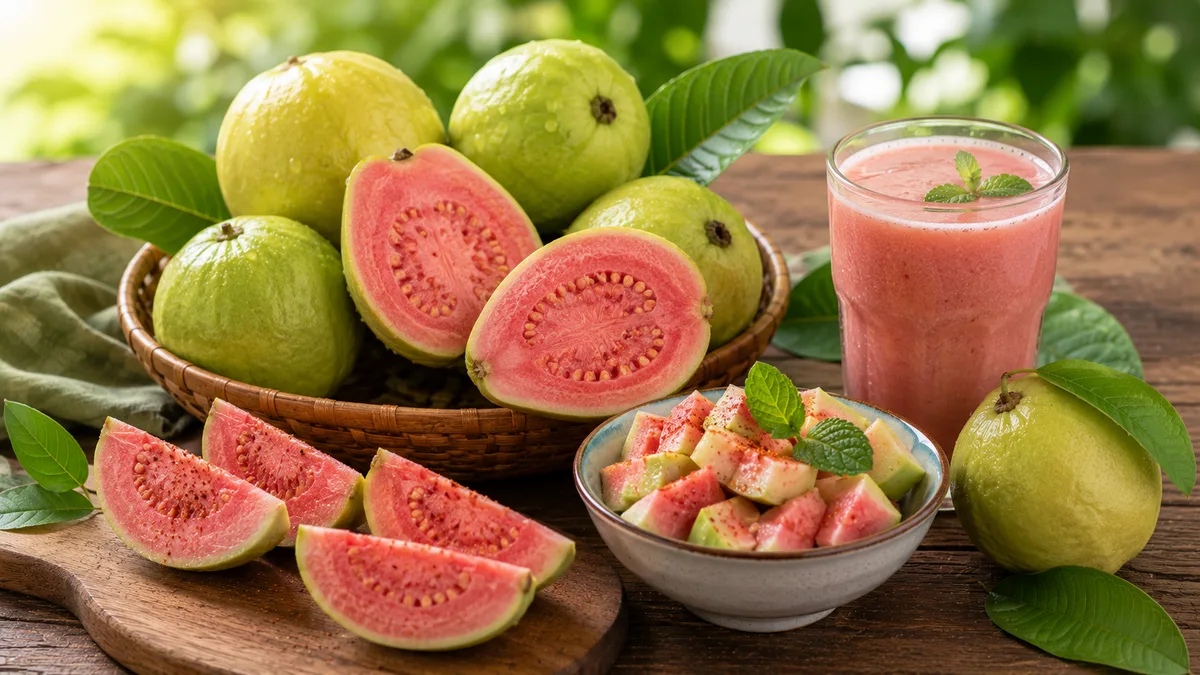
Food 2: Guava – A Sweet and Powerful Immunity Booster
Guava is a very humble fruit that most people completely overlook, but it is actually a hidden powerhouse. A single guava often contains double the amount of vitamin C you would find in an orange.
On top of the vitamins, guava is packed with high dietary fiber. Eating a guava a day is one of the easiest ways to fix digestion issues and keep your stomach perfectly clear, all while flooding your body with immunity-boosting nutrients.
You can enjoy fresh guava slices as:
- An ideal mid-morning snack sprinkled with a little bit of rock salt.
- A crunchy ingredient for fruit salad.
- An ideal base for a naturally sweet and thick smoothie.
It is cheap, delicious, and incredibly good for you.
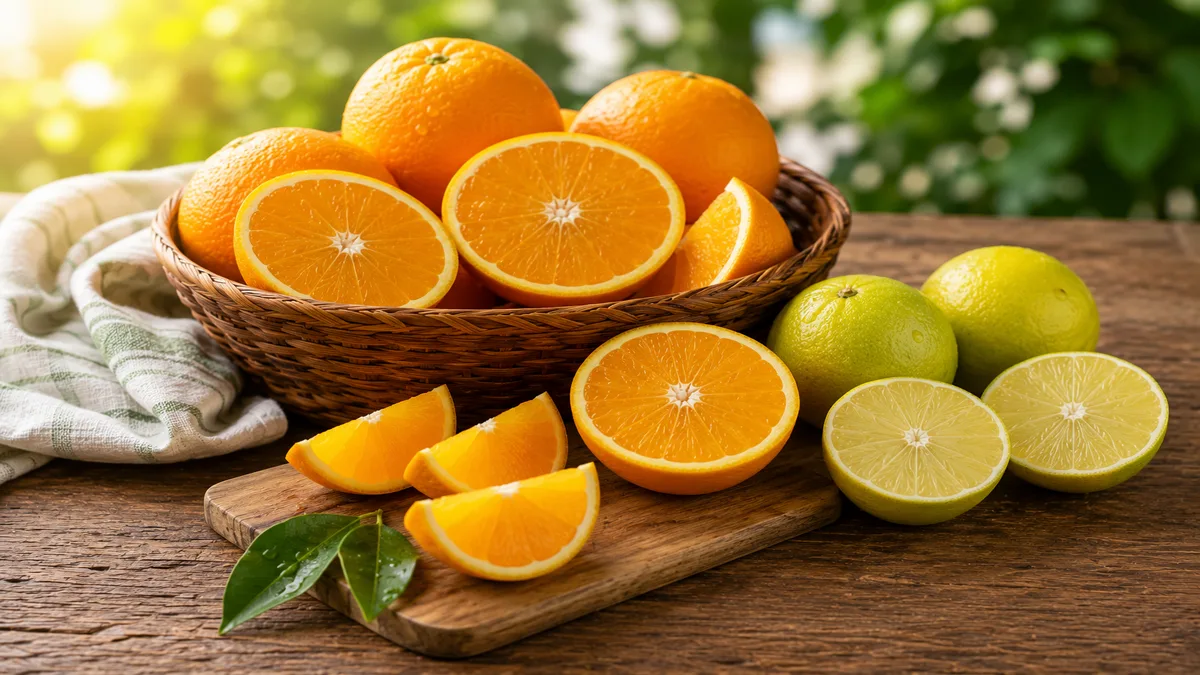
Food 3: Oranges and Sweet Lime – Everyday Citrus Goodness
When we think of vitamin C, we immediately picture bright, juicy oranges and sweet limes (mosambi). These classic fruits are refreshing, packed with natural water to keep you hydrated, and loaded with antioxidants that protect your heart and skin.
To get the absolute best out of your citrus fruits:
- Consume the whole fruit, don’t just drink the juice. Chewing pulp will give your stomach the necessary fiber.
- Don’t add white sugar to them.
- Also, stay away from packaged juices because they contain only water and sugar with a small quantity of vitamin C.
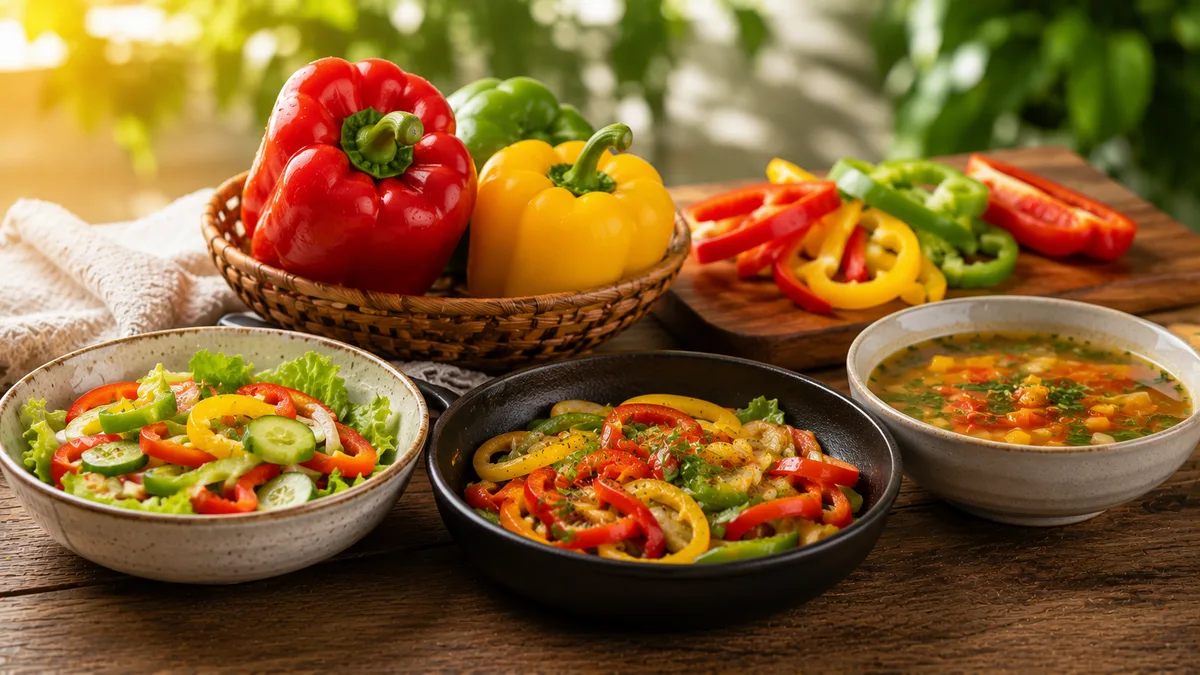
Food 4: Bell Peppers – An Unexpected Vitamin C Champion
Most people think vitamin C only comes from sweet or sour fruits. But surprisingly, crunchy bell peppers (capsicum) are fully loaded with it!
Whether you pick the red, yellow, or green ones, you are giving your body a huge dose of vitamins. Red bell peppers, in particular, are nutritional champions. They bring a beautiful pop of color and a satisfying crunch to your daily meals.
Try tossing them into:
- Fresh, raw salads.
- Quick vegetable stir-fries.
- Morning omelets or vegetable wraps.
- Warm, comforting soups.
Just remember to cook them very lightly. Overcooking them until they are mushy destroys a lot of the vitamin C.
Doctor’s Note
While whole fruits and vegetables can offer vitamin C in addition to fiber, antioxidants, and other phytonutrients that supplements do not completely provide, a healthy diet is generally the best way for most individuals to fulfill their vitamin C requirements. There are some circumstances where supplementation would be advised, such as in the presence of vitamin C deficiency or a particular health condition.
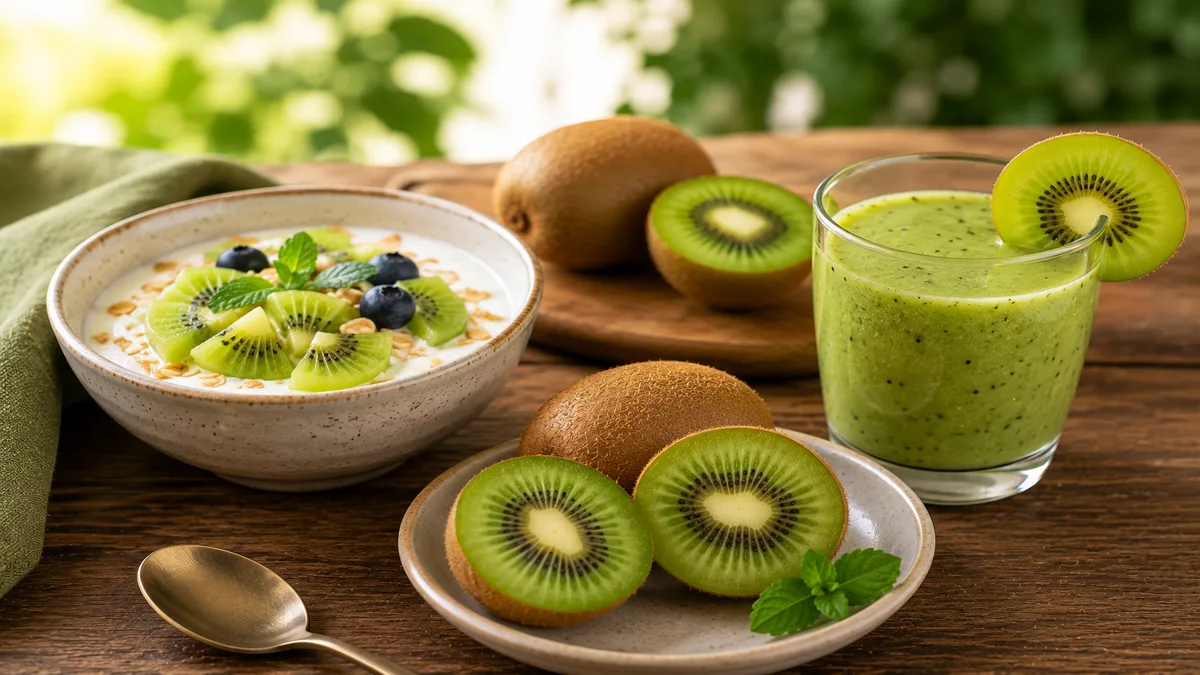
Food 5: Kiwi – A Modern Fruit That Fits a Healthy Lifestyle
This fuzzy little fruit is a brilliant source of vitamin C. It is also full of potassium (which is great for your heart) and soft fiber that is very gentle on the digestive system.
You can easily enjoy kiwi by:
- Scooping out the fresh, sweet-and-sour flesh with a spoon as a quick snack.
- Mix it into a morning bowl of yogurt or oatmeal.
- Blending it into a green detox smoothie.
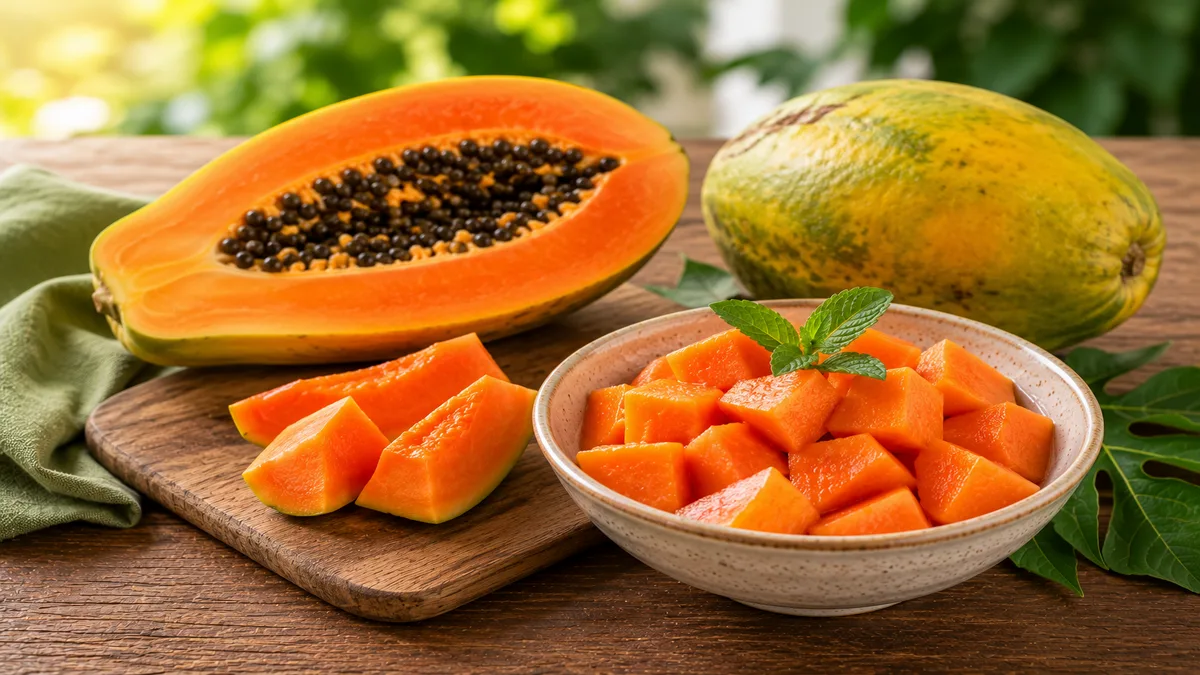
Food 6: Papaya – Gentle on Digestion and Rich in Nutrients
Papaya is a deeply comforting fruit. Along with a solid dose of vitamin C, it gives your body plenty of vitamin A for bright, healthy eyes.
A bowl of ripe, soft papaya is wonderful as:
- The very first thing you eat for breakfast.
- A light, sweet evening snack.
- A healthy, natural dessert when you are craving something sweet after dinner.
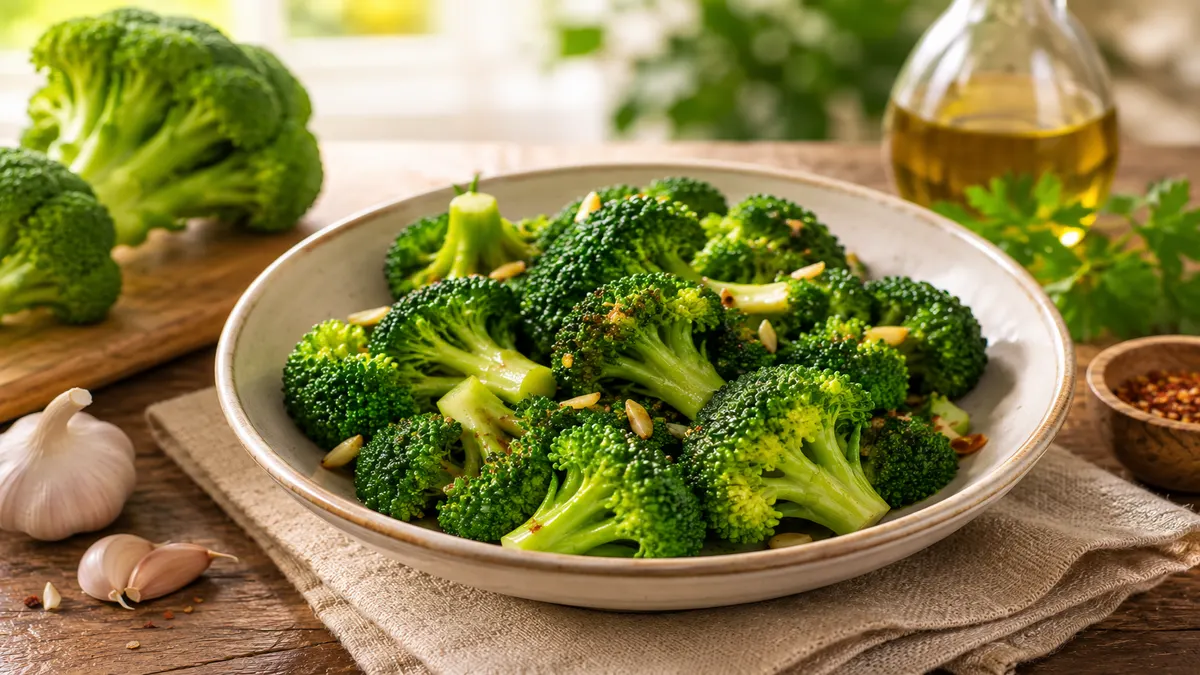
Food 7: Broccoli – A Nutrient-Dense Vegetable Worth Adding
Broccoli is a powerful, vegetable that is dark green. Even though it is well known to be very nutritious, most people don’t know that it is a good source of vitamin C.
To maintain its nutritional value and taste, it’s recommended to:
- Steam the florets for a couple of minutes, only until they become bright green.
- Sauté them with a bit of garlic and olive oil.
- Add some chopped broccoli to a bowl of warm pasta or soup.
Just as with bell peppers, you shouldn’t boil the broccoli for too long, or else the vitamins would dissolve in the water.
Simple Ayurvedic Tips to Improve Vitamin C Absorption Naturally
Eating the right food is only half the journey. Ayurveda teaches us that how you eat is just as important as what you eat.
- Eat fresh: Try to eat fruits and vegetables during their seasons. Freshness starts to fade after just a few days once they have been chopped up, making them lose their vitamins faster.
- Do not overcook: The vitamin C found in the fruits and vegetables is heat-sensitive. Consume them raw, and lightly cook your vegetables.
- Eat a rainbow: Combine all types of colors in the fruits and vegetables to enjoy a range of vitamins.
- Take care of your digestion: Never overeat. An overloaded and heavy stomach will prevent the absorption of the vitamins. Light eating will give your body enough energy to absorb the vitamins.
Final Thoughts
For thousands of years now, Ayurveda has told us that the best medicine comes from trees and the earth, not from factories. Fruits and veggies such as fresh amla, juicy guava, crisp bell peppers, and tender papayas provide our body with many more things than we can receive from a simple vitamin C pill.
Although it's nice to have something to back up when one is sick, living one's daily life with fresh and healthy foods will be the real way to maintain health. Just eating one fruit or adding some vegetables to the lunch is enough for your immune system to stay healthy, your skin to be radiant, and your body to be very happy.
References
Vitamin C - Health Professional Fact Sheet