
Successful Treatments
Clinics
Doctors
Ayurvedic Treatment for Piles And Fissure: Pain, Bleeding & Relief Options
 Published on 01 Jan, 1970
 Updated on 19 Oct, 2026

- Home / Diseases & Ayurveda / Digestive Disorders / Ayurvedic Treatment for Piles And Fissure: Pain, Bleeding & Relief Options
Dealing with piles can turn the simplest part of your day, like sitting down or going to the bathroom, into a severe quest, constant agony. Because it is an embarrassing topic, millions of people suffer in complete silence, relying on temporary creams and painkillers just to get through the week.
But hiding the pain does not heal the root problem. You do not have to live in fear of your next bathroom trip. True, lasting relief begins the moment you stop chasing quickie surface fixes and finally address the heavy internal imbalance causing your daily discomfort.
What Piles Are
Piles, also called hemorrhoids, are swollen and inflamed blood vessels located in your lower rectum and anus. Think of them like varicose veins, but in a highly sensitive area. They develop when constant heavy pressure, usually from chronic constipation, sitting on the toilet, or sitting for long periods, forces these delicate veins to stretch into a bulge. These painful lumps can form internally or externally, causing sharp pain, severe itching, and sudden bleeding.
Ayurvedic View of Piles
In Ayurveda, piles is known as Arsha, which is derived from the word meaning an enemy. It primarily happens because of an imbalance in the Apana Vata (the sub-dosha of Vata which is responsible for downward movement, including the elimination of stool and urine, often combined with aggravated Pitta and Kapha energies. Another reason for Arsha in an individual is the weak digestive fire, Agni, which processes the food. Weak digestive fire leads to accumulation of toxic waste, Ama, chronic constipation (Vibandha), and straining, which causes swelling of rectal venous plexuses. Ayurveda says that our lifestyle also contributes to the imbalance of our doshas and Agni; prolonged sitting or standing, heavy work, and diets low in fiber or high in dry, spicy, and processed foods trigger the condition.
Internal And External Piles
Knowing exactly which type you have dictates whether you need soothing internal herbs or heavy external oils
Internal Piles or Abhyantara Arsha: These are swollen veins hidden deep inside the rectum. You cannot see or feel them. Usually do not hurt, but they often cause bright red, painless bleeding during bowel movements.
External Piles or Bahya Arsha: These are under the sensitive skin immediately outside theanus. They look and feel like a hard, swollen lump. Because of the severely exposed nerve endings, they cause severe pain and relentless itching.
Grades And Prolapse Overview
Prolapse means the swollen internal vein has stretched so much that it drops completely outside your body. Doctors grade from 1 to 4 based on how far they fall out:
Grade 1: The veins are so swollen inside and might bleed, but they stay completely hidden.
Grade 2: The painful lump pushes out when you strain on the toilet but naturally pulls back inside on its own when you finish.
Grade 3: The lump drops out during a bowel movement, and you have to physically push it back inside with your fingers.
Grade 4: The heavily swollen lump stays permanently outside; it cannot be pushed back in, causing severe constant pain.
Symptoms Of Piles
The most common signs of piles are bright red blood in the toilet bowl or on the tissue after a bowel movement. You will likely feel a hard, painful lump around your bottom that makes sitting very uncomfortable. Many people also deal with instant, severe itching and a heavy, swollen feeling, as if they still need to use the bathroom even after they just went. Passing hard stool sharply increases the pain.
Ayurveda groups these symptoms based on your internal body energy. If trapped wind (Vata) is the root cause, the pile feels dry, rough, and extremely painful, like sharp needles. If body heat (Pitta) is high, the pile will burn badly, look inflamed, and bleed easily. If heavy energy (kapha) is out of balance, the pile will feel large and heavy and slimy, causing severe itching rather than sharp pain.
Causes Of Piles
Piles are directly caused by heavy, repeated pressure on your lower rectum. When you constantly strain, the delicate blood vessels stretch and swell into painful lumps.
- Chronic Constipation: This is the biggest trigger. Pushing hard to pass dry stools severely strains your veins. In Ayurveda, this starts with weak digestion (Agni). Poor digestion traps your downward-moving wind (Apana Vata), which completely dries out your bowel movements.
- Poor Toilet Habits: Sitting on the toilet for a long time to look at your phone creates a constant, heavy downward drag on your lower body. Also, ignoring the natural urge to go (Vegadharana) forces trapped gas and waste backwards, severely increasing internal pressure.
- Dietary Mistakes: Eating dry, deep-fried, and heavily spiced foods ruins your gut. This creates sticky internal waste (Ama) that physically blocks your intestines and stops smooth bowel movements.
- Heavy Lifting: Holding your breath to lift heavy weights at the gym or at work sends a massive shock of downward pressure straight into your pelvic floor.
- Pregnancy and Weight: The constant physical weight of a growing baby, or carrying excess belly fat, puts heavy, unavoidable strain directly on the pelvic blood vessels.
Constipation And Toilet Habits
Constipation or Vibandha is a common cause of piles, causing hard, dry stools to force your tos train, tus hevay pushing puts intense pressure on the sensitive blood vessels in your rectum, causing them to swell and bulge. Poor toilet habits make this worse. Sitting on the toilet for too long, like scrolling on your phone, creates a constant downward drag on these veins. Additionally, ignoring the harsh urge to go allows stools to set in your colon, where they dry out and become much harder to pass later.
In Ayurveda, chronic constipation starts with weak digestion. Poorly digested food creates sticky waste (Ama) that blocks your lower intestines. This traps the downward-moving Vata energy, which severely dries out our tool. Ayurveda warns against ignoring your natural urges. Forcing your body to work pushes this trapped Vata backwards. This reverse pressure creates the heavy internal strain that ultimately causes painful, swollen lumps to form.
Patient Success Stories
Ano-rectal Symptoms
Pain and discomfort
Pain and discomfort
Itching and irritation around the anus
Itching and irritation around the anus
Swelling near the anus
Swelling near the anus
Bleeding during bowel movements
Bleeding during bowel movements
A lump near the anus, which can be sensitive or painful
A lump near the anus, which can be sensitive or painful
How Piles Are Diagnosed
Both modern medicine and Ayurvedic treatment diagnose piles accordingly, which includes the following:
How Does Modern Medicine Diagnose Piles?
Medical History & Physical Exam
The doctor will ask you questions related to your medical or family history, and a physical exam will be done:
- Symptoms Evaluation: The doctor will ask you symptom-related questions about bright red bleeding, itching, pain, mucus, or lumps at the anus, as well as bowel habits.
- Visual Inspection: The doctor will look at the outside of the anus to check for external piles, blood, clots, or skin tags for a better understanding of the disease.
- Digital Rectal Exam (DRE): In this, the doctor wears a lubricated, gloved finger and gently inserts it into the rectum to feel for internal swelling, lumps, or tenderness.
Diagnostic Procedures
A doctor may use some specialized instruments to rule out internal piles or other conditions:
- Anoscopy: It's a short, lighted tube that is used to examine the lining of the anus and lower rectum
- Proctosigmoidoscopy: It's a lighted tube with a camera to examine the lining of the rectum and the lower part of the intestine.
- Colonoscopy: In this, a doctor uses a long, flexible, lighted tube called a colonoscope to examine the inside of your large intestine.
How Does Ayurveda Diagnose Piles?
Along with the doctor's diagnosis, an Ayurvedic check-up depends on certain tests. It also looks at your whole life, not just your symptoms:
- Nidana Panchaka (five-fold diagnostic investigation): In this, the Ayurvedic practitioner does Nidana, identifies the root cause of the disease, Purvarupa, observes early premonitory signs, Rupa, analyzes actual signs, Upashaya, uses therapeutic tests, and Samprapti, how the disease progressed through bodily channels.
- Ashtasthaana Pareeksa (eight-point physical examination): They do Nadi pariskha to evaluate the state of doshas; Moora, examining color or clarity of urine; Mala, checking consistency of the bowel; Jihwa, inspecting color and coating of the tongue; Shabda, listening for tone; Sparsha, assessing skin temperature and moisture; Drik, looking at the eyes; Akriti, observing general appearance.
- Prakriti and Vikriti Analysis: In this, they determine the person's mind-body constitution (Vata, Pitta, and Kapha), and Vikriti identifies the current state of imbalance and deviation from homeostasis.
- Agni and Ama: If your daily digestion is weak, your food does not process properly. This creates thick, toxic waste in the body, Ama, that travels through your body and blocks the body channels (Srotas).
- Lifestyle Analysis: They look at your whole lifestyle and ask you questions related to your sleep, diet, and stress levels, as they also contribute to the internal imbalance in an individual.
Apart from these, an Ayurvedic practitioner may also do physical and medical examinations and skin assessment or other related tests to know the big picture and treat the problem accordingly.
Treatment Options And Recurrence
Treating piles means looking past the quick fixes.
Modern medicines often rely on steroid creams to simply numb the pain or surgery to physically cut the swollen veins. While this offers fast relief, the painful lumps almost always return a few years later. Because simply cutting away the vein does not fix the heavy internal pressure and chronic constipation that actually caused it in the first place.
Ayurveda takes a completely different path to stop recurrence. Instead of surgery, the main treatment options focus on deep internal healing. Experts use specific digestion-boosting herbs to permanently soften your stool and completely remove the need to push or strain. For the external pain, they use medicated herbal paste and warm oil baths that naturally shrink the swollen blood vessels without any cutting.
To guarantee the piles never come back, you must protect your digestion for life. Recurrence only happens when you fall back into bad habits like eating dry, heavily spiced foods, sitting for long hours, or ignoring the natural urge to use the bathroom. By sticking to a light, easy-to-digest diet and drinking plenty of water, you keep the internal pressure down and remain completely safe.
Ayurvedic Assessment And Supportive Management
Ayurveda looks far beyond the painful swollen lumps and focuses entirely on fixing the heavy internal pressure and broken digestion that caused them. By clearing out the root blockage, you can naturally shrink the veins and find lasting relief:
Fixing Your Digestion Agni
The very first step to healing is repairing your weak digestive fire. When your stomach easily breaks down food, you completely stop producing the hard, dry stools that constantly force you to strain and push in the bathroom.
Clearing Sticky Waste Ama
Years of poor eating habits leave heavy, sticky toxins trapped deep in your gut. Specialized Panchakarma therapies actively flush this heavy waste out of your system, clearing the internal blockage that traps your downward-flowing body energy.
Internal Healing Herbs
To stop the sharp pain and sudden bleeding, experts prescribe specific cooling and digestive herbs. These natural medicines work continuously to naturally soften your stool, shrink the highly inflamed blood vessels, and soothe the burning sensation from the inside.
Soothing External Therapies
Instead of aggressive procedures, Ayurveda uses targeted, gentle local therapies. Warm herbal sitz baths (Avagaham) and careful application of topical medicated oils directly relax your tight pelvic muscles, instantly relieving the sharp pain, swelling, and severe itching.
Diet And Lifestyle Shifts
You must completely stop eating dry, spicy, and deep-fried food that instantly triggers painful flare-ups. Switching to easy-to-digest meals with pure cow ghee and actively avoiding long hours of continuous sitting removes the heavy physical pressure on your lower body.
Kshara Karma and Kshara Sutra
These are traditional Ayurvedic para-surgical treatments used to manage piles. Kshara Karma is a minimally invasive, parasurgical Ayurvedic treatment used primarily for managing 1st and 2nd grade internal piles. Kshara Sutra is an ancient Ayurvedic para-surgicla procedure that uses a specially coated thread to treat anorectal conditions.
When Bleeding Or Pain Needs Urgent Review
Piles can be frustrating, but many warning signs must not be ignored and require urgent medical care:
- If you notice bleeding before, during, or after bowel movements.
- If discomfort from piles doesn't get resolved after weeks.
- If your piles symptoms keep on worsening.
- If you have a hard, swollen, discolored lump near the anus.
- If you have a high temperature, chills, or pus coming out of the area.
- If you have severe, unbearable anal or rectal pain.
- If you have non-stop heavy bleeding that doesn't stop.
Early medical advice can help manage symptoms effectively and prevent the condition from worsening.
How We Assess Piles Patients at Jiva Ayurveda
At Jiva Ayurveda, our team starts with an evaluation to identify the root cause of the concern. This includes:
- Our doctors check your pulse (Nadi pariskha) to see which body energy is currently out of balance in your body.
- We ask detailed questions about your daily bowel movements, as chronic constipation, hard stools, and trapped gas are the main reasons behind it.
- We check if your piles are dry and highly painful or if they are actively bleeding and burning,
- We review what you eat and do every day. We look for spicy foods, low water intake, or long hours of continuous sitting that make the swelling much worse.
This helps our doctors design a treatment plan that is specifically designed to meet your needs and provide overall well-being.
Our Step-by-Step Care Process
When you come to Jiva Ayurveda, we want your healing journey to feel simple, personal, and completely stress-free. Here is exactly what you can expect when you start your treatment with us:
- Get In Touch: Leave your details with us or just give us a call directly on +91 9266714040.
- Book Your Slot: Meet our doctors at your convenience by visiting one of our 80+ clinics nationwide, or booking a video call for just Rs. 49 (down from 299).
- Finding the root cause: Our doctors assess the factors contributing to your condition, including the arthritis type, medical history, lifestyle, and Ayurvedic assessment.
- Personalised treatment plan: After understanding your problem, we will make a personalised treatment plan that will be tailored just for you.
- We Stay With You: The process is not just about prescribing medicines. We stay in touch with you to see how you are doing and adjust your treatment regimen accordingly.
Estimated Cost of Treatment for Arthritis at Jiva Ayurveda
Knowing how much your treatment will cost is important. At Jiva Ayurveda, we keep our pricing clear and upfront so you can choose the right plan for your health according to your needs.
Treatment Cost
If you are looking for regular, ongoing support, the starting cost for your medicines and doctor's consultation is usually between Rs 3000 and Rs 3500. Just keep in mind that this is just the baseline cost; the real cost may vary depending on the severity of the disease.
Protocol
For a deeper step-by-step approach, we offer specific healing packages that last for 3 to 4 months. You make a one-time payment ranging from Rs 15000 to Rs 40000 for the entire period.
The package includes:
- All medicines and doctor visits
- Hands-on physical therapy
- Customised diet plans, yoga and meditation therapies
- Mental well-being support sessions
Why Should You Choose Jiva Ayurveda?
Jiva Ayurveda provides customised and root-based Ayurvedic treatment that is primarily focused on providing health and wellness solutions for specific patients.
- Patient-specific treatment: Jiva’s therapies and treatments are structured by professional doctors according to each patient’s unique prakriti, diet, and lifestyle.
- Root-based treatment: Jiva focuses on the specific root cause of the health condition or disease rather than focusing only on medicines, with an emphasis on addressing underlying factors.
- Authentic Ayurvedic medicines: Jiva provides authentic Ayurvedic medicines; we follow strict quality parameters to ensure safety and effectiveness.
- Protocol-based analysis: We follow research-backed clinical methods to provide structured assistance to our patients.
- Assist 8000+ patients every day: Jiva's doctors are specialised in a wide range of Ayurvedic healthcare, and every single day, we assist more than 8000 people.
Explore The Piles Topic Hubs
To help you better understand your piles recovery journey, explore the sections below to find detailed, practical solutions for every part of your daily experience:
Types and Grades of Piles: Internal, External and Prolapsed
In this section, you will learn about the types and grades of piles in depth. This will give the reader a better understanding and approach, and also help in identifying the specific type and grade he has.
Piles Symptoms: Bleeding, Pain, Itching, and Lumps
This section covers the classic symptoms of piles; some of them are bleeding, pain, itching, and lumps. It will help you better understand your symptoms and match them with what you are going through.
Constipation and Toilet Habits That Worsen Piles
It will cover everything about constipation in depth, its meaning, along with its treatment approach. The guide will also include all the toilet habits that make your piles worse and suggest some good habits or approaches to manage them.
Piles Diet: Indian High-Fibre Food and Hydration Guide
Diet is one of the most important factors for managing piles. One must know what to avoid and what to eat while dealing with a disease like piles. This guide also covers the importance of hydration and how exactly you should hydrate yourself.
Piles or Another Condition? Fissure, Fistula and Rectal Bleeding
This guide helps readers navigate diagnostic confusion between piles, fissure, fistula, and rectal bleeding. It will help you better understand the difference between these and help you know which condition you are actually going through.
Piles Treatment Decisions: Conservative Care, Procedures and Recurrence
In this section, a proper treatment plan for piles is discussed in depth. This section covers whether it is possible to manage piles without surgery and why piles keep on coming back.
References
Diagnosis of Hemorrhoids - NIDDK
Management of internal hemorrhoids by Kshara karma: An educational case report - PMC
FAQs
In order to steer clear of piles, one must ensure a high-fibre diet with an appropriate amount of fruits, vegetables, and whole grains that will relieve them of constipation and thus lessen the need for straining in defecation. Regular exercise, staying hydrated, and managing stress effectively can also minimise the risk of developing piles. Basic preventive measures also involve maintaining proper defecation practices, such as going to the bathroom when one feels an urge to do so and not staying on the toilet seat for long periods.
In Ayurveda, piles are dealt with in a multi-dimensional way that consists of eating habits, herbal treatment, and changing the routine and practice of Panchakarma therapy. Dietary modifications focus on consuming high-fibre foods to ease bowel movements. Herbal treatments might include Triphala, Haritaki, and topical applications of healing pastes. Lifestyle recommendations often involve regular exercise and proper hydration. Panchakarma, like Vasti (medicated enema), is used to cleanse the body and restore balance. The treatment is tailored to the individual’s constitution and the specific characteristics of the piles.
Mild piles may resolve on their own after a few lifestyle changes or some home remedies, but if that does not work and the problem exists even after weeks, then it's high time. You must consult a certified and trusted healthcare practitioner. Ayurveda offers a root-cause-based approach to managing piles, which can lead to improvement or complete resolution.
Spicy foods: These can irritate the digestive tract and worsen symptoms. Oily and fried foods: Heavy foods can aggravate digestion and contribute to constipation. Processed foods: These often contain unhealthy additives and preservatives. Constipating foods: Avoid foods that can lead to constipation, such as red meat, dairy products, and refined grains.
Aloe vera juice: Being known for its healing properties, it can help soothe the digestive tract and reduce inflammation. Wheatgrass juice: Rich in antioxidants, wheatgrass juice can aid in digestion and detoxification. Carrot juice: The carrots are a rich source of fibre and can help regulate bowel movements.
Yes, piles can be more common during pregnancy due to hormonal changes and elevated pressure on the veins in the rectum. It's important for pregnant women to consult with a healthcare professional for appropriate management and prevention of piles.
Piles are usually not permanent and can improve with a proper diet, lifestyle changes, and medical treatment. Chronic cases may require advanced care.
Mild piles may improve with fibre intake and hydration, but persistent or painful piles require medical evaluation.
Warm sitz baths, a fibre-rich diet, adequate hydration, and prescribed medication can help reduce pain and swelling.
Occasional mild bleeding is common, but continuous or heavy bleeding should be checked to rule out serious conditions.
Spicy foods, processed foods, excessive caffeine, and a low-fibre diet may worsen symptoms.
Yes, chronic constipation and straining during bowel movements are major risk factors for haemorrhoids.
Not always. Many cases are managed with medication and lifestyle changes, but severe or prolapsed piles may need surgical procedures.
Yes, increased abdominal pressure and hormonal changes during pregnancy can lead to piles.
No, piles are swollen veins, while fissures are small tears in the anal lining.
Mild piles may improve within a few weeks, while chronic cases may take longer, depending on treatment and lifestyle.
Find Jiva Ayurveda Clinics for Piles Treatment Near You
Consult Experienced Ayurveda Doctors for Piles




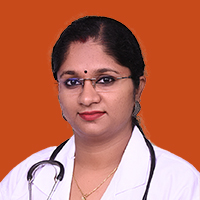
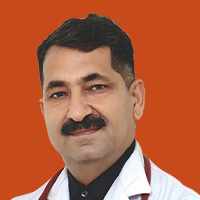
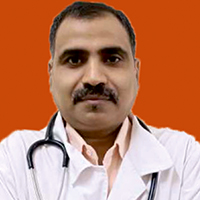
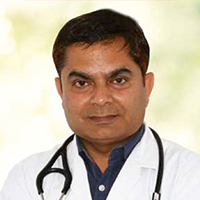





Our Happy Patients
-
 Sunita Malik - Knee Pain
-
 Abhishek Mal - Diabetes
-
 Vidit Aggarwal - Psoriasis
-
 Shanti - Sleeping Disorder
-
 Ranjana - Arthritis
-
 Jyoti - Migraine
-
 Renu Lamba - Diabetes
-
 Kamla Singh - Bulging Disc
-
 Rajesh Kumar - Psoriasis
-
 Dhruv Dutta - Diabetes
-
 Atharva - Respiratory Disease
-
 Amey - Skin Problem
-
 Asha - Joint Problem
-
 Sanjeeta - Joint Pain
-
 A B Mukherjee - Acidity
-
 Deepak Sharma - Lower Back Pain
-
 Vyjayanti - Pcod
-
 Sunil Singh - Thyroid
-
 Sarla Gupta - Post Surgery Challenges
-
 Syed Masood Ahmed - Osteoarthritis & Bp
Blogs
- Don?t Tolerate Piles Pain & Discomfort Every Day. Do This
- 3 Lessons You Can Learn from Successful Piles Treatment at Jiva
- 6 Home Remedies that will Bring Relief from Piles
- 5 Effective Home Remedies for Piles
- Do You Know The Symptoms of Piles?
- Comprehensive, Root-cause Treatment of Piles
- 5 Easy Steps to Prevent & Control Piles
- 5 Foods to Avoid for Piles
- Fibres - The Ideal Addition to Your Diet for Piles
- 5 tips to Overcome Piles During Pregnancy
Home Remedies
- पेट में गैस, जलन या संक्रमण? इन घरेलू उपायों से पाएं राहत
- पेट में गैस, अपच और फुलाव का आयुर्वेदिक इलाज - मुफ़्त परामर्श
- एनल फिशर से परेशान हैं? ये आयुर्वेदिक नुस्खे देंगे राहत और आराम
- कब्ज़ का आयुर्वेदिक इलाज - मुफ़्त परामर्श
- एसिड रिफ्लक्स का घरेलू इलाज - मुफ़्त आयुर्वेदिक परामर्श
- Food Poisoning का आयुर्वेदिक इलाज - मुफ़्त परामर्श
- क्या बार-बार उल्टी हो रही है? इन घरेलू उपायों से पाएं तुरंत आराम
- क्या आप जानते हैं? इन नुस्खों से पेट दर्द जड़ से खत्म होता है!
- बार-बार एसिडिटी? ये देसी नुस्खे तुरंत देंगे आराम!
- दवा की ज़रूरत नहीं! लूज़ मोशन का रामबाण इलाज घर पर ही
- Home Remedies for Vomiting
- Home Remedies for Piles
- Home Remedies for Food Poisoning
- Home Remedies for Stomach Infection
- Home Remedies for Bloating
- Home Remedies for Anal Fissure
- Home Remedies for Constipation
- Home Remedies for Acid Reflux
- Home Remedies for Acidity
- Home Remedies for Stomach Pain
Related Disease
- Ayurvedic Treatment for Acid Reflux: Heartburn, Triggers & Care
- Ayurvedic Treatment for Anemia: Symptoms, Causes & Care Options
- Ayurvedic Treatment for Anorexia: Symptoms, Causes & Management
- Ayurvedic Treatment for Chronic Fatigue Syndrome: Symptoms, Causes & Management
- Ayurvedic Treatment for Gastritis: Stomach Burning, Causes, Diet & Care Options
- Ayurvedic Treatment for Colitis: Symptoms, Causes, Diet & Care
- Ayurvedic Treatment for Crohn’s Disease: Symptoms, Flare-Ups and Supportive Care
- Ayurvedic Treatment for Weakness and Fatigue: Symptoms, Causes & Management
- Ayurvedic Treatment for Flatulence: Symptoms, Causes, Diet & Care
- Ayurvedic Treatment for Gallstones: Symptoms, Causes, Diet & Care
- Ayurvedic Treatment for Jaundice: Symptoms, Causes, Diet & Care
- Ayurvedic Treatment for Liver Cirrhosis: Symptoms, Causes, Diet & Care
- Ayurvedic Treatment for Sickle Cell Anaemia: Symptoms, Causes & Care Options
- Ayurvedic Treatment for Piles And Fissure: Pain, Bleeding & Relief Options
- Ayurvedic Treatment for Irritable Bowel Syndrome (IBS): Bloating, Bowel Symptoms & Diet
- Ayurvedic Treatment for Hyperacidity: Burning Sensation, Causes, Diet & Care
- Ayurvedic Treatment for Constipation: Digestive Health & Relief Options
- Ayurvedic Treatment for Coeliac Disease: Symptoms, Causes, Diet & Care
- Ayurvedic Treatment for Peptic Ulcer: Symptoms, Causes, Diet & Care
- Ayurvedic Treatment for Tapeworm: Symptoms, Causes & Management
- Ayurvedic Treatment for Typhoid: Symptoms, Causes & Care Options
- Ayurvedic Treatment for Diarrhea: Symptoms, Causes, Diet & Care
- Ayurvedic Treatment for Diverticulitis: Symptoms, Causes & Management
- Ayurvedic Treatment for Pinworms: Symptoms, Causes & Management
- Ayurvedic Treatment for Cholera: Symptoms, Causes & Care Options
- Ayurvedic Treatment for Emphysema: Symptoms, Causes & Management
- Ayurvedic Treatment for Food Poisoning: Symptoms, Causes & Management
- Ayurvedic Treatment for Atherosclerosis: Symptoms, Causes & Supportive Care
- Ayurvedic Treatment for Thalassemia: Symptoms, Causes & Management
- Ayurvedic Treatment for High Triglycerides: Symptoms, Causes & Management
- Ayurvedic Treatment for Gastroenteritis: Symptoms, Causes, Diet & Care
- Ayurvedic Treatment for Inflammatory Bowel Disease (IBD): Symptoms, Flare-Ups, Diet and Supportive Care
Latest Blogs
- परिवार के साथ बैठकर खाना खाने से Portion और Eating Speed पर क्या फर्क पड़ सकता है?
- कब्ज़ में इंडियन-स्टाइल टॉयलेट बेहतर है? टॉयलेट पोस्चर के बारे में क्या पता है
- दूध, दही और लस्सी से IBS के लक्षण कब बढ़ सकते हैं?
- कभी कब्ज़, कभी दस्त? बार-बार बदलती पेट की आदतों को कैसे समझें
- क्या आयरन, कैल्शियम या कुछ दवाओं से कब्ज़ हो सकती है? डॉक्टर से कब बात करें
- पीरियड्स के दौरान IBS के लक्षण कुछ लोगों में क्यों बढ़ सकते हैं?
- व्रत या उपवास में कब्ज़ बढ़ जाती है? नवरात्रि में किन बातों का ध्यान रखें
- सफ़र में कब्ज़ क्यों हो जाती है? यात्रा से पहले क्या तैयारी करें
- खूब पानी पीने के बाद भी कब्ज़ क्यों बनी रह सकती है?
- बुज़ुर्ग माता-पिता को कब्ज़ रहती है? परिवार किन बातों का ध्यान रखे
- क्या खूनी बवासीर में ऑपरेशन ही एकमात्र विकल्प है? इलाज के विकल्प समझें
- शौच में खून देखकर घबरा गए? जानिए पहले क्या समझें और क्या करें
- रोटी, चावल और दही: कब्ज़ होने पर खाने में क्या बदलाव मदद कर सकते हैं?
- रोज़ बाइक से ऑफिस जाते हैं और बवासीर की सूजन परेशान करती है? जानिए सफ़र का असर
- IBS में दवा से राहत मिलने के बाद भी लक्षण दोबारा क्यों हो सकते हैं?
- IBS में कौन-सा खाना परेशानी बढ़ाता है? फ़ूड डायरी कैसे मदद कर सकती है
- मानसून में पेट की परेशानी बढ़ती लगती है? IBS और मौसम के संबंध को समझें
- बवासीर में सिट्ज़ बाथ कैसे करें? फायदे, सावधानियाँ और कब बचें
- बवासीर के मस्से बाहर निकलते हैं? ग्रेड 1 से 4 का मतलब समझें
- बवासीर के विज्ञापन और घरेलू “पक्के इलाज”: किन दावों से सावधान रहें?
Ayurvedic Doctor In Top Cities
- Ayurvedic Doctors in Bangalore
- Ayurvedic Doctors in Pune
- Ayurvedic Doctors in Delhi
- Ayurvedic Doctors in Hyderabad
- Ayurvedic Doctors in Indore
- Ayurvedic Doctors in Mumbai
- Ayurvedic Doctors in Lucknow
- Ayurvedic Doctors in Kolkata
- Ayurvedic Doctors in Patna
- Ayurvedic Doctors in Vadodara
- Ayurvedic Doctors in Ahmedabad
- Ayurvedic Doctors in Chandigarh
- Ayurvedic Doctors in Gurugaon
- Ayurvedic Doctors in Jaipur
- Ayurvedic Doctors in Kanpur
- Ayurvedic Doctors in Noida
- Ayurvedic Doctors in Ranchi
- Ayurvedic Doctors in Bhopal
- Ayurvedic Doctors in Ludhiana
- Ayurvedic Doctors in Dehradun