
Successful Treatments
Clinics
Doctors
Pippali (Long Pepper): Benefits, Uses, and Healing Properties
 Published on 31 Oct, 2025
 Updated on 31 Oct, 2025

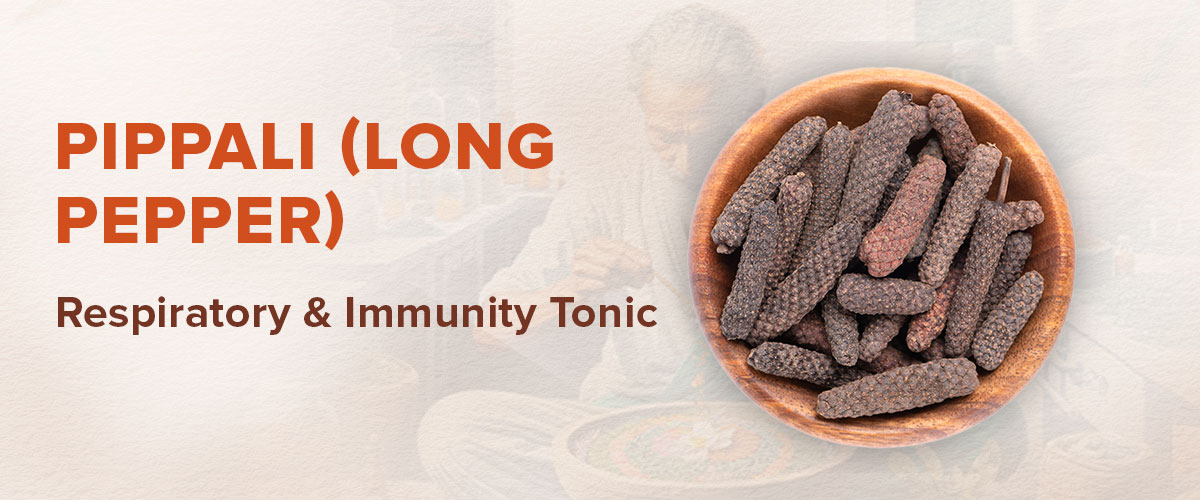
Long pepper, or Pippali in Sanskrit and Piper longum botanically, is a spiky vine fruit that is very spicy and has a long history of use in herbal medicine. Ayurvedic texts like the Charaka Samhita and Sushruta Samhita say that Pippali is a rasayana herb that helps with digestion, breathing, energy, and overall balance in the body. It is still used today, both in ancient remedies and in modern medicines.
What really makes Pippali interesting is that modern science is catching up to Ayurveda’s old claims now. For instance, laboratory tests on Pippali fruit extract show promising results: at a concentration of 50 μg/mL, it cut the production of nitric oxide related to inflammation by about 81 percent, showing clear anti-inflammatory action in immune cells.
These results give you good reasons to be interested in the Pippali benefit, not just as an ancient herb but also as a modern medicine plant that can heal people today.
What is Pippali & Its Ayurvedic Properties?
Indian long pepper, or pippali, may look like a small spice, but it is very important in Ayurveda. People have used it for a long time to treat coughs, breathing issues, digestion and tiredness.
Let us now look at pippali’s main properties:
- Taste (Rasa): Pippali has a strong, spicy, and stimulating taste. This taste helps get rid of mucus, open up blocked channels, and improves your digestive fire (Agni). This strong smell can help you feel lighter and better if you often feel heavy or bloated after meals.
- Qualities (Guna): Pippali is believed to be light and oily. This means that it doesn't slow down your system, and the oiliness makes it easier for your body to move. It can help soften toxins that have become hard and balance out dry, stiff conditions.
- Potency (Virya): It is hot. This heat helps to melt away extra mucus, get rid of toxins, and improve blood flow. Pippali's warmth can give you energy and improve movement if you tend to feel cold easily or have slow digestion.
- Post-Digestive Effect (Vipaka): After you eat Pippali, it has a sweet effect on your body. Ayurveda says that Pippali helps nourish your tissues and build strength over time, not just burn fat.
Pippali Benefits for Your Health
Pippali is a herb that has a lot of health benefits. Ayurveda values it for balancing the Vata and Kapha doshas, while modern science focuses on how it affects inflammation, digestion, and respiratory health. Let us now understand the main Pippali benefits, along with simple explanations of how they work from both Ayurvedic and modern points of view.
Good for Coughs, Colds, and Asthma
Ayurvedic View: Pippali can help if you often have a cough, cold, or stuffy chest. Ayurveda says it can help balance Kapha and help you get rid of excess mucus.
Modern View: Pippali has chemicals like piperine that can reduce inflammation and open up the airways. Researchers say it might help people with asthma or bronchitis by opening up their airways.
Helps with Digestion and Eases Indigestion
Ayurvedic View: Pippali is a Deepan-Pachan herb, which means it improves your digestive fire and helps your body break down food. A little bit of Pippali powder can help if you often feel bloated, gassy, or heavy after eating.
Modern View: Its natural oils and alkaloids help digestive enzymes work better, which makes it easier for the body to absorb nutrients.
Helps You Lose Weight
Ayurvedic View: In Ayurveda, being overweight is often linked to having a slow digestive system and a buildup of toxins (Ama). Pippali helps get rid of these toxins and speeds up your metabolism.
Modern View: Some studies say that Pippali may help with fat metabolism and insulin sensitivity, which could help with weight loss, especially when combined with a healthy diet.
Controls Blood Sugar
Ayurvedic View: Pippali has been used for a long time to help keep blood sugar levels normal by making digestion and liver function better, which is very important in Ayurveda's view of diabetes.
Modern View: Studies have shown that piperine (from Pippali) can lower blood sugar levels and may help your body use insulin better.
Helps the Immune System and Fights Infections
Ayurvedic View: Pippali is believed to boost your immunity over time because it has Rasayana (rejuvenating) properties. It helps your body fight illnesses naturally.
Modern View: It has properties that kill bacteria, viruses, and free radicals, which helps keep your body safe from common infections like colds, fevers, and even gut bacteria.
Pippali for Specific Health Conditions
Pippali is good for your health in general, but it also helps with a number of specific health issues. Let's see how it can help with some specific issues.
Pain and Cramps During Your Period
Pippali may help if your periods are painful or you bleed a lot. Ayurveda says that menstrual cramps are often caused by an overactive Vata dosha. Pippali helps calm Vata, which can reduce the pain and improve blood flow.
Pain in the Teeth and Gums
Ayurveda says that putting a paste of Pippali powder and honey on the gums can help with pain and swelling. It can help balance Kapha and reduce inflammation.
Low Libido and Tiredness
Do you generally feel tired or unable to perform in the bedroom? Pippali is a natural aphrodisiac. This herb has been used for a long time to help men with low libido or mild erectile problems get their strength and confidence back.
Fever and Weakness
It can be tiring and draining to get better from an infection or fever. Because it is a Rasayana (rejuvenating) herb, Pippali helps your body heal faster. It helps your body get rid of toxins, boosts your immune system, and supports your digestive fire.
Cholera and Diarrhoea
Pippali has been used for a long time to treat infections like cholera and stop frequent loose motions. It helps your gut by warming it up and helping your digestion. This brings balance back to your body.
Breathing Problems and Asthma
Pippali can help if you often have trouble breathing or feel tight in your chest. It calms down Kapha and Vata in the lungs, which clears mucus, opens up your airways, and makes breathing easier.
Gas and Indigestion
Do you feel full, bloated, or gassy after eating? Pippali boosts your digestive fire, makes it easier for your body to break down food, and gets rid of that uncomfortable bloated feeling.
Pain and Stiffness in the Joints
Pippali can help if your joints hurt or feel tight. It helps reduce swelling and makes it easier to move by warming up and reducing inflammation.
Cough and Cold
Pippali is an easy way to get rid of coughs and colds that keep coming back. It clears mucus, calms your throat, and helps you get better faster when you take it with honey.
Who Should Use Pippali?
Pippali can help a lot of people, but how well it works for you may depend on your age and health needs. Here's how Pippali can help different groups of people in their daily lives.
Pippali for Women
Pippali can be a gentle but strong herb for women who have painful periods, are tired, or have low energy. Ayurveda often uses it to help with menstrual cramps, balance hormones, and help with recovery after giving birth. Because it warms the body, it can help with the bloating and heaviness that many women feel before or during their period.
Pippali for Kids (If Necessary)
In Ayurveda, Pippali is sometimes given to kids in small amounts to help with breathing issues. It might help with a cough, a cold, or mild chest congestion. But because it is a warming herb, you should always talk to a Jiva Ayurveda expert before giving it to a child.
Pippali for Older People and Seniors
As you get older, your immune system may get weaker and your digestion may slow down. Pippali helps seniors feel more energetic and comfortable after meals because it helps with digestion and rejuvenation. It can also help your lungs get stronger, which makes it easier to breathe when the seasons change.
Can Pippali Be Taken with Other Medicines?
Pippali is natural, but that doesn’t always mean it’s risk-free, especially if you’re already taking modern medicines. If you’re on treatment for diabetes, blood pressure, or digestive issues, you should be careful. Pippali can increase the effects of some medicines, especially those that lower blood sugar or affect your digestion.
If you have acidity, heartburn, or gastritis, you should also avoid Pippali unless a Jiva certified Ayurvedic expert says it's safe.
Women who are pregnant or breastfeeding should not take Pippali without talking to a Jiva doctor first, because it could disturb their hormones or digestion during this sensitive time.
If you want to add Pippali to your daily routine, especially if you take prescription drugs, you should always talk to a Jiva doctor first.
Is Pippali Safe? Who Should Avoid It?
Pippali is generally safe when used in small amounts, especially as part of your food or as directed by a Jiva expert. But like any other herb, it might not work for everyone.
Side Effects of Pippali
Some people may feel:
- Heartburn or acidity
- Stomach pain
- Chest or throat pain that feels like burning
Most of the time, these side effects happen when you take too much or when your digestive system is already weak. Always talk to a Jiva-certified Ayurvedic expert for the right advice based on your body type and health.
Pippali vs Other Ayurvedic Herbs
Pippali is a powerful herb, but it’s not the only one with healing qualities. Let us now see how it compares with other important Ayurvedic herbs. This way, you can understand when Pippali benefits may be better suited for you.
Pippali vs. Ginger (Shunthi)
|
Feature |
Pippali |
Ginger (Shunthi) |
|
Best Use |
Respiratory issues, weak digestion, low energy |
Nausea, sore throat, bloating, joint pain |
|
Nature (Heating/Cooling) |
Heating |
Heating |
|
Effect on Digestion |
Stimulates appetite, relieves indigestion |
Soothes nausea, supports gut health |
|
Effect on Mind/Body |
Invigorating, energising |
Warming, calming |
Pippali vs. Haritaki
|
Feature |
Pippali |
Haritaki |
|
Best Use |
Lung issues, low metabolism, fatigue |
Constipation, detox, ageing |
|
Nature (Heating/Cooling) |
Heating |
Slightly warming but more balancing |
|
Effect on Digestion |
Boosts digestive fire |
Clears bowels, improves nutrient absorption |
|
Effect on Mind/Body |
Stimulates and strengthens |
Calms mind, supports long-term wellness |
Conclusion
When you give your body the right help, it can very well heal itself. Ayurvedic herbs like Pippali can help with that. This small but powerful spice has been in use for thousands of years, whether it's for issues with digestion, breathing, immunity, or energy. And the best part is? It helps your body naturally.
But you still need to be careful when you use natural remedies. That's why you should always talk to a Jiva-certified Ayurvedic expert who can help you get the right benefits without any risk.
For personalised advice on any health concern you may be facing, call our Jiva experts today at 0129-4264323.
FAQs
What is the benefit of Pippali pepper?
Pippali helps your body heal from weakness, speeds up your metabolism, clears mucus from your lungs, and helps you digest food better.
Can we eat Pippali every day?
Yes, you can take small amounts every day, usually a pinch of powder mixed with honey or warm water. But it's best to talk to a Jiva expert to figure out what dose is best for you.
Is it safe to take Pippali while pregnant?
No, it's not usually a good idea to do it while pregnant. Pippali is a hot herb that might make the uterus more active. Before using it while pregnant, you should always talk to a Jiva doctor.
Is Pippali good for the liver?
Yes, Pippali helps detox the liver and supports its function by improving digestion and clearing toxins from the body.
Is Pippali good for your heart?
Pippali can help your heart health when you use it in moderation. But if you have a heart problem, talk to your Jiva doctor before using it regularly.
Does Pippali help with pain in the joints?
Yes, Pippali has natural anti-inflammatory properties that may help reduce swelling and stiffness in your joints. If you have arthritis or joint pain regularly, adding Pippali to your routine might help.
Is it okay to take Pippali every day?
You can take a little bit of Pippali every day, especially in food or with honey. But because it is hot, taking too much may make your stomach hurt or make you feel acidic. Before you start using it regularly, you should always talk to your doctor.
FAQs
Sandalwood can help cool your body, soothe skin irritations, cool burning sensations, and relax your mind. Additionally, it supports urinary health and keeps your skin protected against pollution and heat damage.
Chandan is used for skin issues, sunburn, heat rashes, stress relief, and mental calmness. Others use edible Chandan powder to reduce internal heat and ease digestive discomfort.
Sandalwood oil calms your mind, nerves, irritated skin, and also reduces throat irritation. Its fragrance helps with mental balance, and its cooling effect soothes redness and the burning sensation of the skin.
You can apply a thin layer of Chandan paste on your face several times a week for soothing and brightening effects. For a lot of people, daily use is safe, but if you have extremely dry or very sensitive skin, use it on alternate days and consult a Jiva doctor.
Yes, but under expert guidance. Edible Chandan powder could cool internal heat, reduce burning sensations, and ease digestive issues as well. If you already take standard medications or have any health problems, consult an Ayurvedic doctor first.
Yes. Sandalwood scent soothes the mind, clears your brain, and also reduces anxiety. You can use it in a diffuser or even apply a diluted drop on your pulse points for calming effects.
Our Happy Patients
-
 Sunita Malik - Knee Pain
 -
 Abhishek Mal - Diabetes
 -
 Vidit Aggarwal - Psoriasis
 -
 Shanti - Sleeping Disorder
 -
 Ranjana - Arthritis
 -
 Jyoti - Migraine
 -
 Renu Lamba - Diabetes
 -
 Kamla Singh - Bulging Disc
 -
 Rajesh Kumar - Psoriasis
 -
 Dhruv Dutta - Diabetes
 -
 Atharva - Respiratory Disease
 -
 Amey - Skin Problem
 -
 Asha - Joint Problem
 -
 Sanjeeta - Joint Pain
 -
 A B Mukherjee - Acidity
 -
 Deepak Sharma - Lower Back Pain
 -
 Vyjayanti - Pcod
 -
 Sunil Singh - Thyroid
 -
 Sarla Gupta - Post Surgery Challenges
 -
 Syed Masood Ahmed - Osteoarthritis & Bp
Related Disease
- Ayurvedic Treatment For Ayurvedic Treatment for Coeliac Disease: Symptoms, Causes, Diet & Care
- Ayurvedic Treatment For Ayurvedic Treatment for Weakness and Fatigue: Symptoms, Causes & Management
- Ayurvedic Treatment For Ayurvedic Treatment for Jaundice: Symptoms, Causes, Diet & Care
- Ayurvedic Treatment For Ayurvedic Treatment for Gallstones: Symptoms, Causes, Diet & Care
- Ayurvedic Treatment For Ayurvedic Treatment for Chronic Fatigue Syndrome: Symptoms, Causes & Management
- Ayurvedic Treatment For Ayurvedic Treatment for Acid Reflux: Heartburn, Triggers & Care
- Ayurvedic Treatment For Ayurvedic Treatment for Sickle Cell Anaemia: Symptoms, Causes & Care Options
- Ayurvedic Treatment For Ayurvedic Treatment for Anemia: Symptoms, Causes & Care Options
- Ayurvedic Treatment For Ayurvedic Treatment for Anorexia: Symptoms, Causes & Management
- Ayurvedic Treatment For Ayurvedic Treatment for Gastritis: Stomach Burning, Causes, Diet & Care Options
- Ayurvedic Treatment For Ayurvedic Treatment for Colitis: Symptoms, Causes, Diet & Care
- Ayurvedic Treatment For Ayurvedic Treatment for Crohn’s Disease: Symptoms, Flare-Ups and Supportive Care
- Ayurvedic Treatment For Ayurvedic Treatment for Flatulence: Symptoms, Causes, Diet & Care
- Ayurvedic Treatment For Ayurvedic Treatment for Irritable Bowel Syndrome (IBS): Bloating, Bowel Symptoms & Diet
- Ayurvedic Treatment For Ayurvedic Treatment for Hyperacidity: Burning Sensation, Causes, Diet & Care
Latest Blogs
- मानसून में पेट की परेशानी बढ़ती लगती है? IBS और मौसम के संबंध को समझें
- बवासीर में सिट्ज़ बाथ कैसे करें? फायदे, सावधानियाँ और कब बचें
- बवासीर के मस्से बाहर निकलते हैं? ग्रेड 1 से 4 का मतलब समझें
- बवासीर के विज्ञापन और घरेलू “पक्के इलाज”: किन दावों से सावधान रहें?
- डिलीवरी के बाद बवासीर क्यों हो सकती है? राहत के सुरक्षित तरीके समझें
- गुदा के पास गाँठ और दर्द है? क्या हर गाँठ बवासीर होती है?
- बवासीर में मसालेदार खाना, चाय और अचार: कितना असर और कितना वहम?
- सर्दियों में बवासीर की तकलीफ़ ज़्यादा क्यों महसूस हो सकती है?
- आयुर्वेद में अर्श (बवासीर) को कैसे समझा जाता है? दिनचर्या और खान-पान की भूमिका
- बच्चों के lunchbox में ‘healthy packaged snack’ चुनते समय label क्यों जरूरी है?
- बवासीर में सर्जरी ज़रूरी है या दवाओं से राहत मिल सकती है? विकल्प समझें
- Mindful Eating Is Trending—But Ayurveda Has Long Focused on How You Eat
- घर में बार-बार Snacks सामने दिखना बच्चों और Adults दोनों की Eating को कैसे बदलता है?
- गीले बाल बांधकर सोना कितना Harmless है?
- Why Dust Builds Up Faster Around Electronics and Workstations
- The ‘Clean Home’ Myth: When Fragrance Is Mistaken for Fresh Air
- बुजुर्गों का dinner बहुत जल्दी और breakfast बहुत देर से हो तो energy पर क्या असर पड़ सकता है?
- पीरियड्स से पहले Salty Food की Craving क्यों बढ़ सकती है?
- Can Ancient Dinacharya Be Practical For A Desk-Job Lifestyle?
- Why One ‘Perfect Breakfast’ Cannot Work For Every Body
Ayurvedic Doctor In Top Cities
- Ayurvedic Doctors in Bangalore
- Ayurvedic Doctors in Pune
- Ayurvedic Doctors in Delhi
- Ayurvedic Doctors in Hyderabad
- Ayurvedic Doctors in Indore
- Ayurvedic Doctors in Mumbai
- Ayurvedic Doctors in Lucknow
- Ayurvedic Doctors in Kolkata
- Ayurvedic Doctors in Patna
- Ayurvedic Doctors in Vadodara
- Ayurvedic Doctors in Ahmedabad
- Ayurvedic Doctors in Chandigarh
- Ayurvedic Doctors in Gurugaon
- Ayurvedic Doctors in Jaipur
- Ayurvedic Doctors in Kanpur
- Ayurvedic Doctors in Noida
- Ayurvedic Doctors in Ranchi
- Ayurvedic Doctors in Bhopal
- Ayurvedic Doctors in Ludhiana
- Ayurvedic Doctors in Dehradun
- Ayurvedic Doctor in Kota