 Published on
09 Jul, 2026
Published on
09 Jul, 2026 Updated on 09 Jul, 2026
 5100
5100You strap on the smartwatch. You check your resting heart rate. You hit your step goal for the day and feel a fleeting sense of accomplishment. We have been heavily conditioned to view heart health through a purely mechanical lens. We treat the human heart like a car engine. We assume that as long as we take it out for a drive a little bit every day, it won’t rust.
This is an incomplete picture. The relationship between physical activity and your cardiovascular system isn't just about making the heart muscle stronger. It is about completely restructuring your internal chemistry. You don't just build a better pump. You build a better furnace.
For years, the conventional approach to medicine has been to only deal with the plumbing. Physical activity reduces high blood pressure. It improves circulation. It is responsible for averting heart attacks. But contemporary endocrinologists and cardiologists have a broader perspective on exercise. They consider it a very deep metabolic intervention. Heart health and metabolism are not a medical silo. They are an unbroken chain of life.
The Biological Traffic Jam
To understand this deep connection, you have to look at what your metabolism actually does. It is not just the invisible mechanism that dictates whether you gain or lose weight. It is the complex chemical process your body uses to convert food into cellular energy. Your cardiovascular system is the physical delivery network for that energy.
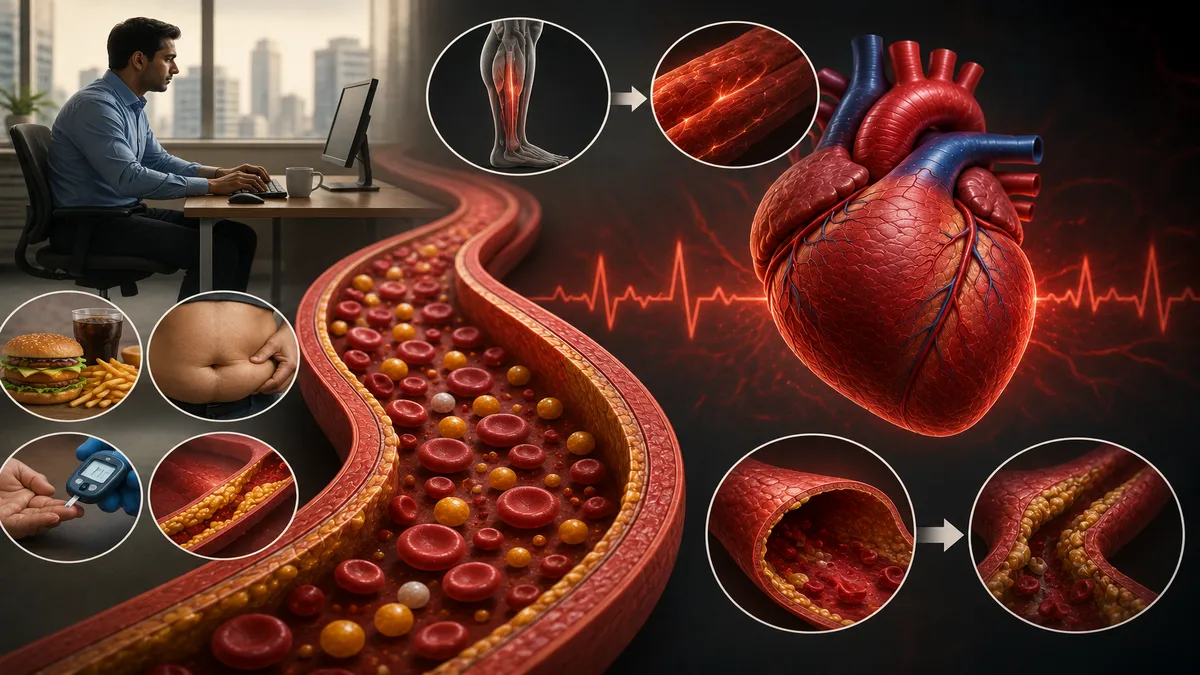
We live in an era of engineered convenience. We sit to commute. We sit to work. We sit to relax. This prolonged physical hibernation is unnatural for our physiology. When you remain completely stationary for long periods, the cardiovascular delivery network becomes incredibly sluggish. Blood sugar pools in the bloodstream. Lipids, specifically dangerous low-density lipoproteins (LDL) and triglycerides, begin to build up. Because the skeletal muscles aren't moving, they aren't demanding fuel. The energy has nowhere to go. It sits idle in the vessels.
This stagnation has an effect over time, which stiffens the delivery pipes. The normal function of the endothelial cells is adversely affected. The blood vessels develop a loss of elasticity inside. As the pipes get smaller and harder, your heart has to pump a lot harder only to push blood through the system. It's a traffic jam in the biological system. The central pump is struggling to do its job in a clogged network.
The Bypass Mechanism: Rescuing Blood Sugar
Exercise physically flips the biological switch. The moment you transition from sitting in a desk chair to taking a brisk walk, your leg muscles demand fuel. They need glucose. They need it immediately.
In most cases, cells cannot get the glucose out of the blood without the help of a hormone called insulin. The more sedentary you are, the more and more insulin you need to do the same. This causes the cells to become insulin resistant. The sugar is trapped in the blood. Its effect is like tiny pieces of glass tearing the inner wall of the blood vessels and causing the heart to work harder to "push through" the fluid, which is more like thick, syrupy blood.
Physical activity provides a brilliant biological bypass. The sheer mechanical act of muscle contraction allows your muscle cells to pull glucose directly out of the bloodstream, completely bypassing the need for insulin. It is an immediate, profound relief for an overworked pancreas. Your blood sugar levels drop safely and naturally. The cardiovascular fluid thins out. The heart instantly has an easier time maintaining circulation.
Scouring the Pipes: The Lipid Shift
Then there is the cholesterol equation. We often think of cholesterol as a purely dietary issue. You eat less fried food. Your cholesterol drops. But physical activity plays a massive role in how your body handles the lipids that are already circulating inside you.
Aerobic exercise promotes the formation of HDL (good) cholesterol. This is the 'good' cholesterol. It's like a biological vacuum cleaner. The HDL particles are in the bloodstream, physically rubbing the walls of the arteries. They remove the harmful LDL, which deposits plaque, and return it to the liver. The liver would then work to remove the LDL and get rid of it.
You are literally sweeping the pipes clean from the inside out. A heart pumping blood through clean, flexible arteries operates under a fraction of the stress.
Doctor’s Note
While increasing daily physical activity is one of the most effective ways to optimise metabolic and cardiovascular health, transitioning too quickly into intense exercise can strain an unconditioned heart. If you have been largely sedentary, are over the age of 40, or have underlying risk factors like high blood pressure, diabetes, or a family history of heart disease, it is vital to seek medical clearance before starting a new fitness regimen. Additionally, always stop exercising immediately and seek urgent medical evaluation if you experience red-flag symptoms such as chest pain or pressure, dizziness, lightheadedness, unexpected shortness of breath, or irregular heart palpitations.
The Ayurvedic Perspective
Modern cardiology relies on advanced blood panels to map these changes in glucose and lipids. Interestingly, ancient holistic systems arrived at incredibly similar conclusions long before microscopic analysis existed. Ayurveda has long championed the inextricable link between a resilient heart and robust digestion.
In the Ayurvedic tradition, your entire metabolic process is governed by Agni, the digestive fire. When physical stagnation sets in, Agni naturally weakens. This sluggishness leads to the accumulation of Ama. Ama is described as a toxic, sticky metabolic residue that builds up when food and experiences are improperly processed. It eventually clogs the bodily channels (srotas), significantly affecting the cardiovascular network.
The human body does not allow this vicious accumulation to occur with regular, conscious exercise and movement in the Ayurvedic lifestyle. It does not automatically mean that it requires you to run around to the point of exhaustion. Rather, it is about Vyayama (activity) and doing some exercise simply to the point of a light perspiration or slight difficulty in breathing on a daily basis. This is a certain degree of activity to kindle the internal fire. It melts the blocked Ama and unclogs the channels. This allows for the unobstructed, smooth flow of Prana (vital energy) and blood. Incorporating warming spices like ginger and black pepper, alongside this daily gentle movement, creates an internal environment that actively supports both a roaring metabolic fire and effortless cardiovascular flow.
Building Better Power Plants
You do not have to be an elite athlete to trigger these massive metabolic shifts. In fact, medical science is highly encouraging for the average person. Consistency vastly outweighs extreme intensity.
Exercise scientists frequently highlight the benefits of "Zone 2" cardio. This is a pace where your heart rate is elevated, and you are breathing slightly heavier, but you can still comfortably hold a conversation. A brisk evening walk. A light session on a stationary bike. Even rigorous yard work.
Sitting all day sends signals to your cells that they are meant to be moving. The cells start to decay in their mitochondria when you're sitting all day. They drop these cell power plants since they simply don't require them to power a body that is sitting on a couch. When you start to make regular CV movement, your body reads the message of the added energy requirement. It reacts by inducing mitochondrial biogenesis. Your muscles actually physically change to make them more efficient machines.
Spending just 150 minutes a week in this zone creates profound cellular adaptations. With a higher density of mitochondria, your body becomes incredibly efficient at utilizing oxygen and burning fat for fuel. More importantly, it becomes better at burning fat even when you are completely at rest. You upgrade the baseline metabolic engine.
The Structural Upgrade
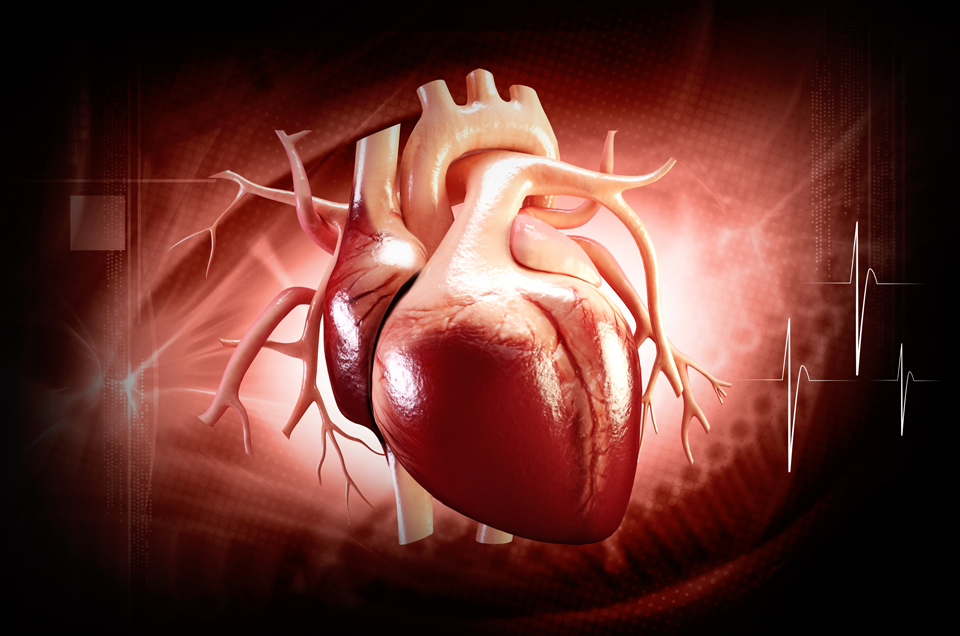
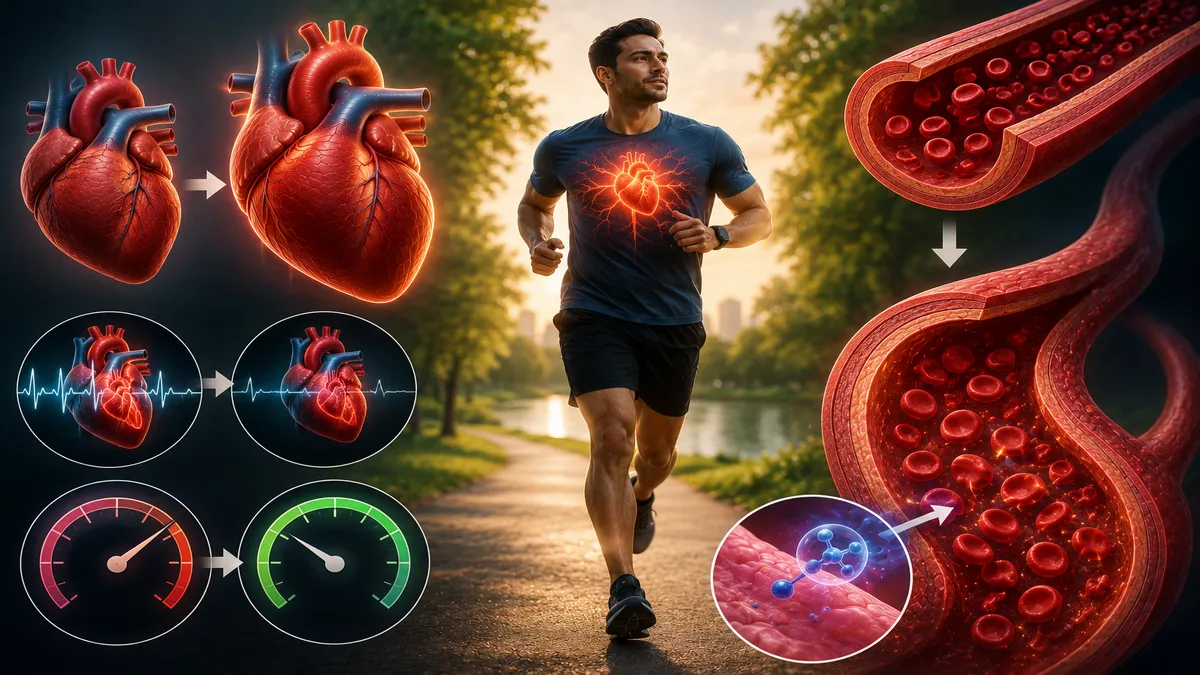
When your metabolism is shifting, the physical structure of the heart gets a parallel upgrade. The left ventricle is the main pumping chamber of the heart. With regular and moderate exercise, the muscle walls of the left ventricle become slightly larger and also stronger.
This structural adaptation is known as physiological hypertrophy. Unlike the dangerous enlargement of the heart caused by high blood pressure, which stiffens the muscle, exercise-induced hypertrophy makes the muscle more pliable and robust. This means each individual heartbeat pushes a larger volume of blood out into the body. Because the heart is moving more blood per pump, it doesn't have to beat as often. Your resting heart rate drops. The engine idles at a much lower, more efficient RPM.
At the same time, the amount of blood flow during exercise causes nitric oxide to be released into the blood vessels. NO is a potent vasodilator. It relaxes and dilates the blood vessels. This returns the youthful elasticity of your arteries, and significantly reduces your overall blood pressure over time.
The Bottom Line
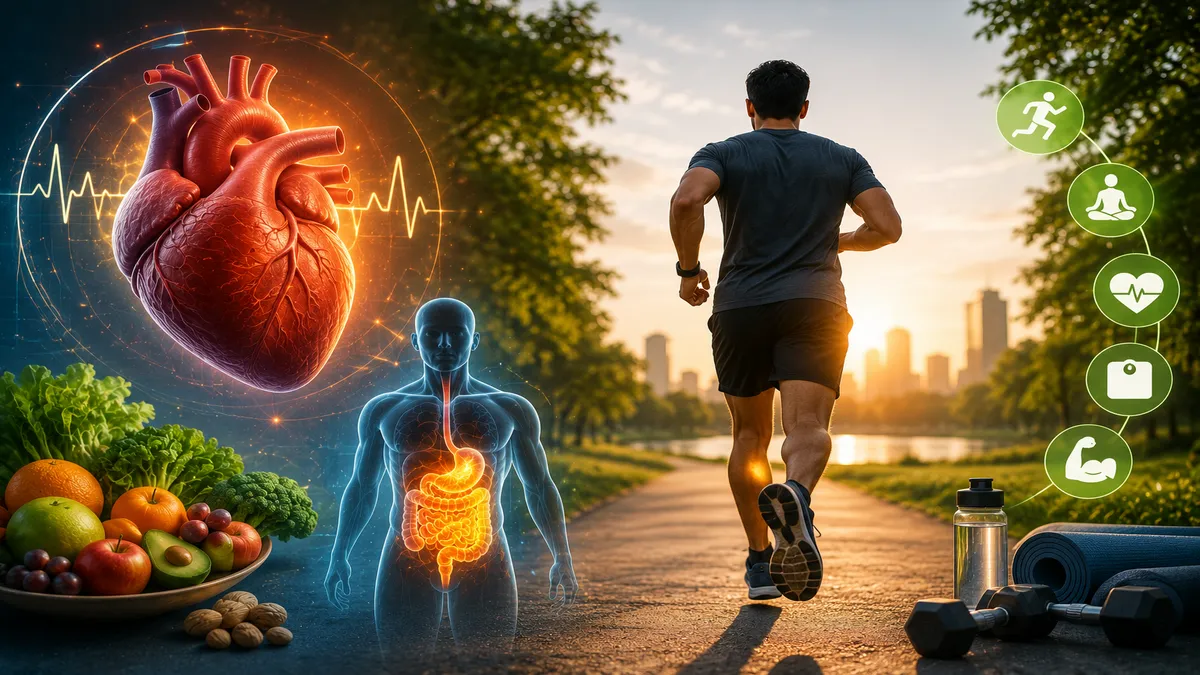
Your heart is not an isolated mechanical pump. It is the central hub of a vast, highly reactive metabolic network. When you sit in a chair all day, the network slowly rusts. The sugar pools. The cholesterol clings to the arterial walls. The pressure builds.
When you move, you run clean, highly oxygenated energy through the system. You clear the debris. You strengthen the walls. You don't need to run a half-marathon before dawn to see the benefits. You just need to break the cycle of absolute stillness. Walk the dog. Take the stairs instead of the elevator. Carry the heavy groceries. Make your muscles demand fuel. Your heart will thank you for the effort.
References:
Human cardiac metabolism - PubMed
Human cardiac metabolism - ScienceDirect
Metabolism: A Direct Link Between Cardiac Structure and Function - PMC