
Successful Treatments
Clinics
Doctors
Ayurvedic Treatment for Eczema
 Published on 15 Oct, 2026
 Updated on 15 Oct, 2026

Eczema is a common skin condition that can cause itching, redness, and irritation, affecting daily comfort and confidence. The condition occurs due to a mix of genetic, environmental, and internal imbalances in the body.
Jiva Ayurveda provides natural ways to manage eczema by restoring balance, soothing the skin, and supporting overall skin health. With the right knowledge, lifestyle changes, and personalised Ayurvedic care, eczema can be managed effectively, helping you achieve healthier and calmer skin.
What is Eczema?
Eczema is a chronic skin condition that causes dry, itchy, red, and inflamed patches. Triggers include genetics, environment, and internal imbalances. Ayurveda manages it naturally through herbal treatments, lifestyle changes, and therapies to restore healthy skin.
What Are The Common Causes of Eczema?
Eczema can happen for several reasons, often a combination of genetics, environment, and internal imbalance.
- Family History: If there is a family history of eczema, the chances of developing it increase.
- Environmental Triggers: Soaps, detergents, some fabrics, allergens, and irritants can trigger an eczema flare-up.
- Internal Imbalance: In Ayurvedic terms, an internal imbalance of the body's doshas, namely Vata, Pitta, and Kapha, may cause eczema due to the compromised health and immunity of the skin.
- Stress and Emotional Causes: High levels of stress or emotional arousal can trigger an eczema flare-up or worsen existing eczema.
- Dietary Causes: Some foods, like dairy products, gluten, or processed foods, can trigger eczema in some people.
- Climate and Weather: Dry, cold, or humid weather can irritate the skin and cause eczema.
What Are The Common Types of Eczema
While there are several types of eczema, the most common ones people usually experience are:
- Atopic Dermatitis: It is often linked to allergies or family history. It leads to dry, itchy, red, and inflamed skin, usually found on the hands, face, neck, or behind the knees. Flare-ups can be triggered by stress, weather, or other factors.
- Contact Dermatitis: Develops when the skin comes into contact with a triggering agent, such as soap, detergent, certain fabrics, or chemicals. The area turns red, itchy, and may have small blisters.
- Seborrheic Dermatitis: Affects areas rich in oil, such as the scalp, face, and chest. It leads to redness, flaking, and dandruff, and can be triggered by stress or weather changes.
- Dyshidrotic Eczema: Characterised by small, itchy blisters on the hands and feet. It can be caused by stress, allergies, or exposure to moisture for a prolonged period of time, and scratching the area can make it worse.
- Nummular Eczema: Also known as "coin eczema," it is characterised by coin-sized, red, and itchy patches on the skin, usually found on the arms and legs. Dry skin or pre-existing skin damage is a common trigger, and if left untreated, it can persist for several weeks.
Symptoms of Eczema
Eczema can show up in many ways, depending on the type and severity. Common symptoms include:
- Dry, scaly skin that may feel rough or flaky.
- Red, inflamed patches that can be itchy and uncomfortable.
- Blisters or bumps that may ooze or crust over.
- Thickened, leathery skin from constant scratching.
- Cracked or bleeding skin in severe cases.
- Itching and irritation that worsen at night or with certain triggers.
How Is Eczema Diagnosed?
The diagnosis of Eczema generally involves a study of symptoms and medical history, along with a physical checkup to identify the condition and its potential causes.
- Medical History: The doctor inquires about symptoms such as itching, redness, dryness, and whether there is a family history of allergies and Eczema.
- Physical Examination: The physical condition of the skin is checked for symptoms such as a rash, inflammation, dryness, and thickening.
- Allergy Tests: In some cases, tests are performed to identify the causes that trigger Eczema. The causes can be food, dust, and skincare products.
- Patch Testing: Patch testing is performed to check for potential causes, such as contact allergies, that trigger Eczema.
Risks and Complications of Eczema
If Eczema is not properly managed, it may lead to several complications that affect both skin health and overall comfort.
- Skin infections: The scratching can lead to an increased possibility of infections since the skin is broken.
- Thickened skin: The continuous irritation and scratching can make the affected part thick and rough, and sometimes dark in colour.
- Sleep complications: The intense scratching at night can affect sleep and, hence, affect daily activities.
- Scarring: The intense scratching can lead to scarring and damage to the affected part.
- Emotional stress: Eczema can affect one’s confidence and lead to emotional stress.
Eczema Symptoms
Dry, scaly skin
Red, inflamed patches
Blisters or bumps
Thickened leathery skin
Cracked or bleeding skin
How Ayurveda Understands Eczema?
According to Ayurveda, eczema is not just a skin problem but a sign of an imbalance of the body’s internal functions, such as poor digestion, toxin buildup, and stress. It is seen as a result of a body imbalance, three doshas - Vata, Pitta, and Kapha.
- Vata imbalance can cause dryness, roughness, and itching of the skin.
- Pitta imbalance leads to redness, inflammation, and burning of the skin.
- Kapha imbalance can cause thick, sticky, or oily patches of skin that are slow to heal.
Jiva Ayurveda’s Approach to Treat Eczema
Jiva Ayurveda follows a holistic treatment approach to managing Eczema based on the ancient wisdom of Ayurveda combined with modern medical sciences. The main idea behind Jiva’s AyuniqueTM Treatment approach is to treat the root cause of your symptoms, ensuring healthy skin and overall well-being.
Core Components of Jiva’s Ayunique™ Treatment Protocol
1. Personalised Ayurvedic Medicines: Ayurvedic medicines are tailored to the individual’s body type (dosha) and the intensity of eczema.
- Herbal medicines: A combination of herbs like Neem, Triphala, Manjistha, Aloe Vera, and Turmeric helps to reduce inflammation, fight infection, purify the blood, and maintain healthy skin.
- Balancing dosha: Each medicine aims to balance Vata (dryness, itching), Pitta (redness, burning), and Kapha (thick, oily skin) doshas, addressing the root cause of eczema instead of just relieving symptoms.
- Internal cleansing: These medicines work from the inside out, boosting the immune system and preventing future breakouts.
2. Dietary and Lifestyle Changes: A healthy diet and lifestyle help in the effective management of eczema triggers and skin maintenance.
- Avoid triggers: Avoid using harsh soaps, detergents, certain fabrics, and allergens that trigger eczema.
- Stress management: Stress is a trigger for eczema flare-ups; hence, techniques like yoga, meditation, and breathing exercises help to calm the mind and reduce skin inflammation.
- Healthy diet: Eating plenty of fresh fruits, vegetables, whole grains, nuts, and seeds helps to repair the skin, boost the immune system, and regulate the body's energy.
- Hydration: Drinking sufficient amounts of water helps to keep the skin hydrated and promotes body detoxification.
3. Ayurvedic Therapies: These therapies focus on body purification and skin healing.
- Panchakarma therapies: Mild body purification techniques help to eliminate excess toxins in the body, improve blood circulation, and restore balance to the doshas.
- Specialised skin massages: Herbal oils and skin massage techniques help to nourish the skin, reduce inflammation, and increase blood flow to the skin to facilitate healing.
- Stress relief benefits: These therapies also help to relieve stress and increase overall vitality, which helps to control flare-ups effectively.
4. External Therapies: External Ayurvedic treatments provide direct relief to irritated and dry skin.
- Herbal lotions and creams: Provide relief from irritation, itching, and inflammation.
- Balm and oils: Moisturise, protect, and heal the skin barrier to prevent cracking and bleeding.
- Daily application: Regular use of these treatments helps to provide long-term hydration, reduce flare-ups, and increase the effectiveness of internal medicines and therapies.
Ayurvedic Medicines For Eczema
Jiva Ayurveda provides natural remedies for eczema using HACCP-certified herbal products that help in balancing the body and promoting skin health. The ancient herbs work by reducing inflammation, purifying the body, and balancing the doshas (Vata, Pitta, and Kapha) that affect the skin.
The following are the Ayurvedic herbs used to treat eczema:
- Triphala: It is a combination of three herbs. It helps in improving digestion, cleansing the body, and providing healthy skin.
- Neem: It is well-known for its strong anti-inflammatory and antimicrobial properties. It helps in reducing inflammation, fighting infections, and calming irritated skin.
- Manjistha: This herb helps in cleansing the blood, reducing toxins, and providing healthy skin.
- Aloe Vera: This is a healing herb that helps in moisturising, calming, and healing damaged skin.
- Turmeric: This herb is an antioxidant and anti-inflammatory agent. It helps in reducing inflammation, irritation, and redness of eczema skin.
These herbs should always be taken under the guidance of a qualified professional, as the right choice and dosage depend on your individual body type and medical condition.
How We Assess Eczema Patients at Jiva Ayurveda
At Jiva Ayurveda, our doctors begin with an assessment to identify various factors that may lead to eczema. It includes:
- Current symptoms on the skin, such as itchy sensations, redness, dryness, rashes, or inflamed patches of skin
- Medical history and any treatments that were given to cure eczema
- Diet and lifestyle practices that may lead to itchy sensations or irritation on the skin
- Stress level, sleeping patterns, and digestive health all these factors play an important role in curing eczema
- Presence of any other health problems or medication currently being taken
By doing so, our doctors create an Ayurvedic plan to cure eczema.
Our Step-by-Step Care Process
At Jiva Ayurveda, every treatment process is conducted in a structured and organised manner to provide you with a completely personalised and efficient experience of Ayurvedic treatment.
1. Share Contact Details: After submitting your details, you can also connect with us directly at 0129 4264323 to begin the consultation process.
2. Appointment Confirmation: At Jiva Ayurveda, an appointment is fixed with our experienced and trained Ayurvedic doctors. You can also choose the medium of consultation that suits you best.
- Clinic: Jiva Ayurveda has over 80 clinics located in multiple cities, allowing you to visit our nearest clinic and get a face-to-face consultation and treatment.
- Video Consultation (Rs. 49): If you are not able to find a Jiva Ayurveda clinic in your city, you can still take an online consultation with a doctor, available at a discounted price of Rs. 49 (regular price Rs. 299). Simply call us on 0129 4264323 and get in touch with our experienced and skilled Ayurvedic doctors from the comfort of your home.
3. Detailed Diagnosis: Our experienced and skilled doctors consult with you and try to understand your problem and symptoms to identify the main cause of the problem.
4. Root Cause-Based Treatment Plan: According to the diagnosis, a treatment plan is prepared, and a completely personalised treatment is provided to you using natural and herbal medicines.
5. Follow-ups and Progress Monitoring: Regular follow-ups help track improvement and adjust treatment if needed.
Eczema Healing Timeline with Ayurvedic Care
First Few Weeks: Generally, patients tend to feel relief from itching, redness, and irritation as they start to benefit from treatment and changes in their lifestyle, which work to restore healthy skin.
1-3 Months: Patients can expect to see improvements in their skin as it becomes less inflamed, and dryness and itchy rashes tend to occur less often as they continue with Ayurvedic treatment.
3-6 Months: With regular treatment and check-ups at Jiva Ayurveda, patients can benefit from significant improvements in their skin.
What Results Can You Expect?
Our objectives for eczema care, as practised at Jiva Ayurveda, are centred around practical improvements to the quality of skin, such as:
- Less itching, redness, and irritation of the skin
- More hydrated skin, along with reduced dryness and sensitivity
- Fewer eczema flare-ups over time
- More comfort and self-confidence while going about daily activities
Patients often report the onset of relief within a few weeks, while long-term results are determined by the severity of the eczema, along with the degree of compliance with lifestyle changes.
Patient Testimonial – Amey
“I used to experience excessive sweating at night, and because of that, I developed constant itching and skin irritation. It was very uncomfortable, especially while sleeping.
After consulting for Ayurvedic care, I was given a personalised treatment plan, along with specific medicines, a herbal bathing soap, and some dietary changes. Gradually, the sweating reduced, and the itching also improved a lot. I now feel much more comfortable, and my sleep has become better.”
Estimated Cost of Eczema Treatment at Jiva Ayurveda
Understanding the financial investment required for your health is important. At Jiva Ayurveda, we ensure transparency in our service costs so patients seeking care for eczema can choose the most suitable option for their medical needs.
Treatment Cost
For patients seeking standard ongoing care for eczema management, the monthly cost of medicines and consultation typically ranges from Rs. 3,000 to Rs. 3,500.
Please note that this is an estimated baseline. The final cost depends on the exact nature and severity of the patient’s condition and the personalised treatment plan recommended by the doctor.
Protocol
For a more comprehensive and structured approach to eczema care, we offer specialised package protocols. These plans are designed to address skin symptoms as well as overall lifestyle correction. The package includes:
- Medicine
- Consultation
- Mental Well-Being Sessions
- Yoga and Meditation
- Diet
- Therapy
The cost for this protocol involves a one-time payment ranging from Rs. 15,000 to Rs. 40,000, which typically covers the full 3 to 4-month duration of the treatment.
Jivagram
For patients requiring intensive and immersive Ayurvedic care, our Jivagram centres offer a holistic healing environment. Jivagram is a wellness sanctuary set in a peaceful, eco-friendly environment and provides:
- Authentic Panchakarma therapies
- Sattvic meals
- Modern healing services
- Comfortable accommodation
- Many quality-of-life facilities
An immersive wellness stay at Jivagram costs around Rs. 1 lakh for a 7-day duration, ensuring continuous personalised care to help reset the body and mind.
Why Patients Trust Jiva Ayurveda
Our methodology at Jiva Ayurveda is centred around personalised and root cause-based Ayurvedic treatment that is specifically focused on catering to the health and wellness needs of individual patients.
- Root Cause-Based Treatment: Instead of treating the symptoms, our treatment methods are focused on treating and curing the disease or health condition itself.
- Customised Treatment Plans: Our doctors provide a customised treatment plan to each patient based on their individual prakriti (body constitution) and various factors like lifestyle, diet, and environment.
- Protocol-Based Analysis: We provide treatment that is based on a well-defined and tested protocol of Ayurvedic medicine that is a result of extensive research and clinical expertise.
- Authentic Ayurvedic Medicines: We provide authentic and genuine Ayurvedic medicines that are prepared in a facility that is certified and follows strict quality parameters to ensure the safety and effectiveness of our medicines.
- 8000+ Patient Consultations Every Single Day: We provide treatment to over 8,000 patients daily, and our doctors are experienced in treating a wide range of health and wellness concerns of our patients.
- 90%+ Patients Show Significant Improvement: Out of every 10 patients, 9 patients show significant improvements in their health and wellness after following our treatment and advice of Ayurvedic medicine and lifestyle.
- 88% Reduction in Dependence on Other Medicines: Out of every 10 patients, 9 patients show significant reductions in their dependency on allopathic medicines while continuing to seek treatment and advice from our doctors and practitioners of Ayurvedic medicine.
Modern Medical vs Ayurvedic Approach for Eczema
| Aspect | Modern Medical Approach | Ayurvedic Approach |
| Main Focus | Focuses on controlling symptoms like itching, redness, and inflammation. | Focuses on addressing the root causes, such as digestive imbalance, toxins, and lifestyle factors. |
| Treatment Methods | Includes steroid creams, moisturisers, antihistamines, and sometimes light therapy. | Uses herbal medicines, detox therapies, diet regulation, and lifestyle changes. |
| Working Approach | Provides quick relief from itching and skin inflammation. | Works gradually to balance body systems and support long-term skin health. |
| Duration of Relief | Symptoms may return if treatment is stopped. | Aims to reduce recurrence by improving internal balance and immunity. |
| Overall View | Mainly symptom-based treatment. | Holistic approach considering physical, mental, and lifestyle factors. |
When to Consult a Doctor for Eczema
You should consult a doctor if you notice any of the following symptoms:
- Persistent itching, redness, or skin irritation that does not improve
- Dry, cracked, or bleeding skin
- Signs of skin infection, such as swelling, pus, or increased pain
- Eczema spreading to new areas of the body
- Severe itching that affects sleep or daily activities
- Symptoms that do not improve with home care or basic skincare products
Conclusion
Eczema can be a long-term skin condition, but with proper care and timely treatment, symptoms can be managed effectively. Identifying triggers, maintaining good skincare habits, and following the right treatment plan can help improve skin health and overall comfort.
If you are experiencing eczema symptoms or any other health concerns, you can consult certified doctors at Jiva Ayurveda for personalised treatment and proper guidance. Call today: 0129-4264323.
FAQs
Eczema is noted to be caused by genetic, environmental, and internal bodily factors.
Eczema may not be critical but may cause discomfort and affect your lifestyle.
Eczema is manageable if you identify the triggers, moisturise your skin properly, and seek professional care if the condition persists.
Ayurvedic treatment is holistic. So during an authnetic ayurvedic treatment, both internal and external factors are addressed as they may trigger this problem.
Your doctor must be consulted before taking Ayurvedic medicines with prescription medications.
Ayurvedic treatments for Eczema are relatively safe for kids when prescribed by a certified Ayurveda doctor.
Are safe as long as the proper healthcare provider is involved; in this case, a pregnancy-friendly doctor should be consulted before any Ayurvedic medication use.
Generally, Ayurvedic medicines can be safely used in combination with prescription drugs. However, we suggest you consult a doctor first.
For Eczema, the dosage and frequency of taking Ayurvedic medicines would vary from patient to patient and also depends on the type of formulation.
You can create a skin-friendly environment by using gentle, hypoallergenic products, avoiding harsh chemicals, and keeping your skin well moisturised regularly.
- Avoid irritation.
- Manage stress.
- Eat well.
- Sleep well.
If your Eczema is severe and impacting your quality of life drastically, then it is advised that you seek adequate professional intervention from a certified Ayurveda expert.
Eczema itself does not have a permanent cure but using a combination of ayurvedic medicines and therapies, it can be well controlled.
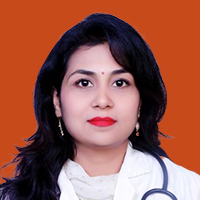
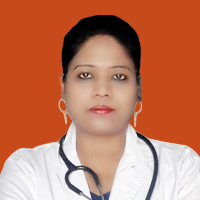
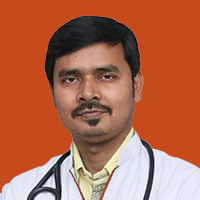
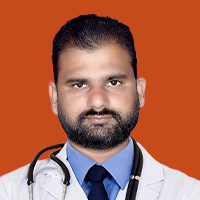
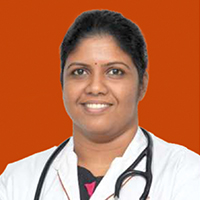
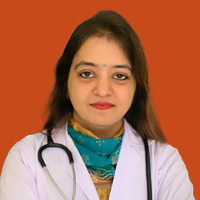
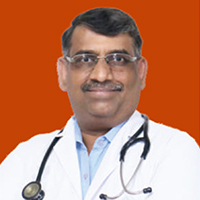
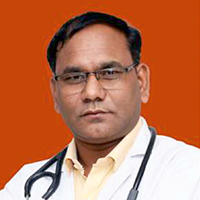
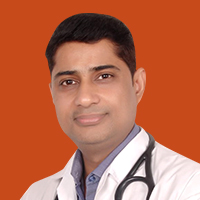
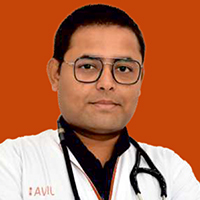
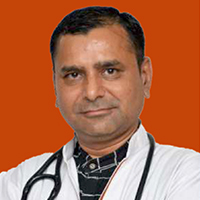
Consult Experienced Ayurveda Doctors for Eczema






Our Happy Patients
-
 Sunita Malik - Knee Pain
 -
 Abhishek Mal - Diabetes
 -
 Vidit Aggarwal - Psoriasis
 -
 Shanti - Sleeping Disorder
 -
 Ranjana - Arthritis
 -
 Jyoti - Migraine
 -
 Renu Lamba - Diabetes
 -
 Kamla Singh - Bulging Disc
 -
 Rajesh Kumar - Psoriasis
 -
 Dhruv Dutta - Diabetes
 -
 Atharva - Respiratory Disease
 -
 Amey - Skin Problem
 -
 Asha - Joint Problem
 -
 Sanjeeta - Joint Pain
 -
 A B Mukherjee - Acidity
 -
 Deepak Sharma - Lower Back Pain
 -
 Vyjayanti - Pcod
 -
 Sunil Singh - Thyroid
 -
 Sarla Gupta - Post Surgery Challenges
 -
 Syed Masood Ahmed - Osteoarthritis & Bp
Blogs
- Best Home Remedies for Eczema
- What is vulvar eczema? What are its symptoms, treatment and prevention?
- Home Remedies For Eczema On Hands
- Eczema & Its Root Cause Treatment With Ayurveda
- Ayurvedic Remedies To Manage Eczema
- 5 Ayurvedic Secrets for Healthy & Shiny Hair
- स्किन पर खुजली और रैश? Eczema का रामबाण इलाज आयुर्वेद से करें!
- 10 minute Cool Compresses for Quick Eczema
- Foods to Eat (and Avoid) When You Have Eczema
- एक्जिमा (Eczema) का आयुर्वेदिक इलाज – खुजली और जलन से राहत के प्राकृतिक उपाय
Home Remedies
- रूखे और बेजान बालों का आयुर्वेदिक इलाज और मुफ़्त परामर्श
- पिगमेंटेशन का इलाज - घरेलू नुस्खे और मुफ़्त परामर्श
- फंगल इंफेक्शन का इलाज - घरेलू नुस्खे और मुफ़्त परामर्श
- चेहरे की टैनिंग हटाने के घरेलू उपाय - मुफ़्त परामर्श
- Scalp की खुजली का आयुर्वेदिक इलाज - मुफ़्त परामर्श
- क्या आपकी त्वचा बेजान हो गई है? ये आयुर्वेदिक नुस्खे देंगे नैचुरल ग्लो
- झड़ते बालों से परेशान? ये आयुर्वेदिक नुस्खे देंगे घने और मजबूत बाल
- पिंपल्स से छुटकारा पाना मुश्किल लग रहा है? आज़माएं ये असरदार घरेलू नुस्खे!
- क्या आप जानते हैं? इन देसी नुस्खों से डार्क सर्कल्स गायब हो सकते हैं
- डैंड्रफ का जड़ से इलाज – घर पर आजमाएं ये आसान नुस्खे
- Home Remedies for Open Pores
- Home Remedies for Glowing Skin
- Home Remedies For Itchy Scalp
- Home Remedies for Hair Fall
- Home Remedies for Dry Hair
- Home Remedies for Black Spots on Face
- Home Remedies for Hair Loss
- Home Remedies for Pigmentation
- Home Remedies for Face Tan
- Home Remedies for Fungal Infections
- Home Remedies for Dandruff
- Home Remedies for Pimples
- Home Remedies for Dark Circles
Related Disease
- Ayurvedic Treatment for Vitiligo
- Ayurvedic Treatment for Urticaria Hives
- Ayurvedic Treatment for Hair loss and Regrowth
- Ayurvedic Treatment for Dust Allergy
- Ayurvedic Treatment For Dandruff
- Ayurvedic Treatment for ringworm
- Ayurvedic Treatment for Eczema
- Ayurvedic Treatment for Psoriasis
- Ayurvedic Treatment for Acanthosis Nigricans
- Ayurvedic Treatment for Alopecia Areata
- Ayurvedic Treatment for Chicken Pox
- Ayurvedic Treatment for Folliculitis
- Ayurvedic Treatment for Athlete’s Foot
- Ayurvedic Treatment for Pityriasis Rosea
- Ayurvedic Treatment for Pemphigus Vulgaris
- Ayurvedic Treatment for Phlebitis
- Ayurvedic Treatment for Angioedema
- Get Ayurvedic Treatment For Impetigo
- Lichen Planus Treatment in Ayurveda
- Ayurvedic Treatment for Carbuncle
- Ayurvedic Treatment for Cellulitis
- Ayurvedic Treatment for Shingles
- Ayurvedic Treatment for Seborrheic Dermatitis
- Ayurvedic Treatment for Atopic Dermatitis
- Ayurvedic Treatment for Dermatitis
- Get Ayurvedic Treatment for Lipoma
- Ayurvedic Treatment for Keloids
- Ayurvedic Treatment For Xanthelasma
- Ayurvedic Treatment for Scabis
- Ayurvedic Treatment For Warts
- Ayurvedic Treatment For Dark Circles
- Ayurvedic Treatment For Hyperpigmentation
- Ayurvedic Treatment for Glowing Skin
- Ayurvedic Treatment For Fungal Infection
- Get Ayurvedic Treatment for Rosacea
- Get Ayurvedic Treatment for Contact Dermatitis
- Ayurvedic Treatment for Acne
- Ayurvedic Treatment for Leprosy
Latest Blogs
- पीरियड्स से पहले Salty Food की Craving क्यों बढ़ सकती है?
- Can Ancient Dinacharya Be Practical For A Desk-Job Lifestyle?
- Why One ‘Perfect Breakfast’ Cannot Work For Every Body
- Mindful Eating नया Wellness Trend है या Ayurveda में यह Idea पहले से मौजूद था?
- Can Too Little Sleep Make Sugar Cravings Feel Stronger
- Seasonal Eating: Where Modern Nutrition And Ayurveda Meet
- हर चीज़ का health data track करना कब useful से obsessive बन सकता है
- Can Sleeping In An Overcooled Room Leave You Feeling Stiff In The Morning?
- Why Hair, Skin and Energy Often React to Aggressive Dieting
- बच्चों में weekend sleep timing बदलना Monday mood को कैसे प्रभावित कर सकता है
- Is Fasted Intense Exercise a Good Idea for Every Woman
- Health Tracking Every Hour: Helpful Awareness Or Another Source Of Stress?
- फोन देखते हुए चलना सिर्फ accident risk नहीं—posture और breathing पर क्या असर पड़ता है
- Bloating Before a Period: Why Lifestyle Can Change How It Feels
- बहुत जल्दी खाना खाने से पेट भरने का signal देर से क्यों मिलता है
- ‘No Added Sugar’ Doesn’t Automatically Mean Low Sugar—Here’s Why
- Online meetings के बीच zero movement दिन के अंत में stiffness क्यों बढ़ाता है?
- Screen brightness और late-night work sleep readiness को कैसे बदलते हैं
- Warm Vs Cold Foods: How To Discuss The Ayurvedic Idea Without Turning It Into A Myth
- Noise-cancelling headphones घंटों पहनना mental fatigue को कम करता है या बढ़ा सकता है?
Ayurvedic Doctor In Top Cities
- Ayurvedic Doctors in Bangalore
- Ayurvedic Doctors in Pune
- Ayurvedic Doctors in Delhi
- Ayurvedic Doctors in Hyderabad
- Ayurvedic Doctors in Indore
- Ayurvedic Doctors in Mumbai
- Ayurvedic Doctors in Lucknow
- Ayurvedic Doctors in Kolkata
- Ayurvedic Doctors in Patna
- Ayurvedic Doctors in Vadodara
- Ayurvedic Doctors in Ahmedabad
- Ayurvedic Doctors in Chandigarh
- Ayurvedic Doctors in Gurugaon
- Ayurvedic Doctors in Jaipur
- Ayurvedic Doctors in Kanpur
- Ayurvedic Doctors in Noida
- Ayurvedic Doctors in Ranchi
- Ayurvedic Doctors in Bhopal
- Ayurvedic Doctors in Ludhiana
- Ayurvedic Doctors in Dehradun