 Published on
05 Sep, 2026
Published on
05 Sep, 2026 Updated on 05 Sep, 2026
 5059
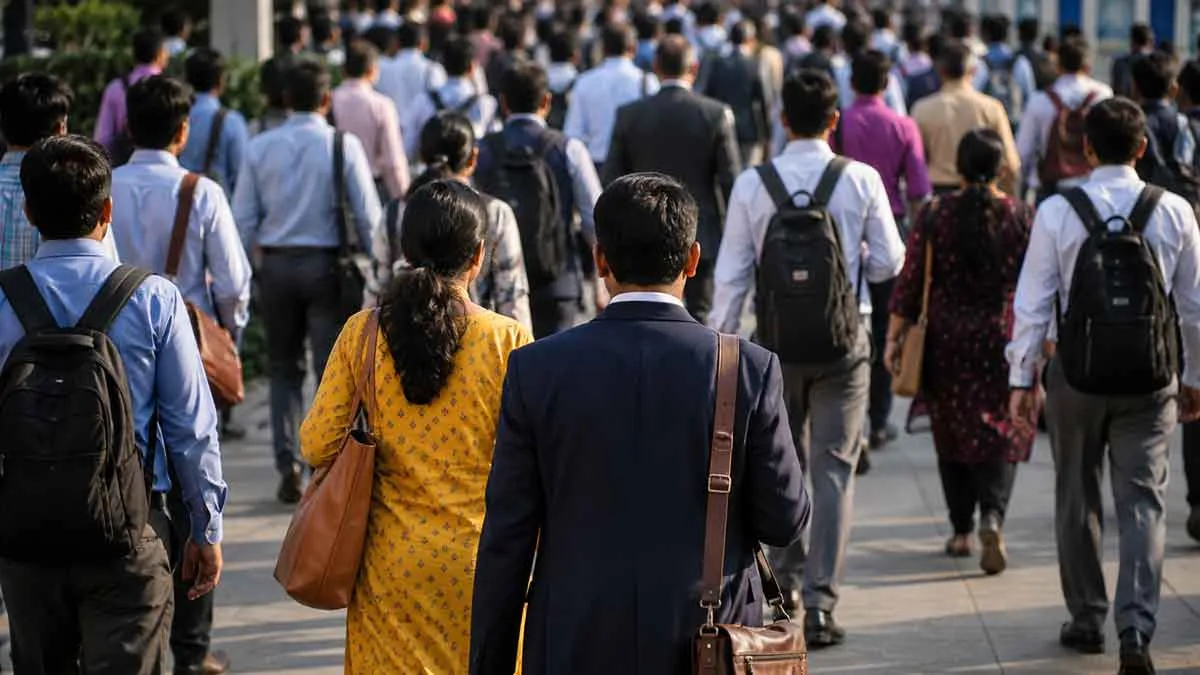
5059Living in the city barely gives us any chance to slow down our pace. From the moment we get out of bed, there is always something that keeps running around in our minds or wants attention, like office, college, traffic, finance, meetings, household responsibilities, and much more. It is very common to feel exhausted by dawn.
But something that is interesting is that most of the people living in cities feel quite tired, though they are not getting any physical movement. This is what sounds contradictory: how can someone be busy all day and still be physically inactive? The answer really lies in the difference between being mentally occupied and actually moving our bodies.
Being Busy Does Not Always Mean Being Active
A busy day does not mean always running around, but it can involve hours of sitting. You might spend your morning sitting in a car or several hours at a desk or doomscrolling while sitting on your sofa. The brain is constantly. But your body has barely moved.
Mental effort can leave you feeling equally drained even if you have not done any work physically. Answering emails, attending classes, and switching between tasks require attention and energy. By the time the day ends, doing anything else physically feels like a burden. This pattern creates a strange routine where we are constantly occupied but physically inactive.
Cities Have Made Movement More Convenient
Modern cities are designed to make everyday life easier. We use lifts or escalators instead of stairs, cars or scooters instead of walking long distances, and delivery services for our everyday use and needs that reach our doorstep.
These conveniences are useful, but they also limit many small opportunities for movement.
Think about an average day in your life where you use lifts instead of stairs, or take a cab for a short distance because you are running late, or order food or groceries to your doorstep. Now, these choices seem convenient on their own but have their own consequences. However, when it becomes part of our routine, these habits can make our movement throughout the day decrease slowly.
The core problem is not our convenience; it is actually when convenience replaces almost every opportunity to move.
Work And College Make Us Fixed To Our Seats
For many people, their day starts with being glued to their seats and ends in the same position as well. Students attend their lectures and complete their assignments by being fixed in one position for a very long time. Job officers spend most of their time in their working hours in front of the computer. Being fixed in one position doesn’t stop even after working hours, while we use our phones to relax or talk to friends through social media.
This everyday routine makes our movement null, and our body is glued to one seat for a very long time. This can make us feel that physical activity or playing sports is a chore rather than something to relax with, because of the things we tend to naturally do throughout the day, which make us feel tired.
Why Do We Feel Tired Even After Not Moving Much
One of the biggest reasons people struggle to stay active is because of the mental fatigue that they feel, which is very similar to physical tiredness.
When we spend so much time concentrating, meeting deadlines, or making decisions, we simply need to lie down and relax. The body may not have done much work, but the mind feels crashed and overloaded.
This is why saying “I was busy all day concentrating, so I must have been active all day” can be misleading. Mental tiredness and physical exhaustion are two different parameters. You can have the most stressful day and still spend most of the time sitting.
Daily Habits Have Been Changed Because of Technology
Because of technology, everyday tasks become faster, but it has changed how we move and our perspective on doing any physical activities.
We attend meetings from our homes without leaving our desks, shop from online stores, order meals without going out, and communicate without making any effort to meet them. Even entertainment has become online and screen-based.
None of these things is necessarily bad. The issue arises when the technology slowly and quietly removes any physical movement from almost every part of the routine.
Sometimes we check on our step tracker app at the end of the day, hoping that we might have taken a good amount of steps, only to know that we have barely done any movement throughout the day.
Small Movements Matter As Well
When we say to make movements, people assume that it means to crash out for an hour at the gym, but by movements, it means to make small steps or movements throughout the day for better blood circulation because small movements matter as well.
It is very easy if we actually think to make movements by completing our steps while walking around, stretching after intervals to make the body feel relaxed, or taking some steps around between the long study hours, this all can help to break a sedentary day.
These small things may seem insignificant, but they can make the day and our body more relaxed and natural.
Instead of procrastinating and saying “I need one hour to go to the gym to exercise,” you can find small movements throughout the day to exercise and find ways to take those steps in your day.
What Does Ayurveda Say?
Ayurveda emphasizes maintaining a balance between the rest that is needed and the daily routine we follow. From an Ayurvedic perspective, a hectic lifestyle with long hours of sitting and an irregular routine can disturb the body's rhythm. Simple habits like taking short movement breaks, walking regularly, and following a mindful daily routine can support digestion and overall well-being.
Conclusion
Fast-paced city life can keep us constantly busy, but being busy does not always mean being physically active. Long sitting hours and screen time can reduce our daily movement. Instead of waiting for the perfect time to exercise, making small changes throughout the day, like walking more, taking regular breaks, and choosing movement whenever possible, can help us build a healthier lifestyle.