155
155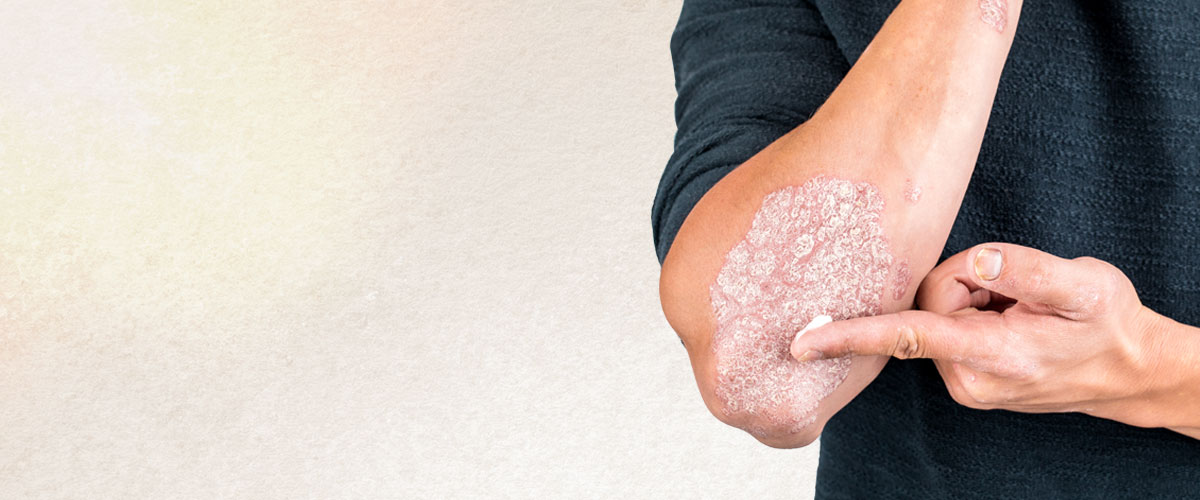
Living with constant itching, redness, and irritated skin can be frustrating. Some days it can be manageable,e but other days it feels like your skin is fighting against you. If you’ve tried creams, steroids, lotions, and still keep getting the same skin problems again and again, you’re not alone. That’s when many people begin to look past regular treatments and turn toward traditional systems like Ayurveda, where it starts focusing on the root cause instead of just treating it externally.
What Is Eczema According To Ayurveda?
In Ayurveda, eczema is understood as Vicharchika, a type of skin issue that develops when the body’s natural balance - especially the Pitta and Kapha doshas - goes off track. Instead of seeing eczema just as a rash on the surface, Ayurveda treats it like a signal that something deeper inside the body needs attention.
As your skin reflects what’s happening inside you, when digestion isn’t working well, and the body isn’t clearing waste properly, or when internal heat builds up, the negative effects start showing on the skin. That’s why Ayurvedic care doesn’t stop at creams or external relief. It also focuses on improving digestion, keeping the blood and metabolism clean, reducing stres,s and building stronger overall immunity. The goal is to treat the body from the inside so that the skin can gradually settle down on its own.
What Are The Main Causes And Symptoms Of Eczema?
Eczema doesn’t look or seem the same for everyone. For some, it shows up as dry patches, and for others, it may appear as redness, bumps, or repeated irritation. The causes and visible signs are often connected, and they tend to show up together. Everyday things like your routine, surroundings, food choices,s or personal sensitivity can act as trigger,s and your skin reacts accordingly. If you notice several of the following symptoms or patterns, eczema may be the reason behind your skin trouble:
- Family history of allergies or eczema
- Dry, rough skin that turns red or irritated quickly
- Strong itching that turns into scratching and thick patches
- Skin reactions after exposure to dust, pets or harsh soaps
- Small bumps or blisters that may ooze or form crusts
- Low immunity with burning or stinging sensations on the skin
- Red, inflamed patches on the skin
- Food sensitivities, such as dairy or processed foods
Why Does Ayurveda Look At Root Causes Instead Of Just Symptoms?
In Ayurveda, symptoms are treated like warning signals, not the real problem. They’re seen as messages from the body saying, “Something inside needs attention.” Instead of just trying to calm the flare-up quickly, the focus is on understanding what triggered it in the first place and why the skin reacted that way.
Many quick-relief treatments focus on calming the visible irritation. The redness fades. The itching settles for a while. But then, after some time, it comes back. That’s when the obvious question arises - why does it keep returning? Ayurveda starts right there. It looks beneath the surface and asks what created the right conditions for eczema to develop. The answer may include - Poor digestion, excess body heat, toxin buildup, food incompatibilities, chronic stress, weak liver function, and disturbed sleep cycles
If the main problem inside the body is not fixed, the skin trouble usually keeps coming back. Ayurveda works in a slower and more step-by-step way, but the results often last longer.
What Ayurvedic Herbs Are Commonly Used For Eczema Treatment?
Ayurveda uses certain herbs to cure irritated skin and clean the system from within. These herbs aren’t picked at random. They’re chosen because they help in cooling the excess heat in the body, to calm inflammation, and support the body’s natural cleaning process. The idea is simple - when your body is balanced on the inside, your skin has a much better chance of settling down and recovering.
- Neem- This herb is widely used when itching and infection risk are very high. It can be taken as tablets or powder for internal support. For external care, diluted neem oil or neem-based washes are often applied to affected areas to help calm irritation and redness.
- Manjistha- It is mainly used for internal cleansing and blood support. It is usually taken as a powder or capsule and is often part of Ayurvedic skin formulas.
- Turmeric- It can be taken with warm milk or water, or simply added to meals. In mild cases, a small turmeric paste mixed with aloe gel can be applied to tough patches after a patch test.
- Guduchi- This is mostly used for improving immunity and reducing repeated skin reactions. It is commonly taken as tablets, herbal juice, or decoction and is used regularly for steady results.
- Khadhira- It is traditionally recommended for long-standing skin problems. It is usually consumed as a herbal drink or included in compound Ayurvedic medicines. Sometimes it is also used in herbal skin rinses.
- Aloe Vera - Fresh aloe gel can be applied directly to irritated skin for cooling and soothing effects. Aloe juice may also be taken in small amounts internally to support digestion and reduce body heat.
Can Ayurvedic Oils And External Therapies Calm Eczema Skin?
Ayurvedic external treatments can help soothe eczema-prone skin when used correctly. In Ayurveda, oils and herbal applications are not used only to moisturize. They are chosen for their healing properties and ability to deliver herbal benefits into the skin. The goal is to reduce irritation, calm itching, and support skin repair. Different options are used based on the type and condition of the rash - whether it is dry, thick, sensitive, or oozing. Common external options include neem oil blends, coconut oil infused with cooling herbs, mahatikta ghrita (herbal ghee for skin), medicated pastes (lepa), herbal washes, and decoctions.
Does Panchakarma Help In Chronic Eczema Cases?
Panchakarma is often recommended in Ayurveda for chronic eczema. It’s important to understand that this is not a spa or relaxation therapy. It’s a structured medical detox program that aims to cleanse the body from the inside and bring the doshas back into balance. The focus is on removing built-up waste and excess heat so the body and, in turn, the skin can respond better to treatment.
The idea behind Panchakarma is simple - if toxins and internal imbalance are reduced, the skin gets fewer reasons to react again and again. That’s why it is usually suggested in chronic cases rather than very mild ones. Depending on the person’s condition, therapies may include:
- Virechana (therapeutic purgation) - A guided cleansing method that helps remove excess heat and toxins through the digestive tract. It is commonly recommended in skin disorders linked with high Pitta.
- Raktamokshana (bloodletting in select cases) - A traditional method used only when clearly needed and suitable. It is meant to reduce toxin load in the blood related to certain skin conditions.
- Medicinal enemas (Basti) - It is used to balance doshas and support detox through the colon using herbal preparations.
- Internal oleation followed by detox - The person is first given medicated ghee or oils internally for a few days to loosen toxins, followed by cleansing therapy to eliminate them.
All Panchakarma procedures are done under trained supervision with proper preparation and aftercare. When done correctly and at the right time, it may help reduce how often eczema returns and how severe each episode becomes.
How Important Is Diet In Ayurvedic Eczema Treatment?
In Ayurvedic eczema care, diet is a main pillar of treatment, not a side suggestion. Food is viewed as daily medicine because what you eat directly affects digestion, toxin buildup, and body heat, all of which are linked to skin reactions. Certain foods are believed to worsen eczema by increasing internal heat and creating metabolic waste, which may then show up through the skin. These commonly include very spicy and fried foods, heavy fermented items, excess dairy, seafood combined with milk products, sour and highly processed food,s and too much refined sugar.
At the same time, Ayurveda recommends simple, easy-to-digest meals to support healing. Warm home-cooked foods, bitter vegetables, aged grains, mung dal, light gourds like bottle gourd and ridge gourd, and mild herbal teas are often suggested because they are gentle on digestion and help keep the system balanced. Food combining rules are also emphasized. Some food pairings are considered hard to digest and may increase inflammation.
What Daily Habits Support Ayurvedic Skin Healing?
In Ayurveda, daily habits are seen as quiet medicine. What you do daily, from how you drink water to how you sleep, can either support skin healing or slow it down. The good part is that you don’t need complicated routines. Simple, repeatable habits followed every day can make a noticeable difference over time.
- Drinking warm water throughout the day
- Avoiding late-night meals
- Keeping a steady sleep schedule
- Using mild herbal soaps
- Wearing breathable fabrics
- Avoiding harsh chemical cosmetics
- Manage stress with light yoga or breathing practice
- Eat fresh, simple, home-cooked meals regularly
Conclusion
Eczema is more than just a skin story. It’s, rather, a communication within the body that just happens to be reflected onto the skin. Ayurveda approaches this communication through a different set of lenses than just the rash itself. It looks at things like digestion, stress, quality of blood, eating habits, and daily rhythms that are not functioning properly.
Is there a permanent cure? Some people may find a permanent cure, while many can find meaningful and lasting control of the disease. The critical components needed for success are patience, individualization, and consistent habits. When the inside settles down, the skin typically will stop making all the noise.
If you are suffering from eczema or any other health condition, you can consult with certified Jiva doctors for personalized treatment and proper guidance. Call today: 0129-4264323.