Published on
16 Dec, 2024
Published on
16 Dec, 2024 Updated on 25 May, 2026
 14111
14111How to Support Pancreatic Health Naturally: An Ayurvedic and Modern Perspective
Digestion and sugar; we don't usually think of the pancreas unless we're talking about a condition affecting one or the other. Yet this small, leaf-shaped organ works hard in the background to get the job done. It’s the unsung hero of the body – without its proper functioning, we'd be in a state of disarray. It’s the unsung hero of the body – without its proper functioning, we'd be in a state of disarray. Yet how many of us are aware of the importance of a healthy pancreas?
Both modern science and Ayurvedic medicine emphasise the importance of a healthy pancreas – albeit from different points of view. Combining the wisdom of both gives us a comprehensive overview of how we can support our health naturally.
Understanding the Pancreas: Modern Physiology Explained Simply
The pancreas has two vital functions: digestive support and blood sugar balancing. These two functions are essential for maintaining good health. Without these two functions, our digestive system would not work properly, and we would suffer from various diseases. Let's now go through each function individually.
1. The Pancreas's Role in Digestion
The pancreas secretes enzymes that are vital for our digestive system. These enzymes are:
- Amylase, which breaks down carbohydrates
- Lipase, which breaks down fats
- Proteases, which break down proteins
These enzymes are transported to the small intestine, where they help break down food into easily absorbed nutrients. Without these enzymes, our digestive system would not work properly, and we would suffer from various diseases.
2. The Pancreas's Role in Blood Sugar Balancing
The pancreas has many clusters of cells known as the islets of Langerhans. These cells produce hormones that help balance our blood sugar. These hormones are:
- Insulin, which lowers blood sugar
- Glucagon, which raises blood sugar
The balance between these two hormones is essential. Without it, our blood sugar would be unbalanced, and we would suffer from various diseases.
The Ayurvedic View of Pancreatic Function
Ayurveda does not describe the pancreas as a single isolated organ. Instead, it explains its function through broader concepts of metabolism and digestion.
Agni – The Digestive Fire
In Ayurveda, Agni represents the body’s digestive and metabolic power. When Agni is strong, food is digested efficiently, nutrients are absorbed properly, and tissues remain healthy. When Agni weakens (Mandagni), metabolism slows, and toxins (Ama) accumulate.
Pancreatic function aligns closely with this concept of Agni.
Pachaka Pitta and Kapha Imbalance
- Pachaka Pitta governs digestion and enzyme activity.
- Excess Kapha is associated with sluggish metabolism and insulin resistance.
- The classical condition Madhumeha resembles modern descriptions of diabetes.
Rather than treating only blood sugar levels, Ayurveda aims to restore digestive strength, eliminate toxins, and rebalance doshas.
Dietary Practices That Can Help in Pancreatic Health
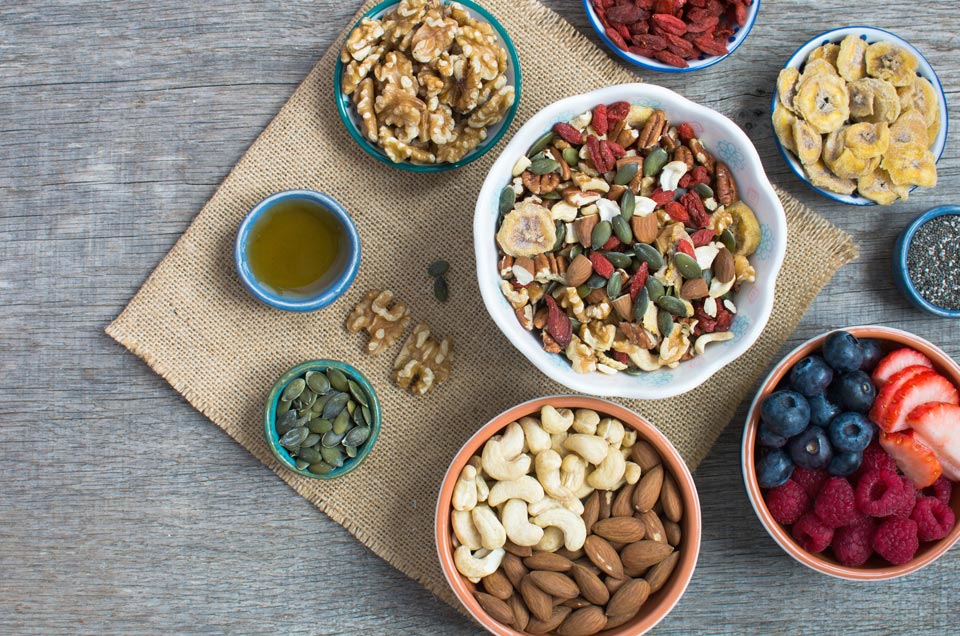
Food forms an integral part of both metabolic and digestive health. A good diet can always be beneficial in reducing the load on the pancreas and thereby enhancing health.
1. Bitter and Astringent Food Items
Bitter foods are considered extremely useful in balancing excess Kapha according to Ayurvedic medicine.
- Momordica charantia, also known as bitter gourd/karela, has been known for its benefits in glucose metabolism.
- Trigonella foenum-graecum, also known as fenugreek/methi, contains soluble fiber that slows down the absorption of sugar.
These foods can be extremely useful in reducing blood sugar levels and thereby reducing the load on the pancreas.
2. Antioxidant-Rich Food Items
It has been proven that oxidative stress can cause damage to the pancreas. Antioxidants play an important part in protecting the delicate pancreatic tissues.
- Phyllanthus emblica, also known as amla, contains rejuvenating properties.
- Berries are known for their anti-inflammatory properties.
- Turmeric contains anti-inflammatory properties.
3. Practice Digestive Discipline
The Ayurvedic focus is on how we eat, not what we eat.
- Eat warm and freshly prepared food.
- Eat in moderation.
- Eat meals at regular times.
- Avoid excessive sugar and processed foods.
These simple practices of eating and avoiding food at odd hours greatly help in reducing metabolic stress.
Ayurvedic Herbs and Rasayanas for Pancreatic Support
Herbal formulas in Ayurvedic medicine are not used in isolation. Instead, herbs are used in combination to produce a synergistic effect.
Individual Herbs Traditionally Used
- Gymnema sylvestre (Gurmar)
This herb is traditionally used for sugar cravings and is also known as the sugar destroyer.
- Tinospora cordifolia (Giloy)
Giloy is a rejuvenator and is traditionally used for balancing the immune system and metabolism.
- Syzygium cumini (Jamun)
Traditionally used for maintaining healthy blood sugar levels.
Classical Formulations
- Triphala
A blend of three fruits that supports digestion and detoxification. A healthy digestive system indirectly supports the efficiency of the pancreas.
- Chandraprabha Vati
Traditionally used to balance the urinary and metabolic systems.
- Shilajit
A mineral-rich substance that acts as a Rasayana, rejuvenating the metabolic tissues.
Lifestyle and Daily Routine for Pancreatic Health
While herbs and diet play an important role, they are just one aspect of the equation. Your body has a powerful reaction to your daily routine. Lack of sleep, midnight snacking, stress, and inactivity can have a cumulative, steady effect on the balance of your metabolism.
Both modern medicine and Ayurveda can attest to the importance of routine in the maintenance of health. A routine can help the body function more smoothly, with the balance of hormones, digestive function, and insulin sensitivity working in perfect harmony.
Here is the way to develop a daily routine that will gently support the health of the pancreas.
- Establishing a Stable Routine
- Wake up early.
- Drink warm water in the morning.
- Exercise moderately for 20-30 minutes.
- Eat your meals regularly.
- Finish your dinner early.
Yoga and Breathwork for Pancreatic Health
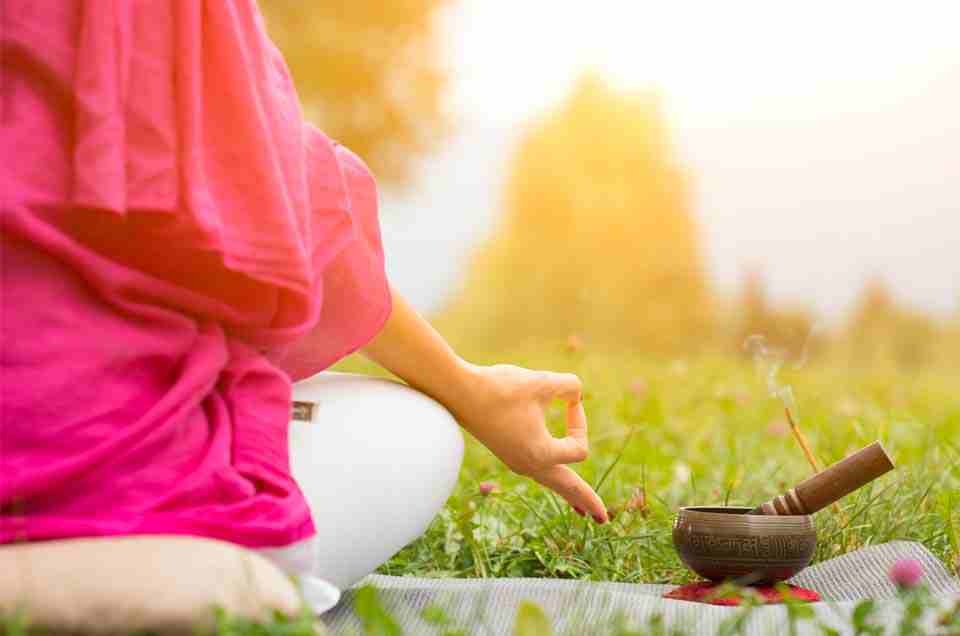
Yoga is more than stretching your muscles. It’s an exercise for your internal organs, hormone production, and nervous system, which are all beneficial for your pancreas. Twisting, stretching, or compressing your abdominal region through yoga will stimulate your pancreas, boost your circulation, and enhance your enzymes. Some of the yoga asanas that are effective for your pancreas are:
- Twisting asanas like Ardha Matsyendrasana, Half Spinal Twist, will massage your abdominal region.
- Forward bends, which will compress your abdominal region.
- Surya Namaskar, Sun Salutation, which will boost your metabolism.
Along with yoga, breathing techniques, called Pranayama, are also important for your pancreas. Breathing techniques will help you reduce your stress hormones, like cortisol, which increases your sugar level. It will also help you improve your circulation, which will, in turn, boost your pancreas. Even if you do your yoga for 15-20 minutes daily, you will be able to improve your insulin level and reduce your Kapha dosha, which is responsible for your slow metabolism.
Panchakarma Therapies: Detox and Rebalance
Ayurveda emphasizes the importance of detoxification and cleansing of the body to aid the organs. Panchakarma therapies, when carried out under expert guidance, help remove toxins (Ama) accumulated in the body and balance the doshas, which indirectly reduces the workload of the pancreas.
- Virechana (Therapeutic Purgation)
A purgation therapy that balances Pitta dosha. It helps remove accumulated metabolic toxins from the body, aids digestion, and regulates bile and pancreatic juice.
- Basti (Medicated Enema Therapy)
A therapy that balances Vata dosha. It regulates digestive patterns, metabolism, and nutrient assimilation.
- Abhyanga (Oil Massage)
A full-body massage with warm oil that stimulates circulation, calms the nervous system, and aids detoxification through the skin. It indirectly regulates digestion and metabolism.
It is strongly recommended that these therapies be performed by expert practitioners of Ayurveda, who will administer them depending upon individual Prakriti (constitution) and Vikriti (imbalance).
What Modern Research Has to Say About Pancreatic Health Herbs
Although the ancient wisdom of Ayurveda is thousands of years old, modern science is slowly but surely confirming its validity. Modern scientists are now conducting research to confirm how these ancient herbs can be used to support our pancreas and our metabolic health. Although still in its early stages, some of these herbs that have shown promise are:
Gymnema Sylvestre (Gurmar)
Also known as the sugar destroyer, gymnema sylvestre is an herb that has been researched for its potential to support our pancreas by increasing our secretion of insulin. It has been found that it may be able to curb our cravings for sugar, thereby maintaining healthy blood sugar levels.
Bitter Gourd (Karela)
Bitter gourd contains compounds that display insulin-like activity in the body. It has been found that it may be able to support our pancreas in effectively regulating our blood sugar levels.
Fenugreek (Methi)
Fenugreek seeds are known to be rich in fiber and other bioactive compounds. Clinical trials conducted with these seeds resulted in improved fasting blood glucose levels and increased insulin sensitivity.
Antioxidant-Rich Foods
Herbs and foods that are known to be antioxidants, like Amla (Indian Gooseberry) and Turmeric, may be helpful in protecting the beta cells of the pancreas from oxidative stress, which is considered to be one of the major reasons behind pancreatic dysfunction.
A Word of Caution
We must remember that these herbs and foods are merely support mechanisms that should be used along with other natural ways of managing diabetes, and not considered alternatives to medical treatment.
When to Seek Medical Advice
It is of immense importance that natural ways of managing diabetes should be used with caution. There are situations when it is best to seek advice from a qualified health expert if you observe any of the following:
- High or fluctuating blood glucose levels
- Unexpected weight loss or weight gain
- Fatigue or low energy
- Digestive discomfort or pain
- Herbs may interact with other drugs that diabetics may be taking, especially those that control diabetes.
conclusion
Supporting your pancreas is about striking a balance in your life through your food habits, Kapha-reducing, antioxidant-rich food products, herbs such as Gymnema, Bitter Gourd, Fenugreek, Amla, physical activity, yoga, stress management, and a regular regimen, as opposed to depending on a particular remedy for your pancreas. By holistically doing this and complementing it with medical advice when necessary, you ensure that your pancreas gets to perform to the best of its ability to maintain a balanced sugar level in your blood, thus reaping health rewards from your daily regimen.
FAQ’s
- Can the herbs such as Gymnema or Bitter Gourd replace my diabetes medicines?
No. These are aids and should not replace the medicines prescribed by a doctor. Always consult a doctor before changing anything in your regimen.
- How long does it take for the herbs and the lifestyle changes to show results?
The time taken is different for different people. For some people, the herbs may show immediate results in digestion and vitality, but the balancing of the blood sugar level may take longer.
- Are there any side effects of the herbs?
Yes. All the herbs are safe when taken in the prescribed dosage. However, the herbs may react with the medicines you are already taking or may cause some discomfort in the stomach when taken in excess.
- How frequently should I practice yoga and breathing for my pancreatic health?
You should practice yoga and breathing at least once a day for 15-30 minutes. Even gentle yoga and deep breathing are sufficient for the health of the pancreas.
- What is Panchakarma? Do I need it?
Panchakarma is a series of procedures in Ayurvedic medicine used for detoxification of the body.
- Can diet alone sustain the function of the pancreas?
While diet is the foundation, it should be accompanied by herbs, lifestyle habits, exercises, and stress relief. It should not be done alone.