 Published on
29 Aug, 2026
Published on
29 Aug, 2026 Updated on 29 Aug, 2026
 5060
5060When a person feels sweaty, they pull out their phone, look for the temperature reading, and often try to convince themselves that the temperature is not that high; it should all cool down in a while, but they forget to include the main culprit in their consideration: humidity.
While a higher-than-normal temperature can make things uncomfortable, when it’s combined with high humidity, the body is affected to a great extent, and the heaviness becomes the reason for irritation, frustration, and panic.
How Does Humidity Affect The Body?
High humidity means the environment already has plenty of moisture, making the air around us heavier and denser. Our body has a certain limited capacity to handle this humidity, and after a point, it struggles to keep the organs running while sweating covers the body completely. This is not a minor inconvenience; it’s a state of emergency for the body’s cooling mechanism, which constantly tries to compensate for the external chaotic environment but keeps failing.
Ayurvedic Perspective On Humidity
In Ayurveda, the issues of high humidity, body temperature, and sweating revolve around Pitta dosha and Kapha dosha. When there’s too much heat and humidity in the environment, the Pitta gets trapped in the body, which encourages a situation called Kleda, which means a damp and humid environment, related to the water element, regulated by a combination of Pitta and Kapha.
This Kleda leads to the blockage of Swedavaha Srotas (the sweat glands), causing a failure to evaporate the sweat quickly in order to cool down the body. This is exactly when the body hits panic mode, and we experience constant fluctuations in mood and energy levels throughout the day while our brain tries to find relief from the sweating.
The Consequences Of High Humidity
When we are exposed to a hot and highly humid environment for long durations, our body temporarily forgets how to relax; it goes into a state of panic, body feels too much stress.
This is not just an effect of a heatwave; it is the body’s cooling system being critically pressurised. Too much moisture in the air makes it harder for the body to sweat efficiently, as the sweat fails to evaporate because the air around is already overloaded with moisture.
When the sweat isn’t evaporating at the natural rate, the heart and other organs work harder to keep the body running under such conditions; as a result, heat exhaustion hits the individual, and the possible damage is enormous if they don’t get relief from that environment in time.
Summer Humidity And Monsoon Humidity
Humid weather is mostly observed during the summer heat and the monsoon precipitation; while the core principles of humidity and moisture remain the same, the weather shifts require a close assessment and clear distinction to be made between the handling of humidity in both these times of the year.
Summer Humidity
The humidity felt in summers is not just an excess of moisture in the environment, but it is also accompanied by a hot environment. The high heat actively evaporates the skin’s moisture, making it prone to dehydration and irritation. It also forces a portion of the sweat to evaporate rapidly, but the heat again and again pushes the body’s cooling system to malfunction. Thirst becomes evident, and the body's fluid loss of the body needs to be recovered by drinking water and electrolytes.
Monsoon Humidity
The humidity that arises in the rainy season aggressively prevents water loss, which traps the body's oils and sweat in the skin and also causes the pores to block.
During monsoons, the sheer intensity of the humidity affects the body more than the temperature by stopping the sweat from evaporating at all, causing very uncomfortable heat stress. Even the thirst isn’t as obvious as in summer, often leading to loss of electrolytes and dehydration.
Ayurvedic Ways To Manage The Heat Stress
Ayurveda talks about a variety of methods to control the impact of the high heat and humidity; some of them are as follows:
Padabhyanga
Padabhyanga is a cooling foot massage performed to reduce the heat in the body.
By using various cooling agents like coconut oil or other blends, this massage not only cools down the body but also calms the nervous system and relieves stress, promoting relaxation.
Sheetali Pranayama
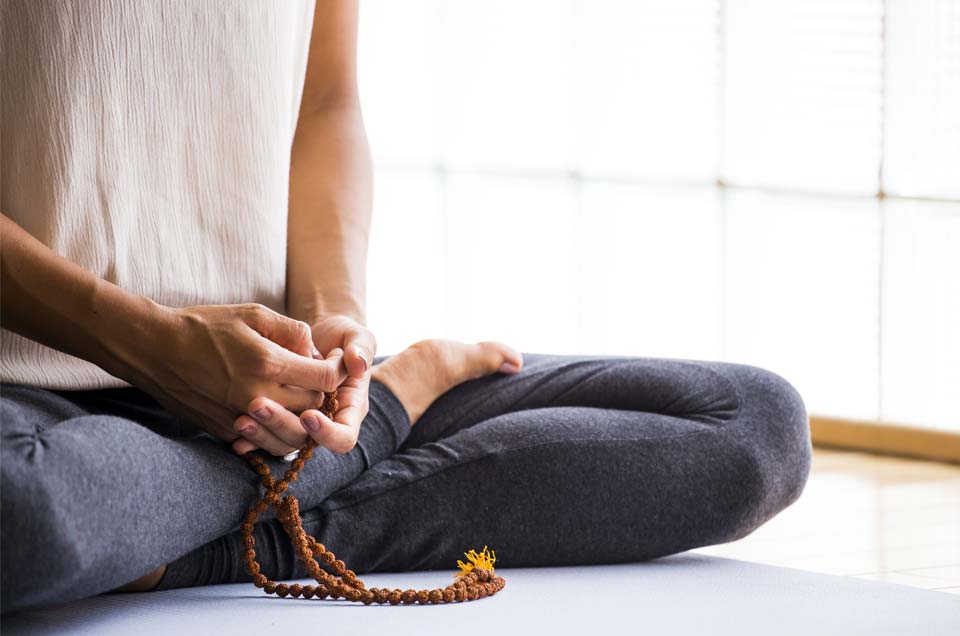
Sheetali Pranayama is the type of breathing practice where the rolled tongue is utilised for inhaling cool air into the body, which is then exhaled via the nose, cooling down the body and reducing stress. It also helps with blood pressure and stomach heat.
Balance The Swedavaha Srotas
Drinking coriander seed water an hour before going to sleep provides significant cooling in the stomach that reflects in the temperature of the body. Even a tiny improvement in sweating efficiency helps a lot in an absolutely humid environment.
Use Dry Textiles
It’s a great modification to replace the synthetic fabrics of the bedsheets with lightweight cotton or organic linen sheets. Many synthetic fabrics have a tendency to hold dampness against our skin, making the irritation worse.
Conclusion
Heat and humidity, when combined, cause much stress on the body, making us feel uncomfortable and irritated, but it is always recommended not to take temperature as the only variable when feeling heavy in a warm environment. Humidity is an important indicator of the suitability of an environment, and if possible, it should be modified to comfort the body.
When in extremely humid conditions, it is essential to stay hydrated and to keep checking for the signs and severity. If any unbearable effect of humidity is noticed, it’s best to consult a Doctor or Ayurvedic practitioner as soon as you can.
References:
Relative Humidity and Its Impact on the Immune System and Infections - PMC
Humidity’s Role in Heat-Related Health Outcomes: A Heated Debate - PMC
Sweating and sweat decline of resting men in hot humid environments - PubMed