223
223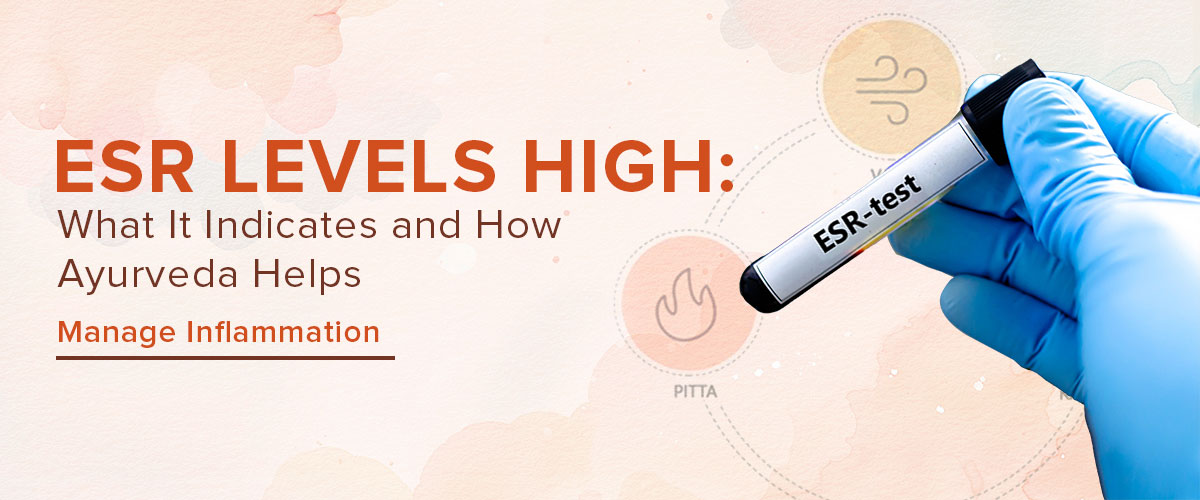
When a routine blood test report shows an ESR level higher than normal, it often raises eyebrows and anxiety in equal measure. The number looks clinical, cryptic, and a little intimidating. Yet ESR is not a disease by itself. It’s more like a signal flare, a biological hint that some inflammatory process may be active inside the body.
Understanding what ESR truly reflects and how to respond intelligently can make a significant difference. Modern diagnostics explain the marker. Ayurveda, meanwhile, offers a terrain-level approach to calming the inflammatory fire that often drives it.
What Is ESR And Why Is It Measured?
ESR or erythrocyte sedimentation rate refers to the simple blood test that measures the settling of your red blood cells at the bottom of a test tube in an hour. Usually, the settling of these cells is done slowly. When the body contains some sort of inflammation, certain proteins rise in the blood. These cause the red blood cells to stick together and settle faster. It results in increasing the ESR.
ESR is a general marker of inflammation that doctors use. It cannot tell the exact disease. Instead, it shows there may be some sort of inflammation or immune activity going on within your body. You might think of this like a smoke alarm; it tells you that something is probably wrong, but it does not show where the fire is. Often, doctors recommend an ESR test in cases of the following:
- Joint pain or stiffness
- Suspected autoimmune condition
- Long-term infections
- Unexplained tiredness
- Inflammatory diseases
What does a high ESR level indicate?
When a blood report shows that ESR is high, it usually means that inflammation in the body is more active than normal. ESR itself is not a disease. It is only an indicator that something inside the body may be causing irritation, infection, or immune activity. To understand it better, it helps to look at the common situations where ESR levels go up.
Possible associations include:
- Infections - Both acute and chronic infections can raise ESR. When there are germs such as bacteria or viruses in the body, the immune system is triggered, and it starts producing proteins that cause inflammation. This causes the red blood cells to fall to the bottom of the test tube quickly.
- Autoimmune Conditions- In this condition, the immune system mistakenly attacks the body’s own tissues. This causes constant inflammation in the body, leading to an increase in ESR.
- Chronic Inflammatory States - Some health conditions create long-term irritation and swelling inside the body. If the inflammation persists for several weeks or months, the immune system remains "switched on," and the proteins responsible for inflammation are present in higher amounts in the blood.
- Anemia - Anemia means the number of red blood cells or hemoglobin is lower than normal. When red blood cells are fewer or lighter, they settle faster in the ESR test. This can make the ESR value appear high even if inflammation is not very severe.
- Tissue Injury or Trauma - Any recent injury, surgery, or internal tissue damage can elevate ESR for the short term. When the body experiences injury, it attempts to fight it through inflammation. During this phase, ESR may rise for some time and then slowly return to normal as recovery happens.
- Age and Physiological Factors - ESR levels tend to increase slightly as the age of the person increases. The ESR levels of seniors may be slightly high even without a serious health condition. ESR can also be mildly elevated during pregnancy due to normal physiological changes in the blood.
Symptoms That May Appear Alongside High ESR
High levels of ESR tend to have no symptoms on their own. You won’t feel your ESR rising. What do you feel are the effects of the underlying inflammation that are causing the level of ESR to go up? You may experience a feeling that “something is not right” within the body. There may be deep body aches, joint stiffness after waking up, mild fever that comes and goes, or visible swelling in joints and soft tissues. You can experience tiredness that does not go away despite rest, appetite loss, or a peculiar feeling that is like having the body feel heavy.
From an Ayurvedic perspective, these patterns are common when the body is trying to clear excess levels of internal irritation, along with the buildup of metabolic wastes. In simple words, the digestive system and metabolism are not cleaning efficiently. Hence, the toxins enter the blood, which causes a feeling of internal irritation, leading to an increased level of alertness on the part of the immune system. This makes the person feel lethargic and tired, but there is no sudden, sharp illness. After the improvement of the digestive system, these complications slowly resolve.
The Ayurvedic Perspective On Inflammation
Ayurveda does not measure ESR directly, but it clearly describes the internal patterns that resemble inflammatory states. Instead of focusing only on lab numbers, Ayurveda looks at how digestion, metabolism, body heat, and blood quality are functioning together. When these systems go out of balance, inflammation-like conditions begin to develop.
In Ayurveda, high levels of inflammatory responses are usually associated with:
- Agni Imbalance - This can refer to a weakening or disturbed digestive fire that can weaken the metabolism.
- AMA Accumulation - A toxic and sticky metabolic waste product, formed due to incomplete digestion.
- Pitta Aggravation – Excess of Heat and Reactivity of Body Processes.
- Rakta dushti - Impurity or Vitiation of the blood tissue
When digestion becomes weak or irregular, nutrients are not fully processed. This leads to the production of Ama, a harmful waste product that acts like sludge in the body. It can block channels, irritate tissues, and trigger immune responses. Eventually, this sludge is circulated in the body and leads to the phenomenon now known as inflammation.
Ayurvedic Strategies To Help Manage Inflammatory Burden
Ayurvedic remedies are never one-dimensional. They are not just herbs or band-aid solutions. Instead, it works in layers - correcting digestion, clearing metabolic waste, calming aggravated doshas, and then strengthening the system. Herbs are helpful, but they are not the main pillar. The real starting point is metabolic correction. When digestion improves, inflammation often begins to settle more naturally. It can be done through -
Digestive Reset (Agni Deepana & Ama Pachana)- A digestive reset includes the strengthening of digestion with the clearing out of partially digested waste from the body. This entire process is described in two terms: Agni Deepana and Ama Pachana.
- Agni Deepana - It focuses on improving how well your body digests and absorbs food. When digestive fire is strong, food is broken down properly, nutrients are absorbed efficiently, and less toxic residue is formed.
- Ama Pachana - Ama is the sticky, harmful waste that forms when digestion is weak or irregular. This waste can circulate in the body, clog channels, irritate tissue,s and contribute to inflammation and fatigue. Ama Pachana uses diet, spices, and herbs to help the body break down and eliminate this buildup.
They can usually be improved by following these simple steps
- Dry ginger preparations - Often used in small, regular amounts as a gentle digestive stimulant, reducing feelings of heaviness and enhancing nutrient utilization. Warms the sluggish digestive system and adds movement.
- Trikatu blends - A classic combination of ginger, black pepper, and long pepper. It is known for kindling digestive fire and helping clear sticky metabolic buildup. Typically used in carefully measured doses.
- Light fasting or mono-diet protocols - Simple eating patterns for a short period, such as light, easy-to-digest foods, give the digestive system a break and allow metabolic waste to clear.
- Warm water sipping routines - Drinking frequent, small amounts of water throughout the day can greatly assist digestion, circulatory processes, and can likewise alleviate any heavy, weighed-down feelings internally.
Which Ayurvedic Herbs Help Calm Inflammation?
Several classical Ayurvedic herbs are known for helping the body manage inflammation in a gentle, supportive way. They don’t just target symptoms - they work on immunity, detox support, and tissue recovery. Here are some commonly used options explained:
- Guduchi (Tinospora cordifolia) - It is known as an immunity support herb, which helps in fighting body infection more effectively, including detox and healing processes. Long-term inflammatory conditions are also treated using this herb.
- Turmeric (Haridra) - A well-known kitchen spice with strong anti-inflammatory benefits. It supports liver function, improves digestion, and helps regulate inflammatory activity in the body.
- Shallaki (Boswellia serrata) - This herb is commonly used to treat joint pain and stiffness; it aids in relieving discomfort and improving joint mobility in patients with inflammation.
- Ashwagandha - A strengthening and stress-support herb. It helps balance an overactive immune response and is useful when inflammation is linked with long-term stress and fatigue.
- Neem - Known for its cleansing and antimicrobial properties. It is often used when inflammation is associated with toxins, skin issues, or recurrent infections.
What Should You Eat to Help Reduce Inflammation?
Food plays a bigger role than most people expect. Some foods increase internal irritation, while others help cool and stabilize the system. Choosing the right diet can quietly support inflammation control every day. It helps to prefer warm, freshly cooked meals that are easy to digest. Light grains like rice and millet, well-cooked vegetables, bitter and astringent foods, and simple herbal drinks are generally supportive. These foods reduce digestive load and help prevent toxin buildup.
At the same time, it’s wise to limit processed foods, very fermented items, deep-fried dishes, refined sugar, very heavy or cold meals, and excess alcohol. Using gentle spices like coriander, fennel, cumin, and turmeric in daily cooking can help digestion and act as natural inflammation balancers.
Which Lifestyle Habits Help Lower Inflammation?
Inflammation is not driven only by biology - daily habits matter a lot. Small routine choices can either fuel internal stress or help cool it down. Supportive lifestyle practices include:
- Regular sleep schedule - sleeping and waking at consistent times supports immune balance
- Moderate exercise - gentle movement improves circulation without adding strain
- Breathing practices and meditation - calm the nervous system and reduce stress load
- Stress management habits - breaks, relaxation, and mindful pauses during the day
- Avoiding overexertion during flare-ups - allowing the body time to recover
Final Thoughts
A high ESR is not a diagnosis on its own - rather, it is a signal that some sort of inflammation is going on within the body. The number doesn't matter, but the big picture is more important. Symptoms, medical history, and tests that support this finding do the talking. Rather than panicking over it, the correct thing to do would be to evaluate it with insight and take steady corrective measures.
If you are suffering from a high ESR level or any other health condition, you can consult with certified Jiva doctors for personalized treatment and proper guidance. Call today: 0129-4264323.