
Successful Treatments
Clinics
Doctors
Ayurvedic Medicine For Gout
 Published on 02 Dec, 2025
 Updated on 03 Dec, 2025

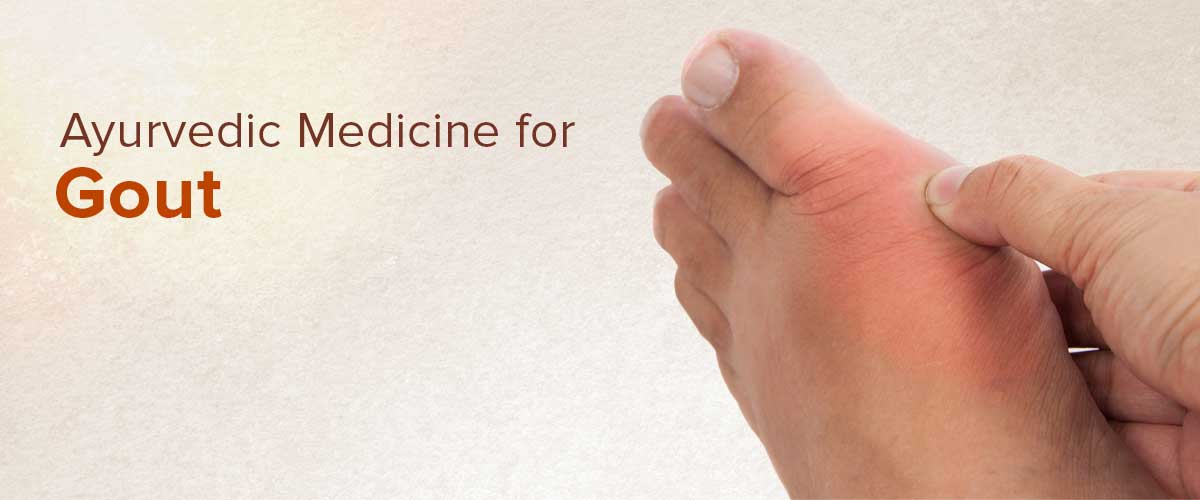
Anyone who has gone through an episode of gout will surely agree to how rapidly and intensely it can influence their daily routine activities. While one may go to sleep without experiencing any kind of problem, they can wake up having to experience extreme pain, redness, swelling, and heat in the joint area. It usually affects the big toe, while sometimes it can also affect ankles, knees, wrists, and fingers. Even the slightest touch or pressure of bed sheets can feel extremely painful.
Ayurveda provides an ancient way of dealing with gout and the related problems using herbal treatment and dietary suggestions along with changes in lifestyle, among others. In Ayurveda, symptoms of gout-like problems are always mentioned under a concept called Vatarakta, which is caused by an imbalance of Rakta Dhatu.
Herbal remedies like Guduchi, Punarnava, guggul, and triphala are traditionally taken for maintaining joint health, among others. However, there is no scientific proof regarding the effectiveness of these herbs in the case of gout patients.
Ayurvedic Medicines For Gout
Several Ayurvedic herbs are traditionally used for conditions associated with joint pain, inflammation, and metabolic health. Their suitability depends on the individual’s symptoms, kidney function, uric acid levels, and existing medications.
Guduchi (Giloy)
Guduchi is commonly known as Giloy, is one of the widely recognised herbs in Ayurveda. Traditionally, it is valued for its rejuvenating properties and is used in formulations intended to support immunity and joint health.
Guduchi contains several plant compounds that have been investigated for their antioxidant and anti-inflammatory properties. However, there is insufficient clinical evidence to establish that it lowers uric acid or prevents gout attacks.
Guggul (Commiphora Mukul)
Guggul is a traditional Ayurvedic resin used in several formulations for joint health and metabolic well-being. It is commonly associated with preparations intended to support mobility and manage inflammatory complaints.
Some compounds found in guggul have been studied for their potential anti-inflammatory effects. However, reliable evidence of its effects on gout attacks is lacking.
Triphala
Triphala is a traditional Ayurvedic formulation made using three fruits:
Amalaki, Bibhitaki, and haritaki.
It is commonly used to support digestive health and regular bowel movements. Ayurveda also values triphala for its traditional rejuvenating properties.
Haridra (Turmeric)
Haridra, commonly known as turmeric, is widely used in indian cooking and Ayurvedic medicine. It contains curcumin, a compound that has been investigated for its anti-inflammatory and antioxidant properties.
Gout Attacks involve inflammation around joints due to urate crystal deposition. Although turmeric is traditionally used for inflammatory complaints, there is insufficient evidence that it can treat gout or remove uric acid crystals.
Neem
Neem has anti-bacterial properties. Its bitter taste helps cleanse the blood (rakta shodana) and ease the burning pain associated with pitta-predominant gout; neem is the only herb for cleansing the blood.
Even if you don't have any disease and want to build immunity, you can still consume neem.
Precaution Before Taking Ayurvedic Medicines For Gout
Before starting any Ayurvedic medicine for gout, it is important to understand that high uric acid levels can be associated with kidney problems, certain medications, dietary factors, and genetic predisposition.
Keep The Following Precaution in Mind
Consult A Qualified Practitioner
Discuss your uric acid levels, kidney function, medical history, and current medicines before starting herbal treatment.
Do not Stop Prescribed Medication
Medicines such as allopurinol and febuxostat are used to lower uric acid in appropriate patients. Never discontinue them without medical guidance.
Monitor Uric Acid Levels
Regular testing helps determine whether your treatment helps determine whether your treatement is keeping uric acid within the recommended target.
Stay Adequately Hydrated
Drink sufficient water unless your doctor has advised fluid restriction due to kidney or heart disease.
Choose Quality-Tested Products
Herbal preparations may vary in purity and strength. Poor-quality products may contain harmful contaminants.
Avoid Excessive Supplements
Combining multiple herbal medicines can increase the risk of side effects and interactions.
Possible Side Effects of Self-Medicating
Taking Ayurvedic medicines without professional guidance may create additional health problems.
Kidney- Related Complications
Some herbal products may be contaminated or contain ingredients that are unsuitable for people with impaired kidney function.
Liver Injury
Certain herbal preparations, including products containing giloy, have been associated with liver-related complications.
Digestive Discomfort
Guggul. Triphala, and other concentrated preparations may cause acidity, nausea, diarrhea, or abdominal discomfort.
Medicine Interactions
Herbal products may interfere with medicines used for gout, blood pressure, diabetes, and other chronic conditions.
The Jiva Ayurveda Approach: Addressing the Root Cause
Gout does not develop in the same way in everyone. While high uric acid is central to the condition, the reasons behind elevated levels can vary. Some people produce too much uric acid, while others have difficulty removing it through their kidneys.
At Jiva Ayurveda, an Ayurvedic approach may involve assessing the person’s overall health, dietary habits, lifestyle, and medical history, and traditional Ayurvedic concepts such as prakriti and dosha balance.
In Ayurveda, Gout-like symptoms are traditionally associated with vatarakta. Vata and rakta are considered important elements in understanding the condition.
A Personalised Management plan may involve:
Knowledge of the Causes Behind Gout
The practitioner might assess dietary intake, weight, exercise, water intake, medications, and the rate at which gout attacks occur. Tests may include blood levels of uric acid and the assessment of kidney function.
Individual Herbs Prescribed
Herbs may be prescribed based on the health condition of the individual. The advantages, risks, and interactions of the herbs may be described before starting their administration.
Positive Lifestyle Changes
Exercise, proper sleep patterns, nutrition, maintaining a healthy weight, and lower alcohol intake can positively impact gout health.
Regular Monitoring
Regular uric acid testing and medical follow-up help assess whether the treatment plan is effective. For many people receiving urate-lowering therapy, the recommended serum urate target is below 6mg/dL.
When Should You See a Doctor For Gout?
While attacks of gout might occasionally resolve on their own, recurring attacks must not be taken lightly.
Consult a doctor in case of:
- Acute and sharp pain in the big toe, ankle, knee joint, or any other joint.
- Redness, swelling, warmth, and tenderness in the joint.
- Recurrent pain and inflammation in the joint.
- Painful and rigid joint with reduced range of motion.
- Lumps under the skin at the joint areas that could be tophi.
- Kidney stones or diminished functioning of the kidneys.
Note: If you have experienced sharp, hot, and swollen joints along with fever or chills, consult a doctor immediately. An infection of the joint can present similar symptoms and requires immediate treatment. Not all swollen joints are necessarily gout.
Conclusion
Ayurveda provides herbal remedies for joint problems through herbs like Guduchi, Punarnava, Guggul, Triphala, Haridra, and Shallaki. However, some of the herbs mentioned above have been researched regarding their anti-inflammatory effects; nevertheless, the scientific proof that proves the efficacy of Ayurvedic herbs on gout and uric acid reduction is rather sparse.
Gout management requires much more than the treatment of joint pain only. Maintaining uric acid levels at a normal level, adhering to the right diet, checking kidney condition, and using medications (if required) are important steps towards avoiding recurrent gout attacks and joint injuries.
In case you want to try Ayurvedic medicine for your gout problem, please consult a competent professional and tell him/her about your medical background, uric acid levels, kidney status, and the medications you take.
References
Efficacy of Ayurvedic treatment protocol in gouty arthritis - a clinical study - PubMed
Ayurvedic Approaches to Vatarakta with special reference to Gouty Arthritis: A Literary Review
FAQs
Guduchi, Punarnava, Guggul, and Triphala are traditionally used for joint and metabolic health. However, their effectiveness specifically for gout has not been established through strong clinical evidence.
There is insufficient scientific evidence that Ayurvedic medicines permanently cure gout. Long-term management focuses on controlling uric acid levels and preventing crystal formation.
Giloy is traditionally used for joint-related complaints and has been studied for anti-inflammatory properties. However, it is not a proven uric acid-lowering treatment and may cause liver injury in some people.
Turmeric contains curcumin, which has been studied for its anti-inflammatory properties. However, it has not been proven to treat gout attacks or remove urate crystals.
Yes, Ayurvedic and allopathic medicines can sometimes be taken together, but only under strict medical supervision. Combining them without a doctor's guidance can lead to dangerous drug interactions or alter how your body absorbs the medications
Adequate hydration supports kidney function and helps maintain normal urine production. However, drinking water alone cannot reliably control high uric acid levels.
Limiting organ meats, excessive red meat, certain seafood, alcohol, and sugary drinks may help reduce gout risk. Individual dietary advice should consider overall health.
Yes. Gout is associated with an increased risk of kidney stones and may occur alongside chronic kidney disease. Regular kidney function monitoring is important.
Some herbal products may interact with medicines or affect liver and kidney function. Consult your doctor before combining Ayurvedic preparations with allopurinol.
Our Happy Patients
-
 Sunita Malik - Knee Pain
-
 Abhishek Mal - Diabetes
-
 Vidit Aggarwal - Psoriasis
-
 Shanti - Sleeping Disorder
-
 Ranjana - Arthritis
-
 Jyoti - Migraine
-
 Renu Lamba - Diabetes
-
 Kamla Singh - Bulging Disc
-
 Rajesh Kumar - Psoriasis
-
 Dhruv Dutta - Diabetes
-
 Atharva - Respiratory Disease
-
 Amey - Skin Problem
-
 Asha - Joint Problem
-
 Sanjeeta - Joint Pain
-
 A B Mukherjee - Acidity
-
 Deepak Sharma - Lower Back Pain
-
 Vyjayanti - Pcod
-
 Sunil Singh - Thyroid
-
 Sarla Gupta - Post Surgery Challenges
-
 Syed Masood Ahmed - Osteoarthritis & Bp
Disease
- Ayurvedic Treatment for Obesity
- Ayurvedic Treatment for Migraine
- Ayurvedic Treatment for Heat Stroke
- Get Ayurvedic Treatment for Paralysis
- Ayurvedic Treatment for Mastitis
- Ayurvedic Treatment for Gangrene Foot
- Ayurvedic Treatment for Granuloma
- Ayurvedic Treatment for Amyloidosis
- Ayurvedic Treatment for Thrombocytopenia
- Ayurvedic Treatment for Dengue
- Ayurvedic Treatment for Measles
- Ayurvedic Treatment for Fistula in Ano
- Ayurvedic Treatment for Malaria
- Ayurvedic Treatment for Plantar Fasciitis
- Ayurvedic Treatment for Chikungunya
- Ayurvedic Treatment for Sepsis
- Ayurvedic Treatment for Addison's Disease
- Get Ayurvedic Treatment for Eye Floaters
- Ayurvedic Treatment for Eye Flu
- Ayurvedic Treatment for Herpes
- Get Ayurvedic Treatment For Teeth Cavities
- Get Ayurvedic Treatment for Tooth Pain
Latest Blogs
- Get An Effective Ayurvedic Treatment For Gastritis
- The Complete Guide to Ayurvedic Detox: Tips, Techniques, and Benefits
- Ayurvedic Hair Growth Secrets Revealed
- Tired of Dull Skin? Try These 5 Ayurvedic Hacks
- Can Ayurveda Reverse Your Diabetes?
- Accelerate Your Dengue Recovery with Ayurveda
- 5 Little Known Facts About Ayurvedic Therapies
- 5 Ayurvedic Secrets for Healthy & Shiny Hair
- Get Ayurvedic Treatment for Fatty Liver
- Get Ayurvedic Treatment for Eyes
- Get Ayurvedic Treatment for Kidney Stones
- How to get rid of a sinus headache with Ayurveda?
- How To Cure Scalp Psoriasis With Ayurveda?
- Migraine Treatment In Ayurveda
- Get Ayurvedic Treatment for Obesity
- When To Worry About Varicose Veins?
- 10 Effective Ways To Get Rid of Piles
- How To Cure PCOS and PCOD Naturally?
- Get Ayurvedic Treatment For PCOS
- Get Relief From Back Pain With Ayurvedic Treatment
Ayurvedic Doctor In Top Cities
- Ayurvedic Doctors in Bangalore
- Ayurvedic Doctors in Pune
- Ayurvedic Doctors in Delhi
- Ayurvedic Doctors in Hyderabad
- Ayurvedic Doctors in Indore
- Ayurvedic Doctors in Mumbai
- Ayurvedic Doctors in Lucknow
- Ayurvedic Doctors in Kolkata
- Ayurvedic Doctors in Patna
- Ayurvedic Doctors in Vadodara
- Ayurvedic Doctors in Ahmedabad
- Ayurvedic Doctors in Chandigarh
- Ayurvedic Doctors in Gurugaon
- Ayurvedic Doctors in Jaipur
- Ayurvedic Doctors in Kanpur
- Ayurvedic Doctors in Noida
- Ayurvedic Doctors in Ranchi
- Ayurvedic Doctors in Bhopal
- Ayurvedic Doctors in Ludhiana
- Ayurvedic Doctors in Dehradun