
Successful Treatments
Clinics
Doctors
Ayurvedic Medicine for Fatty Liver
 Published on 15 Sep, 2025
 Updated on 15 Sep, 2025

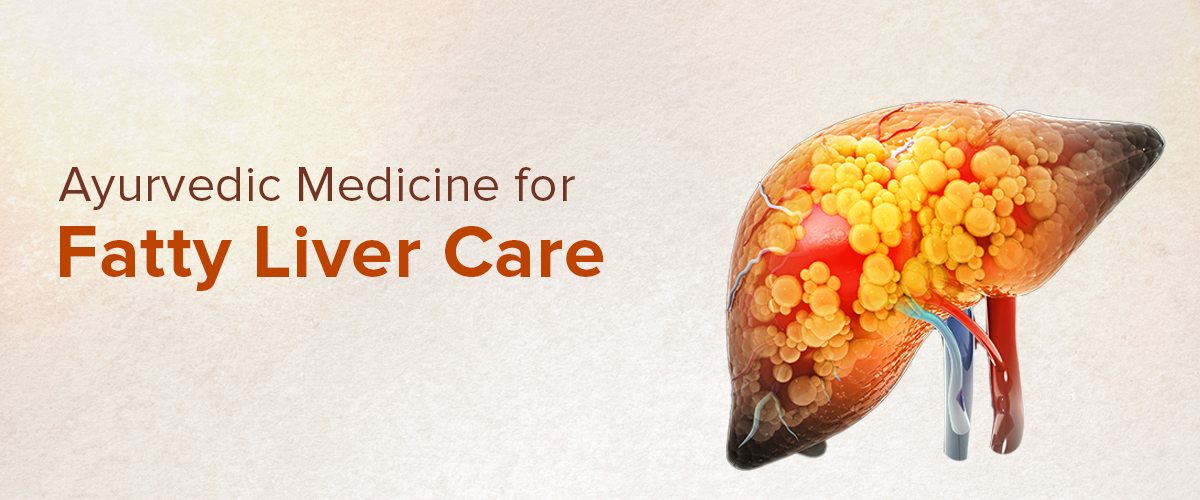
Fatty liver is a condition in which excess fat builds up in the liver cells. It often develops without noticeable symptoms, so many people discover it during a routine ultrasound or blood test. From an Ayurvedic perspective, the liver is known as Yakrit and plays an important role in metabolism. An imbalance in Pitta and Kapha dosha, along with impaired Agni (digestive fire), is considered relevant when understanding liver-related concerns.
Ayurveda focuses on assessing these imbalances and supporting overall metabolic health through suitable herbs, dietary changes, and lifestyle changes. At Jiva Ayurveda, the approach is personalised according to an individual’s health condition, medical reports, and daily routine, with appropriate medical monitoring.
Ayurvedic Medicines and Herbs For Fatty Liver
In Ayurveda, certain medicines and traditional formulations help detox the liver, reduce fat accumulation, and inflammation in fatty liver. Not every medicine is suitable for everyone, so it's important to consult a professional Ayurvedic doctor before taking any medicines.
Commonly used herbs and medicines for Fatty liver include:
Bhumi Amla (Phyllanthus Niruri)
Bhumi Amla is traditionally used in Ayurveda for liver-related concerns. It has been studied for its potential effects on liver health and metabolic markers. It helps clear toxins, reduce inflammation in the liver, and support bile flow.
Katuki (Picrorhiza Kurroa)
Kutuki is a bitter Ayurvedic herb traditionally used in some Ayurvedic formulations to support Pitta balance and digestion. It helps cleanse sluggish liver tissue and improve digestion.
Punarnava (Boerhavia Diffusa)
Punarnava is traditionally used for its diuretic properties. It helps clear excess Kapha, reduce fluid retention, and supports kidney-liver detox.
Kalmegh (Andrographis Paniculata)
Kalmegh is known for its bitter taste. It is traditionally used to support digestion and is studied for its antioxidant and anti-inflammatory properties. It cleanses the liver by reducing inflammation, and it supports immunity.
Triphala
Triphala is a traditional combination of Amalaki, Haritaki, and Bibhitaki. It is commonly used to support digestion and bowel regularity. It also helps balance all three doshas.
Your Jiva Ayurveda doctor may prescribe a personalised combination of these based on your prakriti, agni, and stage of imbalance. But you should avoid self-medication, as natural herbs may do you more harm than good if taken improperly.
Precautions Before Taking Any Herb
Ayurvedic Herbs and formulations should be used carefully, especially when you already have fatty liver or other metabolic health conditions, because not every herb is suitable for everyone, and taking supplements without guidance may affect liver health.
- Consult A Qualified Ayurvedic Doctor: Get your condition assessed before starting any herbal medicines or formulation.
- Avoid Self-Medication: Herbs like Bhumi, Amla, Kalmegh, and Kutki may interact and cause side effects.
- Check Product Quality: Choose products from reliable manufacturers that follow appropriate quality and safety measures.
- Inform Your Doctor About Existing Medicine: Some herbs may interact with diabetes medicine, cholesterol drugs, or other prescribed treatments.
- Monitor Liver Health: Follow your doctor's advice regarding liver function tests, blood sugar tests, lipid profile, and ultrasound. It may help with better treatment.
- Watch For Unusual Symptoms: Stop the suspected supplement, and seek medical advice if you develop persistent nausea, itching, or abdominal pain.
Possible Side Effects of Self-Medicating
Self-medicating with Ayurvedic herbs and medicine may seem harmless, but it can sometimes lead to severe health complications.
- Liver Injury: Certain herbs and poorly regulated herbal formulations may cause liver damage or permanent liver injury.
- Digestive Problems: Taking unsuitable herbs and excessive quantities may cause nausea and vomiting, diarrhoea, and abdominal discomfort.
- Allergic Reactions: Certain herbal preparations may trigger itching, rashes, swelling, or other allergic symptoms, especially in sensitive individuals.
- Medicine Interactions: Some herbs may interact with your ongoing medicines and affect how they work or cause side effects.
- Risk of Contamination: Poor quality or unregulated supplements may contain undeclared ingredients, heavy metals, or other contaminants that can affect liver health.
How Does Jiva Ayurveda Help Manage Fatty Liver
Managing fatty liver requires more than addressing fat and valves understanding the factors contributing to the condition, such as eating habits, body weight, blood sugar levels, and daily routine.
At Jiva Ayurveda, the approach focuses on understanding the individual's Prakriti, digestive health, lifestyle, and medical history. Based on this assessment, a personalised care plan may include suitable Ayurvedic medicines, lifestyle changes, and therapy if required. The aim is to support liver health and improve overall well-being while keeping track of the patient’s medical progress.
Jiva Ayurveda also recommends certain Panchakarma therapies that activate your channels, release trapped toxins, and restore circulation to improve your liver health. Based on your case, your Ayurvedic doctor may suggest:
Abhyanga
A warm oil is used for massage that calms your Vata, improves lymph flow, and stimulates sluggish tissues.
Basti
It is a medicated enema that clears excess ama from your colon, which often blocks liver function.
Virechana
This is a purgation therapy that cleanses excess Pitta and toxins lodged in your liver, gallbladder, and intestines.
Swedana
It is a herbal steam therapy to sweat out toxins and clear Kapha-related sluggishness.
Takradhara
It is a cooling therapy that helps calm the system if stress and Pitta overload are contributing to your liver issues.
Nasya
This is a nasal therapy that clears mental fog, supports hormonal balance, and indirectly improves your digestion and liver function.
When to See An Ayurvedic Doctor
Fatty liver often develops without noticeable symptoms. So it is best not to wait for discomfort before seeking medical advice. Ayurveda works best when you catch the imbalance early. You must consult a Jiva Ayurveda expert if:
- Your ultrasound shows fatty liver.
- Your LFT reports show elevated enzymes or early-stage NAFLD.
- You feel heavy, bloated, or low on energy for no clear reason.
- You already have diabetes, thyroid issues, high cholesterol, or obesity.’
- You are struggling with appetite loss or weight management.
- You want to avoid long-term complications like cirrhosis or insulin resistance.
- You prefer natural, non-invasive treatment over long-term medication.
Conclusion
Fatty liver may not cause noticeable symptoms in its early stages, but ignoring it can increase the risk of inflammation, liver damage, and other complications over time. Managing the condition requires attention to your eating habits, physical activity, body weight nd overall metabolic health.
Jiva Ayurveda can help suggest personalised care through suitable Ayurvedic medicines, dietary recommendations, and lifestyle modifications based on individual needs.
With timely diagnosis, regular follow-ups, and consistent lifestyle changes, you can take meaningful steps toward better liver health.
Reference
Nonalcoholic Fatty Liver Disease (NAFLD) & NASH - NIDDK
Herbal drug discovery for the treatment of nonalcoholic fatty liver disease - PMC
FAQs
Yes, especially in early stages. Ayurveda focuses on improving digestion, clearing toxins, and supporting fat metabolism. With the right herbs, diet, and therapies, fatty liver can be reversed or significantly improved.
That depends on how long you’ve had the condition and how consistent you are with the treatment. Mild cases may improve in a few weeks, while deeper imbalances may take a few months.
In most cases, yes. But this must be done under expert supervision to avoid interactions. A qualified Ayurvedic doctor will create a plan that works alongside your current treatment.
Yes. Herbs like Bhumi Amla, Katuki, and Triphala support detox and liver healing even in alcoholic fatty liver cases. But stopping alcohol is essential for any treatment to work.
The diet is usually clean, light, and easy to digest. It is not about deprivation, but about creating a healing environment for your liver. Your doctor will guide you based on your habits and needs.
Our Happy Patients
-
 Sunita Malik - Knee Pain
-
 Abhishek Mal - Diabetes
-
 Vidit Aggarwal - Psoriasis
-
 Shanti - Sleeping Disorder
-
 Ranjana - Arthritis
-
 Jyoti - Migraine
-
 Renu Lamba - Diabetes
-
 Kamla Singh - Bulging Disc
-
 Rajesh Kumar - Psoriasis
-
 Dhruv Dutta - Diabetes
-
 Atharva - Respiratory Disease
-
 Amey - Skin Problem
-
 Asha - Joint Problem
-
 Sanjeeta - Joint Pain
-
 A B Mukherjee - Acidity
-
 Deepak Sharma - Lower Back Pain
-
 Vyjayanti - Pcod
-
 Sunil Singh - Thyroid
-
 Sarla Gupta - Post Surgery Challenges
-
 Syed Masood Ahmed - Osteoarthritis & Bp
Disease
- Ayurvedic Treatment for Obesity
- Ayurvedic Treatment for Migraine
- Ayurvedic Treatment for Heat Stroke
- Get Ayurvedic Treatment for Paralysis
- Ayurvedic Treatment for Mastitis
- Ayurvedic Treatment for Gangrene Foot
- Ayurvedic Treatment for Granuloma
- Ayurvedic Treatment for Amyloidosis
- Ayurvedic Treatment for Thrombocytopenia
- Ayurvedic Treatment for Dengue
- Ayurvedic Treatment for Measles
- Ayurvedic Treatment for Fistula in Ano
- Ayurvedic Treatment for Malaria
- Ayurvedic Treatment for Plantar Fasciitis
- Ayurvedic Treatment for Chikungunya
- Ayurvedic Treatment for Sepsis
- Ayurvedic Treatment for Addison's Disease
- Get Ayurvedic Treatment for Eye Floaters
- Ayurvedic Treatment for Eye Flu
- Ayurvedic Treatment for Herpes
- Get Ayurvedic Treatment For Teeth Cavities
- Get Ayurvedic Treatment for Tooth Pain
Latest Blogs
- Get An Effective Ayurvedic Treatment For Gastritis
- The Complete Guide to Ayurvedic Detox: Tips, Techniques, and Benefits
- Ayurvedic Hair Growth Secrets Revealed
- Tired of Dull Skin? Try These 5 Ayurvedic Hacks
- Can Ayurveda Reverse Your Diabetes?
- Accelerate Your Dengue Recovery with Ayurveda
- 5 Little Known Facts About Ayurvedic Therapies
- 5 Ayurvedic Secrets for Healthy & Shiny Hair
- Get Ayurvedic Treatment for Fatty Liver
- Get Ayurvedic Treatment for Eyes
- Get Ayurvedic Treatment for Kidney Stones
- How to get rid of a sinus headache with Ayurveda?
- How To Cure Scalp Psoriasis With Ayurveda?
- Migraine Treatment In Ayurveda
- Get Ayurvedic Treatment for Obesity
- When To Worry About Varicose Veins?
- 10 Effective Ways To Get Rid of Piles
- How To Cure PCOS and PCOD Naturally?
- Get Ayurvedic Treatment For PCOS
- Get Relief From Back Pain With Ayurvedic Treatment
Ayurvedic Doctor In Top Cities
- Ayurvedic Doctors in Bangalore
- Ayurvedic Doctors in Pune
- Ayurvedic Doctors in Delhi
- Ayurvedic Doctors in Hyderabad
- Ayurvedic Doctors in Indore
- Ayurvedic Doctors in Mumbai
- Ayurvedic Doctors in Lucknow
- Ayurvedic Doctors in Kolkata
- Ayurvedic Doctors in Patna
- Ayurvedic Doctors in Vadodara
- Ayurvedic Doctors in Ahmedabad
- Ayurvedic Doctors in Chandigarh
- Ayurvedic Doctors in Gurugaon
- Ayurvedic Doctors in Jaipur
- Ayurvedic Doctors in Kanpur
- Ayurvedic Doctors in Noida
- Ayurvedic Doctors in Ranchi
- Ayurvedic Doctors in Bhopal
- Ayurvedic Doctors in Ludhiana
- Ayurvedic Doctors in Dehradun