Diabetes, arthritis, skin disorders & more! Get a free consultation with Top Ayurveda doctors - +91 9266714040 | No travel, No waiting – Consult Jiva’s doctors from home via video call! | Get up to 10% OFF! On Authentic Ayurveda Products! Best Prices only on the brand store. Visit : www.store.jiva.com
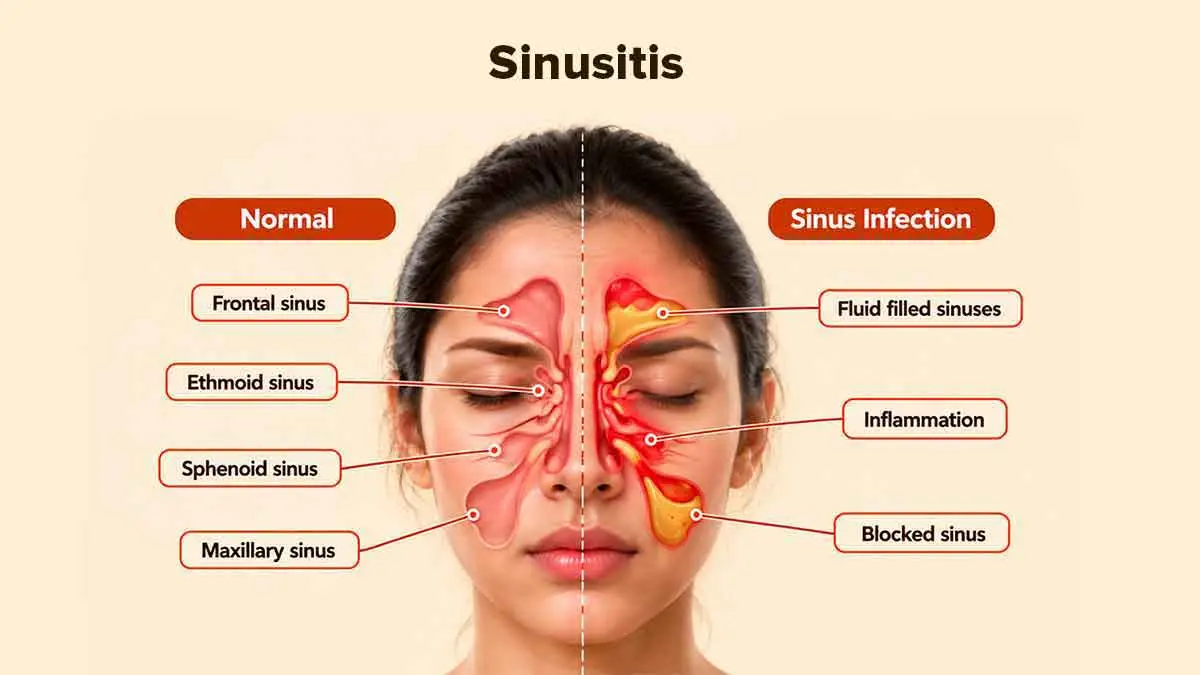
The sinusitis problem is very common and recurrent and involves painful inflammation of the facial cavities. Jiva Ayurveda offers an individual treatment plan that helps treat the root cause of this problem by ensuring proper digestion, removing metabolic blockages, and improving upper respiratory tract immunity.The sinus cavities are actually four pairs of hollow, air-filled cavities located behind your forehead, cheeks, eyes, and nasal bones.
In a healthy situation, the cavities form a thin layer of mucus that helps capture dirt, germs, and pollutants that can be easily drained via the nose. When you develop sinusitis, the membrane lining the cavity becomes swollen and inflamed. This inflammation results in the blockage of the narrow drainage passages. With time, the trapped mucus forms an ideal breeding area for bacteria, viruses, or fungi, resulting in pain, thick mucus formation, and constant heaviness in the head.
Who Can Consider Ayurvedic Treatment for Sinusitis?
At Jiva Ayurveda, doctors assess your symptoms, medical history, and daily routine before recommending personalised Ayurvedic care.
People who are experiencing nasal congestion and difficulty in breathing
If your nasal passages are swollen, blocked, or stuffed due to inflammation and congestion, affecting both of your nostrils, which makes you breathe through their mouth need Ayurvedic care. It includes a customized diet, lifestyle plan, and internal medicines and therapies that help in unblocking the nose and breathing through your nostrils instead of your mouth.
People who experience thick nasal discharge and postnasal drip
If someone has a sinus infection, then it can produce thick mucus that may look clear, yellow, or green. This mucus may come out through the nostrils or flow down to the throat, which may cause coughing, irritation, or an unpleasant taste. Ayurvedic treatment helps remove this thick mucus discharge through its internal medicines and theories and provides long-term relief.
People who experience headache and facial pressure
Sinusitis may cause facial pressure, especially around the cheeks, forehead, or behind the eyes. Some people also experience headache, which makes it more uncomfortable. Ayurveda care helps in reducing the headache and facial pressure caused by sinusitis through its diet, lifestyle modifications, herbs, and therapies.
People who experience reduced sense of smell
Nasal inflammation can interfere with airflow to the smell receptor, which reduces the ability to recognize odors. Ayurveda treatment helps in managing it with a root-cause-based treatment approach and provides internal healing for patients.
How Does Jiva Ayurveda Help in Sinusitis Management?
In Ayurveda, sinusitis is known as Pratishyaya and Peenasa. The root cause is not just localized inflammation, but a systemic imbalance of Agni (digestive fire) and the doshas, particularly Kapha and Vata. When your digestion is sluggish, the body produces Ama, which mixes with aggravated Kapha dosha (which governs mucus and lubrication) and travels upward, accumulating in the Urdhvajatru (the head and neck region).
At Jiva Ayurveda, our primary goal is to break the cycle of recurrence. We do not offer absolute "cures” or overnight fixes; instead, we provide a structured, long-term protocol to restore natural immunity and clear systemic blockages.
Understanding Your Pain and Daily Routine
Before recommending a treatment, the Jiva Ayurveda doctor will ask detailed questions to understand your specific condition:
Do you have a blocked nose or feel difficulty breathing through your nose?
Have thick yellow-green nasal discharge?
Do you experience pain in your face, mainly in the cheeks, eyes, or forehead?
Does your throat feel irritated due to postnasal drip?
What do you normally eat for breakfast, lunch, and dinner?
Are you currently taking any painkillers or anti-inflammatory tablets?
Do you have other conditions?
The doctor will also deeply assess your Prakriti (body constitution) and digestive fire (Agni). This helps create a care plan suited entirely to your health needs.
Ayurvedic Medicines Based on Your Health Condition
Ayurveda traditionally uses powerful herbs such as turmeric, tulsi, ginger, Pippali, and Triphala. However, not every herb is suitable for every patient. A Jiva Ayurveda doctor will recommend specific formulations after reviewing your condition.
These herbs have anti-inflammatory, rejuvenating, and decongestant properties that help reduce nasal congestion, sneezing, headache, and excess mucus and inflammation. These natural herbs help strengthen immunity, digestion, and support respiratory health.
An Indian Diet for Sinusitis Care
Treatment is incomplete without correcting the diet. Patients are guided to avoid and incorporate certain foods in their diet:
Avoid seafood and meats; these can easily cause allergies in the nasal passages.
Avoid spicy and hot food, as they are bad for sinusitis and also harmful to health.
Completely avoid alcohol, coffee, tea, and sugary drinks, as these drinks can irritate the throat and can cause nasal swelling.
Eat a fibre-rich diet for better immunity and metabolism.
Incorporate foods that are rich in zinc, Omega-3, and Vitamin C.
Eating more warm, easy-to-digest foods like moong dal, ginger, and garlic to keep your digestive fire strong and prevent toxic buildup.
Ensuring regular meal timings and avoiding heavy meals late at night.
The right diet depends entirely on your pain levels, body weight, and the specific type of arthritis you are managing.
Gentle Movement and Better Lifestyle Habits
Gentle movement and targeted daily habits help ease sinusitis symptoms and manage them in daily life:
Practicing gentle, non-weight-bearing exercises like swimming or specific yoga stretches to maintain joint mobility.
Avoiding high-impact activities and heavy lifting.
Keeping your body warm, especially during the winter or in air-conditioned rooms.
Applying prescribed Ayurvedic oils with gentle massage
Regular Doctor Follow-ups
Sinusitis is a serious condition that requires continuous care. Your doctor will regularly review your symptoms, diet, and overall progress during follow-up consultations. As your body changes and heals, your personalized supportive care plan will be carefully adjusted to ensure long-term relief.
Looking for personalized Ayurvedic support for Sinusitis?
Book a consultation with a Jiva Ayurveda doctor to discuss your symptoms, current medicines, and start your journey toward pain-free movement.
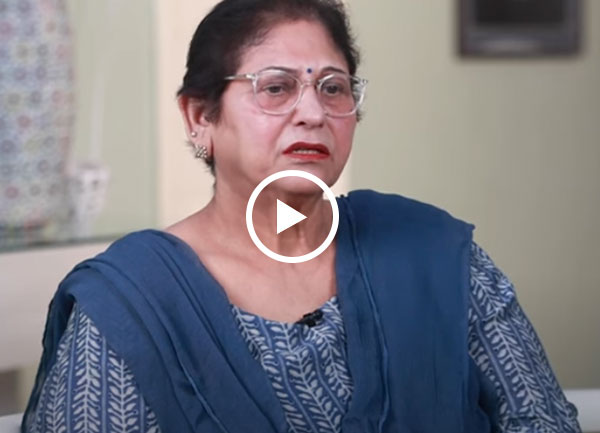
I was suffering a lot due to allergy. I had severe difficulty in breathing and was facing a lot of trouble. Even in sunlight I would sneeze. Walking and moving around had become difficult, and I was also allergic to dust.
Then I thought about Ayurvedic medicine. I saw Jiva on Facebook and visited the nearby Jiva center in Lajpat Nagar. I met Dr. Sarika Rawat, who recommended some medicines to me and told me about Nasya, which is a part of Panchakarma. I also took 7 Nasya sessions. I got a lot of relief. I am feeling much better now.
I am very grateful to Jiva Lajpat Nagar.
Thanks,
Jiva Lajpat
Ms. Raji have done my sinus treatment and now I'm feeling very well. I couldn't get relief from allopathic medicines. I had a great experience of undergoing Panchkarma process at Jiva under their guidance and supervision.
Thank you Jeeva Ayurveda
I have sinusitis problem for which I am taking Nasya therapy. Now problem is almost cure. Razi is very good and polite in therapies. Thank you Jiva ayurveda
Sinusitis Symptoms
How We Assess Sinusitis Patients at Jiva Ayurveda
At Jiva Ayurveda, the assessment focuses on identifying the root cause rather than just symptoms. The assessment includes:
Checking Your Natural Energy (Prakriti & Vikriti): Doctors check for imbalances in the internal energies Vata, Pitta, or Kapha, which can often be triggered by the wrong diet and lifestyle of a person.
Checking Your Strength (Bala): They will look at your overall strength and natural immunity to see how well your body can handle the healing process.
Reading Your Pulse (Nadi Pariksha): They might gently feel the pulse on your wrist. In Ayurveda, pulse reading acts as a roadmap showing how the energies and fluids are moving inside your body.
Checking Your Digestive Fire (Agni): The doctor will ask you about your digestion. If your digestion is weak, then it can cause Ama buildup in your body.
Reviewing Your Daily Habits: They will ask detailed questions about what you eat, when you eat, how you sleep, when you sleep, and your daily activities to find the hidden triggers causing you pain.
Ayurvedic Therapies For Sinusitis Treatment
Ayurvedic therapies focus on balancing the dosha, strengthening immunity, and eliminating the toxins from the respiratory channels. Some of the theories include:
Nasya Therapy: In this, herbal drops or medicated oil are placed in the nasal passage to soften and moisturize the channels and remove the phlegm.
Swedana: It's a steam inhalation therapy in which herbs are used to steam, which helps naturally thin sinus mucus and alleviate sinus congestion.
Panchakarma Therapies: Ayurvedic practitioners use various detoxification therapies such as Virechana and Vamana to eliminate toxins from the body.
Your Sinusitis Care Journey at Jiva Ayurveda
Step 1: Speak to a Jiva Ayurveda Doctor
Book a clinic or video consultation by calling +91 9266714040, depending on availability and your medical needs. Tell the doctor about your history, symptoms, and current treatment.
Step 2: Share Your Medical Reports
Share all the medical reports of your condition. Also share the names of the medicines you are taking.
Step 3: Get a Personalised Care Plan
Your doctor may suggest suitable Ayurvedic support, dietary changes, exercise, and lifestyle recommendations according to your health condition.
Step 4: Follow the Plan and Monitor Your Sugar
Follow the recommended routine and keep a simple record of your progress to discuss during the next consultation.
Step 5: Review Your Progress
During follow-ups, your doctor can review your reports, discuss any difficulties, and make suitable changes to your supportive care plan.
Sinusitis management is a long-term process, and regular monitoring remains important.
How Does Sinusitis Treatment Differ According to the Type?
Sinusitis is primarily classified by how long the inflammation lasts, which directly dictates the medical and Ayurvedic approach required.
Acute Sinusitis (Stage 1)
Lasts less than 4 weeks. It typically starts as a common cold or seasonal allergy (viral) and is the most common form. Symptoms usually clear up within 7 to 10 days, though some viral cases last up to 4 weeks.
Subacute Sinusitis (Stage 2)
Lasts between 4 and 12 weeks. This stage occurs when acute symptoms do not resolve quickly and often transition into a persistent bacterial infection.
Chronic Sinusitis (Stage 3)
Lasts 12 weeks or longer. Inflammation persists for months or years, often driven by underlying allergies, nasal polyps, structural issues, or persistent bacterial/fungal infections. Symptoms are typically milder than acute cases but constant.
Recurrent Acute Sinusitis (Stage 4)
Involves experiencing multiple acute sinus infections (4 or more times) within a single year.
What Improvements Can You Work Towards During Sinusitis Management?
Sinusitis treatment is not just about clearing a blocked nose for a few hours. Long-term management also focuses on helping people breathe freely and continue their daily activities without heavy head pressure.
Your individual treatment goals may include:
Clearer Breathing
Improving and maintaining steady airflow through the nose by gently clearing trapped mucus with appropriate Ayurvedic care.
Less Difficulty in Everyday Activities
Working towards greater comfort while reading, working on a screen, or bending down without feeling a sudden, throbbing weight in your face.
Managing Morning Blockages
Identifying the daily triggers of morning congestion and following suitable warm routines to wake up feeling light and fresh.
Better Sleep Quality
Reducing nighttime coughing and nasal drip so you can rest peacefully without constantly waking up to clear your throat.
Fewer Seasonal Flare-Ups
Building internal strength and avoiding cold triggers to reduce how often the heavy sinus pain returns when the weather changes.
Which Tests and Reports Should You Bring for Sinusitis Consultation?
To help your Ayurvedic doctor understand exactly what is blocking your head and causing your pain, it is always helpful to bring your previous medical records.
Old Prescriptions: Bring the physical strips or old prescriptions of any past medicines, nasal sprays, or allergy tablets you have been using. This helps the doctor know what temporarily worked and what completely failed.
X-Rays of the Face: If you have had a recent X-ray of your face and nose (PNS X-ray), bring both the black film and the printed paper report. This helps show if your sinus pockets are filled with trapped mucus or if your nose bone is slightly bent.
CT Scans: If your problem is very old and a doctor asked you to get a detailed CT scan of your sinuses, bring those large films and the final report. This shows exactly where the deep blockages are hiding.
Allergy Blood Tests: If you have done recent blood tests to check for dust, weather, or food allergies (like a CBC or IgE test), bring them along. This helps the doctor identify your exact daily triggers.
ENT Camera Reports: If a specialist has previously looked inside your nose with a small camera (nasal endoscopy), bring that specific written report so your Ayurvedic doctor can read their exact findings.
How to Manage Sinusitis in Daily Life
Small changes to everyday activities can help in managing sinusitis in daily life:
Drink Enough Water
Keep your body hydrated; optimal consumption of fluids such as water and herbal tea can help thin out the mucus and clear the sinuses.
Humidifier
A humidifier can help keep the sinuses and nasal passages moist, which helps reduce irritation and congestion.
Warm Compress
Applying a warm compress to your face helps provide relief from sinus pain and pressure, helps loosen mucus, and promotes drainage.
Inhale Steam
Inhaling steam can provide relief from sinus congestion. You can take a hot shower or use a steam inhalation device for this.
Avoid Cigarette Smoke and Pollution
Cigarette smoke and pollution can irritate the sinuses and amplify the symptoms of sinusitis.
Take enough sleep
Get enough quality sleep; it can help calm and manage the symptoms and reduce fatigue and weakness.
When To See A Doctor?
Seek urgent medical care if you see any of the below-mentioned signs:
Fever that lasts more than 3-4 days.
Severe and persistent facial pain and headache.
Symptoms that last more than 10 days.
Feel difficulty in breathing.
Blurred vision, double vision, or difficulty seeing in movies.
Estimated Cost of Treatment for Sinusitis at Jiva Ayurveda
Knowing how much your treatment will cost is important. At Jiva Ayurveda, we keep our pricing clear and upfront so you can choose the right plan for your health according to your needs.
Treatment Cost
If you are looking for regular, ongoing support, the starting cost for your medicines and doctor's consultation is usually between Rs 3000 and Rs 3500. Just keep in mind that this is just the baseline cost; the real cost may vary depending on the severity of the disease.
Protocol
For a deeper step-by-step approach, we offer specific healing packages that last for 3 to 4 months. You make a one-time payment ranging from Rs 15000 to Rs 40000 for the entire period.
The package includes:
All medicines and doctor visits
Hands-on physical therapy
Customized diet plans, Yoga and meditation therapies
Mental well-being support session
Why You Should Choose Jiva Ayurveda
Jiva Ayurveda provides customised and root-based Ayurvedic treatment that is primarily focused on providing health and wellness solutions for specific patients.
Patient-specific treatment: Jiva’s therapies and treatments are structured by professional doctors for unique prakriti, diet, and lifestyle.
Root-based Treatment: Jiva focuses on the specific root cause of the health condition or disease rather than focusing only on formal medicines; we focus on the internal problem.
Authentic Ayurvedic medicines: Jiva provides authentic Ayurvedic medicines; we follow strict quality parameters to ensure safety and effectiveness.
Protocol- based Analysis: We follow research-backed clinical methods to provide structured assistance to our patients.
Assist 8000+ patients every single day: Jiva's doctors are specialised in a wide range of Ayurvedic healthcare, and every single day we assist more than 8000 people.
Sinusitis is the inflammation or blockage of the sinus cavities, usually caused by infection, allergies, or mucus buildup. It can lead to congestion, facial pressure, and difficulty breathing.
Sinusitis may be caused by colds, allergies, pollution, weak immunity, or exposure to dust and smoke. Cold and damp environments can also trigger sinus blockage.
Common early signs include a blocked nose, facial pressure, headache, and thick nasal discharge. Some people may also feel tired or experience a mild fever.
Acute sinusitis may last for 1–2 weeks, while chronic sinusitis can continue for more than three months. The duration depends on the cause and severity.
Mild cases of sinusitis may improve with home care and rest. However, persistent or worsening symptoms may require medical attention.
Sinusitis itself is not contagious. However, infections like colds that trigger it can spread from person to person.
Yes, blocked nasal passages can make breathing difficult during sleep. This may lead to disturbed sleep or fatigue.
Staying hydrated, avoiding allergens, maintaining nasal hygiene, and supporting immunity can help reduce the risk. Managing stress and getting proper sleep also helps.
You should consult a doctor if symptoms last more than 7–10 days or worsen over time. Severe pain, swelling, or high fever also needs medical attention.
Ayurveda supports sinus health by improving immunity and balancing body energies. Natural therapies and lifestyle guidance may help reduce recurrence.
Find Jiva Ayurveda Clinics for Sinusitis Treatment Near You

 Published on 05 Dec, 2019
 Updated on 19 Nov, 2026