 Published on
17 Dec, 2024
Published on
17 Dec, 2024 Updated on 22 Aug, 2026
 9099
9099Have you ever experienced or seen someone suffering from a condition where the skin colour turns into small, discoloured patches? We’re talking about a common fungal infection of the skin that mostly affects teens and young adults: Tinea versicolor. These fungal infections may look scary and hard to treat, but that doesn’t have to be the case.
What is tinea versicolor?
Tinea versicolor, as its name implies, ‘tinea’ means a group of diseases caused by a fungus, and ‘versicolor’ means changeable in colour. This type of fungal infection is superficial and non-contagious, but it affects the appearance of an individual.
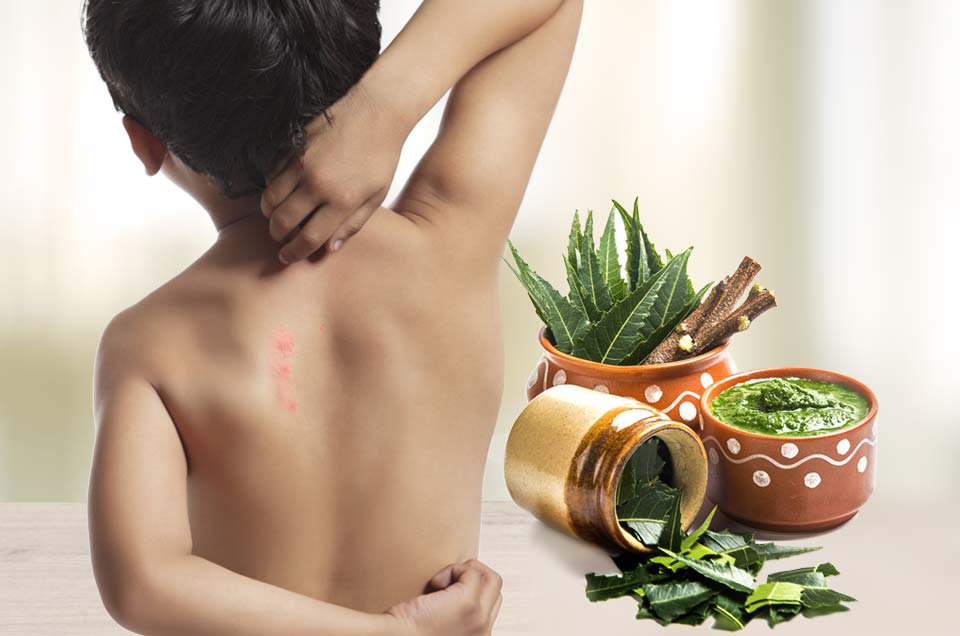
The fungus interferes with the normal pigmentation of the skin and makes lighter or darker patches, mainly affecting the trunk and shoulder area. Usually, it is treated with topical or oral antifungal medicines and creams or lotions. But it often recurs, especially in the warm, humid climate.
Ayurveda perspective of tinea versicolor
According to Ayurveda, such a fungal infection occurs due to an imbalance in kapha and vata doshas. Kapha is an Ayurvedic humor that symbolises mucus, and it is heavy, dense, cold, and sticky in nature. Vata dosha symbolises air or wind, and it is dry, subtle, cold, and mobile in nature. Kapha and Vata dosha imbalance manifests in the skin and causes the accumulation of toxins. This toxin accumulation gets into the deeper layers of the skin, affecting rasa (nutrient plasma), mansa (muscles), rakta (blood), and lasika (lymphatic tissues).
The toxin accumulation caused at such levels further aggravates kapha and vata in the body, resulting in fungal infection, tinea versicolor. Ayurveda addresses this imbalance and the root cause of the disorder, thereby providing you with safe and long-lasting results. It removes the toxins from the body and reduces the chances of recurrence of the fungal infection. To do this, Ayurveda has several tinea versicolor home remedies, which help treat the fungal infection in the initial stage, supplemented by diet and lifestyle changes that speed up the healing process. Below are a few tinea versicolor home remedies that can help you.
Tinea versicolor: Natural remedies
Ayurveda not only believes in reversing diseases but also in strengthening the system to a point where the diseases and infections fail to bring us down and dictate our lives. Some of the prime herbs Ayurveda offers for the natural treatment of Tinea Versicolor are:
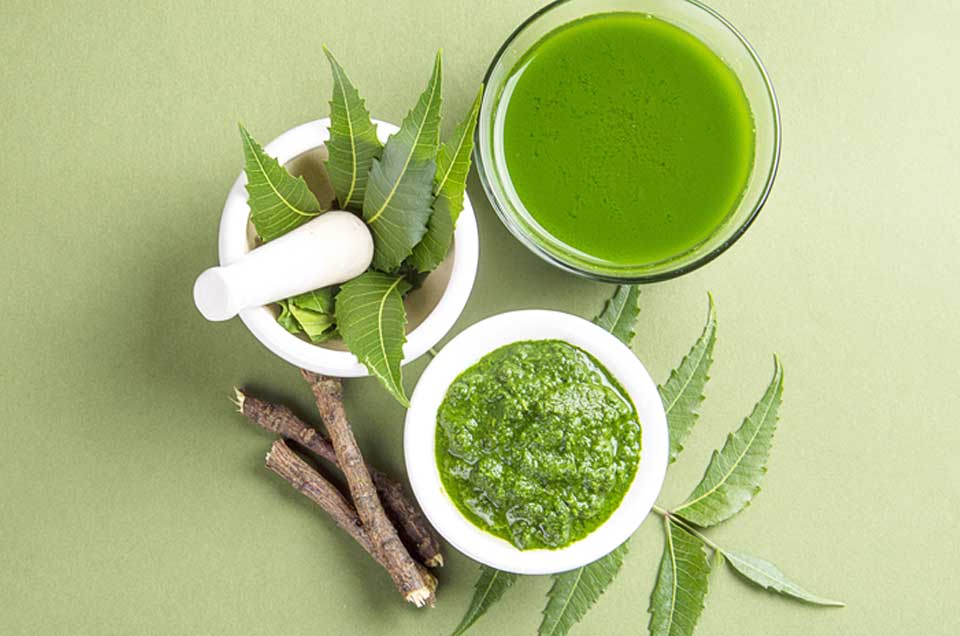
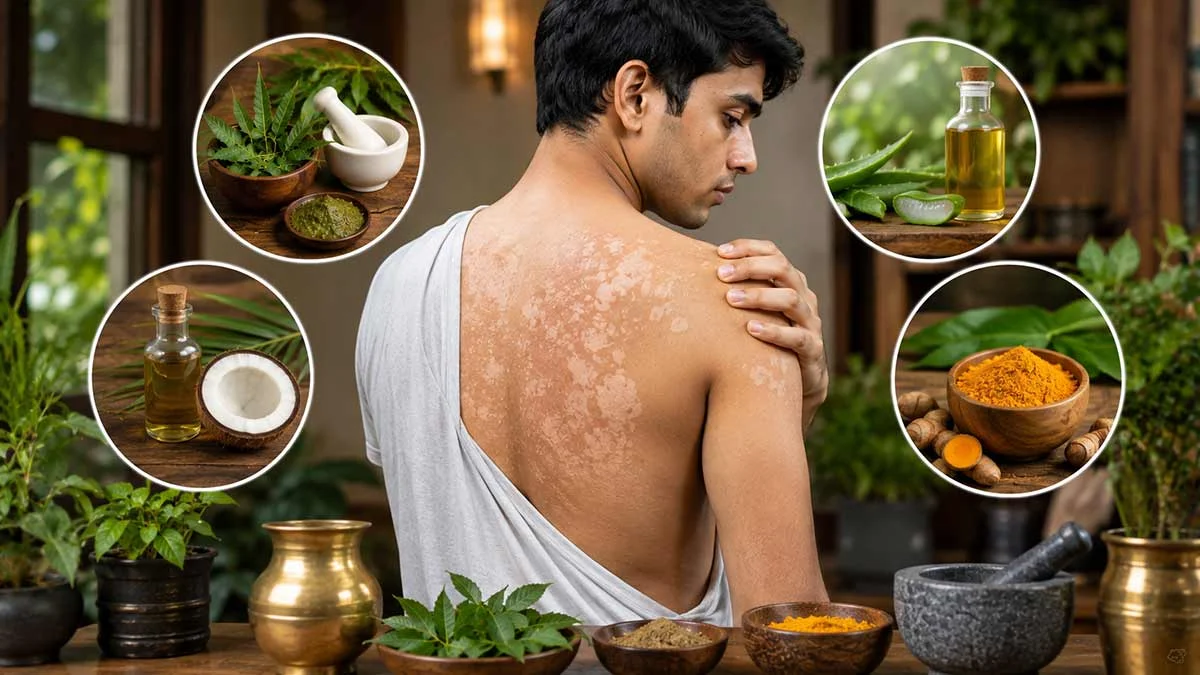
- Neem has natural antifungal and antibacterial properties. Hence, it can be used to prevent and treat the infection. You can chew neem leaves, make a paste of it and apply externally and wash the infected area with boiled neem leaf water.
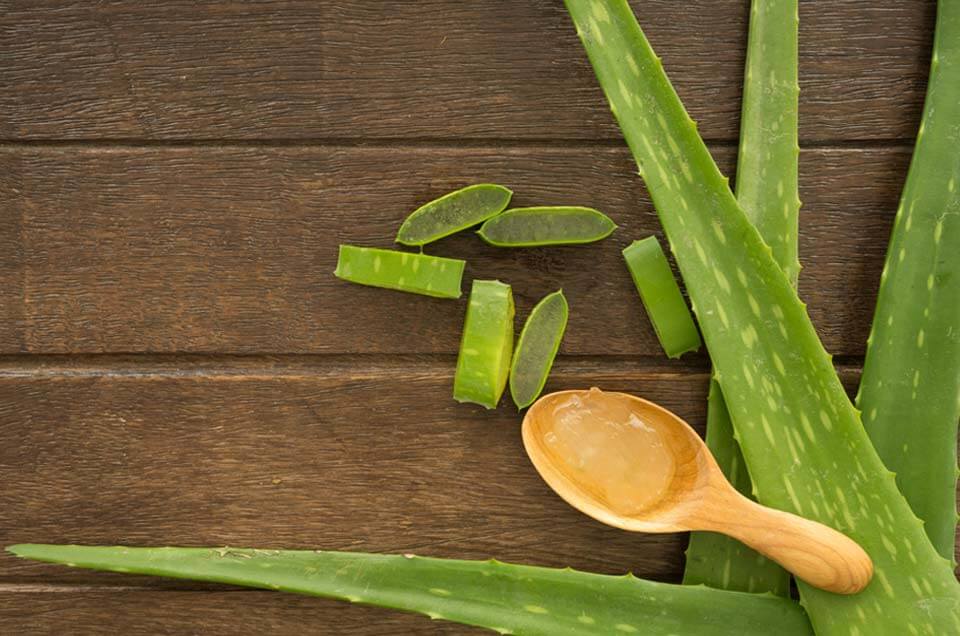
- Aloe vera is popularly known for its skin-healing properties. It soothes and reduces itching and inhibits the spread of the fungus. You can gently massage fresh aloe vera gel or pulp onto the affected area of the skin.
- Turmeric (haldi) has strong anti-inflammatory properties, which help in reducing itching and pigmentation of the skin. Therefore, you can make a paste of turmeric powder with raw milk and apply it to the affected body parts.
Conclusion
Skin diseases, especially in younger people, can lower confidence, cause isolation, and even cause anxiety. It’s not ideal to sit with a fungal condition and hope that it goes away. The right course of action is to take the steps to potentially reverse the issue in a natural way.
If you notice the discoloured patches are spreading even after trying tinea versicolor home remedies, please consult an expert Ayurvedic doctor rather than self-medicating. The doctor will suggest proper tinea versicolor treatment to you.
References:
Tinea versicolor: an updated review - PMC
Successful Ayurvedic Management of Dermatophytosis–A case study - PMC
View of A critical review on Skin Care Routine according to Ayurveda
Neem in Dermatology: Shedding Light on the Traditional Panacea - PMC