
Successful Treatments
Clinics
Doctors
Ayurvedic Treatment for Psychosis
 Published on 09 Oct, 2026
 Updated on 09 Oct, 2026

What Is Psychosis?
Psychosis is a state of mind in which the person has lost contact with reality. It can range from hallucinations, where a person sees or hears things that are not there, to delusions and false beliefs that persist even after being shown evidence to the contrary.
What Does Ayurveda Say About Psychosis?
In Ayurveda, psychosis is considered "Unmada," or disturbance of the mind. According to Ayurveda, your mental health is tied to the balance of three energies or doshas: Vata, Pitta and Kapha. When these doshas get out of balance, mental disturbances like psychosis can happen.
This balance can be restored through ayurvedic treatment using natural methods. This includes using specific herbs for their calming and mind-strengthening effects, making lifestyle changes for mental health and yoga and meditation for overall well-being.
Ayurveda approaches imbalance from the roots, rather than treating the symptoms only. Jiva’s certified Ayurvedic doctors develop customised treatment plans specific to your body’s Prakriti and lifestyle based on your mental harmony and quality of life.
So, if you're displaying symptoms of psychosis, it is time to consult a Jiva certified expert for the ayurvedic treatment of psychosis
Types of Psychosis
Psychosis can occur in a number of different ways based on what is the true cause behind it. Knowing the types of psychosis can help you understand what is happening if you or someone near you is displaying signs and symptoms.
These are the main kinds of psychosis:
1. Brief Psychotic Disorder
This type of psychosis is sudden and lasts for some days to a few weeks. It may happen after a significant stressful event like the death of a family member, accident or a major life change. You may feel confused, see or hear something that isn't there, or act differently. The good news with this kind is that most people recover fully from this condition after the stress is managed.
2. Substance-Induced Psychosis
You may experience psychotic symptoms such as hallucinations or delusions in case you take alcohol, drugs or certain medicines. Such drugs include cocaine, meth, LSD and powerful painkillers. Sometimes, psychosis also occurs when you stop using alcohol or drugs suddenly. Often, the symptoms go away after your body clears these substances but you still require Ayurvedic medical care.
3. Organic or Medical Psychosis
This happens when something goes wrong inside your brain because of some illness, injury, or infection. For example, a head injury, stroke, brain tumor, or health issues like multiple sclerosis or dementia can trigger psychosis. It's your brain telling you something is not right medically.
4. Psychosis in Mental Health Disorders
- Schizophrenia: A chronic condition where psychosis is a core symptom. You might hear voices, see things, or have beliefs that differ from the actual reality. Many people think that psychosis and schizophrenia are the same condition, but that is not the case.
- Bipolar Disorder: You might feel very powerful or very low during manic or depressive episodes and even experience hallucinations.
- Severe Depression (Psychotic Depression): You may feel hopeless and think things like "I'm getting punished" or "Everyone is against me."
Causes of Psychosis
Psychosis is not really a disease in itself but a group of symptoms that could show up for a number of reasons. are some of the common causes of psychosis:
Genetics
A family history of Psychosis or other mental health conditions can increase your risk.
Chemical Imbalance in the Brain
The chemicals that transfer the signals between the brain cells may be imbalanced, which may result in Psychosis.
Substance-Induced Psychosis
Alcohol and drug abuse may lead to Psychosis or exacerbate the symptoms
These include:
- Recreational drugs like LSD, cocaine or meth.
- High dose steroids or stimulants.
- Alcohol withdrawal, especially in people who drink heavily and then stop suddenly.
Stressful Life Events
This can include:
- Loss of a family member, loss of money or significant life changes might be triggers.
- Past trauma, if untreated, may resurface as psychotic episodes.
- Over time, high stress or anxiety may also make you lose grip over reality.
Mental Health conditions: Some psychiatric conditions are the most common cause for psychosis. If you have schizophrenia, bipolar disorders or severe depression, you may experience hallucinations or delusions.
Medical Conditions: Certain health problems that affect your brain or body can also cause psychosis. These include:
- Brain infections like encephalitis or meningitis.
- Dementia or Alzheimer's disease, particularly among the older people.
- Thyroid problems (when your thyroid is overactive or underactive).
- Vitamin deficiencies especially Vitamin B12 or B1.
- Neurological conditions like multiple sclerosis or stroke.
Injuries: A serious head injury or brain trauma can also lead to psychosis. If you have previously suffered from a concussion or brain injury, it might affect how your brain processes information.
Symptoms
Seeing or hearing things that aren't there
Hallucinations: You may see, hear, or feel things that aren't actually there. The most common type of hallucination is hearing voices that others can not hear. These voices may even talk to you, fight with you, and tell you to do things.
Unshakeable false beliefs, despite evidence to the contrary
Delusions: You might have beliefs that aren't true but you’re fully convinced they are. For example, you may think somebody is watching you or you have special abilities. These beliefs don't go away even when others try to explain the truth.
Speech or thought that is disorganised
Confused Thinking: Your thoughts might be jumbled or hard to organise. You may switch topics while conversing and people close to you may find it hard to follow what you're saying.
Difficulty concentrating or completing actions/activities
Withdrawal from Others: You might start pulling away from your friends and family. The social activities you once enjoyed might no longer interest you. You might want to be alone or feel like no one understands you.
Changes in appearance or behaviour
Unusual Behaviour: You may act in ways that others do not understand. This might include talking to yourself, laughing inappropriately or acting scared without cause.
Jiva Ayurveda's Holistic Approach to Psychosis
At Jiva Ayurveda, we take a holistic approach toward Psychosis in an integrated manner. Our treatments take ancient Ayurveda knowledge and combine it with the most advanced modern medical practices. Our personalised treatment plans target the root cause of the symptoms and target restoration of balance within the body.
Ayurvedic Treatment for Psychosis
- Personalised Ayurvedic Treatments & Medicines: Advanced Ayur-Science Treatments that include personalised herbal medicines and time-tested therapies to balance your doshas and calm your mind.
- Yoga and Meditation: To achieve relief from stress and calm the mind.
- Ayurvedic Treatments: Detox programs like Panchakarma, massage therapies, etc., to cleanse and balance your body
- Dietary and Lifestyle Counseling: Recommendations to take care of your mental health and general well-being
Ayurvedic Medicines for Psychosis
As we have discussed, in psychosis, you lose contact with reality, experience delusions, hallucinations, or disorganised thoughts. To help you with this condition, Ayurveda provides holistic solutions by balancing your body's energies and using natural remedies.
These are some of the best herbs used for Psychosis Ayurvedic treatment:
1. Brahmi (Bacopa monnieri)
Brahmi is renowned in Ayurveda for its cognitive strengthening qualities. It's believed to improve your memory, mental clarity, and anxiety. Some studies indicate that Brahmi can relieve schizophrenia symptoms when taken based on expert advice.
2. Ashwagandha (Withania somnifera)
Ashwagandha is an adaptogenic herb which means that it is helpful in relieving stress. It's traditionally used to lower anxiety and improve your mood. It has been found that Ashwagandha can help with anxiety and depression if you are suffering from Psychosis.
3. Tagara (Valeriana wallichii)
Tagara is believed to calm your nervous system. It is often used to promote sleep and relieve nervous tension. Research also indicates that Tagara can be helpful for psychotic symptoms because of its sedative qualities.
4. Shankhpushpi (Convolvulus pluricaulis)
Shankhpushpi is used traditionally for memory and cognitive functions. It is believed to calm your nervous system and is helpful for stress-related conditions. Its calming properties can also help with mental fatigue or agitation.
5. Jatamansi (Nardostachys jatamansi)
Jatamansi is used in Ayurveda to calm your mind and promote emotional balance. It's usually used for anxiety, insomnia and other mental health issues. Many studies report its neuroprotective properties against psychotic disorders.
6. Sarpagandha (Rauvolfia serpentina)
Sarpagandha has been used traditionally in Ayurveda to manage mental health conditions and control blood pressure. It has sedative properties and can help calm an overactive mind. But because of its potent effects, it should be used under professional supervision.
7. Vacha (Acorus calamus)
Vacha is used in Ayurveda to improve speech and cognitive functions. It is believed to stimulate the nervous system and can help with mental dullness. Its multiple benefits in neurological conditions make it an essential herb in psychosis management.
8. Guduchi (Tinospora cordifolia)
Guduchi is an adaptogen that helps your body resist stress. It's an immune boosting herb which cleanses your body. It can also work as a supportive herb in mental health care because of its ability to promote overall well-being.
9. Mandukaparni (Centella asiatica)
Also known as Gotu Kola, Mandukaparni is traditionally used for improving memory and cognitive functions. It's believed to calm your nervous system and improve mental clarity. Its calming effects can also help with anxiety or stress symptoms.
10. Basil (Ocimum sanctum)
Commonly called Tulsi, Basil is considered adaptogenic in Ayurveda. It helps with stress and is believed to maintain mental balance. Regular consumption may support your emotional well-being and resilience.
11. Licorice Root (Glycyrrhiza glabra)
Licorice root is believed to soothe your body & mind. It's traditionally used to aid adrenal health and stress. With this, it also has neuroprotective properties that make it an useful herb for mental health conditions.
12. Boswellia (Boswellia serrata)
Boswellia is also called Indian frankincense. It acts as an anti-inflammatory herb and is believed to boost brain health and ease symptoms of anxiety and depression. Research also shows its increasing role in modulating neurotransmitters for mental disorders.
13. Kapikacchu (Mucuna pruriens)
Kapikacchu contains L-DOPA, a precursor to dopamine involved in mood regulation. It is traditionally used for supporting neurological health. However, its potent effects make it a sensible drug to use with caution and professional guidance, especially in psychotic patients.
Jiva Ayurveda’s holistic treatment for Psychosis includes consultation with the top Ayurvedic doctors in India, natural medicines, dietary plans, advanced therapies and post-treatment preventive measures.
FAQs
What is Psychosis?
The cause of Psychosis is not entirely known. It is, however, believed to be a result of genetics, biology, and other environmental forces.
Is Psychosis a serious illness?
Yes, Psychosis is a very serious mental disorder that is likely to impact your quality of life very significantly.
How do you control Psychosis?
This is possible with a combination of medications, therapy, and lifestyle changes.
Are there any benefits of Ayurvedic treatment for Psychosis?
Ayurvedic treatment provides a holistic approach to controlling Psychosis by eliminating the root cause behind your symptoms. It brings balance and clarity to one's life.
How long does it take to manage Psychosis?
Managing Psychosis is not a single-time performance, and in different personalities, the time may be different to find the most appropriate treatment plan.
Can Ayurvedic medicines be taken with other medicines prescribed for Psychosis?
It would be wise to consult with your doctor before taking Ayurvedic medicines with other prescribed medicines.
Can Ayurvedic Psychosis medication be taken during pregnancy?
It is advised to consult with a doctor before taking any Ayurveda medication, whether during or post-pregnancy.
Do Ayurvedic medicines for Psychosis have any side effects?
Ayurvedic medicines are relatively safe, but sometimes minor side effects may be observed since every individual’s body behaves uniquely to the medicines.
How often do I need to take Ayurvedic medicines for Psychosis?
The frequency and dosage of Ayurvedic medicines for Psychosis will be prescribed based on the reports of the preliminary analysis of your condition during an authentic Ayurvedic treatment.
Can I take Ayurvedic treatments along with the therapies for Psychosis?
Yes, Ayurvedic treatment can also be taken in conjunction with some other therapies, which include cognitive-behavioral therapy or family therapy.
How would you support someone with Psychosis?
Moral support is quite crucial during recovery from mental illnesses. You may support the patient through the display of patience, compassion, and empathy.
What lifestyle changes do you suggest for Psychosis?
Lifestyle modification includes regular exercise, a healthy diet, stress management activities, and adequate sleep.
When to seek professional help for Psychosis?
If you or your loved ones are suffering from psychotic symptoms, seek professional help immediately.
FAQs
The cause of Psychosis is not entirely known. It is, however, believed to be a result of genetics, biology, and other environmental forces.
Yes, Psychosis is a very serious mental disorder that is likely to impact your quality of life very significantly.
This is possible with a combination of medications, therapy, and lifestyle changes.
Ayurvedic treatment provides a holistic approach to controlling Psychosis by eliminating the root cause behind your symptoms. It brings balance and clarity to one's life.
Managing Psychosis is not a single-time performance, and in different personalities, the time may be different to find the most appropriate treatment plan.
It would be wise to consult with your doctor before taking Ayurvedic medicines with other prescribed medicines.
It is advised to consult with a doctor before taking any Ayurveda medication, whether during or post-pregnancy.
Ayurvedic medicines are relatively safe, but sometimes minor side effects may be observed since every individual’s body behaves uniquely to the medicines.
The frequency and dosage of Ayurvedic medicines for Psychosis will be prescribed based on the reports of the preliminary analysis of your condition during an authentic Ayurvedic treatment.
Yes, Ayurvedic treatment can also be taken in conjunction with some other therapies, which include cognitive-behavioral therapy or family therapy.
Moral support is quite crucial during recovery from mental illnesses. You may support the patient through the display of patience, compassion, and empathy.
Lifestyle modification includes regular exercise, a healthy diet, stress management activities, and adequate sleep.
If you or your loved ones are suffering from psychotic symptoms, seek professional help immediately.
Actually, no, it's not; however, it can be effectively managed with treatments that are combined.
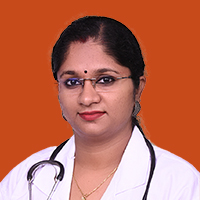
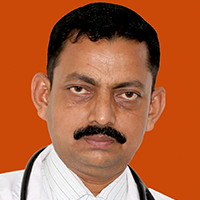
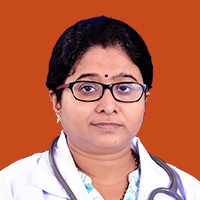
Consult Experienced Ayurveda Doctors for Psychosis










Our Happy Patients
-
 Sunita Malik - Knee Pain
 -
 Abhishek Mal - Diabetes
 -
 Vidit Aggarwal - Psoriasis
 -
 Shanti - Sleeping Disorder
 -
 Ranjana - Arthritis
 -
 Jyoti - Migraine
 -
 Renu Lamba - Diabetes
 -
 Kamla Singh - Bulging Disc
 -
 Rajesh Kumar - Psoriasis
 -
 Dhruv Dutta - Diabetes
 -
 Atharva - Respiratory Disease
 -
 Amey - Skin Problem
 -
 Asha - Joint Problem
 -
 Sanjeeta - Joint Pain
 -
 A B Mukherjee - Acidity
 -
 Deepak Sharma - Lower Back Pain
 -
 Vyjayanti - Pcod
 -
 Sunil Singh - Thyroid
 -
 Sarla Gupta - Post Surgery Challenges
 -
 Syed Masood Ahmed - Osteoarthritis & Bp
Blogs
Related Disease
- Ayurvedic Treatment for Anxiety
- Ayurvedic Treatment for Weakness and Fatigue
- Ayurvedic Treatment for Depression
- Ayurvedic Treatment for Child Bed-wetting
- ayurvedic treatment for bipolar disorder
- Ayurvedic Treatment for Psychosis
- Ayurvedic Treatment for Schizophrenia
- Ayurvedic Treatment for Sleep Apnea
- Ayurvedic Treatment For Insomnia
- Get Ayurvedic Treatment for Agoraphobia
- Ayurvedic Treatment for Autism
Latest Blogs
- Is Fasted Intense Exercise a Good Idea for Every Woman
- Health Tracking Every Hour: Helpful Awareness Or Another Source Of Stress?
- फोन देखते हुए चलना सिर्फ accident risk नहीं—posture और breathing पर क्या असर पड़ता है
- Bloating Before a Period: Why Lifestyle Can Change How It Feels
- बहुत जल्दी खाना खाने से पेट भरने का signal देर से क्यों मिलता है
- ‘No Added Sugar’ Doesn’t Automatically Mean Low Sugar—Here’s Why
- Online meetings के बीच zero movement दिन के अंत में stiffness क्यों बढ़ाता है?
- Screen brightness और late-night work sleep readiness को कैसे बदलते हैं
- Warm Vs Cold Foods: How To Discuss The Ayurvedic Idea Without Turning It Into A Myth
- Noise-cancelling headphones घंटों पहनना mental fatigue को कम करता है या बढ़ा सकता है?
- Sugar-Free Biscuits: Better Choice Or A Health Halo?
- Why a Long Afternoon Nap Can Make Bedtime Surprisingly Difficult
- Scrolling While Eating: The Habit That Makes Meals Harder to Remember
- The Forward-Head Posture You Don’t Notice Until Evening
- Are Seed Mixes Useful—Or Just Easy To Overeat?
- Laptop on the Sofa: Why Neck and Hip Stiffness Show Up Later
- Why Your Eyes Feel Tired Even When Screen Brightness Seems Fine
- Is A Standing Desk A Complete Fix For Too Much Sitting?
- Why a Damp Bathroom Can Affect More Than Just the Walls
- When ‘Resting’ Means Scrolling: Is Your Brain Actually Recovering?
Ayurvedic Doctor In Top Cities
- Ayurvedic Doctors in Bangalore
- Ayurvedic Doctors in Pune
- Ayurvedic Doctors in Delhi
- Ayurvedic Doctors in Hyderabad
- Ayurvedic Doctors in Indore
- Ayurvedic Doctors in Mumbai
- Ayurvedic Doctors in Lucknow
- Ayurvedic Doctors in Kolkata
- Ayurvedic Doctors in Patna
- Ayurvedic Doctors in Vadodara
- Ayurvedic Doctors in Ahmedabad
- Ayurvedic Doctors in Chandigarh
- Ayurvedic Doctors in Gurugaon
- Ayurvedic Doctors in Jaipur
- Ayurvedic Doctors in Kanpur
- Ayurvedic Doctors in Noida
- Ayurvedic Doctors in Ranchi
- Ayurvedic Doctors in Bhopal
- Ayurvedic Doctors in Ludhiana
- Ayurvedic Doctors in Dehradun