
Successful Treatments
Clinics
Doctors
Ayurvedic Treatment for Urine Infection: Symptoms, Causes & Management
 Published on 24 Oct, 2026
 Updated on 24 Oct, 2026

- Home / Diseases & Ayurveda / Urinary Disorders / Ayurvedic Treatment for Urine Infection: Symptoms, Causes & Management
A urinary tract infection is not only about uncomfortable urinating; it can also interfere with your activities or even your health. Frequent urinating, a burning sensation while urinating, difficulty urinating, or even changes in the color of the urine may indicate that there is a problem with the urinating system.
What is a Urinary Tract Infection (UTI)?
A Urinary Tract Infection, or UTI, is an infection that can happen anywhere in the urinary tract. This includes any of these: kidneys, ureters, bladder, and the urethra. Most often, a UTI occurs in the bladder and the urethra. Bacteria are usually responsible for a UTI, with Escherichia coli or E. coli being the most common offender.
UTIs are more common in women than men, but they can affect anyone. If a UTI is not treated, serious problems can arise, such as a kidney infection, recurrent infections, or even a life-threatening illness known as sepsis. Catching a UTI early and treating it is important so that more serious health problems do not arise.
Types of Urinary Tract Infections (UTIs)
Urinary tract infections can affect any part of the urinary system, and their type depends on the part of the system that is infected. Thus, understanding the different types of UTIs helps in their proper management and treatment.
Below are the following types of UTIs:
- Cystitis (Bladder Infection): The bladder is the part of the urinary system that frequently gets UTIs. Infection of this part of the system results in a burning sensation, frequent urination, and discomfort in the lower abdomen.
- Urethritis (Urethra Infection): UTIs that affect the urethra are characterized by a burning sensation, urination pain, and, in some instances, discharge from the urethra.
- Pyelonephritis (Kidney Infection): UTIs that affect the kidneys are more serious. They are characterized by fever, back or side pain, nausea, and vomiting. Failure to seek medical attention may lead to permanent damage to this part of the system.
- Asymptomatic Bacteriuria: This is a UTI that does not exhibit any symptoms. It frequently occurs in pregnant women.
- Recurrent UTI: Some individuals are prone to recurrent UTIs. These are infections that affect them within one year. They are frequently caused by anatomical abnormalities, poor immunity, and incomplete treatment of previous infections.
- Complicated UTI: Complicated UTIs are infections that affect individuals with abnormalities of the urinary tract, catheters, kidney stones, and various health conditions. These are more difficult to manage and may require more sophisticated medical care.
Common Causes of Urinary Tract Infections
UTIs develop when bacteria enter the urinary tract and start to multiply, leading to an infection. Anyone can develop a UTI. However, there are some factors that increase the risk of contracting a UTI.
Below Are The Causes of Urinary Tract Infection
- Bacterial Infection: Usually, bacteria from the digestive system, named E. coli, enter the urinary system.
- Poor Hygiene: Not wiping the right way after using the bathroom allows bacteria to enter the urinary tract.
- Sexual Activity: Having sex drives bacteria into the urinary tract, increasing the risk of infection.
- Urinary Retention: Not completely emptying the bladder allows bacteria to develop there.
- Use of Catheters: Using catheters for long periods of time introduces bacteria into the urinary tract.
- Weak Immunity: Having a weak immune system increases the risk of infection.
- Underlying Health Conditions: Having health conditions such as diabetes, kidney stones, or anatomical problems increases the risk of infection.
- Hormonal Changes: Having hormonal changes due to pregnancy or menopause increases the risk of infection.
Signs and Symptoms of Urinary Tract Infections (UTIs)
UTIs can occur in the bladder, the tube that connects the bladder to the outside of the body, or the kidneys. The symptoms differ depending on the site of infection. Therefore, identifying the symptoms is vital for the prompt treatment of UTIs.
Here are the following common symptoms of UTIs:
- Pain or Burning During Urination: A burning feeling during urination is the most common and obvious symptom of a UTI.
- Frequent Urge to Urinate: Having a frequent urge to urinate, even if a small amount of urine is passed.
- Cloudy, Dark, or Foul-Smelling Urine: At times, the urine can be cloudy, darker than normal, or have a foul smell due to the infection caused by the bacteria.
- Lower Abdominal or Pelvic Pain: Having pain in the lower abdomen or pelvic region is a very common symptom of a UTI.
- Fever and Chills: Having a high temperature, chills, or feeling weak is a symptom of a UTI if the infection occurs in the kidneys.
- Blood in Urine (Hematuria): At times, the urine can have blood if the infection occurs in the kidneys.
- Nausea or Vomiting: Having nausea or vomiting is a symptom of a UTI if the infection occurs in the kidneys.
Diagnosis of Urinary Tract Infections (UTIs)
The importance of correct diagnosis is that it will help in the confirmation of UTI, the type of infection, and the correct course of treatment. This is achieved by taking into consideration the symptoms, tests, and the patient’s medical history.
The following are the major methods of UTI diagnosis:
- Urine Analysis (Urinalysis): This involves checking for bacteria, white blood cells, or blood in the patient’s urine. This is an indication of infection.
- Urine Culture: This is used in determining the type of bacteria in the patient’s body. It is also used in choosing the most effective antibiotics.
- Physical Examination: In a UTI diagnosis, the patient’s doctor might check for tenderness in the abdomen, pelvis, or back.
- Blood Tests: In severe cases of UTI, or in cases where there is suspicion of a kidney infection, the patient’s blood is checked for signs of infection in the bloodstream.
- Imaging Tests: In recurrent UTI cases or when there is suspicion of problems in the structure of the urinary tract, an ultrasound, CT scan, or X-ray is recommended.
- Medical History Review: In UTI diagnosis, the doctor will also consider the patient’s medical history in determining the course of action.
Risk & Complications of Urinary Tract Infections (UTIs)
Urinary tract infections (UTIs) can affect anyone, but certain factors make some people more susceptible. Women are at higher risk due to a shorter urethra, while frequent sexual activity, urinary retention, kidney stones, or catheter use can also increase the likelihood of infection. In addition, having diabetes or a weakened immune system can also increase one’s risk of acquiring a UTI. Hormones present during pregnancy can also increase the risk of acquiring a UTI. If a UTI does not receive proper treatment, complications can arise, including kidney infections, recurring infections, damage to the bladder, and sepsis. Early detection of a UTI can cure and prevent complications.
Urinary Tract Infection (UTI) Symptoms
Fever
Burning sensation at the urethra
Pain
Discomfort
Burning sensation while passing urine
Presence of pus or blood in the urine
Ayurvedic Understanding of Urinary Tract Infections
In Ayurveda, urinary tract infections happen primarily as a result of an imbalance in Pitta dosha, which is the energy responsible for regulating heat and metabolism in the body. As Pitta dosha is irritated, it leads to inflammation, burning sensations, frequent visits to the toilet, and irritation in the urinary tract.
Furthermore, Ama (toxins) that have been building up in the body due to poor digestion can also affect the kidneys and bladder, making the body more susceptible to infection.
The Ayurvedic solution for urinary tract infection:
- Reducing Pitta dosha to stop inflammation and burning sensations
- Purifying the urinary tract to eliminate Ama
- Building up immunity power (Ojas) in the body so that it can fight infection on its own
- Improving digestion so that Ama does not accumulate in the body
Jiva Ayurveda’s Treatment Approach for Urinary Tract Infections
Jiva Ayurveda is offering a holistic approach to Ayurvedic treatments for UTIs, which focus on dealing with the underlying cause, not the symptoms. In this regard, UTIs are usually related to an imbalance of Pitta, which is caused by an accumulation of toxins that irritate the urinary system. The plan aims at cooling down the system, improving health, and boosting the immune system.
Core Principles of the Jiva Ayunique™ Treatment Philosophy
1. HACCP-Certified Ayurvedic Medicines
Jiva Ayurveda provides herbal medicine that adheres to safety and quality standards, including HACCP certification. Such medicine helps to prevent infection, calm the urinary tract, and maintain healthy urinary function.
- Urinary Tract Cleansing Herbs: Some herbal formulations help flush out toxins and harmful microorganisms from the urinary tract, which helps to relieve burning during urination.
- Anti-Inflammatory Herbs: Some herbal formulations calm irritation and inflammation in the bladder and the urinary tract, which helps relieve pain and increase comfort.
- Urinary System Strengthening: Such herbal formulations also strengthen the urinary system, helping the body fight infection.
2. Dietary Changes
The food we eat plays an important role in preventing irritation and maintaining the urinary system.
- Hydrating Foods: Drinking an adequate amount of water along with hydrating foods helps flush out harmful microorganisms from the urinary system, which helps in quick recovery from infection and prevents infection from getting worse.
- Cooling Agents: Some food items, such as fruits and vegetables, have natural cooling properties, which help calm the body’s heat, hence reducing irritation in the urinary system.
- Avoiding Irritating Foods: Avoiding spicy, oily, and salty food items also helps prevent irritation in the bladder and the urinary system.
3. Panchakarma & Therapeutic Practices
Ayurvedic practices can also help cleanse the body, which helps improve the functioning of the urinary system.
- Detoxification Therapies: Panchakarma helps remove accumulated toxins in the body, which helps cure infections in the urinary system.
- Abhyanga: Herbal oil massage helps maintain the balance of the body’s systems.
- Herbal Therapies: Such herbal therapy helps calm the urinary system, which helps the system recover from infection.
4. Lifestyle Changes
Some lifestyle changes can also help reduce the risk of recurring urinary infections.
- Proper Hygiene: Proper hygiene helps prevent the entry of harmful microorganisms into the urinary system.
- Urination: Do not hold your urine for long periods, as this can promote the growth of harmful microorganisms in the bladder.
- Healthy Routine: A healthy daily routine helps maintain the body's immunity.
5. Meditation & Yoga
Mind-body techniques contribute to well-being and healing.
- Meditation: Reducing stress levels, meditation could boost the immune system.
- Yoga: Gently improving circulation and overall bodily balance.
- Pranayama (breathing techniques): Calming the nervous system and improving overall well-being.
How Jiva Ayurveda Assesses Patients with UTI
Jiva’s patient assessment is individualised and holistic:
- A qualified Ayurvedic doctor takes a thorough history of symptoms, diet, lifestyle, and any previous health conditions.
- They look for underlying dosha imbalances (especially Pitta) and signs of toxin accumulation (“ama”) that may be contributing to the UTI.
- Assessment guides a personalised plan that includes herbal medicines, diet changes, lifestyle guidance, and may include therapies like Panchakarma if needed.
What Results You Can Expect from Jiva Ayurveda
While outcomes will vary depending on severity, typical expectations are:
- Reduction in burning, urgency, and pain: Ayurvedic herbs and cooling dietary guidance aim to calm inflammation and reduce symptoms.
- Improved urinary function: Strengthening the urinary system and immune response helps reduce frequency and discomfort over time.
- Longer‑term prevention: Treatment focuses on balancing the body internally — this seeks to lower the risk of future UTIs by improving immunity and detoxification processes.
- Symptom resolution timeline is individual: Some people notice symptomatic relief within a few days of starting treatment with appropriate herbs, diet, and hydration (based on general Ayurvedic practice), but full recovery can take longer depending on chronicity and individual health.
Ayurvedic Treatment Timeline
Jiva Ayurveda doesn’t give a strict fixed timeline on their website, but Ayurvedic courses of treatment typically follow a progression:
- Initial relief: Many patients may begin to feel reduced burning and urgency within the first 3 to 7 days after starting proper Ayurvedic herbs and supportive measures. (This general estimate comes from Ayurvedic practitioner guidance for urinary conditions.)
- Ongoing healing: Full relief of symptoms and a balanced urinary system often takes several weeks, commonly 2 to 6 weeks, depending on severity, recurrent infection history, and adherence to dietary and lifestyle recommendations.
- Chronic or recurrent cases: Conditions that are long‑standing or frequently recurring may require longer courses of individualised therapy and supportive lifestyle changes.
Why Patients Trust Jiva Ayurveda
Over the years, Jiva Ayurveda has gained the trust of thousands of patients who are seeking natural and personalised healthcare solutions. Some of the key reasons for patients’ trust in Jiva Ayurveda:
- Root-Cause Based Treatment
Unlike conventional treatments that address only the symptoms of disease, Ayurvedic treatment focuses on treating the root causes and correcting the underlying imbalances in the body that lead to disease.
- Experienced Ayurvedic Doctors
Jiva Ayurveda boasts of having a huge team of experienced Ayurvedic doctors who thoroughly examine each patient’s condition before recommending treatment for diseases.
- Personalised “Ayunique” Treatment Approach
Ayurvedic treatment is highly personalised and customised according to each individual’s prakriti and lifestyle.
- Holistic Healing
Ayurvedic treatment is not limited to medicines; it also includes dietary and lifestyle modifications, breathing techniques, and stress management to support overall healing of the body and mind.
- Trusted by Patients Across India
A huge percentage of patients have shown improvement in their conditions after adopting Jiva’s treatment plans and recommendations for diseases. This shows how much people trust Jiva Ayurveda for Ayurvedic treatment.
- 95% of patients saw significant improvement within 3 months of treatment.
- 88% of patients stopped allopathic medicines completely.
- 8000+ patients consulation everyday
Our Step-by-Step Patient Care Process:
Expect a Call: Submit your contact details, or you can also call us on 0129 4264323.
Appointment Confirmation.
- You can schedule an appointment and visit us at our clinic for a consultation with our Ayurvedic experts.
- If you are unable to find our clinics near you, you can also schedule an online consultation on 0129 4264323 at a discounted price of Rs. 49 (regular price Rs299) and avail guidance from our doctors at home.
Detailed Diagnosis
Jiva doctor will perform a thorough and detailed diagnosis to identify the root cause of your health problem.
Root-cause Based Treatment
Jiva doctor will recommend a personalised treatment using highly-effective, natural, and Ayurvedic medicines to address symptoms and the root cause.
Estimated Cost of Treatment at Jiva Ayurveda
Understanding the financial investment required for your health is important. At Jiva Ayurveda, we make sure of transparency in our service costs, which allows you to choose the most suitable option for your medical needs.
Treatment Cost
For patients who seek standard, ongoing care, the Monthly Cost of Medicine and consultation typically ranges from Rs. 3,000 to Rs. 3,500. Please note that this is an estimated baseline. The final cost depends on the exact nature and severity of the patient's condition.
Protocol
For a more comprehensive, structured approach, we offer specialized Package protocols. These plans are designed to address both physical symptoms and the overall lifestyle correction. The package includes:
- Medicine
- Consultation
- Mental Well-Being Sessions
- Yoga and Meditation
- Diet
The cost for this protocol involves a one-time payment ranging from Rs. 15,000 to Rs. 40,000, which covers the full 3 to 4-month duration of the treatment.
Jivagram
For patients requiring intensive and immersive care, our Jivagram centres offer the ultimate healing experience. Jivagram is a holistic sanctuary set in a peaceful, eco-friendly environment, and it provides:
- Authentic Panchakarma therapies
- Sattvic meals
- Modern healing services
- Comfortable accommodation
- Many more quality-of-life facilities
An immersive wellness stay at Jivagram costs around 1 Lakh for a 7-day duration, ensuring continuous personalised care to help reset your body and mind.
Patient story
For three months, I had been taking allopathic medicines for the infection in my urinary tract. When it did not work, my allopathy doctor asked me to see an Ayurvedic doctor, so I came to Jiva. I am completely fine now. Thanks, Jiva doctors, for the treatment. I am a firm believer in Ayurveda now and recommend others to take the same.
Conclusion
UTIs are common but can lead to serious complications if untreated. Maintaining hydration, proper hygiene, and seeking timely medical care are key.
If you are experiencing urinary infections or recurrent urinary problems, consult with certified Jiva doctors for personalised treatment and proper guidance. Call today: 0129-4264323.
FAQs
UTIs are usually caused by bacteria, most commonly E. coli, entering the urinary tract. Poor hygiene, urinary retention, sexual activity, and catheter use can also increase the risk.
Women are more prone due to a shorter urethra, but men, elderly people, and those with diabetes or weak immunity can also develop UTIs.
Symptoms include burning during urination, frequent urge to urinate, cloudy or foul-smelling urine, lower abdominal pain, and, in severe cases, fever or blood in urine.
UTIs are diagnosed through urinalysis, urine culture, physical examination, and sometimes imaging tests for recurrent or complicated infections.
Yes, if untreated, UTIs can spread to the kidneys (pyelonephritis), causing fever, back pain, nausea, and serious complications.
Yes, Ayurvedic treatment focuses on balancing Pitta dosha, reducing inflammation, strengthening immunity, and using herbs like Punarnava, Gokshura, and Chandraprabha Vati.
Yes. Prevention includes drinking plenty of water, proper hygiene, urinating after sexual activity, not holding urine for long periods, and avoiding irritants like harsh soaps.
Some people, especially women or those with urinary tract abnormalities, may experience recurrent UTIs. Early treatment and preventive measures can reduce recurrence.
Yes. UTIs during pregnancy can increase the risk of kidney infection, preterm labor, or other complications, so prompt treatment is essential.
Seek medical care if you have severe burning, frequent urination with little output, fever, blood in urine, or recurrent infections that do not improve with home measures.
Find Jiva Ayurveda Clinics for Urinary-tract-infection Treatment Near You
Consult Experienced Ayurveda Doctors for Urinary-tract-infection
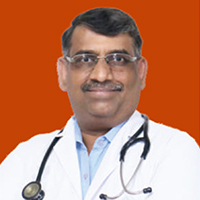


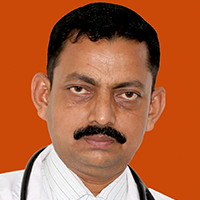
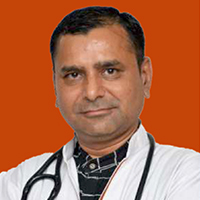
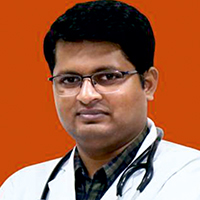





Our Happy Patients
-
 Sunita Malik - Knee Pain
 -
 Abhishek Mal - Diabetes
 -
 Vidit Aggarwal - Psoriasis
 -
 Shanti - Sleeping Disorder
 -
 Ranjana - Arthritis
 -
 Jyoti - Migraine
 -
 Renu Lamba - Diabetes
 -
 Kamla Singh - Bulging Disc
 -
 Rajesh Kumar - Psoriasis
 -
 Dhruv Dutta - Diabetes
 -
 Atharva - Respiratory Disease
 -
 Amey - Skin Problem
 -
 Asha - Joint Problem
 -
 Sanjeeta - Joint Pain
 -
 A B Mukherjee - Acidity
 -
 Deepak Sharma - Lower Back Pain
 -
 Vyjayanti - Pcod
 -
 Sunil Singh - Thyroid
 -
 Sarla Gupta - Post Surgery Challenges
 -
 Syed Masood Ahmed - Osteoarthritis & Bp
Diagnostic Marker
Blogs
- Healthy Urine and Healthy Body: What is the Connection?
- ठंड के मौसम में क्यों बढ़ जाती है यूरिन इंफेक्शन की संभावना? जानिए आयुर्वेदिक सावधानियाँ और नुस्खे
- क्या यूरिक एसिड को आयुर्वेदिक उपचार जड़ से ठीक कर सकता है?
- यूरिन इन्फेक्शन के बाद ब्लैडर की कमज़ोरी और सेंसिटिविटी को कैसे सुधारें?
- Uric Acid 7 के पार जाते ही शरीर में क्या होने लगता है? चरणबद्ध समझिए
- 30 की उम्र में Uric Acid High — क्या यह Genetic है या Lifestyle?
- गर्मी में बार-बार UTI — Antibiotic से थक चुके हैं?
- बार-बार UTI — गर्मी में क्यों ज़्यादा? Antibiotic Resistance का खतरा
- Hydronephrosis (किडनी में पानी भरना) — कब Surgery, कब आयुर्वेद?
- Office में Toilet Avoidance - Long term क्या नुकसान करता है?
Home Remedies
Related Disease
- Ayurvedic Treatment for Urine Infection: Symptoms, Causes & Management
- Ayurvedic Treatment for Kidney Stone: Pain, Prevention & Care Options
- Ayurvedic Treatment for Cystitis: Burning Urination, Causes & Care Options
- Ayurvedic Treatment for Prostate: Urination Symptoms, Causes & Care Options
- Ayurvedic Treatment for Renal Failure: Supportive Care Alongside Kidney Treatment
- Ayurvedic Treatment for Urethritis: Symptoms, Causes & Management
- Ayurvedic Treatment for Varicocele: Symptoms, Causes & Management
- Ayurvedic Treatment for Hydrocele: Symptoms, Causes & Care Options
- Ayurvedic Treatment for Frequent Urination: Causes, Symptoms & Care Options
- Ayurvedic Treatment for Kidney Creatinine: Causes, Symptoms & Care Options
Latest Blogs
- क्या शौच में खून आने का मतलब हमेशा बवासीर होता है? दूसरे कारण भी जानें
- Late Dinner Plus Poor Sleep: Why Ayurveda Looks At The Pattern, Not One Habit
- परिवार के साथ बैठकर खाना खाने से Portion और Eating Speed पर क्या फर्क पड़ सकता है?
- कब्ज़ में इंडियन-स्टाइल टॉयलेट बेहतर है? टॉयलेट पोस्चर के बारे में क्या पता है
- दूध, दही और लस्सी से IBS के लक्षण कब बढ़ सकते हैं?
- कभी कब्ज़, कभी दस्त? बार-बार बदलती पेट की आदतों को कैसे समझें
- क्या आयरन, कैल्शियम या कुछ दवाओं से कब्ज़ हो सकती है? डॉक्टर से कब बात करें
- पीरियड्स के दौरान IBS के लक्षण कुछ लोगों में क्यों बढ़ सकते हैं?
- व्रत या उपवास में कब्ज़ बढ़ जाती है? नवरात्रि में किन बातों का ध्यान रखें
- सफ़र में कब्ज़ क्यों हो जाती है? यात्रा से पहले क्या तैयारी करें
- खूब पानी पीने के बाद भी कब्ज़ क्यों बनी रह सकती है?
- बुज़ुर्ग माता-पिता को कब्ज़ रहती है? परिवार किन बातों का ध्यान रखे
- क्या खूनी बवासीर में ऑपरेशन ही एकमात्र विकल्प है? इलाज के विकल्प समझें
- शौच में खून देखकर घबरा गए? जानिए पहले क्या समझें और क्या करें
- रोटी, चावल और दही: कब्ज़ होने पर खाने में क्या बदलाव मदद कर सकते हैं?
- रोज़ बाइक से ऑफिस जाते हैं और बवासीर की सूजन परेशान करती है? जानिए सफ़र का असर
- IBS में दवा से राहत मिलने के बाद भी लक्षण दोबारा क्यों हो सकते हैं?
- IBS में कौन-सा खाना परेशानी बढ़ाता है? फ़ूड डायरी कैसे मदद कर सकती है
- मानसून में पेट की परेशानी बढ़ती लगती है? IBS और मौसम के संबंध को समझें
- बवासीर में सिट्ज़ बाथ कैसे करें? फायदे, सावधानियाँ और कब बचें
Ayurvedic Doctor In Top Cities
- Ayurvedic Doctors in Bangalore
- Ayurvedic Doctors in Pune
- Ayurvedic Doctors in Delhi
- Ayurvedic Doctors in Hyderabad
- Ayurvedic Doctors in Indore
- Ayurvedic Doctors in Mumbai
- Ayurvedic Doctors in Lucknow
- Ayurvedic Doctors in Kolkata
- Ayurvedic Doctors in Patna
- Ayurvedic Doctors in Vadodara
- Ayurvedic Doctors in Ahmedabad
- Ayurvedic Doctors in Chandigarh
- Ayurvedic Doctors in Gurugaon
- Ayurvedic Doctors in Jaipur
- Ayurvedic Doctors in Kanpur
- Ayurvedic Doctors in Noida
- Ayurvedic Doctors in Ranchi
- Ayurvedic Doctors in Bhopal
- Ayurvedic Doctors in Ludhiana
- Ayurvedic Doctors in Dehradun