
Successful Treatments
Clinics
Doctors
Ayurvedic Medicine For Menstrual Pain
 Published on 25 Oct, 2026
 Updated on 25 Oct, 2026

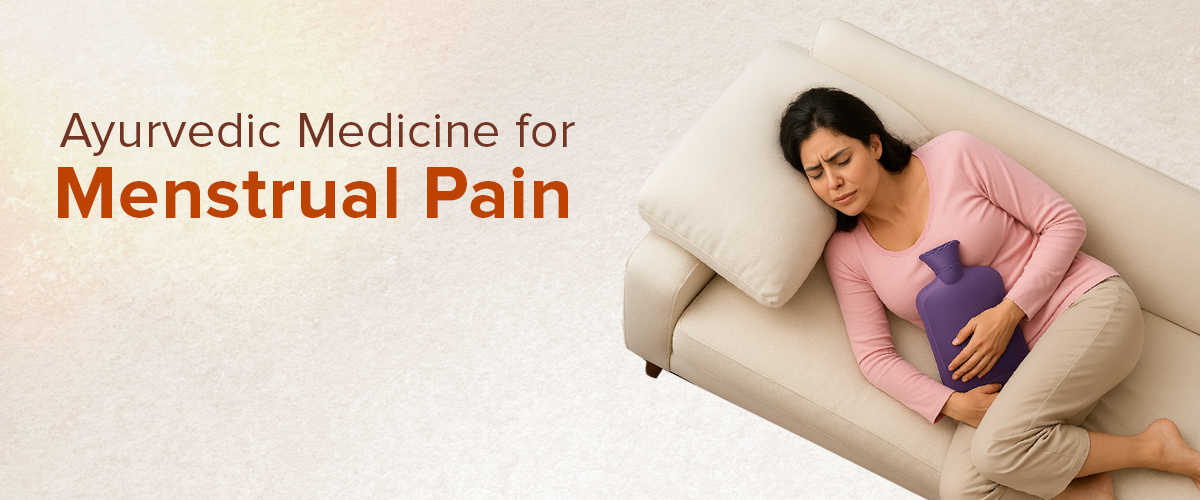
Worldwide, around 45% to 95% women of reproductive age suffer from dysmenorrhea, commonly known as menstrual or period pain. So what is this common condition that affects almost every woman in the world at some point in her life? In this blog, we will answer all your questions regarding period pain, which will include what it is, its common causes, its symptoms, when it gets serious and needs medical attention, and how Ayurveda helps it. Whether you are a woman suffering from it or just someone whose loved one is suffering, this blog will help you understand the condition better and how to handle it.
What Is Period Pain?
Menstrual pain is characterised by a cramping pain in the lower abdominal area during the menstrual period. The pain is usually located around the location of the ovaries, but can also spread across the lower back as well as along the legs. The severity of the pain depends on person to person and usually occurs before or during the onset of the person’s period, though in some women it can last longer.
What Causes Period Pain?
The cause of the pain depends on the type of dysmenorrhea a woman is suffering from. There are two types of dysmenorrhea: primary and secondary.
- Primary dysmenorrhea is what most women go through. The cause of pain in this case is mainly the contraction and relaxation of the muscles of the uterus. This is the “normal” type of period pain. During menstruation, the uterus produces increased levels of prostaglandins (which are hormone-like fat-based substances responsible for muscle contractions, helping the blood to flow or clot) to help with the bleeding and the shedding of the uterus lining (endometrium). These cause increased muscle contractions and, therefore, pain.
Another cause for primary dysmenorrhea can be the positioning of the uterus. A retroverted uterus would cause more pressure to build up and, therefore, more pain.
- Secondary dysmenorrhea is when things get serious. This is the case where period pain is caused due to some underlying condition affecting the reproductive organs. The conditions can include:
-Endometriosis: A condition where tissues similar to the uterus lining grow outside of the uterus or somewhere they don’t belong.
-Uterine fibroids: Noncancerous growths in the uterine wall,
-Cervical stenosis: Narrowing of the cervical opening, causing the blood to put more pressure during bleeding.
-Adenomyosis: A condition where the tissues of the uterus lining grow into its walls,
-Pelvic inflammatory disease: Infections in the reproductive organs caused due to STIs.
-Intrauterine devices: Some contraceptive devices can also cause secondary dysmenorrhea.
Ayurvedic Causes Of Menstrual Pain
According to Ayurveda, the main cause of menstrual pain is the aggravation of the Vata dosha, the bodily energy that is responsible for all the movement in the body, like blood circulation, muscle movement, flow of thoughts, nerve impulses, etc. Its qualities are said to be dry, rough, mobile, cold, and light. The excess of this dosha hinders the flow of the blood in the body and the muscle movement of the uterus, which becomes the reason for increased pressure in the lower abdominal area and ultimately, pain.
Symptoms
- The most common symptom is a crushing pain in the lower abdominal area, which often courses across the lower back as well as the thighs.
- Another symptom that usually accompanies period cramps is nausea. You may constantly feel like you are going to puke any second.
- Vomiting. Sometimes you might actually do it.
- The energy exertion can cause exhaustion and, therefore, fatigue.
- It can also cause headaches.
- The irritation, discomfort, and hormonal changes in the body can result in mood swings.
Is Period Pain Normal? When Does It Get Serious? When To Consult An Ayurvedic Professional - Signs Of Abnormality
Though mild period pain is normal as contraction of the muscles is the reason for it, if the pain gets severe and hinders your daily life’s functioning, you should immediately contact a healthcare professional. This is because severe or worsening symptoms can point towards an underlying condition, which is often more serious, for example, endometriosis or uterine fibroids (other conditions can also be present).
Consult a specialist if:
- The pain worsens over time.
- Over-the-counter pills don't help improve the pain.
- Fever and nausea alongside pain.
- Large blood clots (larger than a coin).
- Pelvic pain even when you are not on your period.
- Sudden, severe pain during menstruation after the age of 25.
- Your cycle is consistently irregular.
- Excessively heavy bleeding.
- Having a foul-smelling discharge.
If you see any of these symptoms prolonging or getting worse, contact the health specialists at Jiva Ayurveda to get a complete assessment and a holistic treatment for your condition, whether it be primary or secondary dysmenorrhea.
But Why Jiva Ayurveda? How Does It Help?
Jiva Ayurveda’s Ayunique Treatment Philosophy believes that any disease needs not only a medicated treatment, but a holistic one. One that transforms the life of the patient and gives them a lasting relief from the condition they are suffering from, rather than just its symptoms.
The health specialists at Jiva Ayurveda provide exactly that. We provide a holistic treatment program which includes herbal remedies coupled with physical ayurvedic treatment, various lifestyle and dietary changes that can help reduce period pain.
Ayurvedic Medicines (Herbal Remedies)
- Ashoka: It helps in the muscular growth of the female organs and helps in building a healthy menstrual cycle.
- Shatavari: It helps in balancing the hormones and nourishes the reproductive system.
- Ginger: Ginger is well known for its anti-inflammatory properties. It helps in improving blood circulation and, therefore, pacifying the vata dosha, which is responsible for period cramps.
- Turmeric: This herb also contains anti-inflammatory properties, as it contains curcumin, which helps in easing the pain.
Ayurvedic Treatments
Ayurvedic treatments like panckarma, basti, and virechana offer detoxification of the body. These aim to balance the doshas in the body by cleansing it of the toxins accumulated in it due to the imbalances.
- Basti (medicated enema) helps in balancing the vata dosha by targeting the lower abdomen (the area of pain). It helps in improving the overall reproductive health and, therefore, also eases menstrual pain.
- Virechan (purgation therapy) aims to detox the body of any toxins in the digestive tracts as well as the blood. It also helps in enhancing blood circulation and total gynaecological health.
Lifestyle Changes And Dietary Changes
In addition to herbal remedies and treatments, it is essential to note that to get relief from period pain, it is necessary to inculcate certain dietary and lifestyle habits in one’s daily routine, too.
The dysmenorrhoea diet includes a balanced diet rich in fruits, vegetables, whole grains, and healthy fats. It is also important to include anti-inflammatory foods. These include:
- Dark leafy greens: Have vitamins and minerals that help reduce period pain and other symptoms.
- Nuts and Seeds: They provide essential fatty acids and also help in maintaining hormonal balance. They can improve reproductive health.
- Whole Grains: They maintain steady energy levels and provide essential nutrients needed for overall well-being.
- Avoid Processed Foods and Caffeine: Processed foods and caffeine can cause inflammation and, therefore, can cause an increase in symptoms. Limiting these in your diet can help alleviate discomfort during menstruation.
- Hydration: Staying hydrated is crucial. Drinking warm herbal teas, especially ginger tea, helps pacify the dry qualities of the Vata dosha and, therefore, can soothe cramps and promote relaxation, further aiding in symptom relief.
- Rest and Moderate Exercise: Adequate rest is vital for recovery. Gentle exercises, like yoga, can enhance blood circulation and reduce dysmenorrhea symptoms. Over-exerting your body can lead to worsening of the symptoms.
- Applying warm compression to the abdomen can also help in relieving period pain and cramps.
Yoga Poses
Yoga poses can also help alleviate symptoms by physically relieving the body. Some of these poses are:
- Setu Badhasana: The bridge pose helps in strengthening the pelvic floor muscles and helps improve blood circulation.
- Viparita Karani (Legs-up-the-wall Pose): Legs-up-the-wall pose helps in restoring the body and relaxing the muscles, aiding in easing the pain.
- Marjaryasana-Bitilasana (Cat-Cow Pose): Cat-cow pose helps in increasing flexibility in the spine and aids in overall relaxation.
Conclusion
Period pain is something that almost every woman suffers from at some point in her life. Since it's so common and in many cases, normal, it is necessary to know the symptoms to understand the condition better, both for your own self as well as your loved ones, because period pain can cause hindrance in daily life and mood swings. It is also necessary to know when the symptoms are not normal and when to contact a doctor.
We at Jiva Ayurveda offer a holistic treatment program for the condition of dysmenorrhoea by providing medicated treatment along with physical treatments. We also aim at curing the pain for a lasting period of time by recommending basic dietary and lifestyle changes in one's life.
Our Happy Patients
-
 Sunita Malik - Knee Pain
 -
 Abhishek Mal - Diabetes
 -
 Vidit Aggarwal - Psoriasis
 -
 Shanti - Sleeping Disorder
 -
 Ranjana - Arthritis
 -
 Jyoti - Migraine
 -
 Renu Lamba - Diabetes
 -
 Kamla Singh - Bulging Disc
 -
 Rajesh Kumar - Psoriasis
 -
 Dhruv Dutta - Diabetes
 -
 Atharva - Respiratory Disease
 -
 Amey - Skin Problem
 -
 Asha - Joint Problem
 -
 Sanjeeta - Joint Pain
 -
 A B Mukherjee - Acidity
 -
 Deepak Sharma - Lower Back Pain
 -
 Vyjayanti - Pcod
 -
 Sunil Singh - Thyroid
 -
 Sarla Gupta - Post Surgery Challenges
 -
 Syed Masood Ahmed - Osteoarthritis & Bp
Disease
- Ayurvedic Treatment for Obesity
- Ayurvedic Treatment for Migraine
- Ayurvedic Treatment for Heat Stroke
- Get Ayurvedic Treatment for Paralysis
- Ayurvedic Treatment for Mastitis
- Ayurvedic Treatment for Gangrene Foot
- Ayurvedic Treatment for Granuloma
- Ayurvedic Treatment for Amyloidosis
- Ayurvedic Treatment for Thrombocytopenia
- Ayurvedic Treatment for Dengue
- Ayurvedic Treatment for Measles
- Ayurvedic Treatment for Fistula in Ano
- Ayurvedic Treatment for Malaria
- Ayurvedic Treatment for Plantar Fasciitis
- Ayurvedic Treatment for Chikungunya
- Ayurvedic Treatment for Sepsis
- Ayurvedic Treatment for Addison's Disease
- Get Ayurvedic Treatment for Eye Floaters
- Ayurvedic Treatment for Eye Flu
- Ayurvedic Treatment for Herpes
- Get Ayurvedic Treatment For Teeth Cavities
- Get Ayurvedic Treatment for Tooth Pain
Latest Blogs
- Get An Effective Ayurvedic Treatment For Gastritis
- The Complete Guide to Ayurvedic Detox: Tips, Techniques, and Benefits
- Ayurvedic Hair Growth Secrets Revealed
- Tired of Dull Skin? Try These 5 Ayurvedic Hacks
- Can Ayurveda Reverse Your Diabetes?
- Accelerate Your Dengue Recovery with Ayurveda
- 5 Little Known Facts About Ayurvedic Therapies
- 5 Ayurvedic Secrets for Healthy & Shiny Hair
- Get Ayurvedic Treatment for Fatty Liver
- Get Ayurvedic Treatment for Eyes
- Get Ayurvedic Treatment for Kidney Stones
- How to get rid of a sinus headache with Ayurveda?
- How To Cure Scalp Psoriasis With Ayurveda?
- Migraine Treatment In Ayurveda
- Get Ayurvedic Treatment for Obesity
- When To Worry About Varicose Veins?
- 10 Effective Ways To Get Rid of Piles
- How To Cure PCOS and PCOD Naturally?
- Get Ayurvedic Treatment For PCOS
- Get Relief From Back Pain With Ayurvedic Treatment
Ayurvedic Doctor In Top Cities
- Ayurvedic Doctors in Bangalore
- Ayurvedic Doctors in Pune
- Ayurvedic Doctors in Delhi
- Ayurvedic Doctors in Hyderabad
- Ayurvedic Doctors in Indore
- Ayurvedic Doctors in Mumbai
- Ayurvedic Doctors in Lucknow
- Ayurvedic Doctors in Kolkata
- Ayurvedic Doctors in Patna
- Ayurvedic Doctors in Vadodara
- Ayurvedic Doctors in Ahmedabad
- Ayurvedic Doctors in Chandigarh
- Ayurvedic Doctors in Gurugaon
- Ayurvedic Doctors in Jaipur
- Ayurvedic Doctors in Kanpur
- Ayurvedic Doctors in Noida
- Ayurvedic Doctors in Ranchi
- Ayurvedic Doctors in Bhopal
- Ayurvedic Doctors in Ludhiana
- Ayurvedic Doctors in Dehradun