
Successful Treatments
Clinics
Doctors
Ayurvedic Medicine For Stomach Ulcers
 Published on 19 Nov, 2025
 Updated on 19 Nov, 2025

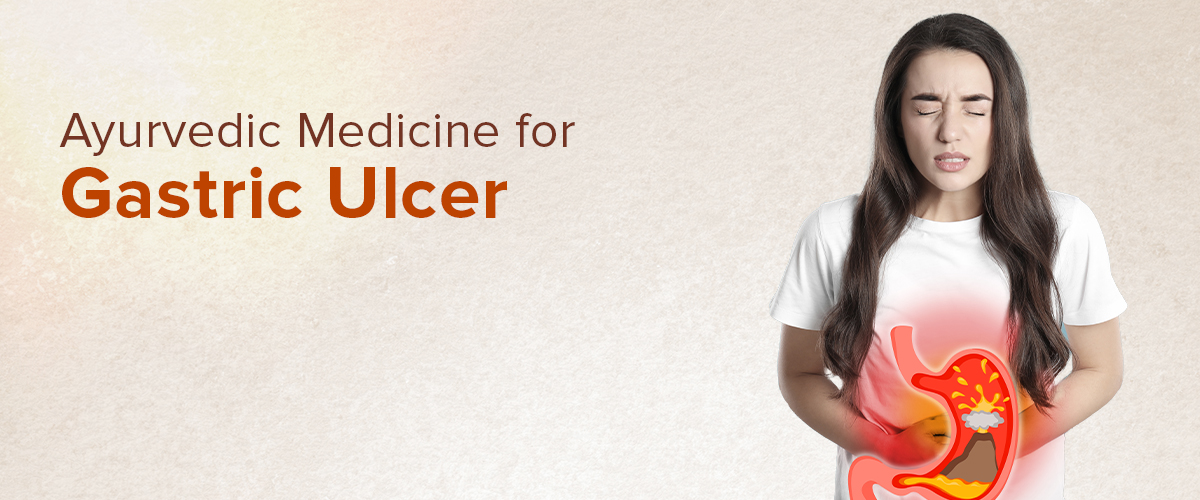
Stomach ulcers are open sores that develop on the inner lining of the stomach, often causing burning pain, nausea, bloating, and indigestion. Common causes include H.pylori bacterial infections and prolonged use of painkillers such as ibuprofen and aspirin.
According to Ayurveda, stomach ulcers are classified under Annadrava Shula and Parinama Shula and can be associated with aggravated Pitta dosha and disturbed agni (digestive fire).
At Jiva Ayurveda, doctors assess the individual's symptoms and body constitution to develop a personalised care plan and ensure safe recovery.
Ayurvedic Medicines And Herbs For Stomach Ulcers
Ayurveda uses certain herbs and traditional medicines to support healthy digestion. Managing stomach ulcers involves pacifying aggravated Pitta dosha, supporting the stomach’s protective lining, and maintaining healthy digestion. Some traditionally used herbs include:
Amla
Amla is known for its antioxidant properties. It is rich in Vitamin C, and it helps neutralize acidity. It is traditionally used to support digestive health and balance Pitta.
Yashtimadhu (Licorice Root)
Yashtimadhu is traditionally used to soothe the digestive tract and support the stomach’s protective mucosal lining. It helps reduce inflammation and strengthens the stomach lining.
Aloe Vera
Aloe vera has cooling properties, and it can soothe digestive discomfort. It usually produces a cooling effect on inflamed stomach tissues.
Haridra (Turmeric)
Haridra contains curcumin, which is known for its antioxidant and anti-inflammatory effects.
Shatavari
Shatavari has cooling properties which helps pacify the excess heat in the digestive system, this support healing.
Guduchi
Guduchi is a traditional Ayurvedic herb known for its anti-inflammatory properties. It helps boost the immune system.
Triphala
Triphala is a blend of three fruits. It helps detoxify the digestive system and improve overall gut health.
Not every herb is suitable for everyone, so it's important to consult Jiva’s qualified doctors before taking any medicine. Doctors will help you with the dosage, along with the lifestyle changes that should be made.
Precautions Before Taking Any Herb
Ayurvedic Herbs may support digestive health, but they should be used carefully, especially when they are linked to stomach ulcers. Keep these precautions in mind:
- Consult an Ayurvedic Doctor: Take herbs and formulations only after proper assessment. Avoid self-medicating or changing prescribed doses.
- Check for Medicine Interactions: Some herbs interact with ongoing antibiotics, especially if the patient has blood pressure or other conditions.
- Avoid Self-Prescribing: Do not stop, change, or prescribe any medicines on your own, especially when you have conditions such as diabetes or kidney stones.
- Choose Quality Products: Use reliable, quality-tested Ayurvedic formulations from trusted sources.
- Be Careful With Doses: Excessive or prolonged use may increase blood pressure and lower potassium levels.
Possible Side Effects of Self-Medicating
Taking Ayurvedic medicines or herbal supplements without proper medical guidance may cause unwanted side effects, especially when the stomach lining is already damaged. Some possible side effects include:
- Worsening Digestive Symptoms: Certain herbs and formulations may cause acidity, nausea, abdominal pain, or diarrhoea
- Medicine Interaction: Some herbs can interfere with medicines, including antibiotics and blood pressure medicines.
- Kidney and Liver Complications: Poor-quality and improperly formulated products may increase the risk of contamination in the kidneys and liver.
- Delayed Ulcer Healing: Relying on self-introduced herbs increases the risk of delayed treatment and may create other concerns.
- Increased Risk of Complications: Untreated ulcers can lead to internal bleeding or perforation of the stomach wall.
How Does Jiva Ayurveda Help Manage Stomach Ulcers
At Jiva Ayurveda, the aim is to manage stomach ulcers by addressing digestive imbalance and supporting overall gut health based on Ayurvedic principles. The focus is on correcting aggravated doshas and improving Agni (digestive fire). Jiva Ayurvedic doctors assess each patient's symptoms, digestion, and body constitution before suggesting personalized Ayurvedic care. Depending on the individual's condition, supportive therapy such as Abhyanga, Virechana, and relaxation-based practices may be considered. Gentle yoga and Pranayam may be recommended to help manage stress. Regular follow-up helps monitor progress and modify the care plan. Jiva’s approach aims to support long-term digestive well-being.
Ayurvedic Therapies For Stomach Ulcers
Jiva Ayurveda doctors suggest different Panchakarma therapies to get relief from stomach ulcers and support overall health. Various Panchakarma therapies include:
- Virechana: It is a detoxification therapy used to get rid of excess Pitta, to reduce excess heat and acid, which are the primary causes of ulcers.
- Basti (Medicated Enema): It is used to balance Vata dosha and help reduce inflammation and support gut healing.
- Abhyanga (Oil Massage): Massage with medicated oils helps in relaxation of muscles and stress, and helps balance the doshas of the body.
- Shirodhara: It is a deeply relaxing therapy where a warm stream of oil is poured over the forehead. It helps in easing anxiety and stress, which increase the symptoms of peptic ulcer.
- Takradhara: It is a cooling therapy that uses medicated buttermilk. It is used to pacify Pitta.
- Gentle yoga poses like Supta Baddha Konasana (reclining bound angle pose) and Setu Bandhasana (bridge pose) can help relax abdominal muscles and, therefore, improve circulation in the digestive organs.
- Pranayama techniques like Anulom Vilom (alternate nostril breathing), Sheetali (cooling breath), and Shitakari can help reduce stress, calm the nervous system, and balance the digestive system.
When to See an Ayurvedic Doctor
Do not ignore persistent digestive discomfort, as untreated stomach ulcers can lead to serious complications. Consult a Jiva Ayurvedic doctor if you experience:
- Burning or gnawing pain in the abdomen.
- Frequent nausea, vomiting, or indigestion.
- Appetite loss or unexplained weight loss.
- Blood while vomiting
- Black, tarry, or bloody stool
- Severe abdominal pain
- Dizziness, fainting, or severe weakness.
You should immediately contact professional health experts, as this can be a sign of internal bleeding or perforation.
Conclusion
Stomach ulcers require timely diagnosis and proper care to prevent complications. Ayurveda focuses on balancing aggravated Pitta dosha, supporting Agni, and maintaining digestive health through suitable herbs, dietary changes, and lifestyle modifications. At Jiva Ayurveda, doctors aim to provide personalised care based on individual symptoms, body constitution, and digestive health. Our treatment helps patients by focusing on the root cause of the disease rather than just focusing on the symptoms. Book a consultation with Jiva experts now, as early diagnosis helps treat the problem better.
Reference
A Review on Antiulcer Activity of Few Indian Medicinal Plants - PMC
Assessment of some Herbal Drugs for Prophylaxis of Peptic Ulcer - PMC
Treatment for Peptic Ulcers (Stomach or Duodenal Ulcers) - NIDDK
FAQs
A stomach ulcer is a sore on the inner lining of the stomach or the first part of the small intestine. They form when the protective mucus layer is weakened, allowing stomach acid to damage the tissue.
H. pylori bacteria: This is the most common cause, as the bacteria can disrupt the stomach's protective lining. Nonsteroidal Anti-Inflammatory Drugs (NSAIDs): Long-term use of pain relievers like aspirin and ibuprofen can cause ulcers. Other Factors: Excessive alcohol consumption and smoking can irritate the stomach lining and increase the risk. While stress and spicy foods can make symptoms worse, they do not cause ulcers.
No, stress and spicy foods do not directly cause stomach ulcers. However, they can worsen existing ulcer symptoms and interfere with the healing process.
Yes, emotional and mental stress are considered major triggers for aggravating Pitta and contributing to ulcers. Practices like meditation, yoga (gentle poses like Setu Bandhasana), and deep breathing exercises (Pranayama) are recommended to calm the mind and balance the doshas.
Improvements are often noticed within 4 to 6 weeks of consistent treatment, but the full duration of healing depends on the ulcer's severity and adherence to the personalized plan. Long-term wellness involves sustained dietary and lifestyle changes.
While not typically fatal, it is common and treatable; however, if left untreated, it can lead to life-threatening complications such as bleeding, perforation (a hole in the stomach wall), or gastric cancer. These complications require immediate medical attention.
Our Happy Patients
-
 Sunita Malik - Knee Pain
-
 Abhishek Mal - Diabetes
-
 Vidit Aggarwal - Psoriasis
-
 Shanti - Sleeping Disorder
-
 Ranjana - Arthritis
-
 Jyoti - Migraine
-
 Renu Lamba - Diabetes
-
 Kamla Singh - Bulging Disc
-
 Rajesh Kumar - Psoriasis
-
 Dhruv Dutta - Diabetes
-
 Atharva - Respiratory Disease
-
 Amey - Skin Problem
-
 Asha - Joint Problem
-
 Sanjeeta - Joint Pain
-
 A B Mukherjee - Acidity
-
 Deepak Sharma - Lower Back Pain
-
 Vyjayanti - Pcod
-
 Sunil Singh - Thyroid
-
 Sarla Gupta - Post Surgery Challenges
-
 Syed Masood Ahmed - Osteoarthritis & Bp
Disease
- Ayurvedic Treatment for Obesity
- Ayurvedic Treatment for Migraine
- Ayurvedic Treatment for Heat Stroke
- Get Ayurvedic Treatment for Paralysis
- Ayurvedic Treatment for Mastitis
- Ayurvedic Treatment for Gangrene Foot
- Ayurvedic Treatment for Granuloma
- Ayurvedic Treatment for Amyloidosis
- Ayurvedic Treatment for Thrombocytopenia
- Ayurvedic Treatment for Dengue
- Ayurvedic Treatment for Measles
- Ayurvedic Treatment for Fistula in Ano
- Ayurvedic Treatment for Malaria
- Ayurvedic Treatment for Plantar Fasciitis
- Ayurvedic Treatment for Chikungunya
- Ayurvedic Treatment for Sepsis
- Ayurvedic Treatment for Addison's Disease
- Get Ayurvedic Treatment for Eye Floaters
- Ayurvedic Treatment for Eye Flu
- Ayurvedic Treatment for Herpes
- Get Ayurvedic Treatment For Teeth Cavities
- Get Ayurvedic Treatment for Tooth Pain
Latest Blogs
- Get An Effective Ayurvedic Treatment For Gastritis
- The Complete Guide to Ayurvedic Detox: Tips, Techniques, and Benefits
- Ayurvedic Hair Growth Secrets Revealed
- Tired of Dull Skin? Try These 5 Ayurvedic Hacks
- Can Ayurveda Reverse Your Diabetes?
- Accelerate Your Dengue Recovery with Ayurveda
- 5 Little Known Facts About Ayurvedic Therapies
- 5 Ayurvedic Secrets for Healthy & Shiny Hair
- Get Ayurvedic Treatment for Fatty Liver
- Get Ayurvedic Treatment for Eyes
- Get Ayurvedic Treatment for Kidney Stones
- How to get rid of a sinus headache with Ayurveda?
- How To Cure Scalp Psoriasis With Ayurveda?
- Migraine Treatment In Ayurveda
- Get Ayurvedic Treatment for Obesity
- When To Worry About Varicose Veins?
- 10 Effective Ways To Get Rid of Piles
- How To Cure PCOS and PCOD Naturally?
- Get Ayurvedic Treatment For PCOS
- Get Relief From Back Pain With Ayurvedic Treatment
Ayurvedic Doctor In Top Cities
- Ayurvedic Doctors in Bangalore
- Ayurvedic Doctors in Pune
- Ayurvedic Doctors in Delhi
- Ayurvedic Doctors in Hyderabad
- Ayurvedic Doctors in Indore
- Ayurvedic Doctors in Mumbai
- Ayurvedic Doctors in Lucknow
- Ayurvedic Doctors in Kolkata
- Ayurvedic Doctors in Patna
- Ayurvedic Doctors in Vadodara
- Ayurvedic Doctors in Ahmedabad
- Ayurvedic Doctors in Chandigarh
- Ayurvedic Doctors in Gurugaon
- Ayurvedic Doctors in Jaipur
- Ayurvedic Doctors in Kanpur
- Ayurvedic Doctors in Noida
- Ayurvedic Doctors in Ranchi
- Ayurvedic Doctors in Bhopal
- Ayurvedic Doctors in Ludhiana
- Ayurvedic Doctors in Dehradun