207
207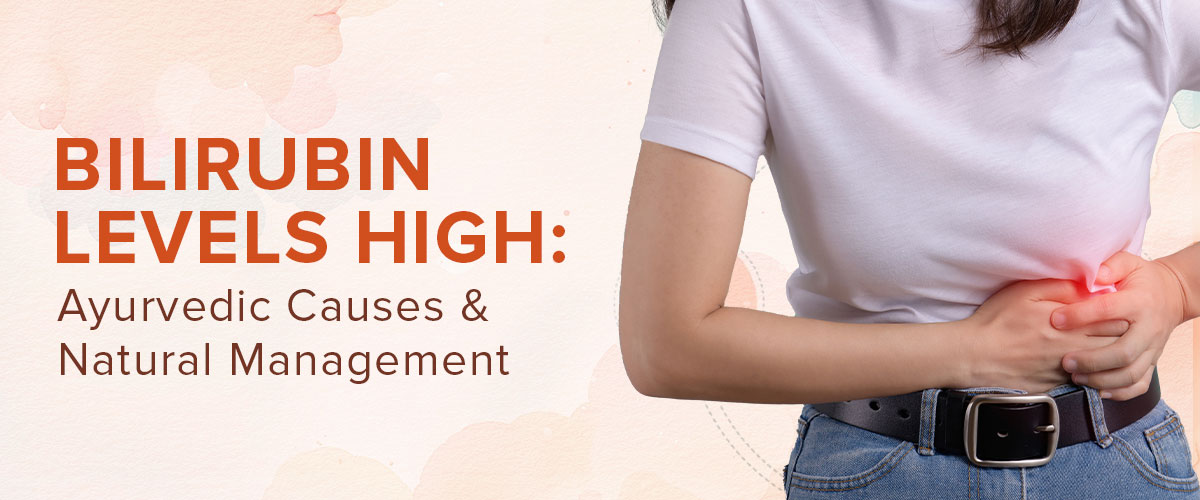
Sometimes it doesn’t even start with a blood test. It starts with a small sign - maybe your eyes look slightly yellow in the mirror, your urine seems darker than usual, or your appetite has quietly dropped. You ignore it at first. Then a doctor suggests a test, and the report shows one flagged value: bilirubin is high.
You start asking questions like, how did I get this? You didn’t really feel sick, but was it something you ate, was it stress, was it your liver, do you need medication now, or can this be taken care of the way you need it, with care and correction?
Health numbers can be intimidating, especially when they pop up out of the blue without any context. However, the truth lies in the fact that the body doesn’t suddenly do something out of the blue. Instead, it typically works towards creating a balance, albeit slowly, over time, in the following ways: digestion, routine, sleep, food, or stress. The lab value is commonly the final message, not the first.
What Exactly Is Bilirubin and Why Does It Increase?
Bilirubin is a natural yellow pigment your body makes every day when old red blood cells are broken down and replaced with new ones. The body processes this pigment through the liver, which then eliminates it from the body through the stools and urine. The body naturally produces bilirubin because it serves as a component of its waste elimination process. The situation becomes problematic when this waste management process experiences delays or interruptions. The body begins to accumulate bilirubin in the bloodstream when its processing and elimination systems fail to function correctly.
Why bilirubin levels may increase:
- The body experiences excessive bilirubin production because red blood cells undergo excessive breakdown.
- The liver functions are impaired because of stress and inflammation, which hampers bilirubin processing.
- The liver experiences bile flow problems because of either reduced bile production or complete bile duct obstruction.
- The liver suffers from weak digestion and metabolic abilities.
- The liver faces problems because of infections, medication, alcohol consumption, and dehydration, all of which put stress on it.
- The body loses its ability to process bilirubin after extended fasting periods or unhealthy eating habits.
- The gallbladder and bile duct conditions create delays in the body's ability to eliminate waste from the body.
What Symptoms Can Appear When Bilirubin Levels Are High?
When bilirubin levels rise, the body often gives small warning signs before anything feels serious. The body shows minor signs of bilirubin increase, which can be overlooked because they resemble normal fatigue and digestive problems. The yellow pigment circulating in higher amounts begins to affect the skin, eyes, urine, digestion, and overall energy. Not everyone gets all symptoms, and mild elevation may show only a few. Still, noticing these early clues helps you act on time. The early indicators will help you to decide your next steps because they show you what to do.
Common symptoms of high bilirubin include:
- Yellow discoloration of the skin (best visible during daylight)
- Dark yellow or tea-colored urine
- Pale or clay-colored stool
- Unusual tiredness or low energy levels
- Loss of appetite
- Nausea, or a bitter taste in the mouth
- Heaviness after meals
- Mild abdominal pain, particularly on the right side
- Itchy skin in some cases
These symptoms do not always appear together, and their intensity can vary. Even mild signs are worth noticing, because they often reflect how well the liver and bile flow are functioning. Early attention makes correction easier.
How Does Ayurveda Look at High Bilirubin Levels?
Though Ayurveda does not use the modern lab term "bilirubin," it clearly describes patterns of the body that strongly resemble what is observed when bilirubin rises. More than the blood value itself, Ayurveda looks into the complete state of digestion, liver heat, blood, and metabolic balance. Such conditions are generally understood under Pitta imbalance, especially when it affects the liver and blood systems.
In Ayurvedic understanding, the liver is not conceptualized as an independent organ. It is a part of a broad functional entity associated with heat, transformation, and purification within the body. When this principle of heat, referred to as Pitta, exceeds its normal limits or becomes disturbed, it starts influencing the processing of blood and bile. That is why yellow discoloration, digestive weakness, burning sensation, and toxic build-up are described in classical texts in ways similar to those suggested by high bilirubin patterns. The liver, according to Ayurveda, is intricately related to:
- Pitta dosha (heat and metabolism) - Pitta is the dosha that represents the temperature and metabolic activities of the body. The liver is a focus of Pitta. When Pitta is in excess, it overheats the functions of the liver and blood.
- Rakta dhatu (blood tissue) - Rakta dhatu refers to the blood tissue system, which is closely linked with the liver. When Rakta dhatu gets disturbed with excess heat, "yellowing" and "impure" signs might be present there.
- Agni (digestive and metabolic fire) - Agni is the digestive and metabolic fire, which manages the processing of food and nutrients. An impaired Agni will place undue stress upon the liver.
- Bile flow (Pitta secretion) - Bile is viewed as a Pitta secretion required for the digestive system. A smooth bile flow is required for the clearance of bilirubin.
When Pitta becomes too hot, sharp, or overloaded due to an unwholesome diet, stressful conditions, alcoholic consumption, an illness, or an irregular lifestyle, it may affect liver function as well as blood quality. The result may be similar to the increased bilirubin levels, which include yellowish discolorations, decreased appetite, nausea, feelings of heavy sensations, and signs of internal heat.
In Ayurveda, there is a lot of importance given to Ama, or metabolic toxins produced as a result of incomplete digestion. If digestion is weak, then Ama develops and begins to pile up in smaller and smaller passages, such as the liver and biliary system, thereby slowing these processes further. Ayurveda is not just concerned with “what is the level?”; it is concerned with some much deeper questions:
- How is digestion?
- Is there excess body heat?
- Is there toxin buildup (Ama)?
- Is bile flow disturbed?
- Is the person under stress or anger?
- Are food habits irregular?
So instead of chasing the number alone, the Ayurveda system functions through its three essential processes, which enable body purification and system regeneration. The treatment aims to restore digestive power while eliminating excessive body heat, treating metabolic waste, and restoring normal liver-bile function.
Could Your Daily Habits Be Quietly Raising Bilirubin?
Bilirubin levels can rise due to infections and liver diseases, but in many mild to moderate cases, everyday habits also play a hidden role in disturbing liver balance. Eating fried and oily foods regularly can overload the digestive system and put extra strain on the liver. Excess intake of spicy and sour foods may increase Pitta (body heat), which can irritate liver function over time. Drinking too much alcohol and eating late at night can disturb liver metabolism and its natural working rhythm. Irregular meal timing - such as skipping meals and then overeating - can confuse digestion and bile release. Emotional factors like long-term stress and suppressed anger are also linked with liver imbalance in Ayurveda, as mental heat can turn into physical heat in the body. Even low daily water intake can affect liver function, because poor hydration slows waste removal and bile flow.
Which Ayurvedic Herbs Traditionally Support Liver Balance?
Ayurvedic medicine has long made use of certain herbs for liver and Pitta balancing. Ayurvedic herbs are important, and the formulas are generally provided as part of an overall treatment plan, not as band-aid approaches to quickly solving problems. Certain herbs are valued for their bitter, cooling, and cleansing properties to effectively combat Pitta and any related problems with digestive function and detoxification systems.
- Bhumi Amla - It is used to support liver function and bile production; often included in classical liver formulas and when signs of yellowing are present.
- Kutki - It is recognized to have supportive effects of detox processes in the liver and digestion, as its bitter taste reduces excessive Pitta.
- Guduchi (Giloy) - It tonifies the immune system, reduces inflammatory heat, and is utilized when liver stress is related to infection and fever patterns.
- Kalmegh - A very bitter plant often used in traditional liver tonics; specifically helpful for supporting bile and metabolism cleansing actions.
- Amla - It has cooling and antioxidant properties, helpful for Pitta, digestion, and blood tissues.
- Bhringraj - It is traditionally associated with liver and blood system benefits. Also associated with Pitta balancing.
- Neem - Bitter and cooling in nature, prescribed when heat and toxin signs are elevated in the blood and skin tissues, along with liver stress.
Herb choice, dose, and duration depend on digestion, strength, age, and root cause. Liver conditions should always be assessed by a qualified practitioner rather than self-medicating.
Can Bilirubin Levels Improve With Gentle Ayurvedic Support?
In cases where the level is slightly to moderately high and related to digestion, diet, and other lifestyle stresses, it is possible to see improvement with a gentle Ayurvedic approach. It is not possible to aim for bringing those numbers down quickly, but rather to bring balance and harmony to the body. This means supporting digestion, reducing excess heat inside the body from digestion, correctly using herbs on the liver, optimizing sleep patterns, lifestyles, and overall hydration. When digestive fire is stabilized, the body's liver function is aided to improve the overall digestion of bilirubin. Ayurvedic medicine works by bringing balance to the inner environment, and then, as the body returns to balance and harmony, other tests reflect normalization.
Final Thoughts
High bilirubin may not just be a number to fear about, but may actually be an indication to check things out. It may be a reflection of how well your liver, digestive system, bile production, and even your daily habits work together. In most cases, especially if the proneness to high levels is mild, your body can actually cope well with slight changes in your food, digestion, sleep schedule, and stress levels. Another way to approach this is by using the perspective of Ayurveda, where it is believed that levels may actually depend on a balance of heat in the body, the strength of digestion, and even toxins. Thus, it is not always necessary to fear high levels; what is necessary is to have awareness about how to correct things while they are still in line. Gentle care is always better than drastic measures.
If you are suffering from high Bilrubin levels or any other disease, you can consult with certified Jiva doctors for personalised treatment and proper guidance. Call today: 0129-4264323.