 Published on
08 Jul, 2026
Published on
08 Jul, 2026 Updated on 08 Jul, 2026
 5092
5092The sky turns a dramatic slate gray. The first heavy drops hit the pavement. Everyone loves a good monsoon downpour when looking out from a cosy living room window with a cup of coffee. The reality of the morning commute is completely different.
You drive through a flooded street. You evade menacing umbrellas. Finally, you make it to your desk, dripping wet, your hair soaked, and your shoes completely waterlogged. It is certainly the rainy season. It's also quite a logistical and biological issue for working professionals. The combination of colder weather and higher humidity creates a very unhealthy environment in the typical office setting, very rapidly.
Staying fit and healthy at work during these months requires a fundamental shift in your daily routine. You cannot operate the same way you do in the dry heat of April. You need a strategy.
The Office Environment Trap
Modern corporate buildings are heavily air-conditioned. During the scorching summer months, this is a massive relief. During the monsoon, it is a severe liability.
You arrive at the office with wet clothes. The central AC immediately blows cold air over your damp clothes. As the moisture evaporates, it pulls heat away from your skin, making you feel much colder than the actual room temperature. This sudden temperature change forces your body to work harder to maintain its normal temperature.
You become instantly more susceptible to the rhinoviruses and adenoviruses that are already circulating in the poorly ventilated office air. Furthermore, constant environmental dampness creates a perfect breeding ground for mold and fungal spores in carpets, upholstery, and air ducts. Respiratory distress predictably spikes during July and August. Asthma acts up. Allergies flare. It is not just the rain outside making you sick. It is the micro-climate inside your building.
The absolute best investment you can make for your workplace health is keeping a spare set of clothes at your desk. It sounds tedious, but changing out of damp socks and a wet shirt immediately upon arrival is the single most effective way to prevent a mid-week fever.

Hydration and the Fried Food Fallacy
When the weather gets gloomy, human biology craves comfort. Specifically, we crave heavy carbohydrates and deep-fried snacks. The office canteen suddenly does a roaring trade in samosas, pakoras, and heavy gravies. Eating hot, oily food on a rainy afternoon feels deeply right. Biologically speaking, it is exactly the wrong move.
Human digestion is naturally slowed during the monsoon period. During a high-humidity day, food is much more difficult to digest, and digesting something fatty becomes much more of a challenge. These types of food have a higher energy cost for digestion in the stomach. This results in extreme drowsiness in the afternoon. You're seated in your office, feeling full, tired, and unable to concentrate on the spreadsheet you're looking at.
Hydration also takes a massive hit during the rains. Because the air is cool and you aren't sweating visibly, your thirst mechanism simply shuts off. You stop drinking water. Yet, the dry air from the office AC is constantly pulling moisture from your skin and your lungs. Dehydration headaches in the monsoon are incredibly common. People simply forget to drink water when it isn't hot outside. You must keep a water bottle on your desk and drink from it mechanically, regardless of whether you feel thirsty.
The Ayurvedic Perspective
Modern gastroenterology confirms that our digestion takes a severe hit during the rainy season. Interestingly, ancient medical frameworks built their entire monsoon protocol around this exact physiological phenomenon.
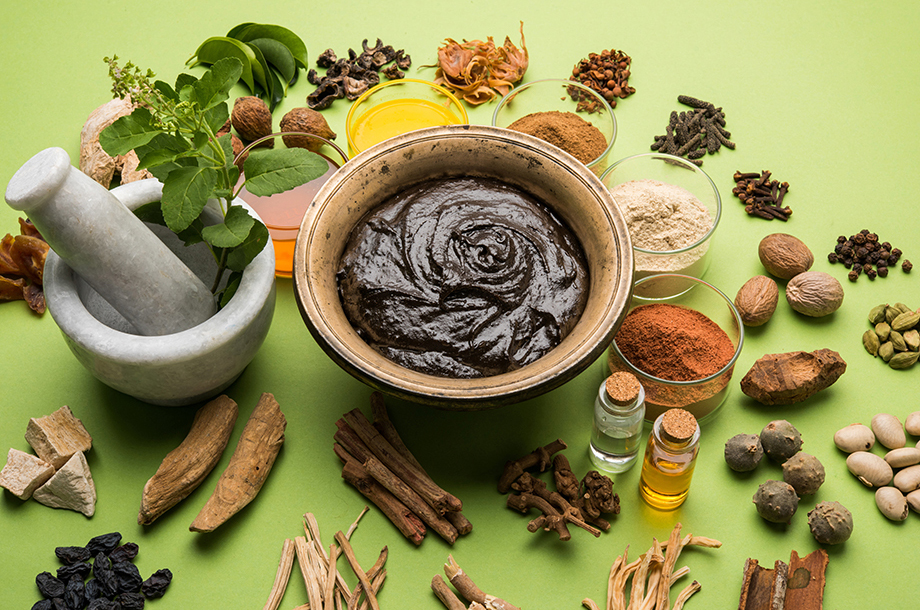
In the Ayurvedic tradition, the monsoon period is known as Varsha Ritu. During this time, the sudden shift in the environment severely dampens the Agni, or digestive fire. The damp, heavy qualities of the earth are mirrored internally. Practitioners have long understood that when digestion becomes sluggish, eating raw, cold, or heavy foods creates Ama. This is a toxic, undigested metabolic waste that clogs the bodily channels and drastically tanks your immunity.
During rainy weather, the Ayurvedic lifestyle will naturally guard the body with a lot of focus on internal warming. The idea is to get rid of cold, raw salads at lunch and ice-cold beverages altogether. Rather, its emphasis is placed on nutrient-rich, subtle and cosy foods. Fresh ginger, black pepper, and garlic are examples of spices that can be added to the food to help fire the digestive fire. Warm Tulsi (holy basil) water consumed in the course of the day will actively dispel the dampness inside the body and keep the respiratory channels open. It's highly practical, holistic, and an ideal approach which perfectly matches current nutritional guidelines to maintain a clear system with strength in a hostile weather.

Tactical Office Hygiene and Movement
Staying healthy requires treating your cubicle like a forward operating base. You have to manage your immediate surroundings.
Sitting in damp footwear for eight hours is a guaranteed ticket to a fungal infection. Athlete's foot and ringworm thrive in the dark, warm, moist environment of wet formal shoes. If you cannot keep a full change of clothes at work, you must at least keep a spare pair of dry socks and comfortable indoor shoes in your bottom drawer. Change your footwear the second you sit down.
Surface hygiene also becomes critical. You need to wash your hands far more than you think is necessary. The communal coffee machine handle, the printer buttons, and the breakroom refrigerator door are viral hotspots during the monsoon. Keep a bottle of sanitiser at your desk. Use it after every trip to a common area.
In addition, the rain generally does not allow for the post-lunch stroll. You spend the whole day stuck inside your office. You spend your whole day inside your office. This is no excuse to be sitting for eight hours straight. Inactivity causes blood to pool in the legs and contributes to a slowing metabolism even more. Movement needs to be enforced. Use stairs rather than the elevator between departments. Use the allotted bathroom break to get up from your seat and take phone calls. Every hour, stretch your neck, rotate your shoulders, and gently lengthen your spine while seated.
Doctor’s Note
Sudden transitions from humid outdoor rain to a freezing, air-conditioned office can trigger respiratory tract irritation and lower your body's localized immunity, making viral transmission highly likely. While mild congestion is common during the monsoon, red-flag symptoms like a high fever accompanied by chills, persistent wheezing, or spreading skin lesions from damp footwear should never be self-treated with over-the-counter pills. These require a formal medical evaluation to rule out seasonal spikes like dengue, typhoid, or severe secondary fungal infections, particularly if you have underlying health conditions like asthma or diabetes.
The Mental Toll of Gray Skies
Finally, we have to address the brain. Sunlight dictates our circadian rhythms. It triggers the release of serotonin, a neurotransmitter responsible for mood elevation, alertness, and focus.
Serotonin levels decline when the sun goes behind the opaqueness of monsoon clouds for days and days. At the same time, melatonin (the hormone that regulates sleep) remains somewhat elevated because it feels like nighttime. This cocktail of hormones is the reason you feel super sluggish, lack motivation, and feel a bit of a downer on a rainy Tuesday morning. It is a mild version of Seasonal Affective Disorder (SAD), which is caused by nature.
You cannot control the sky. You can, however, control your exposure to light. If you are stuck in an office, open the blinds. Sit as close to a window as possible, even if it is cloudy. Ensure your immediate workspace is brightly lit. Avoid sitting in dim conference rooms for longer than necessary. The monsoon season demands respect. It demands preparation. You cannot just power through it with sheer willpower. Pack the dry socks. Skip the heavy fried snacks at lunch. Drink warm water consistently. Force yourself to move. Your workday does not have to be a miserable, soggy grind. A few smart biological pivots are all it takes to stay dry, highly focused, and healthy until the skies finally clear.
References:
Infectious Diseases - From Monsoons to Microbes - NCBI Bookshelf
Cold intolerance and associated factors: a population study - PMC