Diabetes, arthritis, skin disorders & more! Get a free consultation with Top Ayurveda doctors - +91 9266714040 | No travel, No waiting – Consult Jiva’s doctors from home via video call! | Get up to 10% OFF! On Authentic Ayurveda Products! Best Prices only on the brand store. Visit : www.store.jiva.com
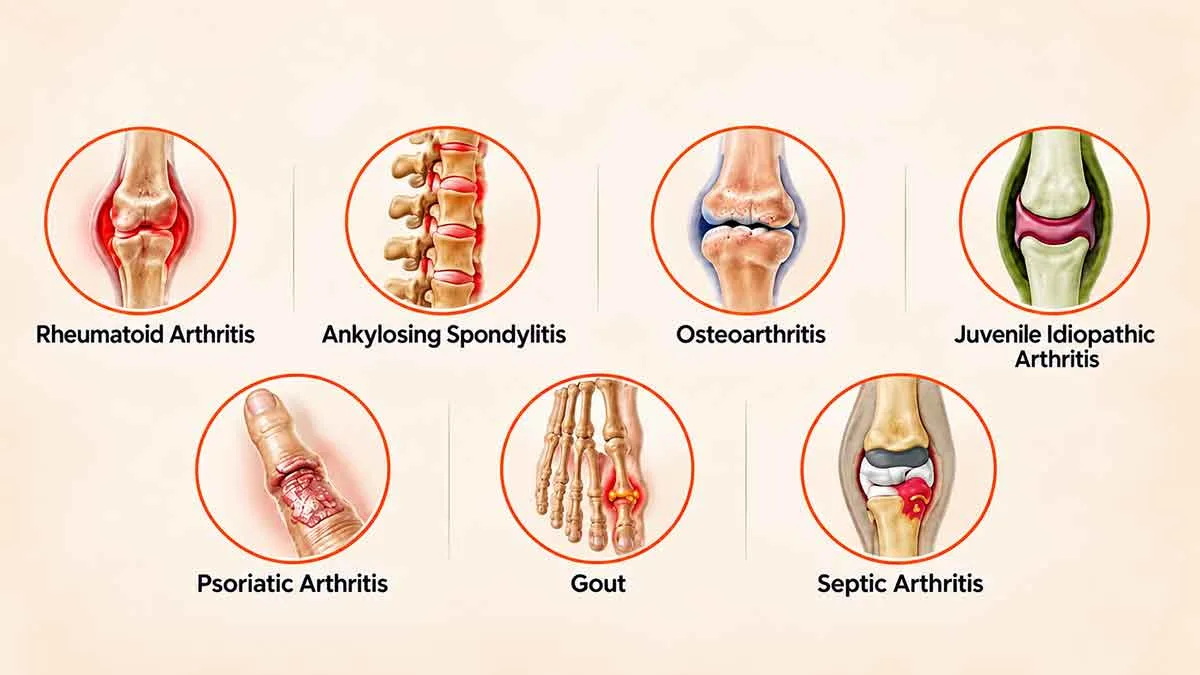
Arthritis is an umbrella term that includes more than 100 conditions that affect your joints and the surrounding tissues. It is typically associated with pain that affects your ability to move your joints. Depending on the type, it can cause swelling, tenderness, stiffness, and severe pain in the joints. Osteoarthritis, rheumatoid arthritis, gout, and ankylosing spondylitis are the most common among the different forms of arthritis that can be seen in many people.
Who Can Consider Ayurvedic Treatment for Arthritis?
Do your knees hurt while climbing stairs? Do your fingers feel stiff when you wake up in the morning? Or have you been struggling with joint pain for several months?
Arthritis can make everyday activities such as walking, sitting, cooking, or getting out of bed uncomfortable. Some people experience mild pain, while others develop swelling, stiffness, and difficulty moving their joints.
At Jiva Ayurveda, doctors assess your symptoms, medical history, daily routine, and the type of arthritis before recommending personalised Ayurvedic care.
1. People with Knee Pain and Stiffness
If your knees hurt while walking, climbing stairs, or getting up from a chair, arthritis may be one possible cause.
Knee osteoarthritis is common among middle-aged and older adults. It can cause pain, stiffness, and difficulty bending the knees.
A suitable care plan may include joint-friendly exercises, weight management where needed, lifestyle guidance, and appropriate complementary Ayurvedic support.
2. People with Morning Joint Stiffness
Do your fingers, wrists, or knees feel stiff when you wake up?
Morning stiffness can occur in different types of arthritis. Stiffness that lasts for a long time, particularly with swelling in several joints, may indicate inflammatory arthritis such as rheumatoid arthritis.
Early medical evaluation is important to identify the type of arthritis and prevent avoidable joint damage.
3. People with Swelling and Pain in Multiple Joints
Some people experience pain in both hands, wrists, knees, or ankles. The affected joints may also become swollen, warm, or tender.
These symptoms can be associated with inflammatory arthritis. A doctor may recommend blood tests, imaging, or specialist evaluation to understand the cause.
Ayurvedic care may be considered as additional support, but it should not replace prescribed treatment for inflammatory arthritis.
4. Older Adults Experiencing Joint Pain
As people age, changes in joints, muscles, and bones can make activities such as walking, climbing stairs, or sitting for long periods more difficult.
Osteoarthritis is one common cause, although age alone does not confirm the diagnosis.
Treatment may focus on maintaining mobility, strengthening the muscles around affected joints, and managing discomfort safely.
5. People with Arthritis and Excess Body Weight
Extra body weight increases the load on weight-bearing joints, particularly the knees and hips.
For people who are overweight, gradual weight management combined with suitable exercise may help reduce joint pain and improve movement.
6. People Whose Arthritis Affects Daily Activities
If joint pain makes it difficult to cook, work, travel, walk, or perform household activities, it may be time to review your treatment plan.
Your doctor can assess your current symptoms, physical limitations, and medical needs before recommending supportive care.
How Does Arthritis Treatment Differ According to the Type?
Not every person with arthritis needs the same treatment. Understanding the type of arthritis is important because the causes, symptoms, and treatment goals can be very different.
Osteoarthritis – Joint Pain Caused by Changes in Joint Tissues
Osteoarthritis commonly affects the knees, hips, hands, and spine.
Patients may experience pain during movement, stiffness after rest, and difficulty performing everyday tasks.
Management often focuses on regular exercise, muscle strengthening, weight management when appropriate, and pain relief. Some patients with advanced joint damage may require specialist procedures.
Rheumatoid arthritis is an autoimmune condition that often affects both sides of the body, particularly the hands, wrists, and feet.
Symptoms may include prolonged morning stiffness, swollen joints, tiredness, and reduced grip strength.
Early treatment with disease-modifying antirheumatic drugs (DMARDs), prescribed by a qualified specialist, is important to reduce the risk of permanent joint damage.
Ayurvedic care should only be used as complementary support and must not replace these medicines.
Gout – Sudden Joint Pain and Swelling
Gout can cause sudden, severe pain, redness, and swelling, often affecting the big toe, ankle, or knee.
It occurs when urate crystals build up in and around joints.
Management may involve medicines to control attacks, uric-acid-lowering treatment when indicated, and suitable changes to diet and lifestyle.
Psoriatic Arthritis – Joint Pain Associated with Psoriasis
Some people with psoriasis also develop joint pain, swelling, or stiffness.
This condition can affect fingers, toes, knees, or the spine and may require early treatment to prevent joint damage.
Ankylosing Spondylitis – Inflammatory Arthritis of the Spine
This condition commonly causes back stiffness and pain, especially during the morning or after resting. Treatment may include regular physical activity, physiotherapy, and specialist-prescribed medicines to control inflammation.
My name is Dinesh Chandra Baghel. I am 61 years old, and for the last two years I had been suffering from severe joint pain and had difficulty in walking and moving around. I consulted an orthopedic doctor who advised me to undergo immediate surgery. However, I later came to know about Jiva Ayurveda and visited their Lajpat Nagar center, where I met Dr. Sikandar. He started my Panchkarma treatment along with medicines. Within two months, I experienced significant relief and now I am able to walk and move comfortably.
I humbly request everyone to visit Jiva Ayurveda at least once.
Thank you, Jiva Ayurveda.
I took panchakarma sessions here and it helped in relieving my pain because of rheumatoid arthritis. I was personally attended by Parvati who is very professional, helpful and knowledgeable in her work. The experience was great and worth it.
my name is suman singh
I am suffering from arthritis.
I am going to jiva ayurveda alpha clinic
Dr Advised me Panchkarma and Medicine. I am starting medicine i got relief for 2 months medicine and Panchkarma setings
Dr & Staff is very good also Panchkarma therapist.
thanks, jiva ayurveda.
Patient Success Stories
Arthritis Symptoms
Joint pain and tenderness
This is usually the first symptom. You might have a dull ache or a sharp pain in your knees, fingers, wrists or back. The pain can become worse following physical exercise or at the end of the day.
Stiffness, especially in the morning
Do your joints feel tight in the morning or after sitting for long periods? That stiffness is a sign of arthritis. It may be there for some time before you can move around again comfortably.
Swelling and redness around the joints
Your joints may look bigger than usual or feel puffy and warm because of arthritis inflammation. This swelling may come and go or may last for some time depending on your arthritis type.
Decreased range of motion
If it is harder than usual to move your joints, or if you are struggling to bend or straighten them completely, it may be due to arthritis. You might have to avoid certain movements because of the discomfort.
Fatigue and a general feeling of discomfort
Due to the constant discomfort, you may feel more exhausted than before.
In severe cases, deformities of the joints
In serious cases, arthritis can even cause deformities in your joints along with severe pain and restricted movement.
Warmth or redness
The skin around your joints may feel warm or red. This is another sign of inflammation in your joints.
Flare-ups
Some forms of arthritis occur in an episodic fashion. You might be fine one moment and then suddenly, your symptoms may get worse. These are called flare ups and are generally caused by stress, certain foods or cold weather.
How We Assess Arthritis Patients at Jiva Ayurveda
At Jiva Ayurveda, the assessment focuses on identifying the root cause rather than just symptoms. The assessment includes:
Checking Your Natural Energy (Prakriti & Vikriti): Doctors check for imbalances in the internal energies Vata, Pitta, or Kapha, which can often be triggered by the wrong diet and lifestyle of a person.
Checking Your Digestive Fire (Agni): The doctor will ask you about your digestion. If your digestion is weak, then it can cause Ama buildup in your body.
Checking Your Strength (Bala): They will look at your overall strength and natural immunity to see how well your body can handle the healing process.
Reading Your Pulse (Nadi Pariksha): They might gently feel the pulse on your wrist. In Ayurveda, pulse reading acts as a roadmap showing how the energies and fluids are moving inside your body.
Reviewing Your Daily Habits: They will ask detailed questions about what you eat, when you eat, how you sleep, when you sleep, and your daily activities to find the hidden triggers causing you pain.
How Does Jiva Ayurveda Help in Arthritis Management?
In Ayurveda, arthritis-related conditions are traditionally described under Sandhigata Vata (osteoarthritis) and Amavata (rheumatoid arthritis). Ayurveda considers factors such as digestion, toxic buildup (Aama), bone health, daily routine, physical activity, and individual body constitution when assessing joint pain and inflammation.
At Jiva Ayurveda, arthritis care focuses on understanding these root causes and recommending a personalised, inside-out healing plan.
Understanding Your Joint Pain and Daily Routine
Before recommending a treatment, the Jiva Ayurveda doctor will ask detailed questions to understand your specific condition:
How long have you been experiencing joint pain or stiffness?
Which joints are most affected (knees, fingers, lower back)?
Is the pain worse in the morning, or does it increase with activity?
Do you experience swelling, redness, or a grinding sound in the joints?
What do you normally eat for breakfast, lunch, and dinner?
Are you currently taking any painkillers or anti-inflammatory tablets?
Do you have other conditions, such as severe acidity, constipation, or thyroid issues?
The doctor will also deeply assess your Prakriti (body constitution) and digestive fire (Agni). This helps create a care plan suited entirely to your health needs.
Ayurvedic Medicines Based on Your Health Condition
Ayurveda traditionally uses powerful herbs such as Shallaki, Ashwagandha, Guggulu, and Nirgundi in arthritis-related care. However, not every herb is suitable for every patient. A Jiva Ayurveda doctor will recommend specific formulations after reviewing your medical history, pain levels, and whether your arthritis is caused by dry wear-and-tear (Vata) or toxic inflammation (Aama).
These medicines aim to reduce swelling, repair joint tissue, and clear out the toxic waste blocking your joints, but they must always be taken under expert medical guidance.
An Arthritis-Friendly Indian Diet
Managing arthritis requires eating foods that nourish the bones and do not create internal inflammation. Your doctor will recommend simple changes such as:
Including warm, freshly cooked meals with a little ghee to naturally lubricate dry joints.
Avoiding cold, dry, or heavily processed foods that increase stiffness.
Limiting highly acidic or sour foods (like tomatoes, tamarind, and curd at night), which can trigger intense joint pain.
Eating more warm, easy-to-digest foods like moong dal, ginger, and garlic to keep your digestive fire strong and prevent toxic buildup.
Ensuring regular meal timings and avoiding heavy meals late at night.
The right diet depends entirely on your pain levels, body weight, and the specific type of arthritis you are managing.
Gentle Movement and Better Lifestyle Habits
Joints are designed to move, but the wrong type of movement can cause severe damage. Your doctor may suggest:
Practicing gentle, non-weight-bearing exercises like swimming or specific yoga stretches to maintain joint mobility.
Avoiding high-impact activities, heavy lifting, or sitting on the floor cross-legged for long periods.
Keeping your joints warm, especially during the winter or in air-conditioned rooms.
Applying prescribed Ayurvedic oils with gentle massage (only if recommended, as rubbing actively inflamed Amavata joints can worsen the condition).
Managing body weight to reduce the physical stress on your knees and lower back.
Regular Doctor Follow-ups
Arthritis is a progressive condition that requires continuous care. Your doctor will regularly review your pain levels, mobility, diet, and overall progress during follow-up consultations. As your body changes and heals, your personalized supportive care plan will be carefully adjusted to ensure long-term relief.
Looking for personalized Ayurvedic support for joint pain?
Book a consultation with a Jiva Ayurveda doctor to discuss your symptoms, current medicines, and start your journey toward pain-free movement.
Panchakarma Therapies for Arthritis Treatment
Panchakarma is a highly effective, traditional part of Ayurvedic arthritis care. It is a deep clinical treatment designed to pull trapped toxic waste out of your body and push lubrication into dry, grinding joints. Doctors carefully select specific therapies based on your type:
Janu Basti: Warm medicated oil is poured over your knee to lubricate dry cartilage and repair damaged tissue.
Kati Basti: This same warm oil process targets lower back pain, relaxing tense muscles and relieving pinched nerves.
Potli Basti: Warm herbal pouches are pressed onto painful joints to melt away sticky waste and quickly reduce heavy inflammation.
Vasti: Medicated herbal oils are introduced into the colon to calm Vata and stop bone generation.
If your joints are actively red and hot (amavata), heavy oil massages can actually worsen the pain. This is exactly why an Ayurvedic doctor always prescribes your Panchakarma.
Your Arthritis Care Journey at Jiva Ayurveda
Step 1: Speak to a Jiva Ayurveda Doctor
Book a clinic or video consultation by calling +91 9266714040, depending on availability and your medical needs. Tell the doctor about your arthritis history, symptoms, and current treatment.
Step 2: Share Your Medical Reports
Share all the medical reports of your condition. Also share the names of the arthritis medicines you are taking.
Step 3: Get a Personalised Care Plan
Your doctor may suggest suitable Ayurvedic support, dietary changes, exercise, and lifestyle recommendations according to your health condition.
Step 4: Follow the Plan and Monitor Your Sugar
Follow the recommended routine and keep a simple record of your progress to discuss during the next consultation.
Step 5: Review Your Progress
During follow-ups, your doctor can review your reports, discuss any difficulties, and make suitable changes to your supportive care plan.
Arthritis management is a long-term process, and regular monitoring remains important.
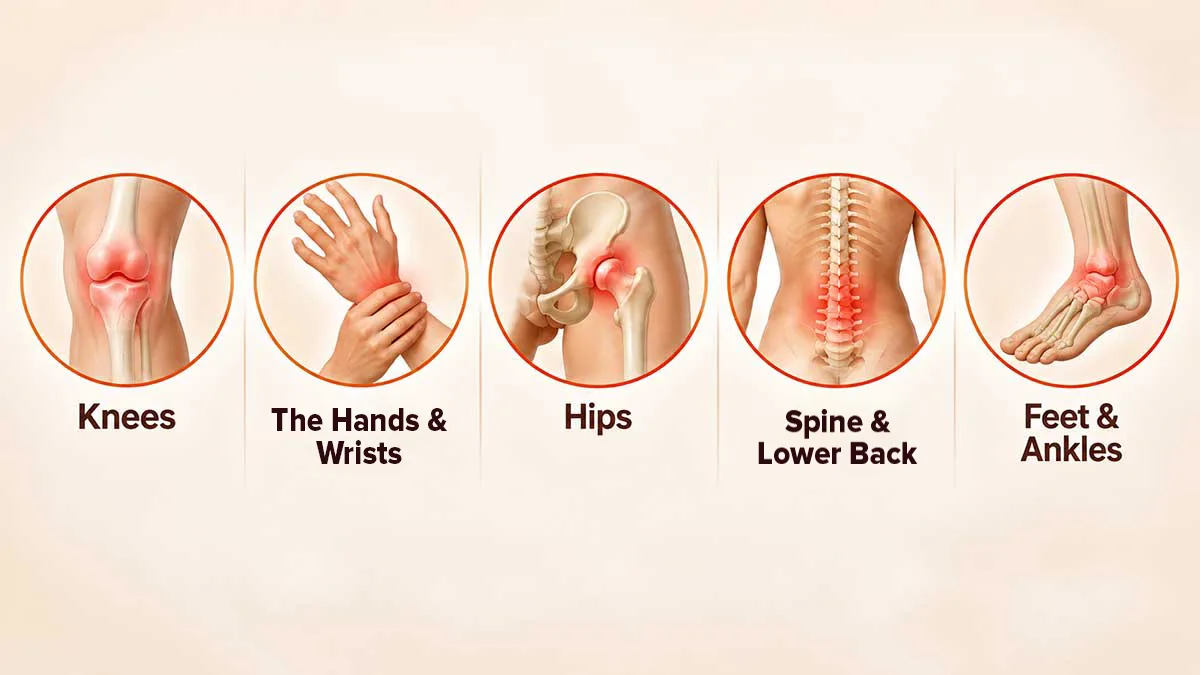
Ayurvedic Care for Arthritis in Different Joints
Arthritis can affect different joints, and the difficulties patients experience often depend on which part of the body is involved.
1. Ayurvedic Support for Knee Arthritis
Knee arthritis may cause pain while walking, using stairs, standing for a long time, or getting up after sitting.
Some people also notice stiffness after waking up or after sitting in one position.
A personalised management plan may include:
Gentle knee-strengthening exercises
Suitable walking or other low-impact activities
Weight management when appropriate
Changes to activities that place excess strain on the knees
Physician-guided Ayurvedic support, where suitable
The aim is to help patients maintain movement and manage discomfort without placing unnecessary pressure on affected joints.
2. Ayurvedic Support for Hand and Finger Arthritis
Hand arthritis can make everyday activities such as holding a cup, opening a bottle, writing, cooking, or gripping household items painful.
Some people experience swelling or stiffness in the fingers, particularly in the morning.
Management may include gentle hand exercises, joint protection techniques, suitable daily activity modifications, and medical treatment according to the type of arthritis.
If multiple finger joints remain swollen or stiff for prolonged periods, evaluation for rheumatoid arthritis may be necessary.
3. Ayurvedic Support for Hip Arthritis
Hip arthritis can cause pain around the groin, hip, thigh, or buttock. Patients may find it difficult to walk long distances, climb stairs, or sit comfortably.
Doctors may recommend suitable exercises, strengthening activities, mobility support, and individualised lifestyle changes.
The treatment plan depends on the severity of joint damage and the person's ability to move.
4. Arthritis Affecting the Spine and Back
Some forms of arthritis affect the joints of the spine, causing back pain, stiffness, or reduced flexibility. Conditions such as ankylosing spondylitis involve inflammation and require specific medical assessment and treatment. Suitable physical activity and physiotherapy can help maintain mobility, while Ayurvedic lifestyle guidance may be considered as complementary support.
5. Arthritis Affecting the Feet and Ankles
Arthritis in the feet and ankles may make standing, walking, or wearing footwear uncomfortable.
The cause may be osteoarthritis, rheumatoid arthritis, gout, or another joint condition.
Management can involve appropriate footwear, exercise modifications, joint support, and disease-specific medical treatment.
What Improvements Can You Work Towards During Arthritis Management?
Arthritis treatment is not just about reducing pain for a few hours. Long-term management also focuses on helping people remain active and continue their daily activities.
Your individual treatment goals may include:
Better Joint Movement
Improving or maintaining the ability to bend, straighten, and move affected joints through appropriate exercise and medical care.
Less Difficulty in Everyday Activities
Working towards greater comfort while walking, climbing stairs, dressing, cooking, or performing household tasks.
Managing Morning Stiffness
Identifying the cause of stiffness and following suitable treatment and movement recommendations.
Stronger Muscles Around the Joints
Muscle-strengthening exercises can support affected joints, improve stability, and reduce unnecessary strain.
Maintaining a Healthy Body Weight
Where appropriate, gradual weight loss may reduce pressure on the knees and hips.
Protecting Joints from Further Damage
For inflammatory arthritis, early diagnosis and effective medical treatment are especially important to limit joint damage.
Results vary depending on the type of arthritis, severity, treatment followed, and individual health. No treatment can guarantee permanent relief or complete reversal of arthritis.
Which Tests and Reports Should You Bring for an Arthritis Consultation?
If you have been experiencing joint pain for several weeks or months, bringing your previous medical reports can help the doctor understand your condition.
Depending on your symptoms, useful reports may include:
X-ray Reports
X-rays may help identify changes in bones and joints, particularly in osteoarthritis.
Rheumatoid Factor (RF) and Anti-CCP Tests
These blood tests may help doctors evaluate suspected rheumatoid arthritis. However, test results alone cannot confirm or exclude the condition.
ESR and CRP Tests
These tests help identify inflammation in the body, although they do not identify the exact cause.
Uric Acid Test
This test may be relevant when gout is suspected. A high uric acid level alone does not confirm gout.
MRI or Ultrasound Reports
These may be recommended in selected cases to examine inflammation or changes in joint tissues.
Current Medicine Details
Bring the names or prescriptions of any pain medicines, steroids, arthritis medicines, or other treatments you are taking.
You do not need to get every test done before consulting a doctor. Your healthcare professional will recommend investigations according to your symptoms and examination.
How to Manage Arthritis Pain in Daily Life
Small changes to everyday activities can help reduce unnecessary strain on painful joints.
1. Be Careful While Climbing Stairs
If you have knee arthritis, using a handrail and taking stairs slowly may help you feel more stable. Avoid repeatedly climbing stairs when your pain is severe.
2. Avoid Sitting in One Position for Too Long
Sitting continuously on a chair or working at a desk for several hours can increase stiffness.
Take regular movement breaks and gently stretch your joints as comfortably as possible.
3. Modify Floor-Sitting Activities
If bending your knees causes pain, prolonged squatting or sitting cross-legged on the floor may be uncomfortable. Using a chair for meals, prayer, or other activities can reduce the load on affected joints.
4. Continue Suitable Physical Activity
Complete rest is usually not necessary for most forms of arthritis. Low-impact activities such as walking, cycling, water-based exercise, or physiotherapist-recommended movements can help maintain flexibility and muscle strength. Avoid forcing painful joints during a severe flare-up.
5. Choose Comfortable Footwear
Supportive footwear may improve comfort while walking, particularly if you experience knee, hip, or foot pain.
6. Use Hot or Cold Packs Appropriately
Warm compresses may help ease stiffness, while cold packs may help with certain episodes of pain and swelling. Do not apply extreme heat to a hot, swollen joint. If a joint suddenly becomes severely painful, red, and swollen, particularly with fever, seek urgent medical care.
7. Eat a Balanced Indian Diet
Include suitable amounts of dal, vegetables, fruits, whole grains, dairy or other calcium sources, and protein-rich foods.
Red Flags To Watch Out For
While Arthritis happens slowly over time, joint pain can be a sign of a serious problem.
If you have persistent joint pain, stiffness, or swelling.
If you have difficulty moving your joints.
If your joints stay stiff in the morning for hours.
If you experience redness or warmth around the joints.
If your joint pain is preventing you from doing even your daily activities such as walking or gripping objects.
If you experience these red flags, then immediately see a doctor.
Patient Testimonial – Ranjana
“I started experiencing arthritis symptoms in 2016. At night, my hands would become numb while sleeping, and I also had stiffness and discomfort in my joints. These problems gradually started affecting my daily routine.
Later, I decided to try Ayurvedic treatment at Jiva Ayurveda. The doctors carefully understood my condition and suggested a personalised treatment plan. After following the medicines and lifestyle advice regularly, I started noticing improvement. The numbness in my hands reduced, and my joint discomfort became much better. I feel much more comfortable now and can manage my daily activities with greater ease.”
Estimated Cost of Treatment for Arthritis at Jiva Ayurveda
Knowing how much your treatment will cost is important. At Jiva Ayurveda, we keep our pricing clear and upfront so you can choose the right plan for your health according to your needs.
Treatment Cost
If you are looking for regular, ongoing support, the starting cost for your medicines and doctor's consultation is usually between Rs 3000 and Rs 3500. Just keep in mind that this is just the baseline cost; the real cost may vary depending on the severity of the disease.
Protocol
For a deeper step-by-step approach, we offer specific healing packages that last for 3 to 4 months. You make a one-time payment ranging from Rs 15000 to Rs 40000 for the entire period.
The package includes:
All medicines and doctor visits
Hands-on physical therapy
Customized diet plans, Yoga and meditation therapies
Mental well-being support session
Why Should You Choose Jiva Ayurveda?
Jiva Ayurveda provides customised and root-based Ayurvedic treatment that is primarily focused on providing health and wellness solutions for specific patients.
Patient-specific treatment: Jiva’s therapy and treatments are structured by professional doctors for unique prakriti, diet, and lifestyle.
Root-based Treatment: Jiva focuses on the specific root cause of the health condition or disease rather than focusing only on formal medicines; we focus on the internal problem.
Authentic Ayurvedic medicines: Jiva provides authentic Ayurvedic medicines; we follow strict quality parameters to ensure safety and effectiveness.
Protocol- based Analysis: We follow research-backed clinical methods to provide structured assistance to our patients.
Assist 8000+ patients every single day: Jiva's doctors are specialised in a wide range of Ayurvedic healthcare, and every single day we assist more than 8000 people.
While not all types can be completely prevented, you can reduce the risk by maintaining a healthy weight, exercising regularly, and avoiding joint injuries. A balanced diet and stress management also support joint health.
Low-impact exercises (walking, swimming, yoga), proper posture, avoiding repetitive joint strain, and quitting smoking help protect joints. Anti-inflammatory diets rich in fruits, vegetables, nuts, and omega-3s can also reduce risk.
Relief from pain and stiffness may be noticed in a few weeks with proper Ayurvedic care, diet, and therapies. Full improvement in joint flexibility and strength can take 2–3 months, depending on severity and consistency of treatment.
Yes. Gentle exercises, heat or cold therapy, stress reduction, and dietary adjustments can help manage flare-ups between professional treatments.
Ayurvedic medicines, Panchakarma therapies, diet, and lifestyle modifications work together to balance doshas, reduce inflammation, strengthen joints, and prevent future damage.
Results can be long-lasting with consistent lifestyle habits, proper care, and avoidance of triggers. Regular follow-up and preventive measures are essential for maintaining joint health.
Avoid processed foods, cold and raw foods, and excessive intake of red meat and fried foods, which can worsen inflammation.
In severe cases, untreated arthritis can cause permanent joint damage, leading to disability.
Panchakarma detoxifies the body, balances doshas, and rejuvenates the joints, improving flexibility and reducing pain.
It is ideal to seek Ayurvedic treatment at the onset of symptoms to prevent further progression of the disease.
Find Jiva Ayurveda Clinics for Arthritis Treatment Near You

 Published on 06 Dec, 2019
 Updated on 23 Oct, 2026